

Grip Gloves
Pay in 3 interest-free payments on purchases from £30-2000 with  . Learn more.
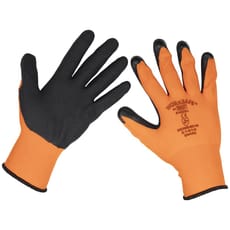
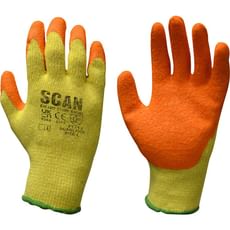
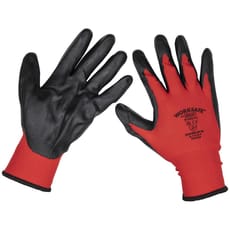
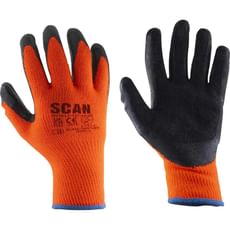
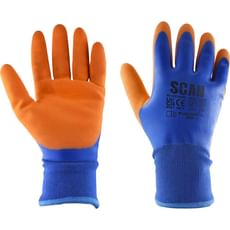
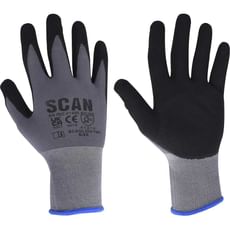
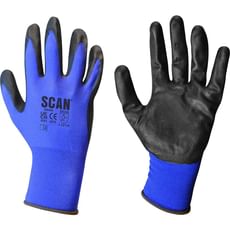
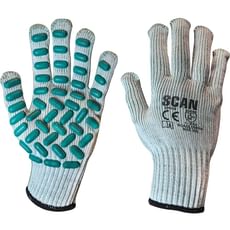

 Loading...
End of content
Error - No more pages to load
About Grip Gloves
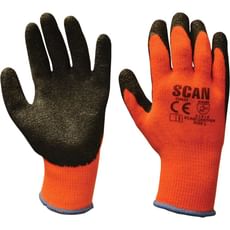
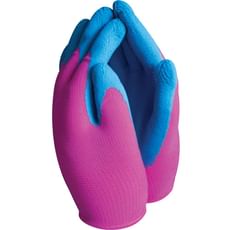
Grip gloves represent an essential category of personal protective equipment for anyone who handles materials, tools, or equipment during their working day. Engineered with specialised coating materials including latex, nitrile, and foam, these gloves deliver superior grip performance in both wet and dry conditions whilst protecting hands from abrasion, cuts, punctures, and general wear. From construction sites and warehouses to workshops and gardens, grip gloves combine tactile sensitivity with robust protection, enabling tradespeople and DIY enthusiasts to work more safely and efficiently across countless applications.
The range available at Tooled-Up.com encompasses trusted brands such as Portwest, Polyco, Scan, Sealey, DeWalt, and Stanley, offering everything from heavy-duty latex-coated work gloves for demanding site environments to ultra-lightweight nitrile options designed for precision assembly tasks. Modern grip gloves incorporate advanced features including seamless knit construction for all-day comfort, breathable liners to reduce perspiration, touchscreen-compatible fingertips for mobile device operation, and ergonomic designs that flex naturally with hand movements. Available in various coating thicknesses, protection levels, and sizes, these gloves are engineered to meet rigorous UK and European safety standards whilst delivering the dexterity needed for detailed work.
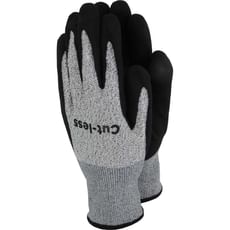
Today's grip gloves go far beyond basic hand protection, with specialist options including flame-resistant designs for hot work environments, eco-friendly latex alternatives, HPPE cut-resistant constructions, and thermal insulated versions for cold weather applications. Whether you require palm-coated gloves for breathability during general handling or fully-coated waterproof protection for wet conditions, there's a pair of grip gloves engineered to match your specific requirements and budget.
Jargon Buster
- Nitrile Coating
- A synthetic rubber coating providing excellent puncture resistance, oil and chemical resistance, and superior durability. Hypoallergenic and ideal for automotive work, engineering tasks, and any applications involving oils, greases, or solvents.
- Latex Palm Coating
- A natural rubber coating offering exceptional flexibility, grip performance, and abrasion resistance. Provides excellent tactile sensitivity for handling small components whilst remaining economical, though some users may have latex allergies.
- Foam Coating
- A cushioned coating layer that enhances comfort and reduces hand fatigue during extended use. Particularly effective in both wet and dry conditions, foam coatings deliver reliable grip performance whilst providing additional padding for handling rough materials.
- EN 388 Rating
- The European standard rating protective gloves for mechanical risks including abrasion, cut, tear, and puncture resistance. Displayed as a four or six-digit code, with higher numbers indicating greater protection levels for each hazard category.
- Seamless Knit
- A construction method producing gloves without seams across the palm or fingers, eliminating irritation and pressure points whilst improving dexterity and overall comfort during all-day wear.
- Gauge
- Refers to the fineness of the glove liner material. Higher gauge numbers (13G, 15G, 18G) indicate finer, more flexible knit constructions that provide better dexterity and sensitivity for precision work, whilst lower gauges offer increased durability for heavy-duty applications.
Who Uses Grip Gloves?
Grip gloves are indispensable across numerous trades and industries throughout the UK:
- Construction Workers and Builders: For handling bricks, blocks, timber, and general site materials requiring reliable grip and abrasion protection
- Warehouse and Logistics Personnel: Essential for handling packages, operating machinery, and managing stock in distribution centres and fulfilment facilities
- Electricians and Sparkies: Providing dexterity for precise wiring and installation work whilst offering basic mechanical hand protection
- Mechanics and Vehicle Technicians: Nitrile-coated options resist oils and provide secure grip when handling engine components, fasteners, and tools
- Joiners and Chippies: For handling timber, sheet materials, power tools, and fixings safely throughout the working day
- Landscapers and Groundskeepers: Heavy-duty options protect hands during planting, maintenance, and general outdoor work in all weather conditions
- Manufacturing and Assembly Workers: Lightweight, high-gauge options provide protection and exceptional dexterity for repetitive precision tasks
- Plumbers and Heating Engineers: For handling pipes, fittings, tools, and materials in varied working conditions and environments
- Decorators and Painters: Protecting hands whilst maintaining tactile sensitivity for detailed preparation and finishing work
- DIY Enthusiasts and Home Improvers: Offering professional-grade protection for weekend projects, home maintenance, and garden tasks
How to Choose the Right Grip Gloves
Task Requirements: Consider the nature of your work environment and specific tasks. Heavy construction work and rough material handling demand thick latex or nitrile coatings with high abrasion ratings, whilst precision engineering, assembly work, or electrical installations benefit from thinner, high-gauge gloves that maintain tactile sensitivity. For tasks involving oils, chemicals, or solvents, nitrile coating provides superior resistance compared to latex alternatives.
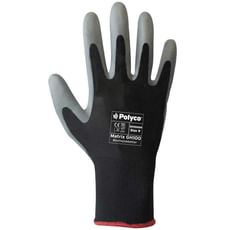
Coating Type and Coverage: Palm-coated gloves offer excellent breathability and flexibility, making them ideal for general handling tasks in moderate conditions. Fully-coated options provide complete waterproofing and protection, essential for wet environments or when handling liquids. Foam coatings from brands like Polyco excel in both wet and dry conditions whilst providing additional cushioning that reduces hand fatigue during extended use periods.
Safety Ratings: Check EN 388 ratings to ensure gloves meet your protection requirements. The standard uses a four or six-digit code indicating performance levels for abrasion, cut, tear, and puncture resistance. Higher numbers provide greater protection in each category. For site work under HSE regulations, ensure gloves meet minimum safety requirements identified in your workplace risk assessments.
Comfort and Fit: Properly fitted gloves are crucial for both safety and productivity. Measure your hand circumference and refer to manufacturer sizing charts before purchasing. Seamless knit construction reduces pressure points and irritation, whilst breathable liners prevent excessive perspiration during physical work. For all-day wear, consider lightweight options with ergonomic designs that move naturally with your hand movements without restriction.
Environmental Conditions: Working outdoors in British weather requires consideration of wet-grip performance and temperature insulation. Foam-coated gloves typically perform exceptionally well in damp conditions, whilst some designs incorporate thermal liners for cold weather work. For hot environments or welding proximity, flame-resistant options like the Portwest Arc Grip range provide essential heat protection without compromising grip performance.
Durability vs. Dexterity: Heavy-duty gloves with thick coatings last longer when handling abrasive materials but sacrifice some flexibility and tactile sensitivity. Ultra-lightweight options prioritise dexterity and comfort but may wear more quickly under demanding conditions. Consider purchasing different glove types for different tasks rather than compromising on either protection or functionality—Tooled-Up stocks options across the complete durability spectrum.
Popular Accessories
- Glove Dispensers and Holders: Wall-mounted storage solutions keeping multiple pairs organised and accessible on site or in workshops
- Hand Cleaners and Wipes: Industrial-strength hand cleaning products for removing oils, greases, paints, and contaminants after work
- Barrier Creams: Protective skin creams applied before wearing gloves to prevent irritation, dermatitis, and moisture-related skin conditions
- Hi-Vis Workwear: Complementary safety clothing including jackets, vests, and trousers from brands like Portwest, DeWalt, and Scruffs
- Safety Glasses and Goggles: Essential eye protection to complete your PPE kit for comprehensive workplace safety compliance
- First Aid Kits: Workplace-compliant first aid supplies for treating minor cuts, abrasions, and hand injuries
- Tool Belts and Pouches: Convenient storage solutions for keeping spare gloves accessible throughout the working day
- Knee Pads and Protective Wear: Additional PPE items from brands like Snickers and Scruffs for complete body protection
Safety Information
Grip gloves form a critical component of workplace PPE under Health and Safety Executive (HSE) regulations. Employers must conduct thorough risk assessments to identify hand injury hazards and provide appropriate protective gloves at no cost to employees. Workers have a corresponding responsibility to use provided PPE correctly and report any damaged or worn gloves immediately to supervisors.
Always inspect gloves before each use, checking for tears, punctures, holes, or degraded coating that could compromise protection. Damaged gloves should be replaced immediately—never attempt to repair compromised PPE. Whilst grip gloves protect against mechanical risks, they are not suitable for all hazards. Never use standard grip gloves when working with live electricity, extreme heat, hazardous chemicals, or in situations requiring specialised protection unless specifically rated and certified for those conditions.
Proper maintenance extends glove life and maintains hygiene standards. Many grip gloves can be washed to remove contaminants and dirt, though excessive washing may degrade coating materials and reduce grip performance. Follow manufacturer care instructions carefully and allow gloves to dry naturally away from direct heat sources, radiators, or sunlight. Store gloves in a clean, dry location away from oils, solvents, and UV exposure that could deteriorate materials prematurely.
Be aware of latex allergies when selecting gloves for yourself or your workforce. If you or your workers experience skin irritation, redness, itching, or allergic reactions to latex gloves, switch immediately to nitrile alternatives which provide comparable performance without allergenic proteins. Consult safety data sheets and product specifications to ensure compliance with relevant EN standards for your specific industry, applications, and identified workplace hazards.
Frequently Asked Questions
What's the difference between nitrile and latex grip gloves?
Latex gloves offer excellent flexibility, comfort, and grip performance at an economical price point, making them ideal for general handling tasks in construction and site work. However, some users have latex allergies which can cause skin reactions. Nitrile gloves provide superior puncture resistance, chemical resistance, and durability, particularly when working with oils, greases, fuels, and solvents. They're slightly less flexible than latex but completely hypoallergenic, making them suitable for all users. For most automotive and engineering applications, nitrile is the preferred choice, whilst latex excels in general construction and material handling.
How often should I replace my grip gloves?
Replacement frequency depends on usage intensity and working conditions. For daily professional use in demanding environments like construction sites or warehouses, expect to replace gloves weekly or fortnightly. Inspect gloves regularly for signs of wear including coating damage, holes, thinning material, or reduced grip performance. Even without visible damage, coating materials degrade over time through exposure to UV light, oils, and general use, losing effectiveness. Keep spare pairs available and replace gloves as soon as protection becomes compromised—the modest cost of new gloves is negligible compared to treating hand injuries or dealing with reduced productivity.
Can I use grip gloves for electrical work?
Standard grip gloves provide no electrical insulation whatsoever and must never be relied upon for protection against electric shock or live circuits. They're suitable for mechanical tasks during electrical work such as handling conduit, cable pulling, general site work, or materials handling, but specialised electrically-insulated gloves rated to relevant BS EN standards are required for any work on or near live electrical circuits. Many electricians keep both types—grip gloves for general tasks and certified electrical safety gloves rated to appropriate voltage levels for work on live systems.
What do the numbers in EN 388 ratings mean?
The EN 388 standard uses a four or six-digit code to rate protective gloves against mechanical hazards. The first four digits represent performance levels (typically 0-4, though some categories extend higher) for abrasion resistance, cut resistance, tear resistance, and puncture resistance respectively. Higher numbers indicate better protection in each category. For example, a rating of 4131 indicates excellent abrasion resistance (4), minimal cut resistance (1), good tear resistance (3), and minimal puncture resistance (1). Choose ratings appropriate to your specific hazards identified through workplace risk assessments and task requirements.
Are touchscreen-compatible grip gloves as protective as standard ones?
Modern touchscreen-compatible grip gloves like the DeWalt Touchscreen Glove incorporate conductive materials in fingertips allowing smartphone and tablet operation without removing gloves. This feature doesn't compromise protection levels—these gloves maintain the same EN ratings and coating quality as standard versions. They're increasingly popular across trades as mobile devices become essential for accessing plans, recording site information, taking photographs, and communication, eliminating the inconvenience and time waste of constantly removing and replacing gloves throughout the working day. Many now feature HPPE cut-resistant liners for additional protection alongside touchscreen functionality.