

Grout Rakes

Pay in 3 interest-free payments on purchases from £20-£3000 with  . Learn more.

 Loading...
End of content
Error - No more pages to load
About Grout Rakes
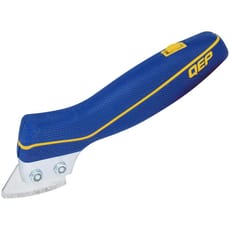
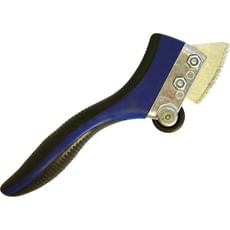
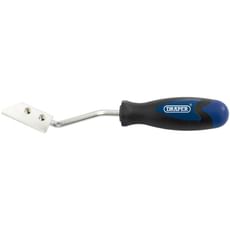
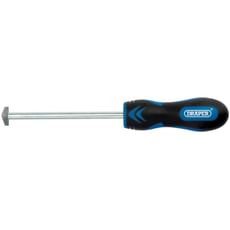
Grout rakes are indispensable tools for removing old, damaged or discoloured grout from between tiles without causing damage to the tile edges themselves. Whether you're a professional tiler preparing a surface for re-grouting or a homeowner refreshing your bathroom or kitchen, these precision tools make what would otherwise be a tedious and time-consuming job significantly easier and more accurate. Featuring hardened tungsten carbide or diamond-tipped blades, grout rakes efficiently cut through cement-based grout whilst protecting valuable tiles from chips and cracks that could prove costly to repair.
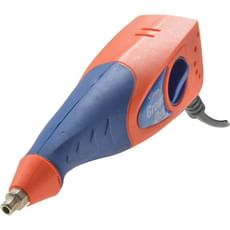
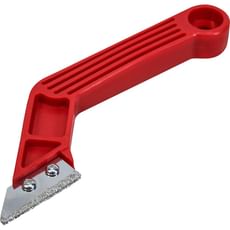
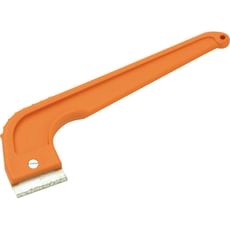
The selection at Tooled-Up.com includes trusted brands such as Vitrex, Draper and Faithfull, offering both manual hand-held grout rakes and electric grout removal tools for more extensive projects. Manual grout rakes typically feature comfortable soft-grip handles and replaceable blades in various widths to suit different grout joint sizes, making them ideal for smaller domestic jobs. Electric models like the Vitrex Tile Grout Out tool provide powered removal capabilities that dramatically reduce time and physical effort on larger commercial renovations or whole-property refurbishments.
The versatility of these tools makes them essential for preparing surfaces before applying fresh grout, replacing cracked or damaged tiles, or addressing mould-affected grout lines that can't be salvaged through cleaning alone. Most grout rakes feature replaceable blade options, ensuring your investment continues to perform effectively over multiple projects. The precision-ground cutting edges on carbide-tipped blades maintain their sharpness through extensive use, whilst ergonomic handle designs reduce hand fatigue during prolonged grout removal tasks, whether you're tackling a small bathroom refresh or preparing for a complete kitchen retile.
Jargon Buster
- Tungsten Carbide Blade: An extremely hard cutting edge material that maintains sharpness far longer than standard steel, essential for cutting through hardened cement-based grout without excessive wear or frequent blade replacement.
- Grout Joint: The gap between tiles that's filled with grout material. Joint widths typically range from 2mm to 10mm depending on tile size and application, and grout rake blades should match these dimensions for optimal removal efficiency.
- Grout Rake Tip: The replaceable cutting component that performs the actual grout removal work. Tips come in various profiles including pointed, angled and flat configurations to suit different grout types, joint depths and tile materials.
- Soft Grip Handle: An ergonomically designed handle with cushioned rubber or polymer coating that reduces hand fatigue and provides better control during the repetitive motions required for grout removal work over extended periods.
- Electric Grout Remover: A powered tool similar to a rotary tool that uses oscillating or rotating cutting bits to mechanically remove grout, significantly faster than manual raking for large-scale projects or commercial applications.
- Grout Depth: The distance the grout extends into the joint between tiles. Proper grout removal typically requires raking to a depth of 3-5mm to ensure good adhesion for new grout application and a professional finished appearance.
Who Uses Grout Rakes?
- Professional Tilers: Using grout rakes daily for renovation projects, bathroom refits and repair work where existing grout needs removal before retiling or re-grouting surfaces.
- General Builders: Incorporating grout removal into broader renovation projects, particularly when updating kitchens, bathrooms and utility rooms for domestic and commercial clients.
- Property Maintenance Contractors: Addressing grout deterioration in rental properties, social housing and commercial premises as part of routine refurbishment schedules and tenant changeovers.
- Bathroom Fitters: Specialising in wet room installations and bathroom renovations where grout removal is frequently required before fitting new suites or refreshing existing tiled areas.
- DIY Enthusiasts: Homeowners tackling kitchen and bathroom updates, keen to achieve professional results when refreshing tired grout lines or preparing for complete re-tiling projects.
- Kitchen Fitters: Removing splashback grout when updating kitchen worktops or replacing damaged tiles behind cooking areas and sink installations.
- Handyman Services: Offering minor repair and maintenance services including grout refresh and tile replacement for residential and commercial clients across various property types.
How to Choose the Right Grout Rakes
Manual vs Electric: For small to medium jobs like a single bathroom or kitchen splashback, a manual grout rake from Draper or Faithfull provides excellent control and precision at an economical price point. For larger commercial projects or multiple rooms, consider an electric grout remover like the Vitrex Tile Grout Out tool which dramatically reduces time and physical effort, though at a higher initial investment.
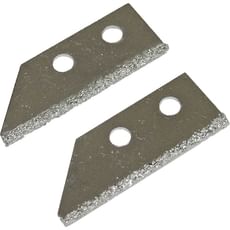
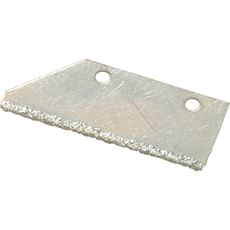
Blade Type and Availability: Ensure replacement blades are readily available for your chosen model. Tooled-Up stocks specific replacement blade sets matched to Vitrex, Draper and Faithfull tools. Carbide-tipped blades offer the best durability for cement-based grouts, whilst diamond tips excel with epoxy grouts or particularly hard installations.
Handle Comfort: Since grout removal involves repetitive motion over extended periods, ergonomic handle design significantly impacts user fatigue. Look for soft-grip handles with adequate length to generate comfortable leverage without excessive force. The Draper Soft Grip range specifically addresses comfort during prolonged use on larger projects.
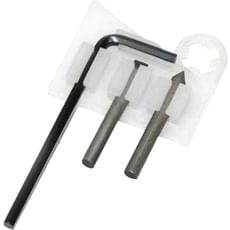
Joint Width Compatibility: Check that blade widths match your grout joint dimensions. Most sets include multiple tip sizes or blades ranging from 3mm to 10mm width. The Vitrex 3 Piece Tip Set provides versatility for varying joint sizes within a single project, eliminating the need to purchase multiple separate tools.
Build Quality: Professional-grade tools feature reinforced blade mounts, sturdy handle construction and secure blade retention systems. Cheaper alternatives may flex during use or suffer blade loosening, compromising both efficiency and safety. Established brands like Vitrex, Draper and Faithfull provide reliable construction backed by warranty support.
Project Scale: Assess the scope of work ahead. A single bathroom requiring grout refresh differs significantly from preparing an entire property for sale. Match tool capability to project demands, remembering that professional tools justify their cost through durability and performance over multiple jobs.
Popular Accessories
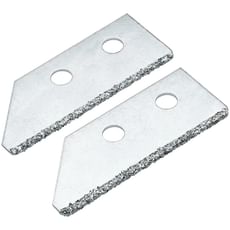
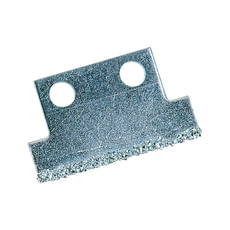
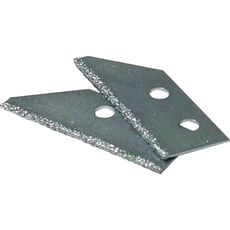
- Replacement Grout Rake Blades: Essential consumables including carbide tips and diamond blades specific to your grout rake model, ensuring continued performance without replacing the entire tool.
- Safety Glasses: Protecting eyes from dust and debris particles dislodged during grout removal work, conforming to EN 166 standards for impact resistance.
- Dust Masks: FFP2 or FFP3 rated respiratory protection against cement dust and silica particles created during grout raking, particularly important in enclosed spaces.
- Vacuum Attachments: Dust extraction accessories that connect to workshop vacuums, particularly useful with electric grout removers for cleaner working conditions and improved visibility.
- Grout Finishing Tools: Profiling tools and smoothing implements for applying fresh grout after removal work is complete, ensuring professional joints.
- Tile Spacers: Ensuring consistent joint width when replacing tiles as part of the renovation process, available in various sizes to match original installation.
- Grout Sealers: Protective treatments applied after new grout installation to enhance longevity and moisture resistance in wet areas.
- Cleaning Brushes: Stiff-bristled brushes for clearing debris from joints before applying new grout, ensuring proper adhesion.
Safety Information
When using grout rakes, always wear appropriate eye protection as debris and dust particles can be dislodged forcefully during the raking process. Safety glasses conforming to EN 166 standards provide adequate protection against flying fragments. Respiratory protection is equally important, particularly when working in enclosed spaces like bathrooms where dust accumulation occurs rapidly. Use FFP2 or FFP3 rated dust masks conforming to EN 149 standards to protect against silica dust which can be released from cement-based grout during removal.
Maintain firm control of the tool at all times and work away from your body to prevent injury should the blade slip. Keep hands behind the cutting edge and ensure stable footing, particularly when working on floors or in wet rooms where surfaces may be slippery. When using electric grout removers, check that tools are double-insulated and suitable for UK 240v electrical supply. Inspect power cables before each use and never operate electric tools in wet conditions or near water sources.
Ensure adequate ventilation in the work area to disperse dust, and consider using extraction equipment for prolonged operations. Take regular breaks to avoid repetitive strain injuries, particularly when using manual grout rakes which require sustained physical effort. Store carbide and diamond-tipped blades safely when not in use, as the hardened cutting edges remain sharp and can cause injury if handled carelessly. Always follow manufacturer guidance regarding blade replacement and tool maintenance to ensure safe and effective operation throughout the tool's lifespan.
Frequently Asked Questions
How deep should I rake out grout before reapplication?
Remove grout to a depth of approximately 3-5mm for optimal results. This ensures sufficient depth for new grout to bond effectively whilst avoiding unnecessary risk of damaging the tile edges or the adhesive bed beneath. Consistent depth throughout all joints provides even curing and a uniform finished appearance.
Can I use a grout rake on both wall and floor tiles?
Yes, grout rakes work effectively on both applications, though technique differs slightly. Wall tiles require lighter pressure as the adhesive bed is typically thinner, whilst floor tiles can withstand more aggressive raking. Adjust your approach based on tile thickness and installation age, using gentler pressure on older or more delicate installations.
How often do grout rake blades need replacing?
Blade longevity depends on grout hardness, joint depth and usage frequency. Carbide-tipped blades typically handle several average bathroom projects before requiring replacement. Signs of wear include reduced cutting efficiency, increased effort required, or visible edge deterioration. Professional tilers often keep spare blade sets on hand to avoid project delays when blades become worn.
What's the difference between manual and electric grout rakes?
Manual grout rakes offer precise control, lower cost and portability without requiring power sources, ideal for smaller projects and detailed work. Electric grout removers significantly reduce time and physical effort on larger jobs but require careful control to avoid tile damage, cost more initially, and need electricity access. For occasional domestic use, manual tools typically suffice, whilst professionals benefit from electric models on commercial projects.
Will a grout rake damage my tiles?
When used correctly with appropriate pressure and technique, quality grout rakes from brands like Vitrex, Draper and Faithfull are designed to remove grout without damaging tile edges. Always work carefully along the centre of the joint rather than against tile surfaces, use blades matched to joint width, and apply controlled pressure. Softer tiles like natural stone require gentler handling than harder porcelain or ceramic tiles.