

Grouting Accessories

Pay in 3 interest-free payments on purchases from £20-£3000 with  . Learn more.
 Loading...
End of content
Error - No more pages to load
About Grouting Accessories
Grouting accessories are specialised tools and attachments designed to make tile grouting work more efficient, precise, and professional. Whether you're removing old, damaged grout for repair work or preparing surfaces for re-grouting, having the right accessories can transform a laborious manual task into a quick, clean job. These tools are particularly valuable when working with delicate tiles where hand tools might cause damage, or when tackling large-scale projects where speed and consistency matter.
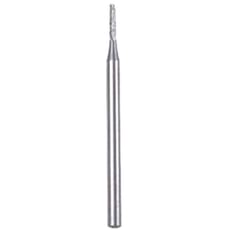
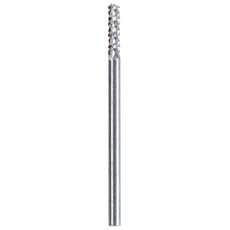
The most common grouting accessories are grout removal bits - precision attachments that fit onto rotary tools to efficiently cut away old grout from between tiles. These carbide-tipped accessories are engineered to target grout lines without damaging surrounding tile surfaces, making them indispensable for bathroom and kitchen refurbishments. Available in various widths to accommodate different grout line sizes, these bits enable tradespeople to work quickly whilst maintaining the high standards expected in professional tiling work. Tooled-Up.com stocks quality grouting accessories from trusted brands like Dremel, offering consistent performance across different grout types, from soft cement-based grouts to harder epoxy formulations.
When paired with variable-speed rotary tools, these accessories give you complete control over depth and cutting speed, ensuring clean results whether you're working on a small repair or a complete bathroom refit. The precision engineering of modern grout removal bits means less risk of tile damage and faster completion times, making them essential equipment for any professional tiler or serious DIY enthusiast.
Jargon Buster
- Carbide Grit - An extremely hard abrasive material bonded to the tip of grout removal bits, designed to cut through tough grout without excessive wear. Carbide maintains its cutting edge far longer than standard steel, making it ideal for professional use.
- Grout Line - The gap between tiles that's filled with grout material. Standard widths typically range from 2mm to 10mm, with different removal bits sized accordingly to match these dimensions.
- Rotary Tool - A handheld 240v power tool that spins accessories at high speeds (typically 10,000-35,000 RPM). Essential for using grout removal bits effectively and achieving professional results.
- Shank Diameter - The measurement of the cylindrical shaft that fits into the rotary tool's collet. Most grout removal bits feature a standard 3.2mm shank diameter compatible with Dremel and similar rotary tools.
- Working Diameter - The width of the carbide cutting tip on the grout removal bit, which should closely match your grout line width for optimal efficiency and to prevent tile damage.
- Epoxy Grout - A harder, more durable grout type that's water-resistant and stain-proof, but more challenging to remove than standard cement-based grout. Requires appropriate carbide accessories and higher rotary speeds.
Who Uses Grouting Accessories?
- Tilers and Wall & Floor Fitters - Professional tilers rely on grout removal accessories for repair work and renovation projects where existing grout needs replacing
- Bathroom Fitters - Specialists who frequently encounter damaged or mouldy grout requiring removal during refurbishment work
- Kitchen Fitters - When updating splashbacks or replacing damaged tiles, these accessories save considerable time compared to manual methods
- General Builders - Multi-trade contractors tackling renovation projects that include tile repair and maintenance work
- Property Maintenance Teams - For social housing, commercial properties, and landlords managing multiple properties where grout deterioration is common
- DIY Enthusiasts - Homeowners undertaking bathroom or kitchen refreshes who want professional-quality results without the labour of hand removal
- Decorators - When preparing tiled surfaces as part of broader refurbishment projects requiring clean, damage-free grout removal
How to Choose the Right Grouting Accessories
Selecting appropriate grouting accessories depends on several practical factors. First, consider the width of your grout lines - measure the gaps between tiles to ensure you choose a removal bit that fits properly. A bit that's too wide risks damaging tile edges, whilst one that's too narrow will be inefficient and slow. The working diameter of your chosen bit should closely match your grout line width for optimal performance.
The type of grout you're removing matters significantly. Cement-based grouts are relatively straightforward to remove with standard carbide bits, but epoxy grouts demand more aggressive cutting surfaces and may require specialist accessories. Check the manufacturer's specifications to ensure compatibility with your grout type before purchasing.
Compatibility with your rotary tool is essential - verify the shank diameter matches your tool's collet size. Most accessories available from Tooled-Up use 3.2mm shanks, which fit standard rotary tools from brands like Dremel, but always confirm before purchasing. Check the maximum RPM rating of the bit against your tool's speed settings to ensure safe operation.
Consider the scale of your project when deciding on quality. Professional tradespeople working daily should invest in premium accessories that offer longer lifespan and consistent performance across multiple jobs. For occasional DIY use, mid-range options may suffice, though cutting corners on quality often results in damaged tiles or extended working time that negates any initial savings.
Popular Accessories
- Variable Speed Rotary Tools - Essential 240v power tools for driving grout removal bits with precise speed control for different materials
- Grout Removal Bits in Various Widths - Multiple sizes (1.6mm, 3.2mm, 5mm) to accommodate different grout line dimensions
- Grout Removal Attachments - Specialised guides like the Dremel 568 that help maintain straight, controlled cuts along grout lines
- Carbide Grinding Stones - For smoothing and finishing grout lines after removal work
- Dust Extraction Attachments - Reduces airborne dust and keeps work areas cleaner whilst meeting HSE requirements
- Tile Spacers - For ensuring consistent grout lines when re-tiling after removal work
- Grout Floats and Applicators - For applying fresh grout after removal and surface preparation
- Safety Glasses and Dust Masks - Essential PPE when using rotary tools for grout removal operations
- Sponges and Cleaning Tools - For finishing work after grouting and removing excess material
Safety Information
Grout removal generates significant dust that can contain crystalline silica, particularly when removing cement-based grouts. Always wear appropriate respiratory protection conforming to HSE standards - a minimum of FFP2-rated dust masks for short-duration work, or proper respirators for extended use. This is not just best practice but a COSHH requirement on professional sites.
Eye protection is mandatory when operating rotary tools with grout removal bits. High-speed rotation can cause grout fragments to fly off at considerable velocity, posing serious risk of eye injury. Wear safety glasses or goggles that meet BS EN 166 standards throughout the entire operation, not just during active cutting.
Ensure good ventilation when working indoors, and consider using dust extraction attachments to minimise airborne particles. Wet cutting methods, where appropriate, can significantly reduce dust generation and improve visibility of your work area.
Maintain firm control of your rotary tool throughout use. The high speeds involved mean any slip can cause the bit to contact tile surfaces, potentially causing damage or injury. Start at lower speeds when beginning cuts, only increasing once the bit is properly seated in the grout line. Never force the tool - let the carbide bit do the cutting work whilst you provide steady guidance.
Frequently Asked Questions
Can I use grout removal bits on all tile types?
Grout removal bits work safely with most ceramic, porcelain, and stone tiles when used correctly. However, exercise extra caution with delicate materials like glass tiles or soft natural stone. Always start at lower speeds and test on an inconspicuous area first. The key is keeping the bit centred in the grout line and avoiding contact with tile edges.
How long do grout removal bits typically last?
Lifespan depends on usage intensity and grout hardness. For professional tilers working daily, a quality carbide bit might last several projects before requiring replacement. DIY users may find a single bit sufficient for an entire bathroom. You'll know it's time to replace when cutting becomes noticeably slower or requires excessive pressure, or when the carbide grit appears worn.
What speed should I set my rotary tool to for grout removal?
Start at medium speeds (around 15,000-20,000 RPM) and adjust based on results. The Dremel grout removal bits available at Tooled-Up.com have a maximum rated speed of 20,000 RPM. Harder epoxy grouts may require higher speeds within the bit's rating, whilst softer cement-based grouts work well at lower settings. Higher speeds aren't always better - excessive speed can generate unnecessary heat and dust.
Do I need different width bits for different grout lines?
Yes, matching bit width to grout line width is important for efficient, safe removal. Using a bit that's too narrow means multiple passes and wasted time, whilst one that's too wide risks chipping tile edges. Professional tilers typically keep several widths available to suit different jobs - common options include 1.6mm and 3.2mm working diameters for standard residential grouting work.
Can grout removal bits be used for other applications?
Whilst specifically designed for grout removal, these carbide accessories can tackle similar tasks like removing old sealant, cleaning mortar from brickwork joints, or cutting small channels in soft materials. However, using them for unintended purposes will accelerate wear and may void warranties. For best results and longest life, reserve them specifically for grout removal work as intended by the manufacturer.