

Grouting Floats
Pay in 3 interest-free payments on purchases from £30-2000 with  . Learn more.
 Loading...
End of content
Error - No more pages to load
About Grouting Floats
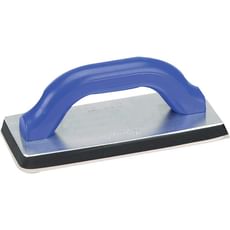
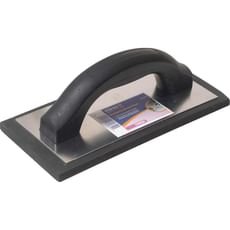
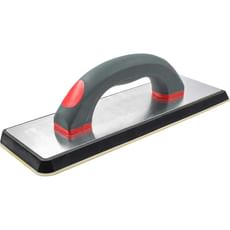
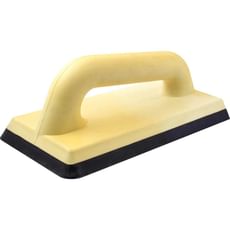
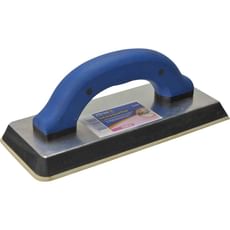
Grouting floats are indispensable hand tools for any tiling project, engineered to apply and spread grout evenly across tiled surfaces whilst pressing the material firmly into joints. Whether working on bathroom walls, kitchen splashbacks, or expansive floor installations, these specialist tools feature a flat rubber or foam face mounted on a rigid backing with an ergonomic handle, enabling efficient application across large areas without causing hand fatigue. The design ensures grout is worked deep into joints between tiles whilst simultaneously removing excess material from tile surfaces, creating professional, void-free finishes.
The selection at Tooled-Up.com includes grouting floats from trusted manufacturers including Vitrex, Faithfull, and Marshalltown, ranging from economy models perfect for occasional DIY projects to professional-grade soft grip floats built for daily site work. Standard grouting floats handle general applications, whilst margin floats excel in tight corners and edges where full-sized tools cannot reach effectively. Rubber grouters provide firm, dense contact ideal for floor tiles and epoxy-based grouts, whereas foam-faced options offer gentler application suited to wall tiles and delicate surfaces that scratch easily.
Available in various sizes and handle configurations, grouting floats accommodate different application techniques and user preferences. Economy options deliver excellent value for home improvers tackling one-off renovations, whilst soft grip models with cushioned handles are favoured by professional tilers requiring comfort and control during extended grouting sessions. The rubber or foam face varies in density, with softer materials being gentler on polished porcelain and natural stone, and firmer faces providing greater pressure for textured surfaces or stubborn grout formulations.
Jargon Buster
- Grouting Float: A handheld tool featuring a flat rubber or foam face used to spread and press grout into joints between tiles, typically incorporating a rigid backing plate and comfortable handle for leverage and control during application.
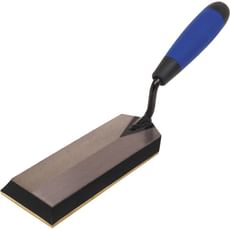
- Margin Float: A smaller, narrower variant of a standard grouting float designed specifically for confined spaces, corners, edges, and around obstacles where full-sized floats cannot reach effectively, essential for professional finishing.
- Rubber Grouter: A float with a firm rubber face rather than foam, providing denser material particularly effective for floor tiles and epoxy-based grouts requiring greater application pressure and durability.
- Soft Grip Handle: An ergonomic handle design featuring cushioned rubber or polymer coating that reduces hand fatigue and improves comfort during prolonged grouting work, especially beneficial for professional tradespeople completing multiple installations.
- Grout Joint: The gap or space between adjacent tiles that is filled with grout to seal the installation, prevent moisture penetration, and create a finished appearance with consistent width and depth.
- Grout Haze: The thin film of grout residue left on tile surfaces after application, which must be cleaned off before fully setting using a damp sponge and the edge of the grouting float worked diagonally across tiles.
Who Uses Grouting Floats?
- Professional Tilers: Wall and floor tiling specialists who rely on quality grouting floats daily for commercial and residential installations requiring consistent, professional finishes.
- Bathroom Fitters: Tradespeople installing complete bathroom suites who require grouting tools for shower enclosures, wall tiles, and wetroom floor finishes.
- Kitchen Fitters: Installers working on splashbacks, worktop upstands, and tiled kitchen floors as part of comprehensive kitchen installations.
- Building Contractors: General builders undertaking tiling work as part of renovation projects, new-build developments, and property refurbishments.
- Maintenance Teams: Property maintenance professionals handling repairs, refurbishments, and tile replacement work in commercial and residential settings.
- DIY Enthusiasts: Home improvers tackling bathroom, kitchen, utility room, or conservatory tiling projects requiring reliable, affordable tools.
- Shopfitters: Commercial installers working on retail environments, hospitality venues, and public spaces with tiled surfaces.
How to Choose the Right Grouting Floats
Selecting the appropriate grouting float depends on project size, tile type, and frequency of use. Larger floor areas benefit from standard-sized floats (typically 215-280mm) that cover more ground quickly, whilst wall tiling or confined spaces require compact or margin floats offering greater manoeuvrability around obstacles and into corners. Consider whether you're working on floors, walls, or both, as this influences the face material and size you'll need.
Handle design significantly impacts comfort and control during application. Soft grip handles with ergonomic contouring reduce hand fatigue during extended grouting sessions, making them essential for professional tilers or ambitious DIY projects spanning multiple days. Economy models with basic plastic handles suit occasional use but may become uncomfortable during prolonged work. Evaluate your hand size and grip strength when comparing handle options, as comfortable grip ensures better pressure control and more consistent results across the entire tiled surface.
Face material proves crucial for performance and tile protection. Rubber faces provide firm, dense contact ideal for floor tiles and epoxy grouts requiring greater working pressure, whilst foam faces offer gentler application suitable for wall tiles and cement-based grouts. Softer foam works excellently with polished or easily scratched tile surfaces like natural stone, marble, or highly polished porcelain, whereas firmer rubber handles textured tiles and requires fewer passes to achieve complete joint filling.
For professional tradespeople, Tooled-Up stocks established brands like Marshalltown, Faithfull, and Vitrex that offer proven durability and consistent performance across multiple projects. These manufacturers typically provide better warranties and tool longevity under daily site conditions. DIY users might find excellent value in economy ranges from Vitrex, which deliver reliable results for occasional use without the premium price tag of professional-grade tools, making them ideal for single-project applications.
Popular Accessories
- Grout Sponges: Essential for cleaning excess grout from tile surfaces and smoothing joint finishes to professional standards.
- Grout Finishers: Specialised tools for creating neat, uniform joint profiles with consistent depth and appearance.
- Buckets and Mixing Paddles: For preparing grout to correct consistency, ensuring proper workability and adhesion.
- Tile Spacers: Used to maintain consistent joint widths during tile installation before grouting commences.
- Knee Pads: Protective equipment providing comfort during floor grouting work, reducing strain and injury risk.
- Grout Rakes and Removers: Tools for removing old grout during renovation projects or correcting installation errors.
- Spirit Levels: Ensuring tiles are properly aligned before grouting begins, preventing costly mistakes.
- Tiling Trowels: Notched trowels for adhesive application during the tile-setting stage prior to grouting.
- Protective Gloves: Safeguarding hands from grout chemicals, cement burns, and abrasion during application.
Safety Information
Whilst grouting floats themselves pose minimal direct safety risks, the grouting process requires appropriate precautions. Always wear protective gloves when handling grout materials, as cement-based and epoxy grouts can cause skin irritation, chemical burns, or allergic reactions with prolonged contact. Consult COSHH data sheets for specific grout products and follow manufacturer guidance on personal protective equipment requirements for professional compliance.
Ensure adequate ventilation when working with grouts, particularly epoxy-based formulations that may release fumes during application and curing. For extensive commercial installations or confined spaces like small bathrooms, consider additional extraction equipment to maintain air quality and comply with HSE workplace exposure limits. Protect eyes when mixing grout powders, as airborne particles can cause serious irritation requiring medical attention.
When grouting floor areas, maintain proper working posture to prevent back strain and musculoskeletal injuries common amongst tilers. Use quality knee pads for floor work and take regular breaks to avoid repetitive strain injuries. Keep work areas well-lit and free from trip hazards, especially important when working backwards across newly grouted floors where grout lines remain wet and slippery. Store grouting floats clean and dry after use to prevent bacterial growth on foam or rubber faces, and inspect tools regularly for wear or damage that could compromise performance or safety during application.
Frequently Asked Questions
What's the difference between a grouting float and a trowel?
A grouting float features a flat rubber or foam face specifically designed to spread and press grout into tile joints without scratching surfaces, whilst a trowel has a rigid metal blade used for applying tile adhesive to walls or floors. Floats are used after tiles are firmly set to fill joints, whereas trowels prepare the adhesive bed during initial tile installation. Using the correct tool for each stage ensures professional results and prevents damage to tile finishes.
Can I use the same float for wall and floor tiles?
Yes, a standard grouting float works effectively for both applications, though you might prefer different techniques and pressure levels. Floor work typically requires firmer pressure and benefits from rubber-faced floats that withstand repeated heavy application, whilst wall tiling often works well with softer foam faces that won't scratch vertical surfaces. A quality soft grip float from brands like Faithfull or Vitrex provides versatility for both situations, making it ideal for mixed projects or general-purpose use.
How do I clean my grouting float after use?
Clean your grouting float immediately after use, before grout hardens on the face and becomes difficult to remove. Rinse thoroughly in clean water, using your fingers or a soft brush to remove all grout residue from the rubber or foam surface and backing plate. For stubborn dried grout deposits, soak the float in warm water to soften material before scrubbing gently. Proper cleaning extends tool life significantly and ensures consistent performance on future projects.
Why is grout pulling out of joints when I use my float?
This typically indicates grout that's too dry, incorrectly mixed, or hasn't been allowed proper slaking time. Ensure you've added correct water amounts according to manufacturer instructions and allowed the recommended standing period before application. Also check you're holding the float at the correct angle – approximately 45 degrees to the tile surface when applying grout, and nearly 90 degrees when removing excess. Work diagonally across joints rather than along them to avoid dragging grout out of spaces.
Do I need a margin float as well as a standard grouting float?
A margin float proves invaluable for finishing edges, corners, and confined spaces where a full-sized float cannot reach effectively without damaging adjacent surfaces. Professional tilers typically carry both sizes for comprehensive coverage, whilst DIY users might manage with just a standard float for straightforward installations with minimal obstacles. If your project includes numerous corners, window reveals, or tight areas around fixtures and pipework, a margin float significantly improves finish quality and reduces frustration during application.