

Grouting Sponges & Cleaning

Pay in 3 interest-free payments on purchases from £20-£3000 with  . Learn more.
 Loading...
End of content
Error - No more pages to load
About Grouting Sponges & Cleaning
Grouting sponges and cleaning tools are indispensable for achieving professional results when tiling walls, floors, and splashbacks. After grout has been applied to joints between tiles, specialist sponges and cleaning equipment remove excess material, smooth grout lines, and polish tiles to an immaculate finish. The difference between a neat, professional-looking installation and one marred by grout haze and uneven joints often comes down to using the right grouting sponge and cleaning technique.
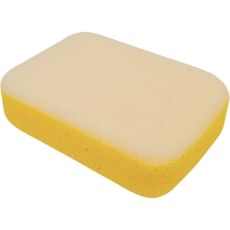
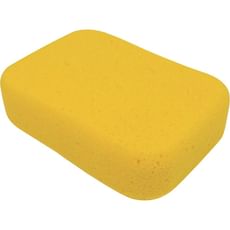
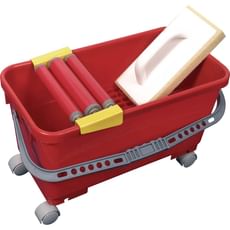
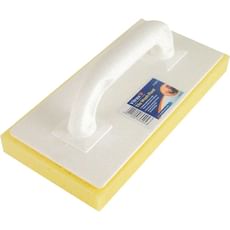
The selection at Tooled-Up.com includes everything from standard tile sponges and extra-large super sponges to complete professional washing kits and heavy-duty grout scrubbing brushes. These tools are specifically engineered for tile work, featuring rounded edges to prevent grout removal from joints, high absorbency to lift cement residue efficiently, and durable construction to withstand repeated rinsing and wringing. Leading brands such as Vitrex, Faithfull, and Rubi offer products suitable for both small domestic projects and large-scale commercial tiling installations.
Whether you're a professional tiler requiring heavy-duty grouting equipment that will last through multiple jobs, or a DIY enthusiast tackling a bathroom or kitchen renovation, having proper cleaning tools ensures your hard work isn't compromised by poor finishing. Complete tile washing kits provide everything needed in one package, whilst individual sponges, floats, and brushes allow experienced tradespeople to select precisely the tools they prefer for their working methods.
Jargon Buster
- Grout Haze: A cloudy film of dried grout residue that remains on tile surfaces after grouting. This must be removed with appropriate sponges and cleaning techniques to achieve a polished finish.
- Grout Float: A rubber-faced tool used to press grout into joints between tiles. Some floats double as washing floats, designed specifically for cleaning tiles after grouting without disturbing fresh grout lines.
- Hydrophilic Sponge: A highly absorbent sponge material specifically designed to draw water and cement particles away from tile surfaces. These professional-grade sponges are more effective than standard household sponges for tile cleaning.
- Two-Bucket Method: The professional technique of using two buckets when cleaning tiles – one with clean water for rinsing the sponge, and another for wringing out dirty water. This prevents contamination and achieves superior results.
- Grout Line Smoothing: The process of using a damp sponge to shape and finish grout joints, creating uniform, slightly concave lines that are both aesthetically pleasing and water-resistant.
- Efflorescence: White crystalline deposits that can appear on tiles and grout after installation. Specialist cleaning products and scrubbing brushes may be required to remove stubborn efflorescence from completed tile work.
Who Uses Grouting Sponges & Cleaning?
- Professional Tilers: Tradespeople specialising in ceramic, porcelain, and natural stone installations who require reliable cleaning tools for daily use on multiple projects
- Bathroom Fitters: Specialists who complete wet room installations, shower enclosures, and bathroom renovations requiring expert grouting and finishing
- Kitchen Fitters: Tradespeople installing kitchen splashbacks and tiled surfaces who need efficient cleaning tools for quick turnaround on domestic installations
- General Builders: Multi-trade contractors who occasionally undertake tiling work as part of renovation and extension projects
- Maintenance Teams: Facility managers and property maintenance professionals responsible for tile repairs and re-grouting in commercial buildings
- DIY Enthusiasts: Home improvers tackling bathroom, kitchen, or utility room tiling projects who want professional-quality results
- Interior Designers and Decorators: Professionals overseeing renovation projects who may carry out finishing work on tiled surfaces
How to Choose the Right Grouting Sponges & Cleaning
Project Size and Scale: For small domestic jobs like splashbacks or single rooms, a standard grouting sponge or basic tile wash kit will suffice. Larger projects, commercial installations, or professionals working on multiple sites benefit from extra-large super sponges, complete professional washing kits, and heavy-duty scrubbing brushes that can handle extended use without deteriorating.
Tile Type and Finish: Smooth glazed ceramic tiles are easier to clean than textured or matt-finish porcelain. Natural stone tiles like slate or travertine require gentler cleaning to avoid scratching. Consider whether you need softer sponges for delicate surfaces or more robust scrubbing tools for textured tiles where grout residue lodges more stubbornly.
Sponge Quality and Density: Professional-grade hydrophilic sponges offer superior absorbency and durability compared to standard household sponges. Look for sponges with rounded edges that won't dig into fresh grout joints, and dense, fine-pore construction that lifts cement particles effectively. Budget sponges may save pennies initially but often require replacement mid-project.
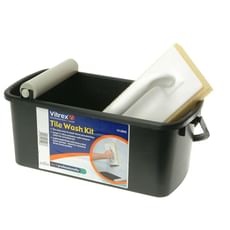
Complete Kits vs Individual Tools: Tile washing kits from brands like Vitrex provide excellent value and convenience, bundling sponges, buckets, and sometimes additional tools together. These are ideal for occasional users or those new to tiling. Experienced tilers may prefer selecting individual components – perhaps an extra-large sponge they trust, a favourite scrubbing brush, and a specialised grout wash float – to build a personalised toolkit.
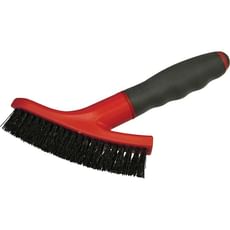
Additional Cleaning Tools: Consider whether you need supplementary equipment such as the Faithfull Heavy Duty Grout Scrubbing Brush for stubborn residue, grout polishing kits like the Vitrex Grout Clean Up and Tile Polishing Kit for final finishing touches, or specialised floats designed specifically for the washing stage. Projects involving large format tiles or difficult grout types may require more comprehensive cleaning arsenals.
Popular Accessories
- Buckets and Water Containers: Essential for the two-bucket cleaning method; professional tilers often use sturdy builders' buckets with measurement markings
- Grout Finishing Tools: Profiling tools and grout rakes for perfecting joint appearance before final cleaning
- Knee Pads and Knee Boards: Protect knees during extended floor tiling and grouting sessions from brands like Snickers and Portwest
- Tile Spacers: Ensure consistent grout joint width before grouting and cleaning commences
- Grout Mixing Equipment: Paddle mixers and mixing buckets for preparing grout to the correct consistency
- Cleaning Cloths and Polishing Rags: Lint-free cloths for final polishing and buffing after sponge cleaning
- Tile Adhesive and Grout: The primary materials that necessitate thorough cleaning; choosing appropriate products affects cleaning ease
- Spirit Levels and Measuring Tools: For accurate tile placement that creates uniform grout joints easier to clean
- Protective Gloves: Chemical-resistant gloves protect hands from cement and grout during extended cleaning sessions
Frequently Asked Questions
How soon after grouting should I start cleaning with a sponge?
Wait approximately 15-30 minutes after applying grout, or until the grout has firmed up but hasn't fully hardened. The grout should be firm enough not to pull out of joints when gently touched, but still soft enough to clean easily. Timing varies with ambient temperature, humidity, and grout type, so test a small area first. Clean too early and you'll remove grout from joints; wait too long and removal becomes difficult, risking scratches to tile surfaces.
Why do I need a special grouting sponge rather than a regular household sponge?
Professional grouting sponges feature rounded edges that glide over grout lines without digging into joints and removing material. They're made from hydrophilic materials specifically designed to absorb cement particles and water efficiently, whereas household sponges may simply smear residue around. Products available from Tooled-Up.com are also more durable, maintaining their shape and effectiveness through the repeated rinsing, wringing, and scrubbing required for tile cleaning. The investment in proper tools makes achieving a professional finish significantly easier.
How often should I rinse my grouting sponge during cleaning?
Rinse your sponge frequently – typically after every few wipes or whenever you notice grout residue being redistributed rather than removed. Professional tilers using the two-bucket method rinse after each pass across the tiles, ensuring the sponge is always relatively clean. Each time you rinse, wring the sponge thoroughly but not completely dry; a damp (not wet) sponge works most effectively. Change your rinsing water regularly as it becomes cloudy with cement particles.
Can I use grouting sponges on all tile types including natural stone?
Most grouting sponges are suitable for ceramic and porcelain tiles. However, natural stone tiles like marble, limestone, or travertine require more care as they can be porous and susceptible to scratching or staining. For stone, use softer sponges, work gently, and clean more frequently during grouting to prevent residue setting. Some stones may require specific cleaning products rather than just water. Always follow the stone supplier's recommendations and test your cleaning method on an inconspicuous area first.
What's the best way to remove stubborn grout haze after the main cleaning?
If grout haze appears after your initial cleaning has dried, use a clean, damp (not wet) sponge to gently buff the affected tiles using circular motions. For persistent haze, a heavy-duty grout scrubbing brush or a specialised grout haze remover product may be necessary. Some professional tile polishing kits include specific tools for this purpose. Work in small sections and polish with a dry cloth immediately after dampening. For severe cases on robust tiles, proprietary grout haze removers are available, but always check compatibility with your specific tile type first.