

Grouting Sponges

Pay in 3 interest-free payments on purchases from £20-£3000 with  . Learn more.
 Loading...
End of content
Error - No more pages to load
About Grouting Sponges
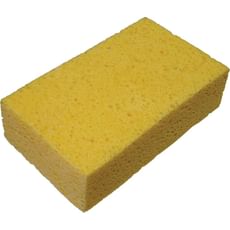
Grouting sponges are indispensable tools for achieving professional finishes in any tiling project, whether you're completing a bathroom renovation, installing a kitchen splashback, or laying floor tiles throughout a commercial property. These specialist sponges are engineered with a unique porous structure and rounded edges that effectively remove excess grout from tile surfaces whilst smoothing and shaping grout joints without causing damage. Unlike standard household or decorator's sponges, grouting sponges feature specific material compositions and densities that allow them to absorb water and grout residue efficiently, making the cleaning process significantly faster and delivering consistently superior results.
Tooled-Up.com stocks grouting sponges from trusted manufacturers including Vitrex, Faithfull, and Stanley, each offering different sizes and material specifications to suit various tiling applications. The range includes compact standard sponges ideal for smaller domestic projects such as bathroom walls and kitchen splashbacks, through to extra-large super sponges designed for covering extensive floor areas quickly and efficiently. Most grouting sponges are manufactured from cellulose—a natural, biodegradable material derived from wood pulp fibres—which maintains its structure and absorbency even when saturated, ensuring consistent performance throughout demanding grouting tasks.
Quality grouting sponges distinguish themselves through their durability and effectiveness. Premium sponges withstand repeated rinsing and wringing without breaking down, tearing, or leaving residue on tile surfaces. The best grouting sponges achieve the perfect balance: firm enough to remove grout haze effectively, yet soft enough to avoid scratching delicate tile finishes including ceramic, porcelain, and natural stone. Selecting the appropriate grouting sponge for your specific tile type and project scale is crucial for achieving clean, professional-looking grout lines and a polished finish that enhances the overall appearance of your tiling work.
Jargon Buster
- Cellulose Sponge: A highly absorbent sponge material manufactured from natural wood pulp fibres, prized for grouting applications due to its open-cell structure that holds water effectively whilst remaining durable during repeated use. Cellulose sponges are biodegradable, making them environmentally preferable to synthetic alternatives.
- Grout Haze: The thin, cloudy film of grout residue that remains on tile surfaces after initial cleaning. Quality grouting sponges are essential for removing this haze without disturbing or pulling grout from the joints, revealing the true finish of your tiles.
- Rounded Edges: The softened, curved corners of specialist grouting sponges that prevent accidental gouging or disturbing of freshly applied grout whilst cleaning tile surfaces. Square-edged sponges can dig into joints, requiring time-consuming repairs.
- Two-Bucket Method: The professional technique of using one bucket filled with clean water for rinsing the sponge and a second bucket for wringing out dirty water. This method ensures optimal cleaning results by preventing contamination of rinse water with grout particles.
- Open-Cell Structure: The porous composition of grouting sponges featuring interconnected cavities that capture and hold grout particles and water efficiently. This structure enables effective cleaning whilst preventing grout from being redistributed across tile surfaces.
- Hydrophilic Material: The water-attracting properties inherent in quality grouting sponges that enable them to absorb substantial quantities of water and grout particles efficiently during the cleaning process, making them far more effective than water-repellent materials.
Who Uses Grouting Sponges?
- Professional Tilers: Tradespeople who use grouting sponges daily across commercial and residential tiling projects, requiring durable, efficient tools that deliver consistent, professional results on site.
- Bathroom Fitters: Specialists completing shower installations, wet rooms, and bathroom renovations where precise grout finishing is essential for both aesthetics and water-tightness.
- Kitchen Fitters: Professionals installing splashbacks, worktop upstands, and tiled surfaces who depend on reliable grouting tools for quality finishes that satisfy discerning clients.
- General Builders: Main contractors undertaking renovation and new-build projects that include tiling work as part of broader construction services, requiring versatile tools for various applications.
- DIY Enthusiasts: Homeowners tackling bathroom upgrades, kitchen backsplashes, utility room floors, or conservatory tiling projects who want professional-quality results without hiring tradespeople.
- Property Maintenance Teams: Facilities managers and maintenance staff conducting repairs, refurbishments, and ongoing maintenance in commercial premises, social housing, and residential developments.
- Shopfitters and Commercial Contractors: Specialists working on retail spaces, restaurants, hotels, and public facilities where tiled surfaces require immaculate finishing to meet commercial standards.
How to Choose the Right Grouting Sponges
Size and Coverage: Consider your project scale carefully. Standard grouting sponges measuring approximately 175mm x 100mm suit most domestic applications including bathrooms, kitchens, and small floor areas. Extra-large super sponges significantly improve efficiency when grouting extensive floor areas, reducing time spent rinsing and wringing, making them invaluable for professional tilers working to tight deadlines.
Material Quality: Premium cellulose sponges from established brands like Vitrex and Faithfull offer superior absorbency and longevity compared to budget alternatives. Quality materials resist tearing and maintain their shape throughout extensive use, making them more economical over multiple projects despite higher initial costs.
Density and Firmness: The sponge must be firm enough to remove grout haze effectively but not so hard that it scratches tile surfaces or pulls grout from joints. Medium-density sponges provide the best balance for most grouting applications with ceramic and porcelain tiles, whilst softer sponges are preferable for delicate natural stone tiles including marble, travertine, and limestone.
Edge Design: Always select sponges with rounded edges specifically designed for grouting work. Standard decorator's sponges with square edges may inadvertently dig into grout lines, damaging your work and requiring time-consuming repairs that could have been easily avoided.
Brand Reputation: Established manufacturers produce grouting sponges tested for professional use, offering consistent quality and performance. Brands available at Tooled-Up include Vitrex, Stanley, and Faithfull—all recognised names among professional tradespeople who depend on reliable tools daily.
Biodegradability: For environmentally conscious users, pure cellulose sponges manufactured from 100% wood fibres biodegrade in landfills, unlike synthetic alternatives. The manufacturing process for cellulose sponges is also considerably less toxic than plastic production, making them a greener choice for sustainable building practices.
Popular Accessories
- Grout Float: Essential tool for applying and spreading grout into tile joints before sponge cleaning begins, available in various sizes for different tile formats.
- Grout Finishing Tool: Specialised implement for shaping and smoothing grout lines, creating consistent profiles for professional-looking joints throughout your installation.
- Tile Spacers: Ensure consistent grout line width throughout tiling projects, available in various thicknesses from 1mm to 10mm for different aesthetic preferences.
- Two Buckets: For implementing the professional two-bucket cleaning method—one for clean rinse water, one for wringing out dirty water laden with grout particles.
- Knee Pads: Comfortable protection essential when grouting floor tiles, with professional models available from brands including Snickers, Portwest, and Scruffs offering all-day comfort on site.
- Protective Gloves: Chemical-resistant gloves protect hands from cement-based grouts and cleaning solutions, preventing skin irritation and dermatitis during extended grouting sessions.
- Grout Sealer: Protects finished grout lines from staining, moisture penetration, and discolouration, particularly important in wet areas and high-traffic zones.
- Tile Cleaning Solution: Specialist formulations for removing stubborn grout haze and residue after initial sponging, restoring the true appearance of your tiles.
- Microfibre Cloths: For final polishing and buffing of tile surfaces, removing any remaining haze to reveal a pristine, professional finish.
- Pointing Trowel: Useful for packing grout into joints before smoothing with a float, particularly in corners and edges where precise application is required.
Frequently Asked Questions
How often should I rinse my grouting sponge during use?
Rinse your grouting sponge frequently, typically after every 3-4 wipes across the tiles. Using the two-bucket method, rinse thoroughly in clean water and wring firmly before continuing. The sponge should be damp rather than saturated—excess water can pull grout from joints or leave standing water on surfaces that dilutes the grout strength. Professional tilers change rinse water regularly to maintain cleaning effectiveness throughout the job.
Can I use a regular household or decorator's sponge for grouting?
Whilst household sponges might appear similar, they're not designed for grouting work and will produce inferior results. Specialist grouting sponges feature rounded edges that prevent damaging grout joints, a specific density optimised for effective cleaning, and a durable structure that withstands repeated wringing without disintegrating. Using a proper grouting sponge ensures better results and prevents costly mistakes that require remedial work.
How do I clean and maintain my grouting sponge for reuse?
After use, rinse your grouting sponge thoroughly under running water until all grout residue is completely removed—any remaining grout will harden and ruin the sponge. Squeeze out excess water and allow it to air dry completely in a well-ventilated area. Never leave sponges submerged in buckets of water, as prolonged soaking causes deterioration of the material structure. With proper care, quality grouting sponges from brands like Vitrex can be reused across multiple projects, providing excellent value.
When should I start sponging after applying grout?
Wait until the grout has begun to firm up but hasn't fully hardened, typically 10-20 minutes after application, though this varies depending on temperature, humidity, and grout type. The grout should be firm enough that light pressure from the sponge doesn't pull it from the joints. Test an inconspicuous area first—if grout lifts easily, wait longer. Starting too early removes too much grout and weakens joints, whilst waiting too long makes cleaning considerably more difficult and may require aggressive scraping that damages tiles.
What's the difference between cellulose and synthetic grouting sponges?
Cellulose sponges are manufactured from natural wood pulp fibres, offering excellent absorbency, a softer texture that's gentler on tiles, and biodegradability that makes them environmentally preferable. Synthetic sponges, typically made from polyurethane or polyester, can be more durable and resistant to tearing but may be less absorbent and aren't biodegradable. For grouting work, most professional tilers prefer cellulose sponges due to their superior water-holding capacity and gentler action on tile surfaces, making them the standard choice throughout the tiling industry.