

Guards

Pay in 3 interest-free payments on purchases from £20-£3000 with  . Learn more.
 Loading...
End of content
Error - No more pages to load
About Guards
Guards for pressure sprayers are precision attachments designed to control spray direction and prevent drift when applying herbicides, pesticides, and other liquid treatments. These essential accessories fit onto pressure sprayer lances, creating a protective barrier that shields surrounding plants, surfaces, and areas from accidental overspray whilst concentrating treatment exactly where needed. Whether targeting weeds between paving slabs, treating individual plants in ornamental borders, or applying selective herbicides on commercial sites, the right guard attachment dramatically improves application accuracy, reduces chemical waste, and protects desirable vegetation from damage.
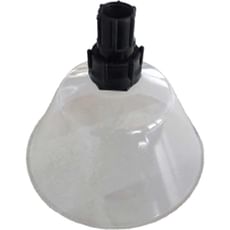
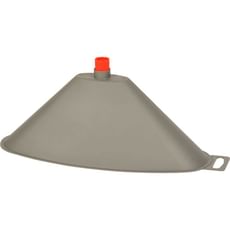
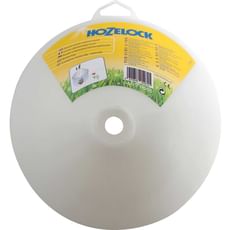
Available in various shapes and configurations, spray guards serve multiple purposes beyond simple drift protection. Round cones excel at pinpoint accuracy for spot-treating individual weeds or small clusters, making them ideal for work between paving slabs or in densely planted areas. Oval drift guards provide broader directional coverage for treating rows of weeds or larger patches whilst maintaining spray containment. Extra-large cones offer extended reach for bigger treatment areas without sacrificing control. The selection at Tooled-Up.com includes guards from trusted manufacturers like Hozelock and Solo, each designed to fit specific pressure sprayer models and lance configurations.
Professional landscapers, groundskeepers, local authority maintenance teams, and keen gardeners rely on quality guards manufactured from durable, chemical-resistant materials that withstand repeated exposure to concentrated herbicides and pesticides. Modern guards feature quick-attachment mechanisms allowing operators to switch rapidly between general spraying and precision applications as tasks require. Investing in appropriate guard attachments not only improves application efficiency and reduces environmental impact but also helps ensure compliance with HSE guidelines, COSHH regulations, and responsible pesticide use standards on professional and domestic sites.
Jargon Buster
- Drift Guard: A shield attachment that surrounds the spray nozzle to prevent wind from carrying spray droplets beyond the target area, reducing contamination of surrounding plants, surfaces, and water sources.
- Spray Cone: A funnel-shaped guard that concentrates and directs the spray pattern downwards onto specific target areas, typically used for spot-treating individual weeds, small patches, or confined spaces.
- Weedkiller Cone: A specialised cone designed specifically for herbicide applications, often colour-coded or marked to prevent cross-contamination when equipment is used for different chemical treatments.
- Overspray: Unintended spray that misses the target area and lands on surrounding plants, hard surfaces, or the environment, which guards help minimise through physical containment and directional control.
- Spot Treatment: The practice of applying herbicides or pesticides only to specific problem areas or individual plants rather than broadcasting over wide areas, made more efficient and safer with appropriate guard attachments.
- Lance Attachment: The connection point where guards and other accessories fit onto the spray lance or wand of a pressure sprayer, typically featuring brand-specific fittings for secure attachment.
Who Uses Guards?
- Landscape Gardeners: For selective weed control around ornamental plants, established borders, and sensitive plantings without chemical damage to desirable species
- Groundskeepers: Treating weeds in public spaces, parks, sports grounds, and commercial properties whilst protecting established lawns, flower beds, and specimen plants
- Agricultural Workers: Spot-treating problem weeds in crops, pastures, and field margins without affecting surrounding vegetation or contaminating watercourses
- Local Authority Maintenance Teams: Managing weeds on pavements, car parks, public areas, and highway verges with precision whilst meeting environmental protection requirements
- Golf Course Superintendents: Targeting specific weeds on greens, fairways, tees, and pathways without damaging valuable turf or affecting play surfaces
- Facilities Managers: Controlling weeds around buildings, car parks, industrial sites, and commercial premises safely and efficiently
- DIY Enthusiasts: Home gardeners wanting professional-level control when treating patios, driveways, garden beds, and decorative gravel areas
- Allotment Holders: Managing weeds between plots, along pathways, and around structures without affecting neighbouring vegetables or contaminating organic growing areas
How to Choose the Right Guards
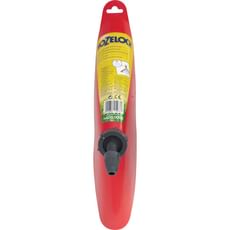
Selecting the appropriate guard begins with ensuring compatibility with your existing pressure sprayer. Hozelock guards are specifically designed to fit their range of Standard, Plus, Pro, and Killaspray pressure sprayers, whilst Solo offers guards engineered for their equipment. Always verify the fitting mechanism matches your lance attachment point before purchasing, as most guards feature brand-specific connections that ensure secure, leak-free attachment during operation.
Consider the shape and size based on your typical applications and working environment. Round cones provide exceptional pinpoint accuracy for individual weeds or small clusters, making them perfect for treating between paving slabs, targeting specific problem plants in borders, or working in confined spaces where precision matters most. Oval drift guards offer wider directional coverage whilst maintaining spray containment, suitable for treating rows of weeds, larger patches, or more extensive areas where some additional coverage improves efficiency. Extra-large cones deliver extended reach and broader coverage for bigger treatment areas whilst maintaining the protective benefits that prevent drift and overspray.
Think about your working conditions and the chemicals being applied. If you frequently work on windy sites, near water features, or adjacent to sensitive plantings, drift guards become essential safety equipment for preventing spray contamination and environmental damage. For applications requiring strict separation between herbicides and other treatments, consider purchasing dedicated weedkiller cones to avoid any cross-contamination risks that could damage plants during subsequent applications. Material quality deserves attention too – guards from Tooled-Up.com are manufactured from chemical-resistant plastics that won't degrade, crack, or become brittle with repeated exposure to concentrated herbicides and pesticides.
Professional users should consider maintaining multiple guard types for different scenarios. Having both round and oval options, plus various sizes, allows you to optimise application technique for each specific task, improving work efficiency, reducing chemical usage, and minimising environmental impact whilst ensuring the best possible results.
Popular Accessories
- Pressure Sprayers: Knapsack and handheld models from Hozelock and Solo that guards attach to, ranging from compact 5-litre units to professional 16-litre backpack sprayers
- Replacement Nozzles: Various spray patterns including fan, cone, and adjustable settings for different applications, coverage requirements, and chemical formulations
- Extension Lances: Longer reach attachments for treating hard-to-access areas, reducing back strain, and maintaining safe distance from treated surfaces
- Filter Kits: Prevent blockages when using wettable powder formulations, ensuring consistent spray patterns and protecting pump mechanisms
- Seals and O-rings: Maintenance parts for keeping sprayers and attachments leak-free, maintaining pressure, and functioning properly throughout the season
- Measuring Jugs: Graduated containers for accurate dilution of concentrated herbicides, pesticides, and fertilisers according to manufacturer specifications
- Protective Gloves: Chemical-resistant PPE for safe handling of concentrated treatments and during application operations
- Storage Containers: For organising guards and preventing cross-contamination between herbicide and non-herbicide uses
Safety Information
When using guards with herbicides or pesticides, always follow COSHH regulations and wear appropriate personal protective equipment including chemical-resistant gloves, eye protection, suitable footwear, and protective clothing covering exposed skin. Guards help control spray application and reduce drift, but proper PPE remains essential for operator safety throughout mixing, application, and cleaning operations.
Store guards separately from those used for non-herbicide applications to prevent cross-contamination that could damage plants during subsequent uses. Consider colour-coding or clearly labelling equipment dedicated to weedkiller applications, and maintain separate storage areas for herbicide and non-herbicide accessories. Always read and follow manufacturer instructions for both the guard attachment and the chemicals being applied, paying particular attention to weather conditions, application rates, and environmental precautions.
Clean guards thoroughly after each use, particularly when switching between different chemical treatments. Triple-rinse with clean water and dispose of rinse water responsibly according to product label instructions, local authority regulations, and environmental protection guidelines. Never spray in windy conditions even when using drift guards – best practice is to avoid applications when wind speeds exceed light breezes, typically early morning or late evening when conditions are calmer.
Keep guards and all spraying equipment out of reach of children and store in a secure, well-ventilated area away from foodstuffs, animal feed, and drinking water sources. Regularly inspect guards for cracks, splits, damage, or wear that could affect their protective function and allow spray to escape. Replace worn or damaged components promptly to maintain safe, effective application control and prevent unintended environmental contamination.
Frequently Asked Questions
Are spray guards universal, or do I need a specific brand for my sprayer?
Most guards are brand-specific and designed to fit particular pressure sprayer models. Hozelock guards fit their range of Standard, Plus, Pro, and Killaspray pressure sprayers with dedicated attachment mechanisms, whilst Solo offers guards engineered specifically for their equipment. Always check compatibility with your sprayer model before purchasing. Whilst some aftermarket options claim universal fitting, brand-matched guards typically provide the most secure, reliable attachment with proper sealing and stability during operation.
Can I use the same cone for both weedkillers and fertilisers?
Whilst physically possible, it's strongly recommended to keep separate guards for herbicide and non-herbicide applications to prevent cross-contamination that could damage desirable plants. Even thorough cleaning may leave trace herbicide residues in plastic materials that could harm plants during subsequent fertiliser or fungicide applications. Consider purchasing dedicated weedkiller cones and marking them clearly for herbicide-only use to eliminate any contamination risk.
What size cone do I need for treating patio weeds?
For weeds between paving slabs and in tight spaces, a standard round cone provides excellent precision and control, allowing you to target individual weeds without affecting surrounding surfaces. If you're treating larger patio areas with multiple scattered weeds, an oval drift guard might offer better efficiency whilst still protecting paving and adjacent borders. For extensive hard surface treatments covering significant areas, consider an XL cone for improved coverage whilst maintaining directional control.
Do guards work effectively in windy conditions?
Drift guards significantly reduce wind-blown spray compared to unprotected applications, but they cannot eliminate drift entirely in strong winds. Best practice according to HSE guidance is to avoid spraying when wind speeds exceed light breezes, even when using guards. Early morning or late evening applications often provide calmer conditions for more controlled, effective treatments with minimal drift risk, better chemical performance, and reduced environmental impact.
How do I clean and maintain spray guards properly?
Rinse guards thoroughly with clean water immediately after use, paying particular attention to the rim, internal surfaces, and any crevices where chemical residues might accumulate. For herbicide applications, triple-rinse with water and dispose of rinse water according to product label instructions and away from drains, watercourses, and planted areas. Periodically inspect for cracks, splits, or damage, and store guards away from direct sunlight which can degrade plastic materials and reduce chemical resistance over time.