

Hacking Knives

Pay in 3 interest-free payments on purchases from £20-£3000 with  . Learn more.
 Loading...
End of content
Error - No more pages to load
About Hacking Knives
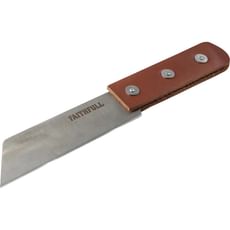
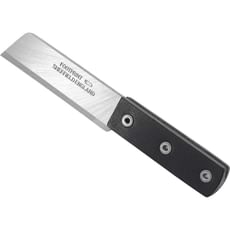
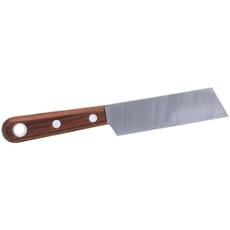
Hacking knives are specialist fixed-blade cutting tools designed specifically for working with soft building materials including lead sheet, roofing felt, carpet, linoleum, and various membranes commonly encountered on construction sites. Distinguished by their robust construction and characteristically hooked or curved blade tip, these traditional hand tools have remained largely unchanged for generations—a testament to their effectiveness. The heavy-duty blade geometry and substantial build quality make hacking knives the preferred choice for tasks that would quickly overwhelm standard utility knives, particularly when cutting dense or fibrous materials that require sustained pressure and control.
The typical hacking knife features a thick, rigid blade measuring between 75mm and 100mm in length, constructed from high-carbon steel that holds a sharp edge through demanding professional use. The blade extends into a full tang that runs through the handle, providing exceptional strength and eliminating any risk of the blade separating during heavy cutting operations. Traditional wooden handles remain popular for their comfortable grip and natural resistance to slipping in wet conditions—essential characteristics for roofing applications—though modern composite materials offer increased durability and resistance to oils and solvents encountered on site.
Tooled-Up.com stocks quality hacking knives from established manufacturers including Draper, Faithfull, and Footprint, each bringing decades of tool-making expertise to their designs. Whether you're dressing lead flashing around chimney stacks, cutting roofing membrane, trimming carpet and vinyl flooring, or preparing DPC materials, a properly specified hacking knife delivers the control, durability, and cutting performance that professional tradespeople rely upon for precise material preparation.
Jargon Buster
- Hooked Blade: The distinctive curved or hooked tip characteristic of hacking knife blades, designed to grip material during cutting and prevent the blade from slipping—particularly valuable when working with flexible sheet materials like lead or roofing felt.
- Full Tang: A construction method where the blade steel extends the entire length of the handle, providing maximum strength and stability. Full tang design is essential for tools subjected to significant lateral forces during cutting operations.
- Lead Knife: An alternative name for hacking knife, reflecting the tool's traditional primary application in cutting and shaping lead sheet for roofing weatherproofing, flashings, and plumbing applications.
- Blade Angle: The specific geometry ground into the cutting edge, typically optimised for soft metals and fibrous sheet materials rather than general-purpose cutting. This specialised angle provides clean cuts without tearing or deforming materials.
- Fixed Blade: Unlike retractable utility knives, hacking knives feature a permanently exposed blade with no moving parts or mechanisms that could fail under heavy use, providing superior reliability for demanding site work.
- Striking Back: The thick, reinforced spine of the blade that can withstand being struck with a mallet or hammer when additional force is required to cut through particularly tough materials.
Who Uses Hacking Knives?
- Roofers: For cutting lead flashing, roofing felt, EPDM membrane, and dressing sheet materials around chimneys, valleys, and weatherproofing details
- Plumbers: When working with lead pipes, sheet lead for weatherproofing applications, and cutting gasket materials and flexible sealing components
- Carpet Fitters: For trimming carpet, underlay, vinyl flooring, and sheet materials during installation, particularly in tight corners and awkward spaces
- General Builders: Versatile cutting tool for various site materials including roofing felt, DPC membrane, soft sheet goods, and temporary covering materials
- Floor Layers: Cutting linoleum, vinyl sheet flooring, cork tiles, and underlayment materials to precise dimensions for professional installations
- Maintenance Teams: For general-purpose cutting tasks in facilities management, property maintenance, and repair work across various trades
- DIY Enthusiasts: Home improvers tackling roofing repairs, flooring projects, general renovation work, and property improvement tasks
How to Choose the Right Hacking Knives
Begin by assessing blade quality and material construction. High-carbon steel blades from established manufacturers like Footprint and Faithfull maintain sharp cutting edges through prolonged professional use and can be resharpened multiple times throughout their working life. Look for blades with a polished finish that resists corrosion, particularly important for tools regularly exposed to damp roofing environments or exterior applications.
Handle design and ergonomics significantly impact user comfort during extended cutting sessions. Traditional wooden handles provide excellent natural grip and absorb vibration effectively, whilst modern composite materials offer superior resistance to chemicals, oils, and weather exposure. Test the handle feel if possible—it should sit comfortably in your hand and provide secure grip even when wearing work gloves. The handle should be securely fastened with quality rivets that won't work loose over time.
Consider the blade length and profile appropriate for your typical applications. Standard hacking knives feature blades between 75mm and 100mm, with hook profiles varying between manufacturers. A more pronounced hook provides superior control when cutting and dressing lead sheet, whilst a subtler curve offers greater versatility for general cutting tasks across different materials. The blade thickness should be substantial enough to resist flexing during use.
Overall build quality and tang construction determine long-term durability. Full tang designs where blade steel extends through the entire handle length provide maximum strength—essential for tools that may encounter significant force during heavy cutting operations. Examine the handle-to-blade junction for secure fastening and check that components are assembled with quality craftsmanship that will withstand demanding site conditions.
Popular Accessories
- Sharpening Stones and Files: Essential maintenance items for keeping hacking knife blades sharp and effective throughout their working life
- Blade Guards and Sheaths: Protective covers for safe storage and transport, preventing blade damage and accidental contact injuries
- Tool Belts and Pouches: Convenient storage solutions for safe carrying and quick access to hacking knives whilst working at height or moving around site
- Straight Edges and Metal Rulers: For marking accurate cutting lines and guiding precise cuts in sheet materials and flooring
- Cutting Mats and Boards: Protect work surfaces and extend blade life when cutting materials on benches or prepared surfaces
- Work Gloves: Cut-resistant gloves from brands like Portwest provide essential hand protection when using sharp cutting tools
- Utility Knives: Complementary cutting tools from Stanley or Draper for lighter-duty applications alongside your hacking knife
- Tool Lanyards: Safety attachments to prevent dropping tools when working at height during roofing applications
Safety Information
Hacking knives are permanently exposed cutting tools that require careful handling and respect. Always cut away from your body and keep your free hand clear of the cutting path at all times. The fixed blade design means the cutting edge is always exposed—never carry a hacking knife loose in your pocket or toolbag. Store your knife safely with a blade guard or in a dedicated tool pouch to prevent accidental contact when reaching for other equipment.
Wear appropriate personal protective equipment including cut-resistant gloves when undertaking cutting tasks, particularly when working with materials that may slip or move unexpectedly under pressure. Ensure your workpiece is properly secured before commencing cutting operations, and maintain a stable, balanced stance to prevent loss of control. Keep blades sharp through regular maintenance—a dull blade requires excessive force and is significantly more likely to slip, substantially increasing injury risk.
When working at height during roofing applications, exercise particular care to maintain secure grip on all tools. Use tool lanyards to prevent dropping your hacking knife, which could cause serious injury to those working below. Follow HSE guidelines for working at height and ensure you have appropriate edge protection, scaffolding, and fall arrest equipment in place. Never rush cutting operations, and take regular breaks during extended use to maintain concentration and reduce fatigue-related accidents.
Frequently Asked Questions
What's the difference between a hacking knife and a utility knife?
A hacking knife features a fixed, rigid blade specifically engineered for cutting soft metals like lead and tough sheet materials, whereas a utility knife has a retractable, replaceable blade designed for lighter general-purpose cutting. The hacking knife's robust full-tang construction and thicker blade make it far more durable for heavy-duty professional applications on site where utility knives would quickly fail.
Can I sharpen a hacking knife myself?
Yes, hacking knives can be readily sharpened using a medium-grit sharpening stone or metal file. Maintain the original blade angle during sharpening, working along the cutting edge with consistent strokes. Regular sharpening extends blade life considerably and maintains cutting performance—a sharp hacking knife requires less force and provides better control than a dull blade.
Are hacking knives suitable for cutting roofing felt and membrane?
Absolutely. Hacking knives excel at cutting roofing felt, EPDM membrane, and similar sheet roofing materials. The rigid blade prevents flexing during cuts, whilst the hooked tip helps grip material and prevents slipping—particularly valuable when working on pitched roofs or in windy conditions where material control is essential.
Do I need a hacking knife if I already own utility knives?
If you regularly work with lead, roofing materials, carpet, or heavy-duty sheet goods, a hacking knife is a worthwhile investment. Whilst utility knives handle many general cutting tasks, they lack the blade strength and rigidity required for demanding materials. Many tradespeople at Tooled-Up carry both—utility knives for everyday cutting and a hacking knife for specialist applications.
How should I store my hacking knife between jobs?
Store your hacking knife in a blade guard or protective sheath to prevent edge damage and accidental contact. Keep the blade clean and dry, applying a light coating of oil before extended storage to prevent corrosion. Store in a dry location away from moisture, and ensure the blade is sharp and ready for use before your next job—attempting to cut with a corroded or damaged blade is both ineffective and dangerous.