
Hacksaws

Pay in 3 interest-free payments on purchases from £20-£3000 with  . Learn more.

Loading...
End of content
Error - No more pages to load
About Hacksaws
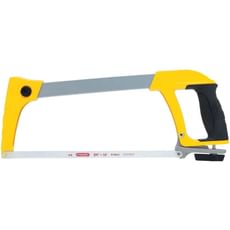
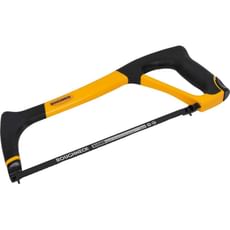
Hacksaws remain one of the most fundamental and versatile cutting tools in any professional tradesperson's kit or home workshop. Designed primarily for cutting metal materials including steel pipe, copper tube, angle iron, conduit, threaded rod, and sheet metal, these hand tools are equally capable of sawing through plastic piping, wooden dowels, and composite materials with precision and control. The traditional hacksaw design features a robust metal frame that holds a replaceable blade under tension, allowing for accurate, controlled cuts in materials that would quickly damage conventional wood saws. From compact junior hacksaws for working in confined spaces to full-size professional models built for daily site use, the range available at Tooled-Up.com caters to every requirement and budget.
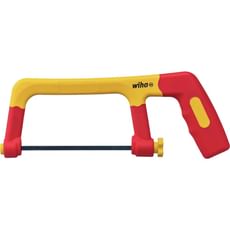
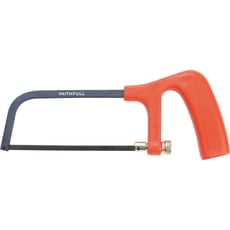
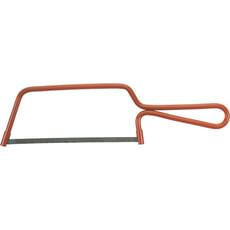
Professional hacksaws come in several distinct configurations to suit different working environments and applications. Standard full-size models typically accommodate 300mm blades and represent the workhorse choice for general metalworking, plumbing installations, steel fabrication, and maintenance work. Junior hacksaws, featuring 150mm blades, deliver superior manoeuvrability in restricted spaces and provide the precision control essential for detailed work and flush cutting against walls or surfaces. Specialist variants include adjustable hacksaws that accommodate different blade lengths, mini hacksaws for ultra-tight access in electrical enclosures or under sinks, and ergonomic designs with cushioned pistol grips that significantly reduce hand fatigue during extended cutting sessions.
The selection at Tooled-Up includes professional-grade hacksaws from renowned manufacturers such as Bahco, Facom, Irwin, and DeWalt, alongside excellent value options from Draper, Sealey, Faithfull, and Blue Spot that are perfectly suited for light trade and DIY applications. Whether you're a plumber cutting copper pipe on site, an electrician trimming steel conduit, a mechanical fitter working with various metal sections, or a homeowner tackling weekend renovation projects, you'll find the appropriate hacksaw to meet your specific cutting requirements.
Jargon Buster
- TPI (Teeth Per Inch)
- The number of cutting teeth per inch of blade length. Higher TPI blades (24-32) produce finer, slower cuts ideal for thin materials, sheet metal, and precision work, whilst lower TPI blades (14-18) cut more aggressively through thicker sections but leave a coarser finish.
- Blade Tension
- The tightness with which the blade is held in the frame. Proper tension is critical for achieving straight cuts and preventing blade breakage – the blade should be taut enough to produce a high-pitched "ping" when plucked gently.
- Junior Hacksaw
- A smaller hacksaw design using 150mm blades, specifically engineered for precision cutting in confined spaces and for materials requiring detailed work. Despite the name, these are professional tools, not simplified versions for beginners.
- Bi-Metal Blade
- High-performance blades featuring a flexible steel body welded to hardened high-speed steel teeth, combining flexibility with exceptional cutting performance and extended longevity compared to standard carbon steel blades.
- Kerf
- The width of the cut created by the blade as it passes through material. A narrower kerf wastes less material and requires less cutting effort but may produce a more fragile blade.
- Pistol Grip
- An ergonomic handle design shaped like a pistol grip that provides improved comfort and control, particularly beneficial during prolonged use or when cutting at awkward angles in restricted spaces.
Who Uses Hacksaws?
Hacksaws are indispensable tools across numerous trades and applications:
- Plumbers and heating engineers – cutting copper pipe, plastic waste pipes, steel barrel nipples, and compression fittings
- Electricians – trimming steel and plastic conduit, cutting trunking, cable tray, and threaded rod
- Mechanical engineers and fitters – general metalworking, fabrication tasks, and precision cutting
- Maintenance technicians – repairs, modifications, and cutting tasks across various materials
- Motor mechanics – cutting exhaust pipes, brackets, seized fixings, and rusted bolts
- Steel fabricators and welders – preparing metal sections for welding, cutting angle iron and flat bar
- Carpenters and joiners – cutting metal fixings, brackets, studding, and occasional metalwork
- Shop fitters – cutting metal framing systems, shelving brackets, and display fixtures
- DIY enthusiasts and homeowners – general repairs, renovations, and maintenance projects
- Model makers and hobbyists – precision cutting of small metal, plastic, and composite components
How to Choose the Right Hacksaws
Size and Type: Consider where you'll be working most frequently. Standard 300mm hacksaws are ideal for general workshop use and provide maximum cutting capacity for larger diameter pipes and substantial metal sections, whilst junior hacksaws excel in tight spaces under sinks, behind radiators, inside electrical enclosures, or when working in wall cavities. Many professionals keep both sizes readily available in their toolkit. If you regularly work with varying materials and access restrictions, an adjustable hacksaw offering multiple blade positions provides excellent versatility.
Frame Quality and Construction: Professional-grade frames from manufacturers like Bahco and Facom feature robust tubular steel construction that maintains blade tension consistently even during heavy daily use. Look for frames with comfortable, ergonomic handles – cushioned or pistol-style grips significantly reduce hand fatigue during extended cutting sessions. The blade tensioning mechanism should be positive and easy to adjust, even when wearing work gloves on site.
Blade Compatibility: Ensure your chosen hacksaw accepts standard blade sizes (300mm or 150mm) so you'll never struggle to find replacement blades from any supplier. Some specialist models use proprietary blade systems which can be limiting. Consider frames that allow blade rotation or repositioning – this feature enables flush cutting against surfaces and provides versatility for awkward cutting angles.
Professional vs DIY Use: If you're cutting metal daily on site as part of your trade work, invest in a premium hacksaw from brands like Bahco, Irwin, or Facom – the superior build quality, comfort features, and reliability will quickly justify the modest additional cost through reduced fatigue and increased productivity. For occasional home use or light DIY tasks, quality mid-range options from Draper, Sealey, or Faithfull deliver excellent value and will serve you reliably for years.
Specialised Requirements: Consider specialist designs for specific applications. Mini hacksaws are invaluable for extremely confined spaces where even junior models won't fit, whilst ergonomic curved-frame designs reduce wrist strain during repetitive cutting tasks. Multi-purpose models like the DeWalt 5-in-1 hacksaw offer exceptional versatility by accommodating various blade types and configurations in a single tool, making them ideal for mobile tradespeople working across multiple applications.
Popular Accessories
- Hacksaw Blades – replacement blades in various TPI configurations for different materials and cutting applications
- Bi-Metal Hacksaw Blades – premium long-life blades for professional use and demanding materials like stainless steel
- Junior Hacksaw Blades – 150mm replacement blades for mini and junior hacksaws
- Cutting Fluid and Lubricant – reduces friction and heat generation, extending blade life and improving cut quality
- Engineer's Scribe or Marker – for accurately marking cut lines on metal surfaces
- Deburring Tool – removes sharp edges and burrs left after cutting metal
- Metal File Set – for smoothing and finishing cut edges to professional standards
- Work Bench or Portable Workbench – securely holds materials during cutting operations
- Vices and Clamps – essential for safely securing workpieces of various sizes
- Safety Glasses – protect eyes from metal filings, swarf, and potential blade breakage
- Work Gloves – protect hands whilst maintaining grip and dexterity
Safety Information
Personal Protective Equipment: Always wear appropriate safety glasses or goggles when using a hacksaw to protect your eyes from metal filings, swarf, and potential blade breakage. Work gloves are recommended to protect against sharp edges on both the workpiece and freshly cut material, though ensure they don't compromise your grip or control. This aligns with HSE guidance on hand tool safety.
Workpiece Security: Never attempt to cut material held only by hand. Always secure workpieces properly in a vice, clamp, or secure work holding device. Unstable materials can shift during cutting, causing the blade to bind, break, or worse, causing injury. Ensure your work area is stable and well-lit, meeting HSE guidelines for safe working environments.
Blade Maintenance and Handling: Inspect blades before each use for damage, missing teeth, or cracks. Never use damaged blades as they can break during use, potentially causing injury. When installing or removing blades, take care as the teeth are extremely sharp. Ensure blades are correctly tensioned and properly seated in the frame pins – loose blades can break or spring from the frame unexpectedly.
Correct Cutting Technique: Use smooth, steady strokes applying moderate pressure on the forward stroke only. Excessive force increases the risk of blade breakage and can cause loss of control. Allow the blade to do the work – forcing it generates excessive heat and dramatically shortens blade life. When approaching the end of a cut, reduce pressure to prevent the blade catching or the material breaking away, leaving sharp, jagged edges.
Material Handling: Freshly cut metal edges are extremely sharp and often have burrs that can cause serious cuts. Handle cut materials carefully and deburr edges promptly using appropriate tools. Be aware that cutting certain metals generates significant heat – the workpiece and even the blade can become hot enough to cause burns. Allow materials to cool before handling or use appropriate heat-resistant gloves.
Frequently Asked Questions
Q: What TPI blade should I use for different materials?
A: For general metal cutting and pipework, 24 TPI blades provide an excellent balance of cutting speed and finish quality. Use 32 TPI blades for thin materials (less than 3mm), sheet metal, and conduit where a fine finish is important. For thicker steel sections, angle iron, and solid bar stock, 18 TPI blades cut more quickly with less effort. When cutting very hard materials like stainless steel or tool steel, use bi-metal blades with 24-32 TPI and apply cutting fluid to reduce heat and extend blade life significantly.
Q: Why do my hacksaw blades keep breaking?
A: Blade breakage usually results from several common causes: insufficient blade tension (the blade should be very tight in the frame), applying excessive downward pressure whilst cutting, twisting the blade during the cut, continuing to use worn blades with damaged teeth, or using the wrong TPI for the material thickness. Ensure proper blade installation with teeth pointing forward, maintain even cutting pressure, and allow the blade to do the work rather than forcing it through the material.
Q: Can I use a hacksaw to cut wood?
A: Whilst hacksaws can technically cut wood, they're not designed for this purpose and will cut slowly compared to wood saws. However, hacksaws are excellent for cutting wooden dowels cleanly, and they're ideal for composite materials that combine wood with metal or plastic. The fine teeth produce a smooth finish on dowels and small section timber, though you'll need patience as cutting speed will be significantly slower than using an appropriate wood saw.
Q: What's the difference between a standard and junior hacksaw?
A: Standard hacksaws use 300mm blades and provide maximum cutting capacity, making them ideal for general workshop use, larger diameter pipes, and substantial metal sections. Junior hacksaws use 150mm blades and offer superior manoeuvrability in confined spaces – under sinks, behind radiators, inside electrical enclosures, or anywhere access is restricted. Junior hacksaws also provide better control for precision work and flush cutting. Many professionals carry both sizes to cover all situations encountered on site.
Q: How do I achieve straight, accurate cuts with a hacksaw?
A: Start by accurately marking your cut line with an engineer's scribe or permanent marker. Securely clamp the workpiece as close to the cut line as practical – this minimises vibration. Begin the cut with short, controlled strokes to establish a guide groove, keeping the blade perpendicular to the work surface. Once the groove is established, use longer, smooth strokes with moderate pressure on the forward stroke only. Keep the blade aligned with your marked line and avoid twisting. For critical cuts, consider using a cutting guide or mitre box to maintain blade alignment throughout the cut.