

Half Round Files
Pay in 3 interest-free payments on purchases from £30-2000 with  . Learn more.
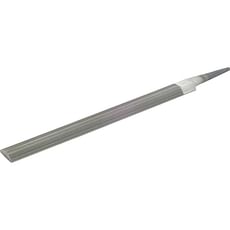
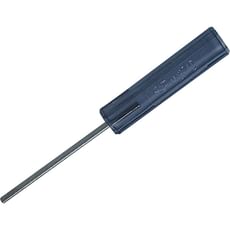
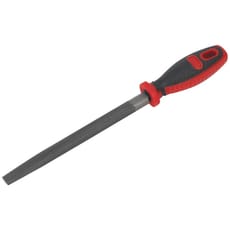
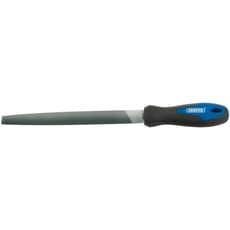
 Loading...
End of content
Error - No more pages to load
About Half Round Files
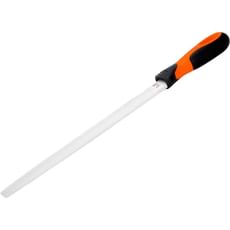
Half round files are among the most versatile hand tools in any workshop, combining a flat filing surface on one side with a curved face on the other. This dual-profile design makes them indispensable for metalworkers, fabricators, and engineers who need to work on both flat surfaces and concave curves without changing tools. The flat face handles straight edges, flat surfaces, and external corners with precision, whilst the rounded side excels at enlarging holes, smoothing internal curves, and creating concave profiles in materials ranging from mild steel and aluminium to brass, plastic, and hardwood.
Available in various lengths from compact 100mm models for detailed work through to 300mm versions for heavy-duty material removal, half round files come in different cut grades to suit specific applications. Bastard cut files remove material quickly for initial shaping and heavy stock removal, second cut provides a balanced approach for general metalwork, and smooth cut delivers fine finishing for precision fitting and final surface preparation. Tooled-Up.com stocks professional-grade half round files from trusted manufacturers including Bahco, Nicholson, Draper, Faithfull, and Sealey, ensuring tradespeople have access to tools that deliver consistent performance and extended service life.
For working with exceptionally hard materials such as hardened steel, ceramics, or glass, specialist diamond files like the DMT Half Round Diamond File offer superior cutting ability where conventional toothed files would quickly fail. Whether you're deburring machined components, fitting metal brackets, enlarging mounting holes, or shaping complex profiles, the selection at Tooled-Up includes both individual files for experienced tradespeople building a comprehensive tool collection, and complete file-and-handle sets like the Draper Half Round File and Handle for those requiring immediate functionality on site.
Jargon Buster
- Cut Grade - Refers to the coarseness of the file teeth. Bastard cut is the coarsest for rapid material removal, second cut is medium for general metalwork, and smooth cut is finest for finishing operations and precision fitting work.
- Tang - The tapered, pointed end of the file that fits into a wooden or plastic handle. Never use a file without a properly fitted handle as the exposed tang poses a serious injury risk if the file catches or slips during use.
- Pinning - When soft material such as aluminium or lead becomes lodged between the file teeth, significantly reducing cutting efficiency. Regular cleaning with a file card and the use of file chalk helps prevent this common problem.
- Single Cut vs Double Cut - Single cut files have parallel rows of teeth running in one direction, producing a smoother finish ideal for draw filing. Double cut files feature a second set of teeth crossing the first at an angle, creating a diamond pattern that removes material faster for general metalwork.
- Safe Edge - An edge without teeth, allowing you to file into corners and against shoulders without damaging adjacent surfaces. Some half round files feature safe edges on one or both flat edges for precision fitting work.
- Diamond File - Files coated with industrial diamond particles rather than traditional cut teeth, specifically designed for hardened steel, carbide, ceramics, glass, and other extremely hard materials that would destroy conventional files.
Who Uses Half Round Files?
- Metalworkers and Fabricators - for deburring welds, shaping brackets, and finishing fabricated components
- Automotive Mechanics - for modifying mounting brackets, enlarging bolt holes, and general metal shaping tasks
- Maintenance Engineers - for workshop repairs, component modification, and general fitting work
- Tool and Die Makers - for precision fitting and finishing of dies, jigs, fixtures, and tooling
- Plumbers and Pipefitters - for smoothing pipe cuts, deburring, and adjusting metal fittings
- Agricultural Engineers - for machinery repairs and component modification in farm workshops
- Gunsmiths and Locksmiths - for precise metal fitting, adjustment work, and component shaping
- Model Makers and Prototype Engineers - for detailed shaping of various materials during prototype development
- Jewellers and Silversmiths - for detailed metalwork and finishing using finer grades
- DIY Enthusiasts - for home workshop tasks requiring both flat and curved filing surfaces
How to Choose the Right Half Round Files
File Length: Common lengths range from 100mm to 300mm. Smaller files (100-150mm) offer greater control for detailed fitting and precision work, whilst longer files (200-300mm) are better for larger surfaces and provide more efficient material removal. A 200mm file represents an excellent all-round choice for general workshop use, offering a practical balance between control and productivity.
Cut Grade Selection: Choose your cut based on the task at hand. Bastard cut removes material quickly but leaves a rougher finish requiring further work. Second cut provides a balance between speed and surface quality for general metalwork and is the most popular choice. Smooth cut creates fine finishes ideal for precision fitting and final surface preparation. Many experienced tradespeople maintain multiple grades to hand for different stages of work.
Material Compatibility: Standard hand files work excellently on mild steel, stainless steel, aluminium, brass, bronze, plastic, and hardwood. For hardened steel, tool steel, ceramics, or glass, invest in a diamond file which maintains its cutting ability on extremely hard materials that would quickly destroy conventional toothed files.
Handle Consideration: Decide whether you need a file with handle included or if you have existing handles in your workshop. Quality brands like Bahco and Nicholson often sell files without handles, assuming professional users have their own collection. The Draper Half Round File and Handle provides a complete ready-to-use solution perfect for site work or those starting their tool collection.
Brand Quality: Professional brands such as Bahco, Nicholson, and Faithfull offer superior tooth geometry, better quality steel, and significantly longer service life compared to budget alternatives. For regular professional use, the investment in quality tools pays dividends through consistent performance and durability.
Single vs Double Cut: Double cut files remove material faster and are preferred for general metalwork and heavy stock removal. Single cut files produce finer finishes and are better for draw filing techniques and finishing operations where surface quality is paramount.
Popular Accessories
- File Handles - wooden or plastic handles that fit securely onto file tangs for safe, comfortable use and better control
- File Cards - wire brushes specifically designed to clean material from between file teeth, maintaining cutting efficiency and preventing pinning
- File Chalk - rubbed onto file teeth before use to reduce pinning when working with soft metals like aluminium or lead
- Engineer's Vices - essential for securing workpieces firmly whilst filing, ensuring safety and accuracy
- Bench Pins - wooden pegs that provide support when filing small components, particularly useful for detailed fitting work
- Tool Rolls and Storage - protect file teeth during storage and transport, preventing damage and dulling from contact with other tools
- Marking Out Tools - scribers, engineers' squares, and vernier callipers for accurate material marking before filing
- Cutting Fluids - lubricants that reduce heat buildup and improve surface finish when filing metals
Safety Information
Handle Usage: Never use a file without a properly fitted handle. The exposed tang can cause serious hand injuries if the file catches or slips during use. Always ensure the handle is firmly secured and in good condition before commencing work.
Work Holding: Always secure workpieces firmly in a vice or clamp before filing. Never hold small items in your hand whilst filing, as this creates significant injury risk if the file slips or catches on the workpiece.
Eye Protection: Wear safety glasses or goggles when filing, particularly when working with metals. Filing produces small particles that can cause eye injury, and hardened materials may produce sharp fragments that can fly off during aggressive filing.
File Condition: Inspect files regularly for damage including broken teeth, cracked tangs, or loose handles. Damaged files should be retired immediately as they increase the risk of slipping and produce poor results. Using worn files also requires excessive force, increasing fatigue and accident risk.
Proper Technique: Apply pressure only on the forward stroke when filing. Dragging a file backwards under pressure damages the teeth prematurely and reduces effectiveness. Use smooth, even strokes and avoid excessive force which can cause the file to slip or break.
Storage: Store files separately or in protective sleeves to prevent teeth from contacting other tools or each other. Files knocking together will damage their cutting edges, significantly reducing performance and service life.
Frequently Asked Questions
What's the difference between a half round file and a round file?
A half round file features one flat face and one curved face, making it versatile for working on both flat surfaces and concave curves in a single tool. A round file (also called a rat tail file) is completely cylindrical, designed specifically for enlarging holes, filing tight internal curves, and working in confined spaces. Half round files are generally more versatile for workshop use as they handle a wider variety of tasks without needing to change tools.
Can I sharpen a file when it becomes dull?
No, files cannot be effectively sharpened once worn. The teeth are formed through a precise cutting or milling process during manufacture, and attempting to sharpen them will damage the tool and compromise its geometry. When a file becomes dull or clogged beyond cleaning with a file card, it should be replaced. Quality files from brands like Bahco and Nicholson will provide extended service life before requiring replacement, making them more economical in the long term.
How do I prevent my file from clogging when working with aluminium?
Aluminium is a soft metal that readily clogs file teeth, a problem called pinning. To prevent this, rub file chalk or ordinary blackboard chalk across the file teeth before use. The chalk fills the gullets slightly and prevents aluminium from adhering to the teeth. Additionally, use a file card frequently to clean accumulated material during work, and consider using a coarser cut file which has deeper gullets that resist clogging better than finer cuts.
Which direction should I file - push or pull?
Files are designed to cut on the forward (push) stroke only. Apply downward pressure whilst pushing the file away from you, then lift slightly and return without pressure. This technique preserves the file teeth and produces the most efficient material removal. Cross-filing (filing at an angle to the workpiece edge) often produces the flattest surfaces, whilst draw-filing (pulling the file lengthways along the work with both hands) creates the finest finish for precision work.
What length half round file should I buy for general engineering work?
For general metalwork and engineering applications, a 200mm half round file represents an excellent compromise between control and efficiency. This length suits most jobbing work, from deburring components to shaping brackets and enlarging holes. If your work involves predominantly smaller items or detailed fitting, a 150mm file offers better control and precision. For dedicated bench work on larger fabrications, consider a 250mm or 300mm file for faster material removal and more efficient stock removal.