

Hammer Faces
Pay in 3 interest-free payments on purchases from £30-2000 with  . Learn more.
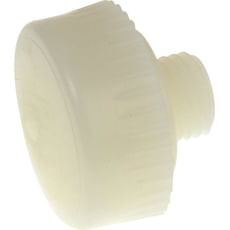
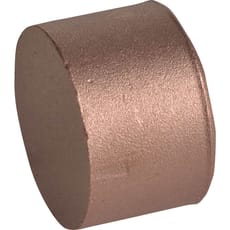
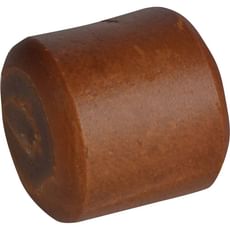
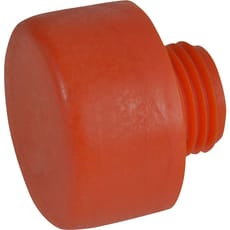
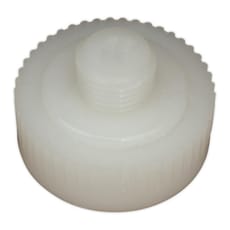
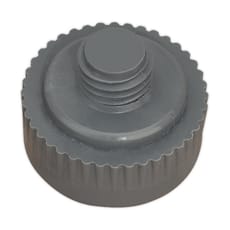
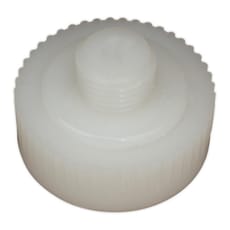
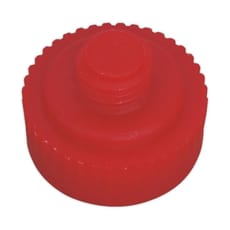
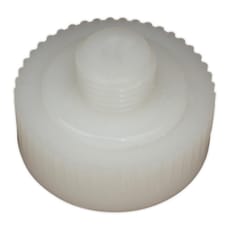
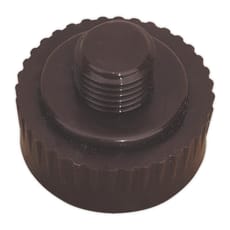
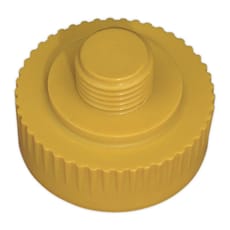
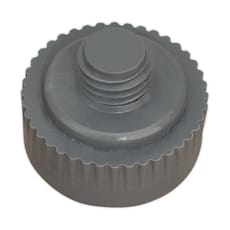
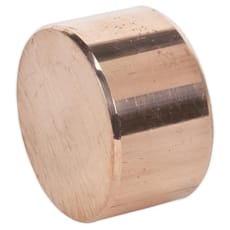
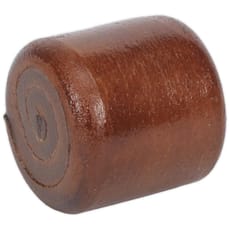
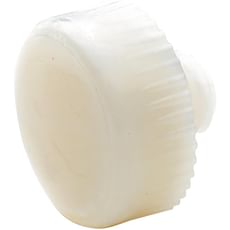
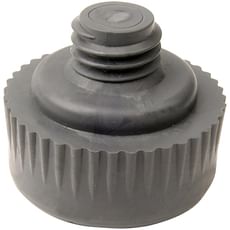
 Loading...
End of content
Error - No more pages to load
About Hammer Faces
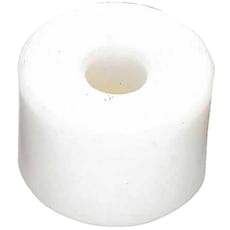
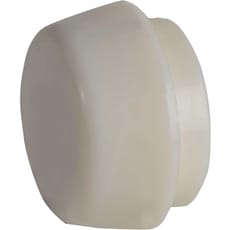
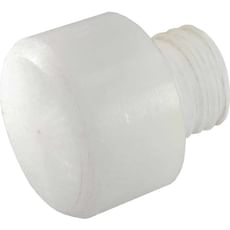
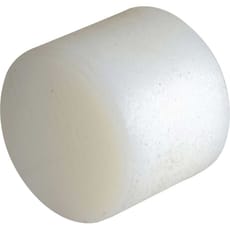
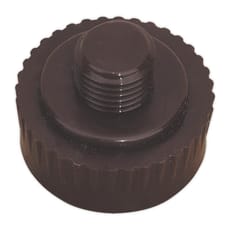
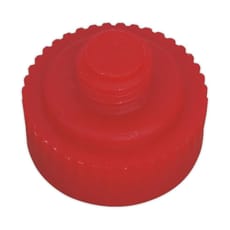
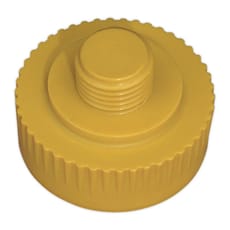
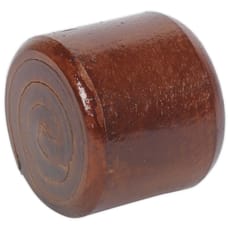
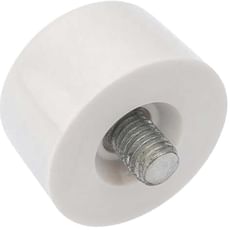
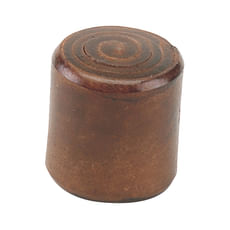
Hammer faces are essential replacement components that breathe new life into worn striking tools, offering a cost-effective alternative to purchasing entirely new hammers. These interchangeable striking surfaces are precision-engineered in various materials including nylon, copper, rawhide, and plastic, each designed for specific applications and working environments. Whether you're working on delicate assembly tasks, heavy-duty fabrication, or in hazardous areas requiring non-sparking tools, selecting the correct hammer face material ensures optimal performance whilst protecting your workpiece from damage.
Tooled-Up.com stocks replacement hammer faces from trusted manufacturers including Sealey, Thor, Draper, Wera, Facom, and Faithfull, guaranteeing compatibility with popular hammer models used across UK trade sectors. Different face materials deliver distinct performance characteristics: nylon faces are available in soft, medium, hard, and extra hard grades for varying applications; copper faces provide non-sparking operation essential in potentially explosive atmospheres; whilst rawhide and plastic options offer gentler strikes ideal for finished surfaces and precision alignment work. Understanding these material properties helps tradespeople select the perfect replacement face for their specific requirements.
Regular replacement of worn hammer faces is a critical maintenance practice that enhances workplace safety and tool performance. Damaged or worn striking surfaces compromise accuracy, risk workpiece damage, and can fragment during use, creating dangerous projectiles. By maintaining your hammers with quality replacement faces, you extend the working life of the entire tool significantly, making face replacement one of the most economical maintenance investments in any professional toolkit.
Jargon Buster
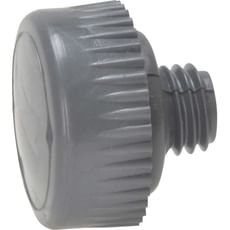
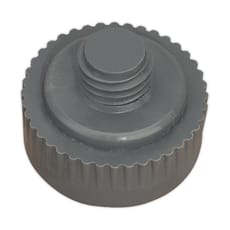
- Nylon Face: A synthetic polymer striking surface manufactured in varying hardness grades (soft, medium, hard, and extra hard). Nylon faces resist abrasion, provide excellent rebound characteristics, and won't create sparks, making them suitable for most general workshop applications.
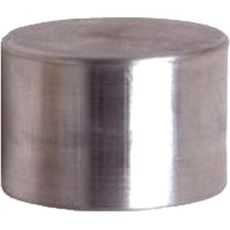
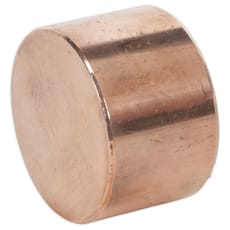
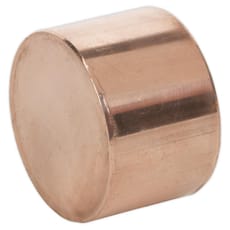
- Copper Face: A non-ferrous metal striking surface that won't generate sparks, making it essential for work in potentially explosive environments. Copper faces are softer than steel, helping prevent damage to machined surfaces whilst still delivering effective striking force.
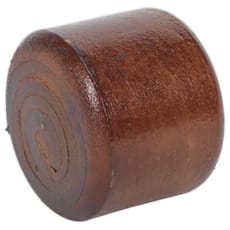
- Rawhide Face: Manufactured from compressed animal hide, rawhide faces deliver a dead-blow effect with minimal rebound. They're particularly suited to assembly work where you need to avoid marring delicate surfaces or disturbing precise alignments.
- Shore Hardness: A measurement scale used to quantify the hardness of polymer materials like nylon. Higher shore hardness values indicate a harder, more durable face suitable for heavy-duty applications, whilst lower values provide softer strikes for delicate work.
- Non-Marring: A term describing hammer faces that won't leave marks, dents, or scratches on the work surface. This characteristic is essential when working with finished materials, polished metals, and precision engineering components.
- Dead Blow: A striking characteristic where the hammer face absorbs impact energy rather than rebounding, providing greater control and significantly reduced operator fatigue during repetitive striking tasks.
Who Uses Hammer Faces?
Replacement hammer faces are essential maintenance items for a wide range of trades and industries across the UK:
- Engineers and Fitters: For assembly work, machinery maintenance, and precision fitting tasks requiring controlled, non-marring strikes
- Motor Vehicle Technicians: When working on bodywork, trim assemblies, and mechanical components where surface protection is critical
- Cabinet Makers and Joiners: For assembling furniture and joinery without damaging finished surfaces or pre-stained timber
- Sheet Metal Workers: Using copper and nylon faces to form and shape metal components without leaving hammer marks
- Maintenance Engineers: Keeping replacement faces in stock ensures minimal downtime when tools require servicing during critical repairs
- Manufacturing and Production Workers: In assembly line environments where specific striking characteristics are required for consistent quality
- Plant Operators: Using non-sparking copper faces in potentially hazardous environments with flammable atmospheres
- DIY Enthusiasts: Maintaining their quality hammers for home improvement, restoration, and hobby projects
How to Choose the Right Hammer Faces
Compatibility: Always verify that replacement faces match your specific hammer model before purchasing. Manufacturers like Sealey, Thor, and Draper produce faces designed exclusively for their particular hammer ranges, so check product specifications and your hammer's model number carefully. Using incompatible faces can result in poor fit, compromised performance, and potential safety hazards.
Material Selection: Choose face material based on your primary application. Nylon faces offer excellent all-round durability and are suitable for most general striking tasks across various materials. Copper faces are essential when working in environments where sparks could ignite flammable materials or explosive atmospheres. Rawhide and plastic faces provide the softest strike for delicate assembly work and finished surfaces requiring absolute protection from damage.
Hardness Grade: If selecting nylon faces, consider the hardness grade carefully based on your typical workload. Soft and medium grades are ideal for finished surfaces and softer materials like timber and plastics, whilst hard and extra hard grades withstand heavy-duty use on tougher materials but may leave marks on delicate surfaces. Medium hardness offers a practical compromise for general workshop use.
Size and Weight: Replacement faces are manufactured in various diameters and weights to match different hammer sizes. Ensure the face dimensions are appropriate for both your hammer and the scale of work you undertake. Larger diameter faces distribute striking force over a greater area, whilst smaller faces provide more concentrated impact for precision work.
Frequency of Use: Professional tradespeople working daily should invest in higher-quality replacement faces from brands stocked at Tooled-Up and consider keeping spares in their toolkit. The modest cost of replacement faces is insignificant compared to the inconvenience and lost productivity of a failed hammer mid-job on site.
Popular Accessories
- Replacement Hammer Handles: Wooden, fibreglass, and steel handles for complete hammer refurbishment
- Hammer Wedges: Steel and wooden wedges to secure hammer heads firmly to handles
- Dead Blow Hammers: Complete hammers with replaceable face systems for specific applications
- Soft Face Mallets: Multi-purpose striking tools with interchangeable face systems
- Tool Rolls and Storage: Organised storage solutions from Stanley and DeWalt to protect your hammer collection
- Linseed Oil: For treating and preserving wooden hammer handles
- Bench Vices: Essential for securely holding hammers during face replacement procedures
- Safety Glasses: Impact-resistant eye protection for striking operations
Safety Information
Always inspect hammer faces before each use, particularly on active job sites. Cracked, chipped, or excessively worn faces should be replaced immediately, as they can fragment during striking and cause serious injury. Never continue using a hammer with damaged faces, regardless of how minor the damage appears – the risk of catastrophic failure increases significantly with continued use.
When fitting replacement faces, ensure they're properly secured according to the manufacturer's instructions. A loose face can detach during striking, creating a dangerous projectile in the workspace. Some faces screw into position with threaded connections, whilst others require pressing or tapping into place – always follow the specific fitting method for your hammer model to ensure secure attachment.
Wear appropriate personal protective equipment when using hammers, including safety glasses or goggles to protect against flying debris and fragments. In professional environments, ensure your use of striking tools complies with HSE guidelines and your employer's risk assessments. Appropriate PPE should also include safety footwear with steel toecaps to protect against dropped tools.
Select the appropriate face material for your working environment carefully. In areas where flammable gases, vapours, or combustible dust may be present, copper or other non-sparking faces are essential safety equipment. Never use steel or ferrous metal faces in potentially explosive atmospheres, as the sparks generated could trigger ignition with catastrophic consequences.
Frequently Asked Questions
How often should I replace my hammer faces?
Replace hammer faces when you notice significant wear, surface cracking, mushrooming of the edges, or reduced striking effectiveness. Professional tradespeople using hammers daily might replace faces every few months, whilst occasional users may find faces last several years. Regular inspection before each use is more important than following a fixed replacement schedule, as working conditions vary considerably between trades and applications.
Can I use any brand of hammer face on my hammer?
No, hammer faces are typically manufacturer-specific and not interchangeable between brands. A Sealey face is designed exclusively for Sealey hammers, Thor faces for Thor hammers, and so on. Using incompatible faces can result in poor fit, compromised performance, and serious safety hazards. Always check compatibility specifications before purchasing replacement faces.
What's the difference between hard and soft nylon faces?
Soft nylon faces provide a gentler strike with less rebound, making them ideal for finished surfaces, delicate materials, and precision assembly work. Hard and extra hard nylon faces withstand more aggressive use and last longer under heavy-duty conditions, but they may mark softer materials or polished surfaces. Medium hardness nylon offers a practical compromise for general workshop use across varied applications.
Are copper hammer faces better than nylon?
Neither is universally "better" – they serve distinctly different purposes based on application requirements. Copper faces are essential for non-sparking applications in hazardous environments and provide a softer strike than steel, making them ideal for machinery work and precision engineering. Nylon faces typically last longer, cost less, resist chemical damage better, and suit general workshop use. Many professional tradespeople maintain hammers fitted with both types of faces for different applications.
Can I replace hammer faces myself or do I need professional service?
Most hammer faces are designed for straightforward replacement by the user without specialist tools or training. Screw-in faces simply thread into position by hand, whilst press-fit faces can be tapped into place using a bench vice or another hammer. Consult your hammer's instructions for the specific replacement method. If you're uncertain about the procedure, contact Tooled-Up or consult the manufacturer's fitting guidelines for detailed instructions.