

Hammer In Fixings
Pay in 3 interest-free payments on purchases from £30-2000 with  . Learn more.
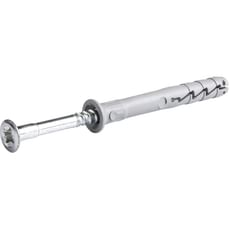
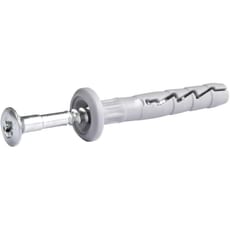
Rawl FX-N-L Nylon Hammer In Fixing with A2 Steel Countersunk Head Screw
in stock
 Loading...
End of content
Error - No more pages to load
About Hammer In Fixings
Hammer in fixings, also known as knock-in fixings or drive fixings, are fast-acting mechanical fasteners designed for quick and reliable installation into solid base materials such as concrete, brick, and blockwork. Unlike traditional fixings that require drilling a hole and then inserting a separate plug and screw, hammer in fixings combine both elements into a single component that's simply hammered into a pre-drilled hole, making them an efficient choice for high-volume fixing applications across construction and installation projects.
These versatile fixings are particularly valued on site work where speed and reliability are essential. The nylon body expands as the screw or nail is driven home, creating a secure mechanical lock within the base material. Tooled-Up.com stocks a comprehensive range of premium Rawlplug hammer in fixings, a trusted name in fixings and fasteners, available with various head styles including cylindrical heads, mushroom heads, and countersunk heads to suit different application requirements and aesthetic preferences.
Whether you're installing cable management systems, fixing battens, mounting window frames, or securing light fixtures, hammer in fixings provide a dependable solution that significantly reduces installation time compared to traditional fixing methods. The nylon construction offers excellent resistance to corrosion and is non-conductive, making these fixings ideal for electrical installations where earthing through the fixing must be avoided.
Jargon Buster
- Expansion Principle: The mechanism by which the nylon body of the fixing expands inside the drilled hole as the screw is driven in, creating a secure grip against the base material walls.
- Base Material: The substrate into which the fixing is installed, typically concrete, brick, stone, or dense blockwork. The base material's density affects holding capacity.
- Countersunk Head: A flat-topped screw head that sits flush with or below the surface of the material being fixed, providing a neat finish ideal for visible applications.
- Mushroom Head: A rounded, low-profile head design that sits proud of the surface, often used where a washer-like effect is needed or for temporary fixings requiring easy removal.
- Through Fixing: A fixing method where the component being mounted is held in place whilst the fixing is driven through it and into the base material, eliminating the need for separate marking and positioning.
- Minimum Edge Distance: The required distance from the edge of the base material to avoid breakout or reduced holding capacity, typically specified by the manufacturer for each fixing size.
Who Uses Hammer In Fixings?
Hammer in fixings are essential items in the toolkit of numerous trades and professionals:
- Electricians – for fixing cable trunking, conduit clips, back boxes, and cable management systems to masonry
- Carpenters and Joiners – securing timber battens, door frames, and window boards to solid walls
- Dry Liners and Plasterers – fixing metal furring channels and timber framework prior to plasterboard installation
- Plumbers and Heating Engineers – mounting pipe clips and brackets to walls for central heating and water supply pipes
- HVAC Installers – securing ducting supports and ventilation system components
- Shop Fitters – installing shelving systems, display units, and retail fixtures
- Facilities Maintenance Teams – general fixing and mounting work across commercial and industrial premises
- DIY Enthusiasts – home improvement projects requiring secure fixings into masonry
How to Choose the Right Hammer In Fixings
Selecting the appropriate hammer in fixing ensures optimal performance and longevity. Consider these key factors:
Base Material Type: Verify that hammer in fixings are suitable for your substrate. They perform best in solid concrete, brick, and dense blockwork. For lighter materials like aerated concrete blocks, specialist fixings may be more appropriate.
Load Requirements: Calculate the static and dynamic loads your fixing must support. Manufacturer specifications provide working loads for different base materials and embedment depths. Always include a safety factor for critical applications.
Head Style Selection: Choose cylindrical heads for general-purpose applications, mushroom heads where a wider bearing surface is beneficial, or countersunk heads where a flush finish is required for aesthetic or safety reasons.
Screw Material: Standard steel screws suit most internal applications, whilst A2 stainless steel versions offer superior corrosion resistance for damp environments or external use, though at a higher cost. Browse the selection at Tooled-Up.com to find the right specification for your project.
Fixing Length and Diameter: Select dimensions based on the thickness of the material you're fixing plus the required embedment depth into the base material. Typical embedment depths range from 30mm to 50mm depending on fixing size and load requirements.
Installation Environment: For electrical work, the non-conductive nylon body prevents earthing through the fixing. Consider temperature ranges too – nylon fixings typically perform well between -40°C and +80°C.
Quantity Requirements: Hammer in fixings are often sold in bulk packs, making them cost-effective for larger projects. Estimate your requirements carefully to benefit from better value on higher quantities.
Popular Accessories
Maximise efficiency and results with these complementary products:
- Masonry Drill Bits – quality carbide-tipped or SDS bits in the correct diameter for your chosen fixings
- Hammer Drills and SDS Drills – from brands like Makita, DeWalt, and Milwaukee for efficient hole preparation
- Blow Pumps or Dust Extractors – to clean drilled holes for optimal fixing performance
- Setting Tools and Pin Punches – for precise driving of fixings to the correct depth
- Tape Measures and Spirit Levels – for accurate marking and positioning
- Safety Goggles and Dust Masks – essential PPE for drilling into masonry
- Cable Clips and Trunking – commonly secured using hammer in fixings in electrical installations
Safety Information
PPE Requirements: Always wear appropriate safety goggles or face protection when drilling into masonry to protect against dust and debris. A dust mask or respirator rated for construction dust is essential, as prolonged exposure to masonry dust can cause respiratory issues. Follow HSE guidelines regarding exposure to respirable crystalline silica.
Hidden Services: Before drilling, use a cable and pipe detector to identify hidden electrical cables, water pipes, or gas lines. Drilling into live services can result in serious injury or death. Pay particular attention in areas near switches, sockets, and plumbing fixtures.
Installation Technique: Ensure the hole diameter matches the fixing specification – oversized holes reduce holding capacity whilst undersized holes prevent proper expansion. Drive fixings squarely to avoid bending or damage. Never reuse damaged fixings or those that have been removed.
Structural Considerations: Maintain adequate spacing between fixings and observe minimum edge distances to prevent material breakout. For critical structural applications, consult a structural engineer and follow building regulations.
Frequently Asked Questions
What size drill bit do I need for hammer in fixings?
The required drill bit diameter is specified by the manufacturer for each fixing size and must be followed precisely. For most nylon hammer in fixings, common drill diameters range from 6mm to 10mm. Using the correct size is critical – too large and the fixing won't grip properly; too small and you risk splitting the nylon body during installation.
Can hammer in fixings be used in hollow walls or plasterboard?
No, hammer in fixings are designed specifically for solid base materials like concrete, brick, and stone. For hollow walls and plasterboard, you'll need specialist cavity fixings such as spring toggles, metal cavity anchors, or plasterboard plugs that grip behind the board rather than relying on expansion within solid material.
What's the difference between nylon and metal hammer in fixings?
Nylon hammer in fixings offer excellent corrosion resistance, are non-conductive (ideal for electrical work), and are generally more cost-effective. Metal versions typically provide higher load capacities and better performance in high-temperature environments, but conduct electricity and may corrode in damp conditions unless made from stainless steel.
How deep should I drill the hole for a hammer in fixing?
The hole should be drilled approximately 5-10mm deeper than the embedment length of the fixing to allow space for dust and debris at the bottom of the hole. This ensures the fixing can be driven to its full depth and the expansion mechanism can work effectively. Always clean the hole thoroughly before inserting the fixing.
Can I remove and reuse hammer in fixings?
Whilst the screw component can sometimes be removed, the nylon body will have expanded to grip the hole and cannot be reused effectively. Once installed, hammer in fixings should be considered permanent. If you need to remove a fixing completely, the screw can be unscrewed and the nylon body carefully drilled out if necessary, then a fresh fixing installed.