

Hammer Wedges

Pay in 3 interest-free payments on purchases from £20-£3000 with  . Learn more.
 Loading...
End of content
Error - No more pages to load
About Hammer Wedges
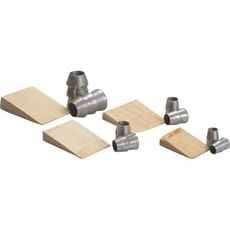
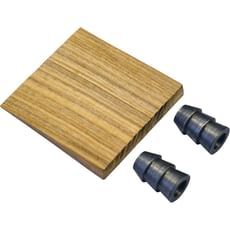
Hammer wedges are small but indispensable fixings that secure hammer heads to wooden handles, creating a safe and reliable connection essential for effective striking operations. These tapered components are driven into a slot (kerf) cut into the end of the handle where it passes through the hammer eye, expanding the wood to create a tight mechanical fit that prevents the head from loosening or detaching during use. Whether manufactured from hardened steel or durable hardwood, quality hammer wedges are designed to withstand the considerable forces generated during repeated striking work.
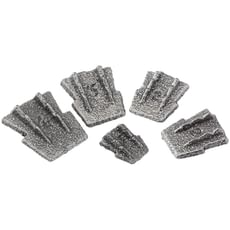
The selection at Tooled-Up.com includes individual hammer wedges in various sizes for specific repairs, alongside convenient assorted multi-piece sets from trusted manufacturers including Draper and Faithfull. These sets typically contain five or more wedges in graduated sizes, making them ideal for workshops and toolboxes where different hammer types require maintenance. Products range from compact wedges suited to light claw hammers through to robust sledgehammer wedges designed for heavy-duty striking tools used on construction sites and groundwork applications.
Proper wedging represents a fundamental maintenance skill for anyone who values their striking tools. Wooden handles naturally expand and contract with moisture content and temperature fluctuations, meaning periodic re-wedging is often necessary to maintain tool safety and performance throughout a hammer's working life. The cross-wedging technique—where a secondary wedge is inserted at right angles to the primary wedge—provides enhanced security by creating four-point expansion within the hammer eye, a method particularly recommended for tools subjected to demanding professional use.
Jargon Buster
- Cross Wedging
- The technique of installing a secondary wedge perpendicular to the primary wedge, creating superior four-point expansion of the handle within the hammer eye for maximum security.
- Hammer Eye
- The hole through the centre of a hammer head where the wooden handle (shaft) is fitted. The wedge expands the handle timber to completely fill this aperture.
- Kerf
- The slot or cut made lengthwise in the top of the hammer handle to receive the wedge. Proper kerf depth is critical—typically two-thirds to three-quarters of the eye depth to ensure adequate expansion without splitting the handle.
- Steel Wedge
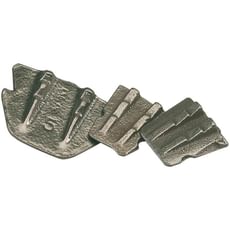
- A wedge manufactured from hardened steel with a tapered profile and serrated edges that bite into the wood fibres, providing maximum expansion force and grip strength.
- Timber Wedge
- Traditional wooden wedges, typically manufactured from hardwood species, which compress and expand the handle fibres. Often used in combination with steel wedges for optimal security.
- Handle Swell
- The expansion of the wooden handle caused by driving the wedge home, creating mechanical interference that locks the hammer head securely in position.
Who Uses Hammer Wedges?
Hammer wedges are essential maintenance items for a diverse range of trades and users:
- Carpenters and Joiners – maintaining claw hammers, framing hammers and specialist carpentry striking tools in safe working order
- General Builders – keeping site hammers, club hammers and lump hammers properly secured for demanding daily use
- Groundworkers and Landscapers – repairing sledgehammers and post mauls subjected to heavy-duty striking work
- Demolition Contractors – maintaining sledgehammers and breaking tools that endure particularly harsh treatment
- Agricultural Workers – repairing farm hammers, post drivers and fencing tools used in outdoor maintenance work
- Tool Restoration Enthusiasts – refurbishing vintage and antique hammers to safe working condition
- Workshop Managers – maintaining tool cribs and ensuring all striking tools meet safety standards
- DIY Enthusiasts – extending the service life of household hammers through proper maintenance and repair
How to Choose the Right Hammer Wedges
Wedge Size and Dimensions: Match the wedge size to your specific hammer type. Larger sledgehammers and post mauls require longer, wider wedges with substantial mass, whilst smaller finishing hammers and tack hammers need correspondingly smaller, more delicate wedges. The taper gradient is equally important—excessively sharp tapers risk splitting the handle, whilst insufficient taper won't generate adequate expansion.
Material Selection: Steel wedges provide maximum expansion force and are ideal for tools subjected to heavy professional use and repeated impact. Timber wedges offer more sympathetic expansion for delicate handles or when restoring vintage tools where preserving original wood is paramount. Many experienced tradespeople use both materials—a primary timber wedge driven along the grain followed by a steel cross wedge at right angles for superior security.
Assorted Sets vs Individual Wedges: Multi-piece assorted sets from manufacturers like Draper and Faithfull offer excellent value and versatility, typically containing five or more graduated sizes to suit different hammer types. These sets are ideal for workshops maintaining varied tool collections. Individual wedges work well when you know precisely what you need for a specific repair or replacement.
Quality and Manufacturing Standards: Trusted brands available from Tooled-Up manufacture wedges to consistent specifications with appropriate hardness characteristics. Inferior wedges may be too soft (bending rather than driving properly) or too brittle (snapping during installation), compromising the security of your repair.
Application Requirements: Consider whether you're performing new handle installation or re-wedging an existing repair. Fresh installations typically require full-size wedges, whilst maintenance re-wedging might need only supplementary wedges installed alongside existing ones to restore tightness.
Popular Accessories
- Replacement Hammer Handles – hickory, ash or fibreglass shafts in various lengths for complete hammer refurbishment
- Wood Rasps and Files – for shaping and fitting replacement handles to match hammer eye dimensions precisely
- Linseed Oil – for treating and protecting wooden handles before and after wedging operations
- Bench Vices – essential for securing hammers safely during handle replacement and wedging work
- Hand Saws – for cutting kerfs in replacement handles and trimming excess handle material flush
- Two-Part Epoxy Adhesives – can supplement mechanical wedging for additional security in demanding applications
- Pin Punches and Drifts – for driving out old damaged handles and positioning new wedges accurately
Safety Information
Properly wedged hammers are fundamental to workshop safety. A loose hammer head can detach during use, causing serious injury to the operator or nearby workers. Always inspect striking tools before use—a loose head produces a distinctive rattling sound when shaken. Re-wedge immediately if any movement is detected between head and handle.
When installing wedges, wear safety glasses as wood splinters and metal fragments can be ejected during driving operations. Ensure the hammer is securely held in a bench vice during wedging work. Drive wedges gradually with controlled strikes rather than heavy blows that might split the handle longitudinally.
The HSE emphasises that hand tools must be properly maintained in safe working order. Never use a hammer with a loose head, and never attempt to temporarily secure a loose head with tape, wire or makeshift methods. Proper wedging or complete handle replacement is the only acceptable repair approach.
After wedging, allow wooden handles 24-48 hours to settle before subjecting them to heavy use, as the wood fibres require time to compress and stabilise fully. Inspect the security again after initial use and add supplementary cross wedges if necessary.
Frequently Asked Questions
Can I reuse existing wedges when fitting a new hammer handle?
No, always use new wedges when installing replacement handles. Old wedges will already be compressed and deformed from previous use, providing inadequate expansion in fresh timber. New wedges ensure maximum grip and safety for your repaired tool.
Should I use steel or wooden wedges for my hammer?
For maximum security, use both materials. Install a wooden wedge first, driven along the wood grain direction, then add a steel wedge at right angles (cross wedging). This creates four-point expansion for superior grip. For light-duty household hammers, a single wooden wedge may suffice.
How deep should I cut the kerf in my hammer handle?
The kerf should extend approximately two-thirds to three-quarters through the depth of the hammer eye. Too shallow and the wedge won't create sufficient expansion; excessively deep and you risk splitting the handle completely through during wedge installation.
My hammer head has loosened—can I simply add another wedge?
If the existing wedge remains in place and intact, you can often add a supplementary wedge, particularly a cross wedge perpendicular to the original. However, if the head is very loose or the handle shows splitting, complete handle replacement represents the safer and more reliable solution.
Why do hammer heads loosen over time?
Wooden handles naturally lose moisture content over time, causing them to shrink slightly within the hammer eye. Additionally, the mechanical shock of repeated striking gradually compresses the wood fibres. Regular inspection and periodic re-wedging maintains security throughout the tool's working life.