

Hammertone Top Coat Paints
Pay in 3 interest-free payments on purchases from £30-2000 with  . Learn more.
 Loading...
End of content
Error - No more pages to load
About Hammertone Top Coat Paints
Hammertone top coat paints deliver a distinctive textured finish that combines robust metal protection with an attractive hammered aesthetic. These specialist coatings are engineered to provide long-lasting, weather-resistant protection for metal surfaces whilst creating the characteristic dimpled appearance that gives hammertone its name. The unique hammered effect offers a professional, industrial look that's particularly valued for metalwork, railings, gates, garden furniture, and architectural features where both durability and visual appeal are essential.
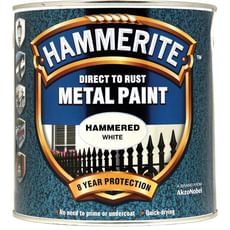
At the heart of this category is Hammerite, the trusted British brand that has been protecting metal for over 50 years. Their hammered finish metal paint represents genuine innovation in metal coatings, combining primer, undercoat, and topcoat in a single formulation. This all-in-one approach saves considerable time and labour costs on metal painting projects. The paint is specifically formulated to bond directly to most metal surfaces, including those with existing light rust, making it an ideal solution for renovation work and maintenance applications where extensive surface preparation isn't always practical or cost-effective.
Available in a range of classic colours including black, silver, and dark green, hammertone paints are suitable for both interior and exterior applications. The tough, resilient finish resists chipping, peeling, and fading, making these coatings particularly valuable for metalwork exposed to harsh British weather conditions or regular wear and tear. Whether you're protecting garden furniture, restoring vintage machinery, finishing new fabrication work, or maintaining industrial equipment, hammertone top coat paints deliver reliable protection combined with distinctive visual character that stands the test of time.
Jargon Buster
- Hammered Finish: A textured paint effect that creates a distinctive dimpled or hammered appearance on the surface. This finish helps disguise minor imperfections, surface scratches, and irregularities whilst providing excellent durability and an attractive, professional appearance.
- Direct-to-Metal Paint: A formulation that can be applied directly onto metal surfaces without requiring a separate primer or undercoat. These all-in-one products significantly reduce preparation time, simplify the painting process, and eliminate the need for multiple product purchases.
- Rust Converter: Chemical compounds within the paint that react with existing rust to neutralise it and prevent further corrosion. This innovative technology allows painting over lightly rusted surfaces without extensive wire brushing, sanding, or chemical rust removal.
- Coverage Rate: Measured in square metres per litre (m²/L), this indicates how much surface area a given quantity of paint will cover. Typical coverage varies depending on surface porosity, texture, and application method, with porous or rough surfaces generally requiring more paint.
- Touch-Dry Time: The period required before the paint surface is dry enough to touch without leaving marks or fingerprints. Full curing, when the paint reaches maximum hardness and durability, typically takes considerably longer—usually 24-48 hours.
- Recoat Time: The minimum waiting period required between applying successive coats of paint. Applying additional coats too soon can result in wrinkling or lifting, whilst waiting too long may require light abrasion to ensure proper adhesion.
Who Uses Hammertone Top Coat Paints?
Hammertone top coat paints are popular across a diverse range of trades, industries, and applications:
- Metal Fabricators and Welders: For finishing gates, railings, balustrades, and structural metalwork with a professional, durable coating that complements fabricated work
- Maintenance Engineers: Protecting and restoring industrial machinery, equipment housings, metal frameworks, and production equipment in manufacturing environments
- Landscape Gardeners: Finishing garden furniture, planters, decorative metalwork, outdoor features, and architectural elements exposed to weather
- Property Maintenance Professionals: Renovating and protecting metal fixtures, railings, fire escapes, and architectural metalwork on commercial and residential properties
- Vehicle Restorers: Applying authentic period finishes to classic car chassis components, tool boxes, vintage machinery, and automotive accessories
- DIY Enthusiasts: Home improvement projects including garden gates, shed fixtures, radiators, furniture restoration, and decorative metalwork
- Shopfitters and Retail Contractors: Creating industrial-style finishes for retail displays, fixtures, fittings, and point-of-sale units
- Agricultural Contractors: Protecting farm equipment, gates, metal structures, and machinery from corrosion in demanding outdoor environments
- Sign Makers: Finishing metal signage, posts, and mounting brackets with a durable, weather-resistant coating
How to Choose the Right Hammertone Top Coat Paints
Application Location: Determine whether your metalwork is for interior or exterior use. Whilst most hammertone paints from brands like Hammerite are suitable for both environments, exterior applications particularly benefit from products with enhanced weather resistance and UV protection to prevent fading and degradation under harsh British weather conditions.
Surface Condition: Assess the current state of the metal surface carefully. Direct-to-metal formulations available at Tooled-Up.com can be applied over lightly rusted surfaces, but heavily corroded, flaking paint, or thick rust should be removed first with a wire brush or abrasive pad. Clean, sound surfaces provide the best adhesion and longest-lasting results.
Colour Selection: Choose colours that complement your project and surrounding environment. Traditional options include black, silver, dark green, and blue, which suit most applications. Consider how the colour will appear with the hammered texture, as the finish creates shadows and depth that can affect the final appearance compared to smooth finishes.
Coverage Requirements: Calculate the surface area you need to cover and check the manufacturer's stated coverage rate on the product label. Remember that porous, rough, or previously unpainted surfaces may require more paint than smooth, pre-painted metal. Applying multiple coats—typically two for optimal results—will reduce the coverage per tin.
Application Method: Hammertone paints can typically be applied by brush, roller, or spray equipment. Brushing is most common for smaller projects and creates the most pronounced hammered texture. Roller application covers larger flat surfaces more quickly, whilst spray application suits complex shapes but may require thinning. Ensure your chosen application method matches the paint's formulation for optimal results.
Drying Times: Review touch-dry and recoating times, particularly important for commercial projects with tight deadlines or site work where weather windows are limited. Temperature and humidity significantly affect drying, so plan accordingly for site conditions. Cold, damp British weather can extend drying times considerably.
Popular Accessories
To achieve the best results with hammertone top coat paints, consider these complementary products available from Tooled-Up:
- Wire Brushes and Abrasive Pads: Essential for surface preparation, removing loose rust, flaking paint, and contaminants before application
- Metal Primer: For heavily corroded surfaces, galvanised metal, or previously untreated metals requiring additional preparation and protection
- Quality Paint Brushes: Natural or synthetic bristle brushes suitable for solvent-based paints, typically 50-75mm width for general work
- Paint Rollers and Trays: For covering larger flat surfaces more quickly whilst maintaining the characteristic hammertone texture
- White Spirit: For thinning paint if required for spray application and cleaning brushes and equipment after use
- Masking Tape and Sheet: Protecting adjacent surfaces and ensuring clean, professional edges around metalwork
- Dust Sheets and Drop Cloths: Essential for protecting surrounding areas from paint splashes and spills during application
- Personal Protective Equipment: Gloves, safety glasses, and respiratory protection appropriate for solvent-based paints—brands like Portwest offer suitable options
- Paint Stirrers: Ensuring thorough mixing before application for consistent colour, texture, and hammered effect
- Storage Solutions: Stanley FatMax, DeWalt TSTAK, or Milwaukee PACKOUT organisers for keeping painting equipment organised on site or in the workshop
Safety Information
Ventilation: Always work in well-ventilated areas, particularly when using solvent-based formulations indoors. Adequate air circulation prevents the build-up of potentially harmful fumes and accelerates drying times. Open windows and doors or use extraction equipment in confined spaces.
Personal Protective Equipment: Wear appropriate PPE including chemical-resistant gloves, safety glasses, and respiratory protection when spraying or working in confined spaces. Portwest and other professional brands offer suitable protective equipment for painting applications.
COSHH Compliance: Familiarise yourself with the product's safety data sheet and follow Control of Substances Hazardous to Health regulations. Commercial users and contractors should conduct appropriate risk assessments before commencing work and ensure proper site safety measures are in place.
Fire Safety: Solvent-based paints are flammable and should be kept away from naked flames, sparks, heat sources, and electrical equipment. Store in cool, dry conditions away from potential ignition sources and ensure adequate fire extinguisher provision on site. Never smoke whilst using these products.
Skin Contact: Avoid prolonged skin contact with paint. If contact occurs, wash immediately with soap and water. Do not use solvents or thinners to clean skin as this can increase absorption of harmful substances through the skin.
Disposal: Dispose of paint waste, contaminated materials, and empty containers in accordance with local authority regulations and environmental guidelines. Never pour paint or solvents down drains or into watercourses. Many local councils provide hazardous waste collection services for paint products.
Frequently Asked Questions
Can I apply hammertone paint directly over rust?
Yes, Hammerite hammered finish paint is specifically formulated to be applied directly onto lightly rusted metal surfaces without requiring complete rust removal. However, you should remove any loose rust, flaking paint, or heavy corrosion with a wire brush first. For best results and maximum longevity, the surface should be clean, dry, and free from oil, grease, dirt, and loose material before application.
How long does hammertone paint take to dry?
Touch-dry times are typically 2-4 hours under normal conditions (around 20°C with moderate humidity), but full curing takes considerably longer—usually 24-48 hours before the surface can withstand regular use or mechanical stress. Recoating can generally be done after 4 hours. Remember that cooler temperatures and high humidity, common in British weather, will extend drying times significantly, sometimes doubling the stated times.
What's the difference between hammertone and smooth metal paint?
Hammertone paint creates a distinctive textured, dimpled finish that resembles hammered metal, whilst smooth finishes provide a flat, glossy or satin appearance. The hammered effect is excellent for disguising minor surface imperfections, dents, and scratches, providing a more forgiving finish that shows fewer application marks or brush strokes. It's particularly popular for industrial, heritage, and garden applications where character and durability are valued.
How many coats of hammertone paint do I need?
Most applications require two coats for optimal coverage, protection, and durability. The first coat provides the base protection and initial texture, whilst the second coat enhances the colour depth, uniformity, and hammered effect. On porous, rough, or previously unpainted surfaces, you may need a third coat to achieve uniform coverage and colour consistency across the entire surface.
Can hammertone paint be used on surfaces other than metal?
Whilst specifically formulated for metal surfaces and optimised for adhesion to ferrous and non-ferrous metals, hammertone paint can adhere to other properly prepared surfaces including wood, MDF, and some rigid plastics. However, you'll achieve the best results, durability, and rust protection when used on metal as intended. For non-metal surfaces, consider whether alternative paint formulations might be more appropriate for your specific application and provide better long-term performance.