
Hand Brushes

Pay in 3 interest-free payments on purchases from £20-£3000 with  . Learn more.
Loading...
End of content
Error - No more pages to load
About Hand Brushes
Hand brushes are indispensable tools for cleaning, scrubbing, and surface preparation across professional trades and demanding DIY projects. From removing stubborn rust and paint to applying tar and adhesives, these versatile implements tackle countless applications on construction sites, in workshops, marine environments, and around the home. The range available from Tooled-Up.com includes traditional bassine and coco hand brushes, heavy-duty wire brushes in both steel and stainless steel variants, specialist tar brushes, deck scrubs, and modern PVC bristle options from trusted manufacturers including Faithfull, Draper, Sealey, Roughneck, and Stanley.
Choosing the appropriate hand brush makes a significant difference when preparing surfaces for painting, cleaning decking and patios, scrubbing machinery components, or maintaining equipment. Different bristle materials suit specific tasks: stiff bassine excels at robust outdoor cleaning on concrete and masonry; soft coco provides gentler action for indoor surfaces; stainless steel wire removes rust without contaminating sensitive metals; whilst nylon and PVC bristles resist chemicals and moisture. Available with short handles for precise close-up scrubbing or long handles for reaching floors and awkward areas whilst maintaining proper posture, hand brushes remain essential equipment in any professional toolkit.
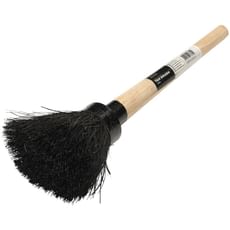
Whether you're a decorator preparing walls, a groundworker cleaning tools at shift end, a marine engineer maintaining deck surfaces, or a homeowner tackling garden maintenance, the selection at Tooled-Up includes purpose-built designs for every application. Specialist options like churn brushes for cleaning containers and pipes, wide deck scrubs for large surface areas, and compact mini wire brush sets ensure you have the correct tool for each cleaning and preparation challenge.
Jargon Buster
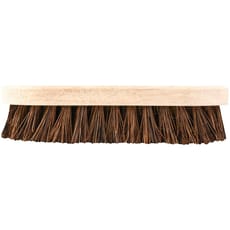
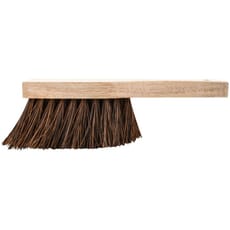
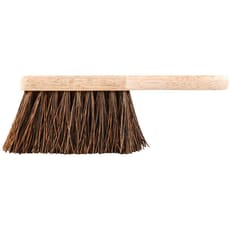
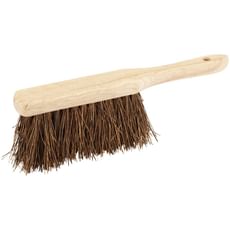
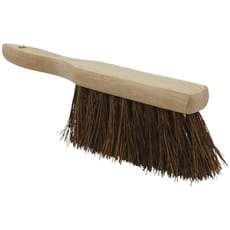
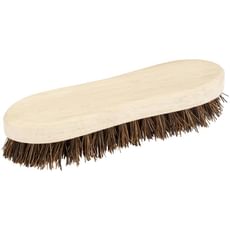
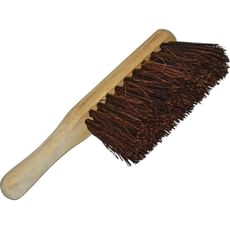
- Bassine Bristles: Natural plant fibres derived from the piassava palm, ideal for stiff outdoor brushing and heavy-duty scrubbing on concrete, brickwork, and exterior surfaces. Sometimes called piassava or palmyra, these robust bristles withstand rigorous site work.
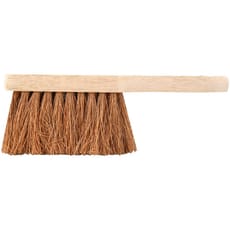
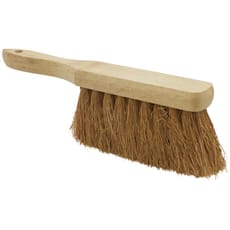
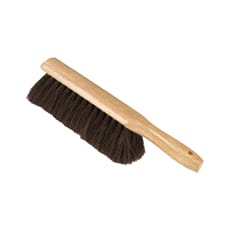
- Coco Bristles: Natural coconut husk fibres providing softer, more flexible bristles suitable for indoor cleaning and gentler scrubbing applications where surface scratching must be avoided. Excellent for finished woodwork and delicate surfaces.
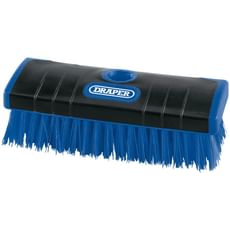
- PVC Bristles: Synthetic plastic bristles offering excellent chemical resistance and durability. Available in various stiffness grades, ideal for working with cleaning chemicals, acids, and solvents without bristle degradation.
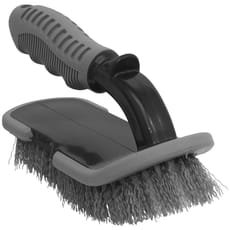
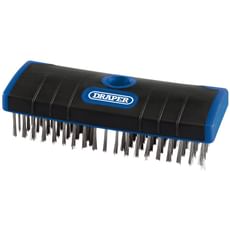
- Wire Bristles: Metal bristles, typically steel or stainless steel, designed for removing rust, paint, scale, and corrosion from metal surfaces. Stainless steel versions prevent rust contamination on aluminium and stainless materials.
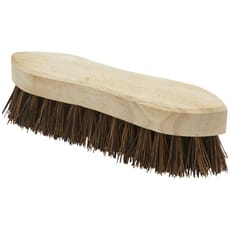
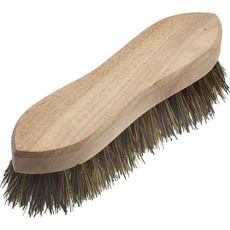
- Deck Scrub: A heavy-duty hand brush featuring a wide head (typically 200-300mm) and robust bristles, specifically designed for scrubbing large flat surfaces including decking, patios, workshop floors, and driveways.
- Churn Brush: A specialist cylindrical or round brush designed for cleaning containers, pipes, and hard-to-reach curved surfaces where standard flat brushes cannot reach effectively. Essential for thorough equipment maintenance.
Who Uses Hand Brushes?
Hand brushes are used daily across numerous trades and industries:
- Painters and Decorators: Surface preparation, removing loose paint and wallpaper, cleaning walls before decoration, and applying size or adhesives
- Builders and Bricklayers: Cleaning tools, removing mortar splashes, preparing surfaces, and general site tidying and maintenance
- Groundworkers and Landscapers: Cleaning decking, patios, paving, outdoor furniture, and removing algae from exterior surfaces
- Mechanics and Engineers: Removing rust, cleaning parts, degreasing components, wire brushing welds, and workshop maintenance
- Fabricators and Welders: Wire brushing welds, removing scale and spatter, surface finishing, and preparing metal for coating
- Facilities Managers and Cleaners: Industrial cleaning, maintaining commercial premises, equipment hygiene, and general facility upkeep
- Marine Professionals: Deck maintenance, hull cleaning, removing marine growth, and general boat care and preservation
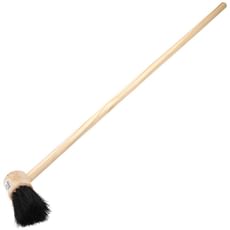
- Roofing Contractors: Applying tar and bitumen products, cleaning surfaces, and preparing substrates for waterproofing applications
- DIY Enthusiasts: Home improvement projects, garden maintenance, restoration work, vehicle cleaning, and household cleaning tasks
How to Choose the Right Hand Brushes
Bristle Material: Match the bristle type to your specific application. Use stiff bassine for heavy outdoor scrubbing on concrete, brick, and masonry surfaces. Choose soft coco for delicate indoor surfaces where scratching must be avoided. Select PVC or nylon when working with cleaning chemicals, solvents, or in persistently wet conditions. Wire bristles suit rust removal and metal preparation, with stainless steel options essential for aluminium and stainless steel to prevent contamination and rust transfer.
Handle Length: Short-handled brushes provide superior control for close-up work, detailed cleaning, and scrubbing in confined spaces or on vertical surfaces. Long-handled versions reduce back strain significantly when cleaning floors, decking, or large horizontal areas, allowing you to work whilst standing upright and maintaining proper posture throughout extended cleaning sessions.
Brush Size and Shape: Wide deck scrubs (200-300mm heads) cover large areas quickly and efficiently. Narrow hand brushes reach into corners, joints, and tight spaces. Specialist shapes like churn brushes tackle specific applications that standard flat brushes cannot access effectively, such as pipes, containers, and curved surfaces.
Application Environment: Consider whether you need the brush for indoor or outdoor use, wet or dry conditions, and potential exposure to chemicals or extreme temperatures. PVC and synthetic options withstand moisture and chemicals better than natural fibres, whilst bassine excels in outdoor scrubbing applications and maintains stiffness when wet.
Durability Requirements: Professional tradespeople requiring daily site use should invest in quality brands like Faithfull, Draper, or Sealey that offer robust construction, securely fixed bristles, and reinforced handles. Budget options suit occasional DIY use, whilst premium brushes withstand the rigours of commercial and industrial environments.
Popular Accessories
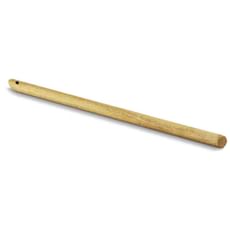
- Extension poles and broom handles for converting short-handled brushes to long-reach cleaning tools
- Dustpans and shovels for collecting debris after scrubbing and sweeping operations
- Scraper tools and paint strippers for complementary preparation work before or after brushing
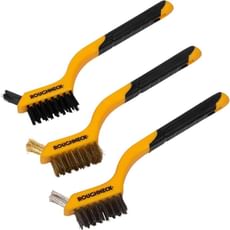
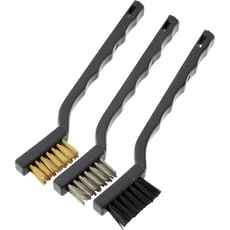
- Wire brush sets with multiple profiles (flat, curved, narrow) for accessing different surface types
- Protective gloves suitable for working with chemical cleaners, wire brushes, and abrasive surfaces
- Buckets and appropriate cleaning solutions matched to your surface type and cleaning requirements
- Kneeling pads for comfortable floor-level scrubbing during extended cleaning sessions
- Storage hooks and tool organisers to protect bristles and maintain brush shape when not in use
Safety Information
Personal Protective Equipment: Always wear appropriate gloves when scrubbing with chemicals or using wire brushes to prevent skin irritation, chemical burns, and metal splinters. Safety glasses protect eyes from flying debris, particularly when wire brushing rust, removing loose paint, or working with chemical cleaners. Dust masks conforming to HSE guidance may be necessary when creating airborne particles during dry brushing of dusty surfaces or when working with chemical cleaning agents.
Wire Brush Precautions: Wire bristles can break off during vigorous use and become dangerous projectiles. Always brush away from your body and others working nearby. Inspect wire brushes before each use for loose, bent, or damaged bristles. Replace worn brushes immediately where bristles have become detached or significantly bent to prevent injury from flying metal fragments.
Chemical Compatibility: When using hand brushes with cleaning chemicals, verify the bristle material is compatible with your chosen product. Consult COSHH data sheets for proper chemical handling guidance and ensure adequate ventilation when working with strong solvents, acids, or cleaning agents indoors. Never mix different cleaning chemicals, as dangerous reactions may occur.
Ergonomics and Manual Handling: Use long-handled brushes for floor-level work to reduce back strain and maintain neutral spine position. Take regular breaks during repetitive scrubbing to prevent repetitive strain injuries to wrists, arms, and shoulders. Maintain good posture throughout, avoid overreaching, and use body weight rather than arm strength for pressure when scrubbing stubborn areas.
Frequently Asked Questions
What's the difference between bassine and coco bristles?
Bassine bristles are considerably stiffer and more aggressive, making them ideal for heavy-duty outdoor cleaning on concrete, brick, paving, and masonry where robust scrubbing action is required. Coco bristles are softer and more flexible, better suited for indoor cleaning, finished surfaces, and applications where scratching or surface damage must be avoided. Bassine handles tougher jobs and maintains stiffness when wet, whilst coco provides gentler cleaning action on delicate materials.
Can I use wire hand brushes on all metal surfaces?
Standard steel wire brushes work excellently on iron and mild steel but can contaminate stainless steel and aluminium, causing unsightly rust spots and corrosion. For these sensitive materials, always use dedicated stainless steel wire brushes to prevent cross-contamination. Match your wire brush material to the workpiece material for best results and to avoid expensive damage to finished components.
How do I clean and maintain hand brushes properly?
After use, remove trapped debris by tapping the brush firmly on a hard surface or using a wire comb to clear bristles. Rinse natural fibre brushes with clean water and hang to dry with bristles facing downward to prevent water pooling in the stock. For brushes used with chemicals, rinse thoroughly according to the chemical manufacturer's guidance before storing. Store brushes hanging or with bristles upward to maintain their original shape and prevent permanent distortion.
Are PVC brushes better than natural bristle brushes?
Each type has distinct advantages depending on your specific application. PVC brushes resist chemicals excellently, don't absorb water, and last considerably longer in wet conditions, making them ideal for industrial cleaning and marine environments. Natural bristle brushes like bassine and coco often provide superior scrubbing action and are preferred for traditional applications requiring natural stiffness. Many professionals maintain both types for different tasks rather than relying on a single option.
What size hand brush do I need for cleaning decking?
For decking maintenance, a deck scrub with a head width of 200-300mm provides the optimal balance between coverage speed and manoeuvrability between deck boards. Pair with a long handle or extension pole to clean whilst standing upright, significantly reducing back strain during extended cleaning sessions. Stiff bassine or PVC bristles work best for removing algae, moss, and ingrained dirt from textured decking surfaces without damaging the timber.