

Hand Drills

Pay in 3 interest-free payments on purchases from £20-£3000 with  . Learn more.
 Loading...
End of content
Error - No more pages to load
About Hand Drills
Hand drills remain indispensable tools for tradespeople and DIY enthusiasts who value precision, control, and reliability without dependence on electricity or batteries. These manually-operated drilling tools utilise a hand crank mechanism to rotate the drill bit, making them ideal for delicate work, remote locations, or situations where power tools would be impractical or excessive. Whether you're working with wood, soft metals, or plastics, a quality hand drill offers unmatched sensitivity and control that even the finest cordless drills cannot replicate.
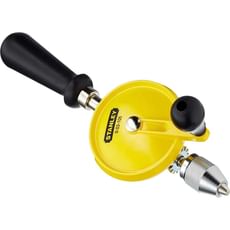
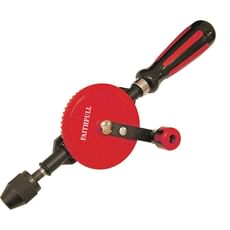
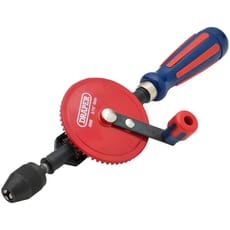
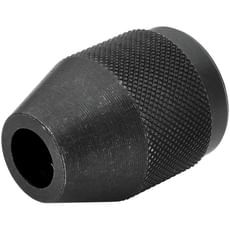
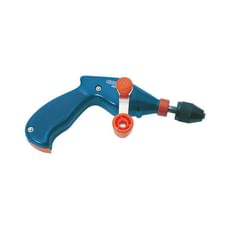
The hand drill selection at Tooled-Up.com includes both double pinion and pistol grip designs from trusted manufacturers including Draper, Faithfull, and Stanley. Double pinion hand drills feature two gears for smoother operation and greater torque, whilst pistol grip models offer enhanced ergonomics for extended use. Replacement chucks and accessories are also available to keep your hand drills operating at peak performance for years to come.
Despite the prevalence of modern power tools from brands like Makita, DeWalt, and Milwaukee, hand drills continue to serve vital roles in workshops, on-site, and in restoration projects where traditional methods and careful control are paramount. They require no maintenance beyond occasional lubrication, never need charging, and will reliably perform in any weather conditions or environment.
Jargon Buster
- Chuck
- The adjustable clamp at the front of the drill that holds the drill bit securely. Most hand drills feature a three-jaw chuck that can accommodate various bit sizes, typically up to 8mm or 10mm diameter.
- Double Pinion
- A gear mechanism featuring two pinion gears that engage with the main drive wheel, providing smoother rotation, reduced wobble, and increased drilling power compared to single pinion designs.
- Drive Handle
- The rotating crank handle used to turn the drill mechanism. Better quality models feature a comfortable grip and ergonomic design to reduce hand fatigue during extended use.
- Side Handle
- The secondary handle (often mushroom-shaped) that you grip whilst turning the drive handle. This stabilises the drill and allows you to apply controlled forward pressure.
- Gear Ratio
- The relationship between handle rotation and chuck rotation. A higher gear ratio means more turns of the handle per drill bit rotation, providing greater torque for tougher materials.
- Breast Plate
- A curved metal plate at the rear of some hand drill designs that allows you to lean into the drill for additional pressure, particularly useful when drilling harder materials.
Who Uses Hand Drills?
- Cabinetmakers and fine woodworkers who require precise control for delicate joinery and pilot holes
- Antique furniture restorers working with period pieces where power tools would be inappropriate or damaging
- Model makers and craftspeople creating detailed work requiring sensitive, gradual drilling
- Marine engineers and boat builders working in confined spaces or environments where power tools are impractical
- Electricians and sparkies needing to drill pilot holes in awkward positions where cordless drills won't fit
- Luthiers and musical instrument makers who demand absolute precision and control
- Heritage building specialists and conservation professionals working on listed buildings and historical structures
- DIY enthusiasts appreciating traditional methods and sustainable, non-electric tools
- Off-grid workers and field engineers operating in remote locations without power access
How to Choose the Right Hand Drills
Gear Mechanism: Double pinion hand drills offer superior performance with smoother operation and less wobble compared to single pinion models. The dual gear system distributes forces more evenly, resulting in straighter holes and reduced user fatigue. For regular use, invest in a double pinion model from reputable brands like Draper, Faithfull, or Stanley.
Chuck Capacity: Consider the maximum drill bit diameter you'll need. Most hand drills accommodate bits up to 8mm or 10mm, which covers the vast majority of applications. Ensure the chuck is self-centring with smooth jaws that grip bits securely without slippage.
Build Quality: Look for cast metal construction rather than pressed components. Quality hand drills feature precision-machined gears, smooth bearings, and robust housings that will last decades with proper care. Check that handles are securely attached and rotate without excessive play or resistance.
Handle Design: Ergonomic handles significantly reduce fatigue during extended use. Pistol grip designs offer excellent control for detailed work, whilst traditional side-handle models provide stability for larger drilling tasks. Some models include wooden handles for improved comfort and grip.
Application Requirements: Match the drill to your typical materials and hole sizes. Heavier-duty models with larger gear wheels provide more torque for harder woods and metals, whilst lighter designs excel at delicate work in softer materials.
Replacement Parts Availability: Consider whether replacement chucks and other components are readily available. Established brands like Stanley and Draper maintain parts support for their hand drill ranges, ensuring long-term serviceability.
Popular Accessories
- Replacement chucks for worn or damaged drill chucks, ensuring continued reliable operation
- High-quality drill bit sets from brands like Bosch, Irwin, and DeWalt for various materials
- Brad point bits for accurate centring and clean holes in woodworking applications
- Countersink bits for creating recessed screw holes in cabinetry and joinery
- Centre punches for marking precise drilling locations and preventing bit wander
- Lubricating oil for maintaining smooth gear operation and preventing rust
- Drill bit sharpening tools to maintain cutting performance and extend bit life
- Workbench vices from brands like Stanley and Irwin for securing workpieces during drilling
- Tool rolls and storage cases for protecting hand drills during transport and storage
Safety Information
Whilst hand drills are generally safer than powered alternatives, proper safety practices remain important. Always secure your workpiece firmly in a vice or clamp before drilling to prevent slippage. Wear appropriate safety glasses to protect against metal or wood particles, particularly when drilling overhead or at awkward angles.
Ensure drill bits are sharp and properly secured in the chuck before use. Dull bits require excessive force and can slip unexpectedly. When drilling metals, use appropriate cutting fluid to prevent overheating and bit breakage. Always rotate the drive handle smoothly and steadily—jerky movements can cause bits to bind or snap.
Keep your free hand well clear of the drill bit path and be particularly cautious when the bit is about to break through the workpiece, as this is when slippage most commonly occurs. Regularly inspect your hand drill for worn gears, loose components, or damaged handles, addressing any issues before they compromise safety or performance.
Frequently Asked Questions
Can hand drills be used for drilling metal as well as wood?
Yes, quality hand drills can effectively drill soft metals such as aluminium, brass, and thin steel, as well as wood and plastics. Use appropriate metal-cutting drill bits and apply cutting fluid to reduce friction and heat. The controlled speed of hand drilling actually offers advantages when working with metals, preventing overheating and bit damage that can occur with power drills.
How do I maintain my hand drill to ensure long-term performance?
Periodically apply light machine oil to the gears and moving parts, wiping away any excess. Keep the chuck clean and occasionally apply a drop of oil to the chuck mechanism. Store your hand drill in a dry location to prevent rust, and avoid dropping or striking the tool as this can damage the precision gears. With minimal maintenance, a quality hand drill from brands like Stanley or Draper can provide decades of reliable service.
What's the advantage of a hand drill over a cordless drill for certain tasks?
Hand drills offer unmatched sensitivity and control, allowing you to feel exactly what's happening at the bit tip—essential for delicate work, pilot holes in hardwoods, or drilling into brittle materials that might crack under power drill torque. They're also invaluable in confined spaces, eliminate concerns about battery charge, and cost nothing to operate. Many experienced craftspeople keep a hand drill alongside their Makita or DeWalt cordless drills for situations requiring absolute precision.
Are hand drills still relevant with modern power tools available?
Absolutely. Professional restorers, luthiers, and fine woodworkers routinely choose hand drills for tasks requiring precision and sensitivity that power tools cannot provide. They're essential for conservation work on historic buildings where traditional methods are required, indispensable in remote locations without power access, and preferred by many craftspeople for the superior control they offer on delicate materials.
What size chuck capacity do I need for general workshop use?
A hand drill with an 8mm or 10mm chuck capacity covers the vast majority of applications for both tradespeople and DIY users. This accommodates standard twist drills, brad point bits, and countersinks suitable for woodworking, metalworking, and general drilling tasks. Larger capacity chucks are rarely necessary and typically make the drill heavier and more cumbersome to use.