

Hand Forks & Trowels
Pay in 3 interest-free payments on purchases from £30-2000 with  . Learn more.
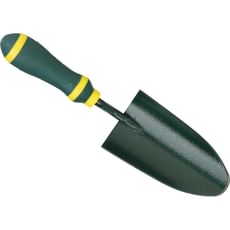
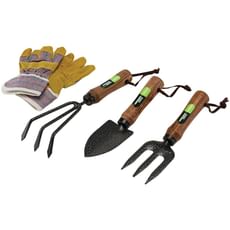
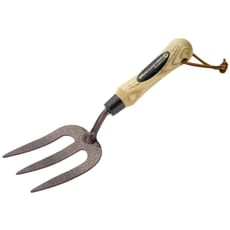
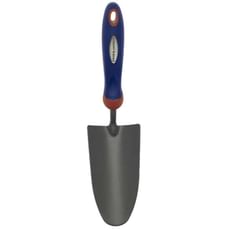
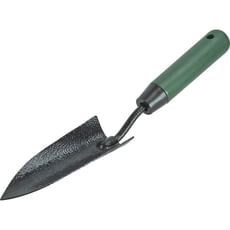
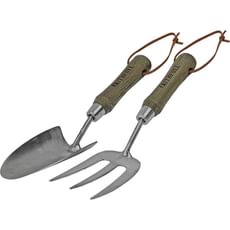
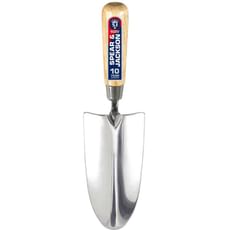
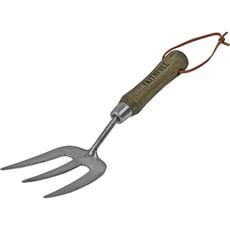

 Loading...
End of content
Error - No more pages to load
About Hand Forks & Trowels
Hand forks and trowels represent the most fundamental and frequently used tools in any gardener's arsenal, whether you're a professional landscape contractor maintaining extensive grounds or a keen DIY enthusiast tending raised beds and borders. These compact, hand-held implements provide the precision and control that larger long-handled tools simply cannot match, making them indispensable for planting bulbs and bedding plants, transplanting seedlings, weeding around delicate specimens, and cultivating soil in confined spaces. From traditional forged steel designs with ash handles to modern stainless steel models featuring ergonomic soft-grip construction, the variety available ensures there's an ideal solution for every soil type, gardening task and user preference.
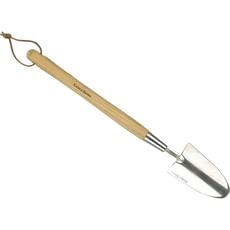
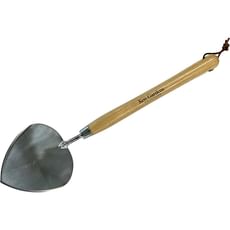
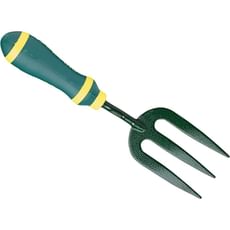
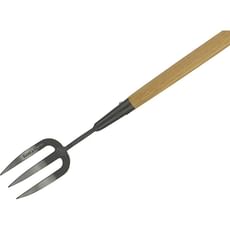
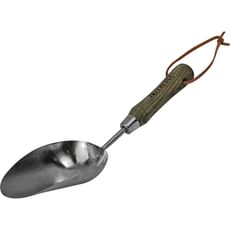
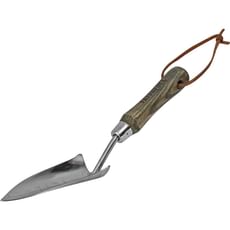
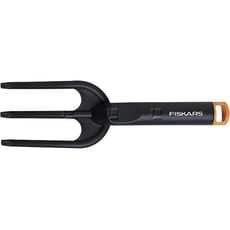
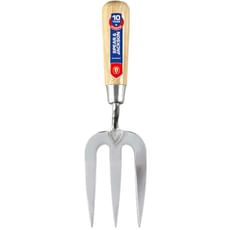
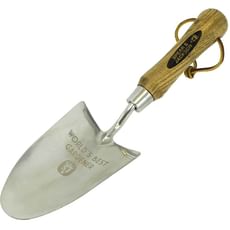
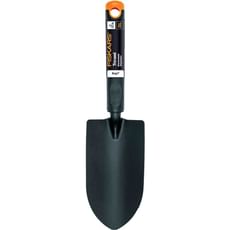
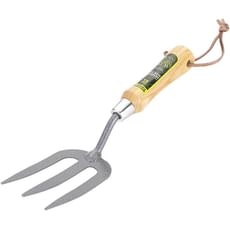
The hand forks and trowels available at Tooled-Up.com encompass several specialised subcategories, each designed for specific gardening applications. Garden hand forks feature multiple tines perfect for aerating compacted soil, lifting small plants without damaging roots, and extracting weeds complete with their root systems. Garden hand trowels offer scooped blades ideal for digging planting holes, moving soil and compost, and general cultivation work. Hand trowel sets provide coordinated collections covering multiple tasks, whilst transplanting trowels feature narrower blades specifically engineered for working between established plants. Soil scoops excel at transferring larger volumes of compost, aggregate or mulch, and specialist weed forks incorporate forked or notched designs that grip persistent deep-rooted weeds for complete removal.
Quality construction materials define the performance and longevity of these essential tools. Premium stainless steel options from brands like Fiskars, Spear & Jackson and Bahco resist corrosion in the UK's damp climate whilst offering effortless soil penetration and easy cleaning. Carbon steel alternatives provide exceptional strength and durability for heavy clay soils, though they require more maintenance. Modern ergonomic handle designs incorporating soft-touch polymers and contoured grips significantly reduce hand fatigue during extended use, whilst traditional wooden handles continue to appeal for their natural comfort and tactile qualities. Whether you're potting seedlings in a nursery, maintaining municipal flower beds, or creating a cottage garden, selecting the appropriate hand fork or trowel dramatically improves both efficiency and user comfort.
Jargon Buster
- Tang Construction
- The portion of the metal blade that extends into the handle assembly. Full tang construction, where metal runs the entire handle length, provides superior strength and prevents handle separation under stress—particularly important when working heavy clay soils. Partial tang designs are lighter but less durable.
- Mirror-Polished Finish
- A highly polished stainless steel surface that not only prevents rust but also reduces soil adhesion, allowing the blade to slice through earth with minimal resistance. This finish makes cleaning considerably easier after use and extends working life.
- Tine Spacing
- The distance between individual prongs on a hand fork, typically ranging from 15mm to 25mm. Wider spacing works better for breaking up soil clumps and aerating compacted ground, whilst closer tines excel at sifting out small weed roots and stones from finer soil.
- Transplanting Width
- The measurement across a trowel blade at its widest point. Narrow blades (25-40mm) minimise root disturbance when moving established plants, whilst standard widths (60-75mm) provide greater soil capacity for general digging and planting operations.
- Epoxy Coating
- A protective polymer layer applied to carbon steel tool heads that prevents oxidation and reduces soil adhesion. This non-stick surface simplifies cleaning and proves particularly valuable in the consistently damp conditions typical of UK gardening throughout the year.
- Ergonomic Grip Design
- Handle profiles engineered to follow natural hand contours, often incorporating soft-touch materials or shaped sections that reduce pressure points. These designs significantly decrease hand fatigue and prove especially beneficial for users with arthritis or reduced grip strength.
Who Uses Hand Forks & Trowels?
Hand forks and trowels serve an extensive range of users across professional and domestic applications:
- Professional Gardeners and Groundskeepers: Daily maintenance of borders, beds and landscaped areas across estates, parks, sports grounds and commercial premises
- Landscape Contractors: Essential for implementing planting schemes, establishing new beds, turf repairs and finishing work on installation projects
- Nursery and Horticultural Workers: Constant use for potting on, pricking out seedlings, container plant maintenance and preparing stock for sale
- Allotment Holders: Regular cultivation, seasonal planting, harvesting and general plot maintenance throughout the growing year
- Garden Centre Staff: Demonstrating plants to customers, repotting retail stock and providing practical planting advice
- Property Maintenance Teams: Garden upkeep as part of facilities management for residential developments, offices and public buildings
- Care Home and Therapeutic Gardens: Gentle gardening activities for residents, with ergonomic tools supporting those with limited mobility or dexterity
- Garden Designers: Hands-on planting work during installation phases and fine-tuning plant arrangements to achieve design intent
- Domestic Gardeners and DIY Enthusiasts: Weekend gardening, seasonal planting programmes and ongoing maintenance of flower beds, vegetable patches and containers
How to Choose the Right Hand Forks & Trowels
Material and Construction Quality
Stainless steel heads offer outstanding corrosion resistance and clean effortlessly—ideal for the UK's wet climate and perfect for gardeners who prioritise convenience. Carbon steel tools provide exceptional strength and can be sharpened to maintain keen edges, though they demand regular cleaning and light oiling to prevent rust. Look for one-piece forged construction or securely welded tangs rather than riveted joints that can work loose. The Tooled-Up range includes premium brands like Bahco, Spear & Jackson and Faithfull, all renowned for superior metallurgy and manufacturing standards.
Handle Ergonomics and Comfort
Since hand tools require sustained grip pressure, handle design significantly impacts user comfort during extended sessions. Soft-touch rubber or polymer grips reduce hand fatigue and maintain secure purchase even when wet or muddy. Handle length affects both leverage and control—longer handles (300-350mm total length) provide greater force for penetrating compacted soil, whilst shorter options offer enhanced precision for delicate transplanting work. Consider whether you prefer traditional wooden handles for their natural warmth and tactile appeal, or modern weatherproof materials that require minimal maintenance.
Blade Geometry and Sizing
Trowel blade width determines versatility versus precision. Standard blades (60-75mm) handle most general tasks effectively, whilst narrow transplanting trowels (25-40mm) excel at working between established perennials without disturbing neighbouring root systems. Blade depth affects soil capacity and digging efficiency in a single scoop. For hand forks, tine configuration matters considerably—three robust tines suit breaking up heavy clay, whilst four or five finer tines work better for weeding and cultivating lighter loamy soils.
Weight Distribution and Balance
Lighter aluminium tools reduce fatigue during prolonged use but may lack the mass needed to penetrate heavy or stony ground. Well-balanced tools with weight centred near the handle junction provide optimal control and require less effort. Heavier steel construction proves beneficial when working challenging soils but can tire hands more quickly during repetitive tasks like bedding plant installation.
Specialised Features
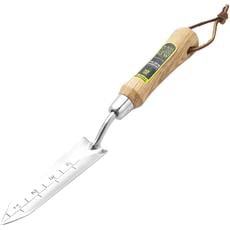
Consider whether additional features justify their cost for your specific requirements. Depth markers etched into blades help achieve consistent planting depths—particularly useful for bulbs that require precise positioning. Hanging holes facilitate organised shed storage on wall-mounted racks. Some premium models from Fiskars and Gardena incorporate measurement scales, serrated edges for cutting through roots, or multi-purpose functions that combine several tools in one implement.
Matching Tools to Tasks and Soil Type
Heavy clay soils demand robust construction with strong tangs, substantial blade thickness and ergonomic handles that reduce hand strain when applying necessary force. Lighter sandy or chalky soils prove less demanding and can be worked effectively with lighter-duty tools. If you're primarily working with containers and raised beds, lightweight aluminium options may suffice, whereas ground-level cultivation in established borders with compacted soil requires more substantial professional-grade construction that withstands daily use.
Popular Accessories
- Garden Kneelers and Knee Pads: Essential for comfortable ground-level work, significantly reducing strain on knees and lower back during prolonged planting, weeding and cultivation sessions
- Garden Gloves: Protect hands from blisters, thorns, splinters and soil-borne irritants; look for reinforced palm areas and breathable backs for extended wear comfort
- Tool Storage Solutions: Wall-mounted racks, garden tool organisers and roll-up canvas holders from Stanley and other manufacturers keep hand tools protected, organised and readily accessible
- Sharpening Stones and Files: Maintain cutting edges on trowel blades for optimal soil penetration, cleaner cuts and more efficient weeding operations
- Tool Cleaning Brushes: Stiff-bristled brushes effectively remove caked soil buildup, prolonging tool life and preventing corrosion on carbon steel implements
- Linseed Oil: For maintaining wooden handles, preventing drying, splitting and weather damage whilst preserving natural grip and developing attractive patina
- Garden Trugs and Buckets: Portable containers for collecting weeds, transporting plants and seedlings, and carrying multiple tools around the garden efficiently
- Hand Tool Sets: Complete matched collections offering coordinated designs, comprehensive coverage of common tasks and often better value than purchasing individually
- Holsters and Belt Carriers: Keep frequently-used tools within easy reach whilst working, reducing constant trips back to the shed or tool bag
- Garden Sieves and Riddles: Complement hand fork work by separating stones, breaking up soil clumps and creating fine tilth for seed sowing
Safety Information
Personal Protection: Always wear appropriate garden gloves to protect against blisters from repetitive gripping, cuts from sharp blade edges, and contact with soil-borne pathogens or irritants. Steel toe-capped boots provide protection if tools are accidentally dropped or trodden upon, particularly important on professional sites.
Tool Condition and Maintenance: Regularly inspect tools for damage including cracked or splintered handles, loose joints, bent tines or separated tangs. Damaged tools should be repaired or replaced immediately as they can fail unexpectedly during use, potentially causing injury. Keep trowel blades reasonably sharp—excessively dull edges require more force and are more likely to slip from the soil surface.
Proper Technique: Use hand forks and trowels with controlled movements, always keeping hands positioned behind the blade direction. Avoid applying excessive force which can cause tools to slip suddenly or handles to break. When encountering unexpectedly compacted soil or buried obstacles, loosen the area first with a larger tool rather than forcing a hand trowel, which may bend, break or cause wrist strain.
Storage and Hygiene: Store tools cleaned and dried in a secure location away from children. Hanging storage on wall-mounted racks prevents accidental contact with sharp edges. Apply a light oil coating to carbon steel tools before storage to prevent corrosion, particularly important in the UK's humid climate. Cleaning tools after use also removes soil that may harbour plant diseases.
Health Precautions: Ensure tetanus vaccinations are current when regularly working with soil and garden tools, as recommended by the NHS. Clean any cuts, scratches or puncture wounds immediately with clean water and seek medical attention if wounds become inflamed. Consider wearing a dust mask when working very dry soil to avoid inhaling airborne particles and spores.
Frequently Asked Questions
What's the difference between a hand trowel and a hand fork?
A hand trowel features a solid, scoop-shaped blade designed for digging planting holes, scooping and moving soil, making it ideal for planting, potting and general cultivation tasks. A hand fork incorporates multiple prongs (tines) and excels at aerating compacted soil, breaking up clumps, removing weeds with their complete root systems intact, and working carefully around established plant roots without causing damage. Most gardeners find both tools essential for comprehensive maintenance, with each suited to distinctly different operations.
Are stainless steel or carbon steel hand tools better?
Stainless steel tools offer superior rust resistance, require minimal maintenance beyond basic cleaning, and soil slides off easily—particularly valuable in the UK's damp conditions and ideal for occasional gardeners who prioritise convenience. Carbon steel tools are typically stronger, can be sharpened to maintain keen cutting edges, and often represent better value for money, but they require regular cleaning and light oiling to prevent corrosion. Professional gardeners working daily often prefer carbon steel for its exceptional durability and performance, whilst domestic users frequently favour stainless steel for its practicality and lower maintenance demands.
How do I prevent wooden handles from deteriorating?
Clean wooden handles after each use to remove soil and moisture, then allow them to dry naturally away from direct heat sources which can cause splitting. Periodically treat handles with linseed oil or dedicated wood preservative, which penetrates the grain to prevent drying, cracking and weather damage. Store tools in a dry shed or garage rather than leaving them exposed outdoors where repeated wetting and drying cycles accelerate deterioration. Well-maintained wooden handles can outlast the metal heads themselves and develop a comfortable, smooth patina with regular use.
Can hand forks and trowels be sharpened?
Yes, maintaining a reasonably sharp edge on hand trowels significantly improves their performance, particularly when cutting through root-bound soil, turf or fibrous material. Use a medium-grit sharpening stone or flat file, working along the existing bevel angle (typically around 45 degrees) with smooth strokes. Hand fork tines can also be touched up if they become blunted or damaged, though this proves less commonly necessary. Always file away from your body and consider wearing protective gloves. Regular light sharpening maintains performance more effectively than waiting until tools become severely dulled.
What length hand tool is best for reducing back strain?
Standard hand forks and trowels with handles around 300-350mm total length require bending or kneeling to use effectively, which can strain the back during extended sessions. For users with mobility concerns, consider long-handled versions (sometimes called border forks and trowels) with extended shafts allowing work from a standing or seated position, reducing bending requirements. Alternatively, use a garden kneeler, foam pad or low stool to achieve comfortable working height whilst using standard-length tools. Taking regular breaks, varying tasks throughout sessions, and using proper bending technique with a straight back also helps prevent strain from prolonged repetitive movements.