

Hand & Hatchet Axes
Pay in 3 interest-free payments on purchases from £30-2000 with  . Learn more.
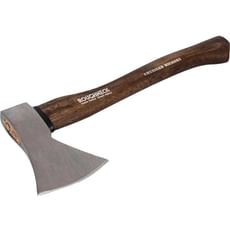
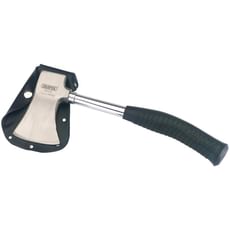
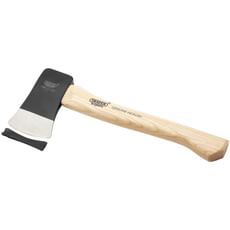
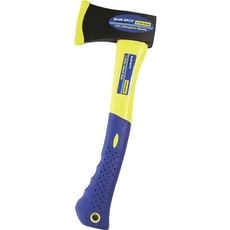
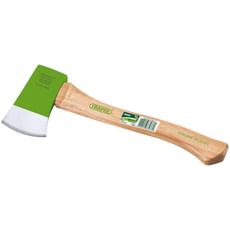
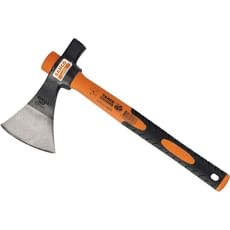
 Loading...
End of content
Error - No more pages to load
About Hand & Hatchet Axes
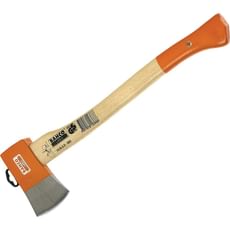
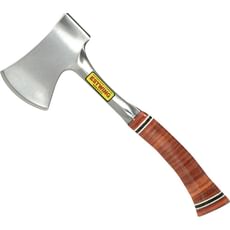
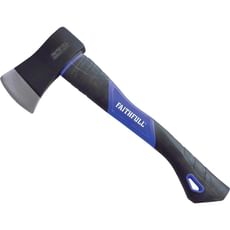
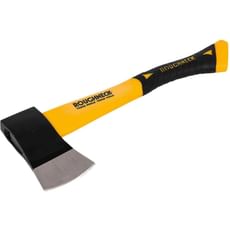
Hand axes and hatchets are indispensable single-handed cutting tools engineered for precision wood splitting, chopping, and shaping tasks across professional and recreational applications. These compact implements bridge the gap between full-sized felling axes and lightweight camp knives, delivering powerful cutting performance whilst maintaining portability and single-handed control. From professional arborists processing limbs on-site to camping enthusiasts preparing kindling in the British countryside, quality hand axes combine ergonomic design with robust construction to handle everything from splitting firewood to clearing undergrowth on building sites.
The selection at Tooled-Up.com features hand axes and hatchets from trusted manufacturers including Bahco, Draper, Faithfull, Roughneck, Estwing, Fiskars, Stanley, and Gardena. These tools are available with diverse handle materials tailored to different working environments and user preferences. Traditional hickory and ash handles deliver exceptional shock absorption and proven reliability through centuries of use, whilst modern fibreglass and composite shaft construction provides enhanced durability, weather resistance, and minimal maintenance demands. Many tradespeople keep a reliable hand axe in their van as an essential tool for site work requiring precise wood cutting without mains power or battery-operated equipment.
Modern hand axes typically feature compact heads weighing between 600g and 1kg, engineered for accurate single-handed operation whilst delivering sufficient striking force for efficient wood splitting. Contemporary designs incorporate ergonomic grip profiles, optimised weight distribution, and protective features including blade guards and sheaths, making them safer and more comfortable during extended use. Whether you need a lightweight camping axe for outdoor adventures, a robust hatchet for regular groundskeeping work, or a versatile tool for processing firewood at home, Tooled-Up stocks comprehensive options suitable for DIY enthusiasts and professional users throughout the UK.
Jargon Buster
- Hatchet: A compact, single-handed axe with a short handle (typically 300-400mm) designed exclusively for one-handed operation. Commonly used interchangeably with "hand axe" across the UK market.
- Hickory Handle: Traditional wooden handle material crafted from American hickory timber, valued for its exceptional strength, natural flexibility, and superior shock-absorbing characteristics during striking operations.
- Fibreglass Shaft: Modern handle construction utilising fibreglass composite materials, offering excellent weather resistance, consistent durability, and reliable performance without the maintenance demands of traditional wooden handles.
- Head Weight: The mass of the axe head, typically measured in grams. Heavier heads (800g-1kg) generate greater splitting force for processing larger timber, whilst lighter heads (600-700g) provide enhanced control and reduced user fatigue.
- Poll: The flat, blunt surface opposite the cutting edge on an axe head, occasionally used as a light striking surface for driving tent pegs, small stakes, or similar tasks.
- Yankee Pattern: A traditional American axe head profile featuring a curved cutting edge and distinctive geometry, highly regarded for general-purpose wood cutting, splitting, and camp craft applications.
Who Uses Hand & Hatchet Axes?
- Groundskeepers and Landscapers: Maintaining estates, clearing vegetation, processing fallen branches, and general property upkeep
- Arborists and Tree Surgeons: Essential for limbing operations, preparing firewood, and general tree maintenance work
- Builders and Carpenters: On-site timber trimming, wood cutting, and material preparation where power tools prove impractical
- Campsite Wardens and Outdoor Instructors: Facility maintenance and teaching safe axe handling techniques to participants
- Camping and Bushcraft Enthusiasts: Processing firewood, preparing kindling, shelter construction, and general camp craft activities
- Forestry Workers: Limbing operations, processing smaller diameter timber, and woodland maintenance tasks
- Homeowners with Wood Burners: Splitting kindling and preparing firewood for domestic heating systems
- Gamekeepers and Estate Managers: Maintaining shooting stands, clearing paths, boundary work, and general countryside management
- Allotment Holders and Gardeners: Processing woody garden waste, clearing overgrown areas, and plot maintenance
How to Choose the Right Hand & Hatchet Axes
Handle Material Selection: Consider your working environment and maintenance preferences carefully. Traditional hickory and ash handles from brands like Faithfull and Roughneck provide excellent shock absorption and classic handling characteristics, ideal for experienced users who appreciate traditional tool construction. Fibreglass and composite handles offer superior weather resistance and durability with minimal maintenance requirements – perfect for tools stored in vans, sheds, or exposed to typical British weather conditions regularly.
Head Weight and Size: Lighter axes (600-700g) suit camping, hiking, and occasional use where portability and precise control are paramount. Medium-weight options (700-900g) deliver versatility for general property maintenance and regular firewood preparation. Heavier hatchets (900g-1kg) from manufacturers like Draper and Bahco provide maximum splitting power for frequent use and processing tougher hardwoods, though they may increase fatigue during prolonged sessions.
Handle Length and Ergonomics: Most hand axes feature handles measuring 300-450mm long. Shorter handles provide superior control for detailed work and camping applications, whilst longer handles generate additional leverage for splitting tasks. Prioritise ergonomic grip designs with anti-slip features, particularly important when working in wet conditions common across the UK. Brands like Estwing and Fiskars offer contoured handles that significantly reduce hand fatigue during extended use.
Intended Application: Match your axe to your primary usage. Camping and hiking axes should prioritise light weight and portability, typically including protective sheaths. Site work and property maintenance demand durable construction with fibreglass handles and robust head attachment. For regular firewood processing at home, select well-balanced designs with quality heat-treated steel heads that maintain sharp cutting edges through repeated use.
Brand Quality and Construction: Established manufacturers including Stanley, Bahco, and Gardena have proven reputations for producing reliable hand axes with quality materials and sound construction principles. Verify proper heat treatment of cutting edges and secure head-to-handle attachment methods. Many professional-grade axes include manufacturer warranties, providing valuable peace of mind for regular users and professional tradespeople.
Popular Accessories
- Axe Sheaths and Blade Guards: Essential safety accessories protecting cutting edges during transport and storage
- Replacement Handles: Spare hickory or fibreglass handles from Faithfull and other manufacturers for extending tool lifespan
- Sharpening Stones and Files: Diamond stones, whetstones, and dedicated axe files for maintaining optimal cutting edge sharpness
- Safety Gloves: Cut-resistant work gloves from brands like Portwest providing hand protection during wood processing
- Safety Glasses: Essential eye protection against flying wood chips, splinters, and debris
- Steel Toe Cap Boots: Protective footwear meeting UK safety standards for axe work and site applications
- Chopping Blocks: Dedicated cutting surfaces protecting floors whilst providing stable working platforms
- Honing Oil: For maintaining sharpening stones and achieving fine, razor-sharp cutting edges
- Tool Belts and Holsters: For safe carrying when working across multiple sites or outdoor locations
Safety Information
Hand axes and hatchets are sharp cutting tools demanding respect and proper handling techniques. Before each use, thoroughly inspect your tool for damage, ensuring the head remains securely attached to the handle and the cutting edge shows no chips or cracks. Loose or damaged heads pose serious injury risks and require immediate repair or replacement before further use.
Personal protective equipment is essential when operating hand axes. Always wear safety glasses or goggles protecting against flying wood chips, and steel toe cap boots meeting UK safety standards to safeguard your feet. Cut-resistant gloves provide additional hand protection, though some experienced users prefer working without gloves for enhanced grip control. Ensure bystanders maintain safe distances – at least two axe-lengths plus one metre clearance around your working area.
Work on stable, level ground using a proper chopping block or stump at comfortable working height. Never hold material in your hand whilst cutting, and avoid cutting towards your body or legs. When splitting logs, position them vertically on a stable base and aim strikes at the centre grain. The HSE recommends familiarising yourself with proper axe handling techniques before first use, particularly if you lack previous experience with these tools. Many outdoor education centres and bushcraft schools across the UK offer practical training courses.
Store axes safely with blade guards or sheaths fitted, kept out of reach of children. Maintain sharp cutting edges – paradoxically, sharp axes prove safer than dull ones as they require less force and deflect less frequently off material. When transporting axes on site or in vehicles, always use protective covers and secure tools properly preventing movement during transit.
Frequently Asked Questions
What's the difference between a hand axe and a hatchet?
In the UK market, these terms are frequently used interchangeably to describe compact, single-handed axes. Technically, hatchets typically feature shorter handles (under 400mm) and lighter heads designed primarily for camping and light work, whilst hand axes may be slightly larger but remain designed for one-handed operation. Both differ significantly from full-sized felling axes which require two-handed use and feature longer handles exceeding 600mm.
How do I maintain my hand axe's cutting edge?
Regular maintenance involves cleaning the blade after each use, removing sap and debris, then drying thoroughly to prevent rust formation. Sharpen the edge periodically using a mill file or sharpening stone, maintaining the original bevel angle (typically 25-30 degrees for general purpose axes). Always work from the handle towards the edge using smooth, controlled strokes. For heavily damaged edges, consider professional sharpening services. Apply a light coating of oil to the head during storage preventing corrosion in damp British conditions.
Can I replace a broken wooden handle myself?
Yes, replacing wooden handles is straightforward with basic tools. Replacement handles are available from brands like Faithfull in standard sizes fitting most hand axes. Remove the old handle by drilling out or carefully burning remaining wood from the eye (the mounting hole in the axe head). Fit the new handle ensuring a tight fit, then secure firmly with wooden or steel wedges driven into the top. Numerous online tutorials demonstrate the process, though first-timers might prefer professional refitting ensuring safety.
Are fibreglass handles better than wooden ones?
Each material offers distinct advantages. Fibreglass handles provide superior durability, weather resistance, and consistency without ongoing maintenance requirements – ideal for tools stored outdoors or in vans. They won't rot, warp, or dry out. Traditional hickory or ash handles offer better shock absorption and appeal to users preferring natural materials and traditional handling characteristics. Many professional users choose fibreglass for work tools but prefer wooden handles for recreational use. Quality matters more than material – premium wooden handles often outperform cheap fibreglass alternatives.
What weight hand axe should I choose for camping?
For camping and hiking where weight and packability matter, select lighter models between 600-750g with shorter handles around 300-350mm. Brands like Bahco and Fiskars offer dedicated camping axes balancing cutting performance with portability. These provide adequate power for processing firewood and preparing kindling without adding excessive weight to your pack. For car camping where weight proves less critical, slightly heavier models (800-900g) offer enhanced splitting power for processing larger quantities of firewood.