

Hand Impact Drivers
Pay in 3 interest-free payments on purchases from £30-2000 with  . Learn more.
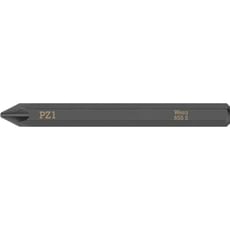
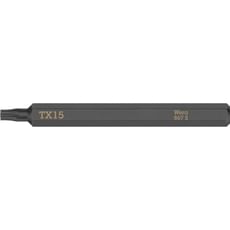
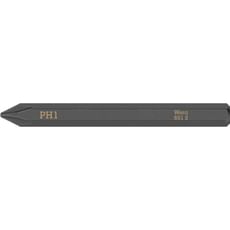
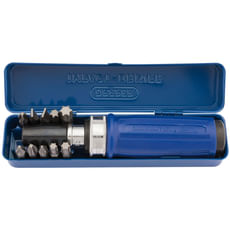
 Loading...
End of content
Error - No more pages to load
About Hand Impact Drivers
Hand impact drivers are ingenious manual tools that transform the downward force of a hammer strike into powerful rotational torque, making them indispensable for removing seized, corroded, or over-tightened screws and fasteners. Unlike standard screwdrivers that rely purely on manual turning force, these mechanical tools employ an internal cam-and-hammer mechanism that generates significantly greater twisting power whilst simultaneously maintaining downward pressure to keep the bit firmly seated in the screw head. This dual-action approach dramatically reduces the risk of cam-out and stripped screw heads, making hand impact drivers essential equipment for anyone regularly dealing with stubborn fixings.
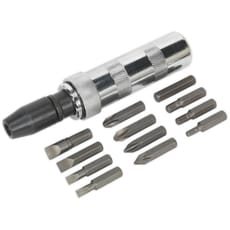
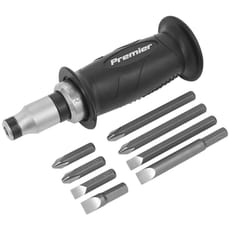
The range available at Tooled-Up.com includes complete impact driver sets and individual components from trusted manufacturers including Wera, Draper, Sealey, Facom, and Expert by Facom. Most hand impact drivers feature either a 1/2" square drive connection compatible with standard impact sockets, or an 8mm hexagon shank that accepts impact-rated screwdriver bits. Comprehensive sets typically include the impact driver body alongside an assortment of Pozi, Phillips, slotted, and hex bits, plus various adaptors to expand versatility across different applications.
These tools are particularly valued by mechanics, engineers, and tradespeople who frequently encounter problematic fixings on older equipment, outdoor machinery, or vehicles exposed to harsh environments. A quality hand impact driver can often mean the difference between successfully removing a corroded screw and having to resort to drilling it out—saving considerable time, preserving the integrity of components, and avoiding costly repairs. Whether working on vintage restoration projects, maintaining agricultural equipment, or servicing marine applications where salt corrosion is prevalent, hand impact drivers remain an essential addition to any professional toolkit.
Jargon Buster
- Impact Mechanism
- The internal cam-and-hammer system that converts a striking blow into rotational force. When struck with a hammer, this mechanism translates downward impact into powerful twisting motion, delivering significantly more torque than manual screwdriving alone.
- Hexagon Shank
- A six-sided bit connection, typically 8mm, that prevents bits from slipping within the chuck. Hex shanks provide a secure, wobble-free connection and are standard on most impact driver bits used in UK applications.
- Square Drive
- A four-sided socket connection, commonly 1/2" on hand impact drivers, that accepts standard impact sockets and adaptors. This system is widely used in automotive and mechanical applications, offering excellent compatibility with existing socket sets.
- Impact-Rated Bits
- Specially hardened screwdriver bits manufactured to withstand the sudden rotational forces generated by impact drivers. Standard bits can shatter under impact use, making impact-rated bits essential for both safety and longevity.
- Reversible Action
- The ability to switch rotation direction between clockwise (tightening) and anticlockwise (loosening), typically controlled by a selector collar on the tool body. This feature allows the same tool to both remove and install fasteners.
- Torque Multiplication
- The mechanical advantage gained through the impact mechanism that allows significantly greater turning force than manual screwdriving, particularly useful for seized or rusted fixings that would otherwise require power tools or heat application.
Who Uses Hand Impact Drivers?
Hand impact drivers are relied upon by a diverse range of professionals and DIY enthusiasts:
- Motor Mechanics and Auto Electricians: Removing seized engine components, rusted screws on exhausts, and corroded fixings on older vehicles where access for power tools may be restricted
- Plant and Machinery Fitters: Maintaining industrial equipment with fasteners exposed to harsh workshop environments, oil, and chemical contamination
- Marine Engineers: Working with corroded fixings on boats and marine equipment where salt exposure creates particularly stubborn corrosion challenges
- Agricultural Engineers: Servicing farm machinery and equipment exposed to soil, moisture, fertilisers, and extreme weather conditions
- HVAC Engineers: Removing painted-over or weathered screws on external units, access panels, and outdoor equipment installations
- Restoration Specialists: Working on classic cars, vintage machinery, or antique furniture with period fixings that have seized over decades
- Maintenance Engineers: Across all industries where equipment servicing involves removing seized, damaged, or over-tightened fasteners without causing further damage
- DIY Enthusiasts: Particularly those working on automotive projects, restoration work, older properties, or outdoor equipment maintenance where stubborn fixings are common
How to Choose the Right Hand Impact Drivers
Drive Configuration: The 1/2" square drive is the most versatile option, offering compatibility with a vast range of impact sockets and adaptors ideal for automotive and mechanical work. For predominantly screwdriver applications, an 8mm hex shank model provides direct compatibility with standard hex drive bits. Many comprehensive sets from brands like Wera and Draper include adaptors for both configurations.
Set Contents versus Individual Components: Complete sets represent excellent value for those equipping a new toolbox or van, typically including the impact driver body, a selection of commonly used Pozi, Phillips, slotted, and hex bits, plus socket adaptors. Individual components suit professionals replacing worn items or expanding existing collections with specialist bit types.
Bit Quality and Variety: Impact-rated bits are non-negotiable for safety and performance. Check that sets include drive types you encounter regularly—Pozi bits dominate UK applications, whilst Phillips remain common in imported equipment. Tooled-Up stocks comprehensive bit assortments from Wera and Draper suitable for various trades and applications.
Construction Quality: Professional-grade impact drivers from manufacturers like Facom and Wera feature hardened steel construction and precision-machined mechanisms delivering consistent performance through years of heavy use. The handle should provide comfortable grip even when wearing gloves, whilst the reversing mechanism must be positive and easy to operate on-site.
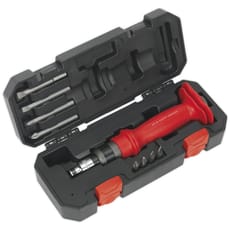
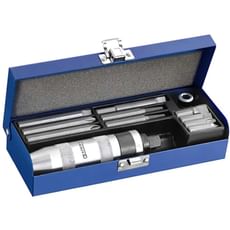
Case and Storage: A robust case keeps impact drivers and bits organised and protected, particularly important for mobile tradespeople. Many quality sets include blow-moulded or metal cases designed for workshop benches or van storage systems.
Brand Reputation: Established manufacturers like Wera, Sealey, Draper, and Facom offer proven reliability, better warranty support, and replacement part availability compared to budget alternatives. Their impact drivers typically feature superior metallurgy and manufacturing tolerances that deliver superior performance with corroded fixings.
Popular Accessories
- Impact-Rated Screwdriver Bit Sets: Additional Pozi, Phillips, Torx, and hex bits in various sizes to expand your driver's versatility across different applications and fastener types
- Impact Socket Sets: 1/2" drive impact sockets for use with square drive impact drivers, particularly useful for automotive and machinery maintenance applications
- Drive Adaptors: Convert between 1/2" square drive and hex shank connections, or step down to 3/8" or 1/4" drives for smaller fasteners and restricted access areas
- Screw Extractors: Specialised bits designed to grip and remove damaged or stripped screws that the impact driver has loosened but cannot turn conventionally
- Dead Blow Hammers: Provide controlled striking force without damaging the impact driver or surrounding components, with non-rebound heads that maximise energy transfer
- Penetrating Oil: Products like WD-40 or Plus Gas help free seized threads before using the impact driver, significantly improving success rates with corroded fixings
- Bit Holders and Organisers: Keep growing collections of impact bits organised, protected, and easily accessible in toolboxes or on-site
- Replacement Springs and Internal Components: For maintaining and servicing impact drivers over their working life, ensuring continued reliable performance
Safety Information
Eye Protection: Always wear safety glasses or goggles when using an impact driver. The striking action can cause worn bits to shatter, and working with seized fasteners increases the risk of rust particles or debris being dislodged at high velocity.
Appropriate Striking Tools: Use only proper hammers or dead blow mallets to strike impact drivers. Never use damaged hammers or improvised striking tools. A hammer weight of 500g to 1kg suits most applications—heavier hammers risk damaging the mechanism.
Bit Inspection: Regularly inspect impact bits for wear, cracks, or damage. Worn bits are more likely to cam out from screw heads, whilst damaged bits can shatter under impact forces. Replace any questionable bits immediately—the cost is negligible compared to injury risk.
Secure Workpieces: Ensure components are properly secured or supported before use. Impact forces can cause movement, potentially leading to injury or damage. This is particularly important when working with smaller components or assemblies.
Correct Bit Selection: Use only impact-rated bits with hand impact drivers. Standard screwdriver bits are manufactured from different steel grades and can fail catastrophically under impact forces. Always match bit type and size precisely to the fastener for optimal engagement.
Proper Alignment: Keep the impact driver perfectly aligned with screws or fasteners. Angled striking can cause bits to slip, damage fastener heads, or result in bent tools. Maintain steady downward pressure whilst striking to ensure consistent bit engagement.
Glove Considerations: Whilst gloves protect hands from sharp edges and debris, ensure they don't compromise grip security. A firm, controlled grip on the impact driver handle is essential for safe operation and effective force transfer.
Frequently Asked Questions
What's the difference between a hand impact driver and a powered impact driver?
A hand impact driver is a manual tool that converts hammer strikes into rotational force, making it ideal for loosening seized or stubborn screws without requiring electricity or batteries. Powered impact drivers deliver rapid rotational impacts for driving screws quickly into materials. Hand impact drivers excel at removal tasks and dealing with corroded fasteners where controlled, powerful force is needed, whilst powered versions suit repetitive fastening applications. Many professionals keep both types as they serve complementary purposes—the hand impact driver for problematic removals, the powered version for installation work.
Can I use regular screwdriver bits in a hand impact driver?
No, you must only use impact-rated bits specifically designed for impact applications. Regular screwdriver bits are manufactured from different steel grades and heat treatments, making them liable to shatter under the sudden forces generated by impact drivers, creating a serious safety hazard with sharp fragments. Impact-rated bits are specially hardened and tempered to absorb shock loads safely. The modest additional cost of proper impact bits is insignificant compared to the risk of injury from a shattered standard bit, and they'll last considerably longer under impact use.
Will a hand impact driver damage screws or fasteners?
When used correctly with the appropriate bit size and type, hand impact drivers are actually less likely to damage fasteners than excessive force with a standard screwdriver. The impact action helps keep the bit seated firmly in the screw head, reducing cam-out that strips the drive recess. However, ensure good bit-to-fastener engagement and avoid excessive striking force, particularly with softer materials like brass fittings or smaller gauge screws where gentler persuasion is appropriate.
How do I know which direction my impact driver is set to?
Hand impact drivers feature a direction selector, typically a collar or switch on the tool body clearly marked with arrows or the words "loosen" and "tighten". Before striking, always verify the direction setting matches your intended operation—it's easy to forget when working quickly. Some models use an intuitive principle where rotating the selector clockwise sets clockwise (tightening) rotation, and anticlockwise for anticlockwise (loosening) rotation. When in doubt, consult your tool's instructions or test the action gently before applying full striking force.
My impact driver isn't loosening a stuck screw—what should I try?
First, apply penetrating oil generously and allow it to work for several minutes, or even overnight for severely corroded fixings—patience often yields better results than brute force. Ensure you're using the correct size and type of impact-rated bit with perfect fit in the screw head, as even slight mismatch reduces effectiveness. Verify the impact driver is definitely set to the loosening direction. Try alternating between loosening and tightening strikes to help break the corrosion bond mechanically. If the screw head is damaged or partially stripped, consider using a screw extractor. For extremely stubborn fasteners, careful application of heat from a heat gun (where safe and appropriate) can help break corrosion before using the impact driver.