

Hand Mixing Paddles

Pay in 3 interest-free payments on purchases from £20-£3000 with  . Learn more.
 Loading...
End of content
Error - No more pages to load
About Hand Mixing Paddles
Hand mixing paddles are essential attachments that transform standard power drills into efficient mixing tools for a wide range of building materials and compounds. These robust spiral or blade-style paddles excel at blending plaster, mortar, cement, paint, adhesives, grouts, and numerous other construction materials quickly and thoroughly. Whether you're preparing plaster for a ceiling skim, mixing tile adhesive for a bathroom installation, or blending render for external walls, a quality hand mixing paddle ensures consistent, lump-free results with minimal physical effort.
Unlike dedicated paddle mixers, hand mixing paddles offer versatility and value by working with power drills you likely already own. They typically feature a hexagonal shank that fits securely into standard drill chucks, with the paddle section available in various diameters and configurations to suit different material viscosities and bucket sizes. The spiral or cage design creates a powerful stirring action that draws material from the bottom of the container upwards, ensuring even distribution of all components without introducing excessive air bubbles that could compromise the final finish.
Professional tradespeople and serious DIY enthusiasts alike appreciate the time and energy savings these tools provide compared to manual mixing with a stick or trowel. Tooled-Up.com stocks hand mixing paddles optimised for different tasks – from lightweight plastering wheels designed to blend finishing compounds smoothly, to heavy-duty galvanised steel paddles built to tackle dense mortars and concrete mixes on demanding construction sites.
Jargon Buster
- Hexagonal Shank
- The six-sided shaft section that fits into your drill chuck, providing a secure, non-slip connection that prevents the paddle from spinning independently under load.
- Plastering Wheel
- A specific paddle design featuring a disc-shaped configuration with radial fins or blades, engineered specifically for blending plaster and other fine finishing compounds without introducing air pockets.
- Mixing Paddle Diameter
- The overall width of the paddle head, typically ranging from 80mm to 180mm, which determines bucket compatibility and mixing capacity – larger diameters suit bigger batches and thicker materials.
- Spiral Configuration
- A helical blade design that creates an upward or downward flow pattern during mixing, ensuring thorough blending from the bottom of the container to prevent unmixed material settling.
- Galvanised Steel Construction
- A zinc coating applied to steel paddles that provides corrosion resistance when working with water-based materials, significantly extending tool lifespan on site.
- RPM Rating
- Revolutions per minute – the recommended drill speed for optimal mixing performance, typically between 400-800 RPM for most plastering and masonry applications to prevent splashing and ensure proper blending.
Who Uses Hand Mixing Paddles?
Hand mixing paddles are indispensable tools across numerous trades and applications:
- Plasterers – for preparing wall finishes, skimming compounds, and rendering materials
- Tilers – blending adhesives, grouts, and levelling compounds for floor and wall installations
- Bricklayers – mixing mortar and pointing compounds for masonry work
- Decorators – preparing paint, textured coatings, and wallpaper paste
- General Builders – for versatile mixing tasks across diverse construction projects
- Groundworkers – mixing repair mortars, concrete patches, and screed materials
- Landscapers – blending cement for paving, rendering for garden walls, and repair compounds
- DIY Enthusiasts – tackling home improvement projects requiring material preparation
- Maintenance Teams – preparing repair materials for property upkeep and refurbishment
- Restoration Specialists – mixing traditional lime mortars and specialist heritage materials
How to Choose the Right Hand Mixing Paddles
Selecting the appropriate hand mixing paddle ensures efficient material preparation and professional results. Consider these key factors:
Material Compatibility: Match the paddle design to your typical mixing tasks. Plastering wheels with disc-style configurations excel at smooth finishing compounds, whilst heavy-duty spiral paddles handle thicker mortars, adhesives, and cement-based materials more effectively. Consider the viscosity range you'll encounter most frequently.
Paddle Diameter: Choose a size appropriate for your typical bucket or container dimensions. Paddles between 100-120mm suit standard trade buckets, whilst larger 180mm options handle bigger batches and deeper containers. Ensure at least 50mm clearance between paddle edge and container walls for proper circulation.
Shank Compatibility: Verify that the hexagonal or threaded shank diameter matches your drill chuck capacity. Most hand mixing paddles feature hex shanks compatible with 13mm (½") chucks found on typical corded drills rated 850W or above.
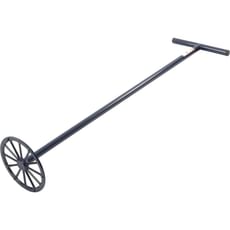
Construction Quality: Galvanised or zinc-plated steel paddles resist corrosion from water-based materials and withstand site conditions better than basic mild steel. Aluminium wheel designs with tubular steel shafts, such as those from Faithfull, combine lightweight handling with robust construction. Welded construction proves more durable than spot-welded alternatives, particularly under heavy loads.
Drill Power Requirements: Match paddle size and intended materials to your drill's capabilities. Mixing heavy mortars and adhesives demands at least 1000W from a corded drill or 18V from a cordless model. Underpowered drills will struggle, overheat, or stall when mixing dense compounds.
Length Considerations: Standard paddles around 400-600mm long suit most applications, but longer options up to 900mm benefit those working with deep containers or large-volume batches requiring extended reach.
Popular Accessories
Enhance your mixing efficiency and protect your equipment with these complementary products available from Tooled-Up:
- Heavy-Duty Corded Drills – robust models from Makita, DeWalt, or Milwaukee rated 1000W+ provide reliable power for continuous mixing
- Mixing Buckets – graduated trade buckets in various capacities for accurate material measurement
- Drill Side Handles – auxiliary grips that provide better control and reduce fatigue during extended mixing sessions
- Safety Goggles and Face Protection – essential PPE to shield against splashes and airborne particles
- Heavy-Duty Work Gloves – protection when handling materials and equipment from brands like Portwest and Scruffs
- Dust Masks and Respirators – respiratory protection when mixing powdered compounds
- Paddle Cleaning Brushes – wire brushes for removing dried material and maintaining paddle efficiency
- Drill Stands – secure mounting for hands-free mixing of larger batches
- Material Measuring Scoops – for accurate powder-to-liquid ratios
Safety Information
Working safely with hand mixing paddles protects you and ensures quality results. Follow these HSE-aligned guidelines:
Personal Protective Equipment: Always wear safety goggles or a face shield to protect against splashes, particularly when starting the drill or working with runny materials. Dust masks or respirators are essential when adding powdered compounds to prevent inhalation of harmful particles. Wear close-fitting work gloves and avoid loose clothing or jewellery that could catch on rotating paddles.
Drill Operation: Ensure your drill features a side handle and use both hands for secure control throughout the mixing process. Start at low RPM to incorporate materials before gradually increasing speed – sudden acceleration causes splashing and material ejection. Never exceed the paddle's recommended maximum speed, typically 600-800 RPM for most applications.
Electrical Safety: When using corded drills, verify cables and plugs are undamaged before use. Keep electrical connections away from water and wet materials. Consider RCD (residual current device) protection, particularly on construction sites. With cordless models, ensure batteries are properly secured before starting.
Material Handling: Review COSHH data sheets for materials you're mixing, particularly cement-based compounds that can cause skin irritation or burns. Work in well-ventilated areas to disperse dust and fumes. Never reach into buckets whilst the paddle is rotating, and always allow complete stoppage before removing the paddle from mixed material.
Equipment Maintenance: Clean paddles thoroughly after each use to prevent material build-up that increases load and reduces mixing efficiency. Inspect paddles regularly for damage, bent blades, or loose welds that could fail during operation, potentially causing injury.
Frequently Asked Questions
Can I use a hand mixing paddle with a cordless drill?
Yes, but ensure your cordless drill has sufficient power and torque. An 18V model with at least 50Nm of torque handles most plastering and light adhesive mixing tasks adequately. For heavy mortars, dense screeds, or continuous professional use, a corded drill rated 1000W or above proves more reliable and won't suffer battery depletion mid-batch.
What's the difference between a plastering paddle and a general mixing paddle?
Plastering paddles feature disc or wheel designs with radial blades that create a gentle, circular flow pattern ideal for smooth finishing compounds without introducing air bubbles. General mixing paddles use spiral or cage configurations that produce more aggressive upward or downward flow, better suited to thicker adhesives, mortars, and materials requiring vigorous blending action.
How do I prevent my drill from overheating during mixing?
Allow your drill periodic rest intervals during extended mixing sessions – mix for 2-3 minutes, then rest for 1-2 minutes to prevent motor overheating. Use the appropriate paddle size for your drill's power rating, maintain moderate speeds (avoid maximum RPM), and ensure adequate material viscosity by following manufacturer mixing ratios. Overloading small drills with large paddles or thick materials causes excessive strain.
Why does my paddle keep slipping in the drill chuck?
Ensure you're tightening the chuck securely onto the hexagonal shank using all three chuck holes if it's a keyed type. Material build-up on the shank reduces grip – clean thoroughly between uses. Quality paddles from brands like Faithfull provide precise shank geometry for secure chuck engagement. For heavy mixing, keyless chucks may not provide sufficient grip compared to keyed alternatives.
How do I clean dried material from my mixing paddle?
For cement-based materials, soak the paddle in water immediately after use to prevent setting. Once materials have dried, use a wire brush or scraper to remove deposits, or briefly immerse in a vinegar solution to help break down cement residues. Clean paddles mix more efficiently and place less strain on your drill motor. Regular maintenance extends paddle lifespan significantly and maintains mixing performance.