

Hand Reamers

Pay in 3 interest-free payments on purchases from £20-£3000 with  . Learn more.
 Loading...
End of content
Error - No more pages to load
About Hand Reamers
Hand reamers are precision cutting tools designed to enlarge and finish pre-drilled holes to exact dimensions with a superior surface finish. Unlike drill bits that create holes from scratch, reamers refine existing holes to achieve tight tolerances and smooth internal surfaces essential for precision engineering, metal fabrication, and general workshop applications. These manually operated cutting tools feature multiple fluted cutting edges arranged around a tapered or straight shaft, allowing tradespeople to achieve accuracy levels that standard drilling simply cannot match. The controlled, slow rotation of hand reaming produces exceptionally smooth bore surfaces and precise dimensions, making these tools indispensable when tolerances of 0.01mm or better are required.
The hand reamers available at Tooled-Up.com include both metric and imperial sizes to suit various applications across different industries. The range features high-speed steel (HSS) construction from trusted brands including Dormer, Faithfull, and Wera, each offering different profiles for specific tasks. Straight shank hand reamers provide consistent diameter holes throughout their depth, whilst taper reamers gradually enlarge holes and prove particularly useful for creating precise tapered fits or starting holes that need finishing to exact specifications. Expanding hand reamers offer adjustable sizing within a limited range, providing versatility for applications requiring multiple similar dimensions.
Professional hand reamers deliver results that power tools often struggle to achieve, particularly when working with softer metals like aluminium and brass, plastics, or situations where electrical power isn't available or practical. They're an essential addition to any well-equipped toolbox, offering the control and precision that experienced engineers and machinists demand when tolerances matter. The manual operation eliminates concerns about excessive speed or chatter marks that can occur with powered reaming, whilst the tactile feedback allows skilled tradespeople to feel any resistance that might indicate improper technique or tool wear.
Jargon Buster
- Flutes: The helical grooves running along the length of the reamer body that create cutting edges and provide channels for swarf (metal chips) to escape during the reaming process. Most hand reamers feature left-hand helix flutes with right-hand (clockwise) cutting action.
- HSS (High-Speed Steel): A tool steel alloy containing tungsten, molybdenum, chromium, and vanadium that maintains hardness at elevated temperatures, making it ideal for cutting tool applications and ensuring long-lasting edge retention even when working harder materials.
- Taper Reamer: A reamer with a gradually increasing diameter from tip to shank, used for enlarging holes progressively or creating tapered holes for precise conical fits. Common in automotive work and pipe fitting applications.
- Straight Shank: A reamer with uniform diameter along its cutting length, designed to produce parallel-sided holes to exact specifications with minimal deviation. Features a square end section for gripping in tap wrenches or T-handles.
- Reaming Allowance: The small amount of material (typically 0.1-0.4mm) left in a pre-drilled hole specifically for the reamer to remove, ensuring optimal cutting action and surface finish rather than burnishing.
- Expanding Reamer: An adjustable hand reamer that can be set to different diameters within a specified range, offering versatility for multiple similar-sized holes without requiring separate fixed-size reamers for each dimension.
Who Uses Hand Reamers?
Hand reamers are essential tools for various trades and industries where precision hole finishing is required:
- Precision engineers and machinists working on jigs, fixtures, and component manufacturing
- Motor mechanics and vehicle technicians requiring accurate hole dimensions for bearing fits and fastener installations
- Maintenance fitters carrying out repairs and refurbishment work on industrial machinery
- Fabricators and metalworkers creating custom steelwork and structural components
- Toolmakers and die setters producing moulds, dies, and specialist tooling
- Plumbers and pipefitters occasionally needing precise hole finishing for valve installations
- Model engineers and hobbyists building scale models and precision projects
- Aircraft engineers working to exacting standards in aerospace maintenance and manufacturing
- Agricultural engineers repairing farm machinery and equipment in remote locations
- Maintenance electricians creating precise mounting holes for switchgear and control panels
How to Choose the Right Hand Reamers
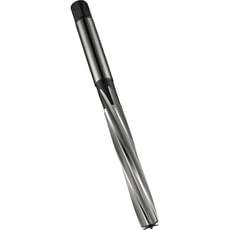
Size and Measurement System: Determine whether you need metric or imperial sizes based on your project specifications. Metric reamers are standard in most UK engineering applications, whilst imperial sizes remain common in older machinery maintenance and specialist industries. The Dormer B100 series is available in both systems, providing comprehensive coverage for diverse workshop requirements.
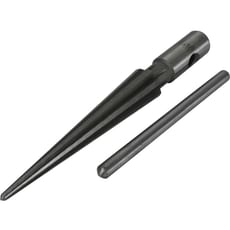
Reamer Profile: Straight shank reamers are ideal for through-holes and situations requiring consistent diameter throughout the bore depth, whilst taper reamers like the Faithfull Steel Taper Reamer (3.2-15mm) excel at progressive hole enlargement and are particularly useful when you're unsure of the exact final dimension needed or working with variable hole conditions.
Material Construction: HSS reamers from brands like Dormer and Faithfull offer excellent durability and edge retention for general workshop use. Consider the coating type – bright/uncoated finishes suit most applications, whilst coated variants can reduce friction and extend tool life when working harder materials or in production environments.
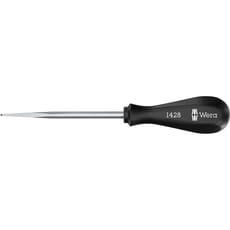
Handle Type: Some hand reamers feature integrated handles like the Wera 1428 Kraftform Plus Reamer, offering superior grip comfort for extended use with ergonomic design that reduces hand fatigue. Others have square shanks for use with adjustable tap wrenches, providing greater torque control for larger diameter holes or tougher materials.
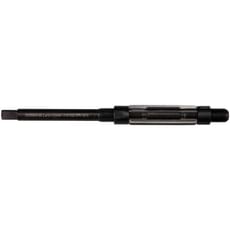
Expanding vs Fixed Size: The Dormer B334 expanding hand reamer provides adjustability within a range, offering versatility when you need multiple similar dimensions. Fixed-size reamers generally provide superior accuracy and consistency but require separate tools for each specific dimension required.
Application Requirements: Consider the materials you'll be reaming most frequently. Softer materials like aluminium, brass, and plastics require different considerations than harder steels. Cast iron presents unique challenges due to its abrasive nature. Your choice should reflect your typical workload whilst maintaining versatility for occasional different tasks.
Popular Accessories
- Adjustable Tap Wrenches: Essential for gripping square shank reamers and providing controlled rotational force with adjustable jaw capacity to suit various reamer sizes
- Centre Punches: For accurately marking hole positions before drilling the pilot hole, ensuring proper alignment
- Precision Drill Bits: High-quality HSS or cobalt drill bits for creating accurate pilot holes to the correct reaming allowance
- Cutting Fluid and Lubricants: Specialist cutting compounds that reduce friction, improve surface finish, and extend tool life significantly
- Digital Callipers or Micrometers: Precision measuring instruments for verifying hole dimensions before and after reaming to ensure tolerance compliance
- Deburring Tools: For cleaning up hole edges and removing burrs after reaming operations, particularly important for through-holes
- Tool Storage Solutions: Stanley FatMax organisers or similar storage to protect reamer cutting edges when not in use
- Wire Brushes: For cleaning swarf from reamer flutes and maintaining cutting performance between uses
- Engineers Vices: Secure workholding equipment essential for safe hand reaming operations
Safety Information
Personal Protective Equipment: Always wear safety glasses to protect against metal swarf and particles that can be ejected during reaming. Work gloves can protect hands from sharp edges and hot workpieces, but ensure they fit properly and won't catch on rotating tools or workpieces. Avoid loose clothing or jewellery that could become entangled.
Workpiece Security: Always secure your workpiece firmly in an engineers vice or clamp before reaming. Never attempt to hold small components by hand whilst reaming, as the rotational forces can cause the workpiece to spin unexpectedly, resulting in hand injuries or damaged work. Ensure adequate workpiece support to prevent deflection during the reaming operation.
Tool Condition: Inspect reamers regularly for damaged or chipped cutting edges. A damaged reamer can catch in the workpiece, potentially causing hand injuries or producing poor quality results. Store reamers carefully in protective sleeves or organised tool storage to prevent edge damage. Clean flutes thoroughly after each use to prevent corrosion and maintain cutting efficiency.
Correct Technique: Apply steady, even pressure and avoid forcing the reamer. If excessive force is required, the pilot hole may be undersized or the reaming allowance insufficient. Use appropriate cutting fluid to reduce friction and heat build-up, which can cause work hardening and tool wear. Always rotate hand reamers clockwise – never reverse direction whilst the reamer is engaged in the hole, as this can damage cutting edges and degrade surface finish.
HSE Compliance: Ensure your workplace follows Health and Safety Executive guidelines for manual handling and use of hand tools. Maintain good housekeeping practices, keeping work areas clear of swarf and trip hazards. Dispose of metal swarf appropriately, particularly when working with materials that may present environmental or health concerns.
Frequently Asked Questions
What size pilot hole should I drill before using a hand reamer?
For optimal results, drill a pilot hole approximately 0.1-0.4mm smaller than your target dimension. This reaming allowance ensures the reamer cuts properly rather than burnishing the material. Too much allowance causes chatter and poor finish, whilst too little prevents proper cutting action. For a 10mm reamer, a 9.7-9.8mm pilot hole is typically ideal. The Dormer B100 series documentation provides specific recommendations for each size.
Can I use a hand reamer in a power drill or drill press?
Whilst technically possible, it's not recommended for hand reamers. These tools are designed for the slow, controlled speeds achievable by hand turning (approximately 6-10 RPM). Power tools typically rotate far too quickly, generating excessive heat that can work-harden the material and damage the reamer's cutting edges. For powered reaming, use purpose-made machine reamers with appropriate cutting speeds and rigid machine tool setups.
Why is my reamer producing a rough finish or oversized hole?
Several factors can cause this: insufficient reaming allowance causing burnishing rather than cutting, excessive rotational speed, lack of cutting lubricant, or damaged cutting edges. Ensure your pilot hole is correctly sized, turn the reamer slowly and steadily using products like the Wera Kraftform Plus with its ergonomic handle, use appropriate cutting fluid, and inspect the reamer for wear or damage. Always rotate hand reamers clockwise; never reverse direction whilst the reamer is in the hole.
What's the difference between metric and imperial hand reamers?
The primary difference is the sizing system: metric reamers are measured in millimetres whilst imperial reamers use fractional inches or decimal inch sizes. Functionally, they operate identically. Most UK engineering work uses metric specifications, but imperial sizes remain necessary for maintaining older machinery, working with American or legacy British equipment, or in specialist industries. Neither system can substitute for the other when precision tolerances are required.
How do I maintain my hand reamers for long service life?
Clean flutes thoroughly after each use to remove metal swarf and cutting fluid residue using a wire brush. Apply a light coating of rust-preventive oil before storage. Store reamers separately or in protective sleeves within organised tool storage systems to prevent cutting edge damage from contact with other tools. Never use reamers as punches, pry bars, or for any purpose other than their intended reaming operation. With proper care, quality HSS reamers from brands like Dormer, Faithfull, and Wera available at Tooled-Up can provide years of reliable service even in demanding professional environments.