

Hand Saws
Pay in 3 interest-free payments on purchases from £30-2000 with  . Learn more.
 Loading...
End of content
Error - No more pages to load
About Hand Saws
Hand saws are fundamental cutting tools found in every professional tradesperson's toolkit and DIY enthusiast's workshop. Unlike powered alternatives, these manual saws offer precision control, exceptional portability, and reliable performance without the need for electricity or batteries. The hand saw category encompasses a diverse range of designs, each optimised for specific materials and cutting applications, from fast, aggressive rip cuts through structural timber to fine, controlled cuts in laminate, insulation materials, or cellular concrete blocks.
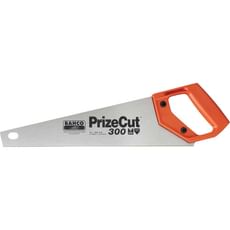
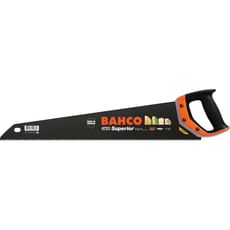
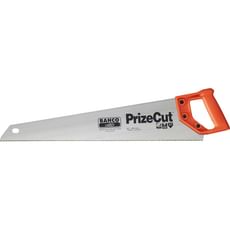
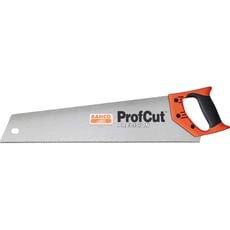
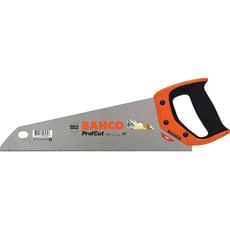
Modern hand saws feature significant innovations in tooth geometry, blade coatings, and ergonomic handle design that make them far superior to traditional models. Leading manufacturers like Bahco, Draper, and Jack have developed specialised ranges such as the Bahco PrizeCut, ProfCut, Barracuda, and Superior series, which incorporate hardpoint teeth that stay sharper for longer and innovative blade treatments that reduce friction and prevent binding. Tooled-Up.com stocks a comprehensive selection of hand saws ranging from compact toolbox models around 300mm in length to full-sized 22-24 inch (560-610mm) saws for demanding site work.
The flexibility of hand saw blades – unlike the rigid backs of tenon saws – allows them to handle both straight cuts and situations where the blade needs to flex slightly, making them incredibly versatile for general carpentry, first and second fix joinery, roofing, and construction work. Whether you're cutting structural timber on site, trimming architrave for a perfect fit, or sizing cellular concrete blocks, there's a hand saw designed specifically for the job.
Jargon Buster
- TPI (Teeth Per Inch): The number of teeth along one inch of the blade. Lower TPI (5-7) cuts faster but rougher, ideal for rip cuts and demolition work. Higher TPI (10-20) produces smoother, finer cuts perfect for cross-cutting and finish work.
- Hardpoint Teeth: Heat-treated, induction-hardened teeth that remain sharp significantly longer than traditional teeth. These cannot be resharpened but offer excellent value through extended working life, often lasting several years of professional use.
- Set: The outward bend of alternate teeth to either side of the blade, creating a cut (kerf) wider than the blade thickness to prevent binding. Aggressive set removes material quickly; minimal set produces cleaner cuts with less waste.
- Kerf: The width of material removed by the saw blade during cutting. A wider kerf removes more material per stroke but requires more effort, whilst a narrow kerf produces less waste and cleaner cuts with reduced friction.
- PTFE Coating: A friction-reducing treatment applied to premium saw blades that helps the blade glide through material more easily, reduces heat build-up, and prevents resin and pitch accumulation during extended cutting sessions.
- Fleam: The angle at which teeth are sharpened across their width. Different fleam angles optimise cutting performance for either ripping (cutting along the grain) or cross-cutting (cutting across the grain).
Who Uses Hand Saws?
Hand saws are indispensable tools across numerous trades and applications:
- Carpenters and Joiners: For cutting timber, sheet materials, and trim work where precision and control are paramount
- General Builders: Essential for site cutting, sizing timber, and situations where power tools aren't practical or available
- Roofers: Cutting roof timbers, sarking boards, and fascia materials at height where corded tools are inconvenient
- Shop Fitters: Precision cutting of display materials, trim, and specialised materials including laminates and composites
- Kitchen and Bathroom Fitters: Trimming architrave, cutting service penetrations, and sizing materials in confined spaces
- Groundworkers: Cutting formwork, shuttering timber, and cellular concrete blocks on construction sites
- Maintenance and Facilities Teams: General repairs, modifications, and maintenance work across commercial and residential properties
- DIY Enthusiasts: Home improvement projects, furniture building, garden construction, and general household repairs
- Set Builders and Props Makers: Theatre, film, and events professionals requiring precise, quiet cutting on location
How to Choose the Right Hand Saws
Selecting the appropriate hand saw depends on several key factors that will determine cutting performance and user satisfaction:
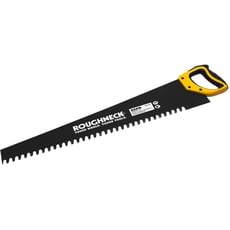
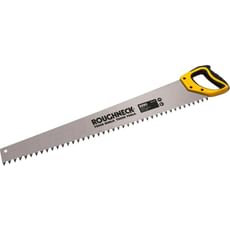
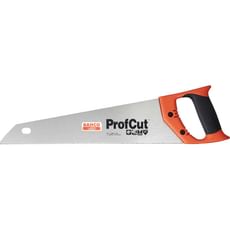
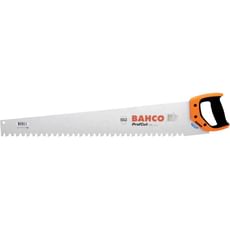
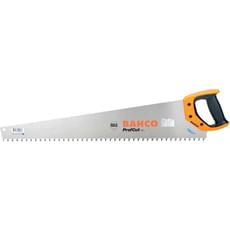
Material Being Cut: Standard hand saws excel at cutting softwoods and hardwoods, but specialised models are available for laminated materials, insulation boards, cellular concrete blocks, and plastics. The Bahco PC 22 INS, for example, is specifically designed for insulation materials, whilst the Bahco 256 ProfCut is optimised for cellular concrete.
Blade Length: Consider both the typical size of materials you'll cut and your working environment. Longer blades (550-600mm/22-24 inches) are more efficient for general site work, removing more material per stroke and reducing fatigue on larger jobs. Compact toolbox saws (300-350mm) are perfect for confined spaces, precise work, and portability when working in tight areas.
Tooth Configuration: Match the TPI to your application. For fast, rough cutting of structural timber or demolition work, choose 6-8 TPI. For general carpentry and construction, 8-10 TPI offers a good balance between speed and finish. For fine finish work, cross-cutting, and precision applications, opt for 10-14 TPI or higher.
Handle Design: Ergonomic handles significantly impact comfort during extended use. Look for soft-grip, contoured handles that distribute pressure evenly across your palm. Professional ranges from Bahco and Draper feature scientifically designed handles that reduce hand fatigue and improve control throughout long working days.
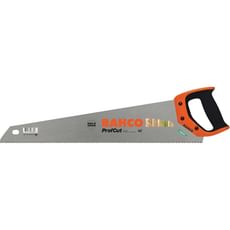
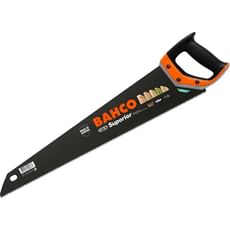
Blade Quality: Premium saws feature hardpoint teeth that maintain sharpness through heavy use, PTFE or similar low-friction coatings, and precise tooth setting. Brands like Bahco's Superior and Barracuda ranges represent professional-grade options, whilst their PrizeCut series offers excellent value for lighter-duty work.
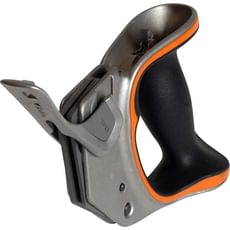
Replaceable vs. Fixed Blade: Some systems, like the Bahco interchangeable hand saw system, allow you to switch blades for different applications using a single handle, offering versatility and value. Traditional fixed-blade saws are typically lighter and may feel more balanced for specific tasks.
Popular Accessories
- Replacement Blades: For interchangeable hand saw systems, keeping spare blades for different materials ensures you're always ready for any cutting task
- Saw Storage Solutions: Blade guards and holsters protect teeth and prevent injury when transporting saws in toolboxes or vans
- Marking and Measuring Tools: Combination squares, speed squares, and carpenter's pencils for accurate cut marking before sawing
- Workbenches and Sawhorses: Stable work surfaces that secure materials safely during cutting operations
- Clamps and Vices: Essential for securing workpieces, preventing movement, and ensuring safe, accurate cuts
- Mitreboxes: Guides for making precise angled cuts when using hand saws for trim and moulding work
- Personal Protective Equipment: Safety glasses to protect against sawdust and debris, and work gloves for handling rough-cut timber
Safety Information
Whilst hand saws are generally safer than powered alternatives, proper safety practices remain essential:
Eye Protection: Always wear safety glasses or goggles when sawing to protect against flying sawdust and debris, particularly when cutting treated timber or composite materials that may contain irritants.
Secure the Workpiece: Never hold material in your hand whilst sawing. Always use a workbench, sawhorse, or clamps to secure the workpiece firmly. Ensure the material is well-supported on both sides of the cut line to prevent binding or sudden movement that could cause the saw to slip.
Correct Posture: Position yourself so the saw cuts away from your body. Keep your non-sawing hand well clear of the cutting line. Maintain balanced footing, especially when working on site or at height.
Sharp Tools: Paradoxically, sharp saws are safer than dull ones. Blunt saws require excessive force that can lead to loss of control and injury. Replace hardpoint saws when teeth become worn, as they cannot be resharpened.
Storage and Transport: Always use blade guards or sheaths when storing or transporting hand saws. Never leave saws lying on work surfaces where they might be accidentally contacted. Store in designated tool storage systems with saws secured to prevent movement during transit.
Material Awareness: When cutting treated timber, engineered wood products, or materials containing resins, work in well-ventilated areas and consider wearing a dust mask, particularly during extended cutting sessions. Follow HSE guidelines for wood dust exposure in professional environments.
Frequently Asked Questions
What's the difference between a hand saw and a panel saw?
The terms are often used interchangeably in the UK. Traditionally, panel saws refer to larger hand saws designed for cutting sheet materials and panels, typically with finer teeth (10+ TPI) for cleaner cuts. However, most modern hand saws available at Tooled-Up can perform both roles, and the distinction has become less important as tooth technology has improved.
Can I sharpen hardpoint hand saws?
No, hardpoint teeth are induction-hardened and cannot be resharpened with traditional files. However, they remain sharp significantly longer than traditional teeth – often lasting several years of professional use. When they eventually become dull, the entire saw should be replaced. The extended lifespan and low initial cost make this economically viable.
What TPI should I choose for general carpentry work?
For all-round carpentry and joinery, a hand saw with 8-10 TPI offers the best balance between cutting speed and finish quality. This tooth count handles both structural cutting and finer work adequately. Many professionals keep both a coarse saw (6-7 TPI) for fast rough cutting and a finer saw (11-14 TPI) for finish work.
How long should my hand saw be?
For general site and workshop use, a 22-inch (560mm) hand saw is the traditional choice, offering efficiency without being unwieldy. However, blade length is partly personal preference. If you frequently work in confined spaces or mainly cut smaller materials, a 16-18 inch (400-450mm) saw may be more practical. Keep a compact toolbox saw for tight situations regardless of your main saw size.
Why does my hand saw keep binding in the cut?
Binding typically occurs when the kerf closes behind the blade due to internal stresses in the timber or inadequate support causing the material to sag. Ensure workpieces are properly supported on both sides of the cut line. The material being cut off should be able to fall away freely. Waxing the blade or choosing a saw with PTFE coating can also reduce binding. If cutting green or wet timber, a saw with more aggressive tooth set may be necessary.