

Hand Tile Saws
Pay in 3 interest-free payments on purchases from £30-2000 with  . Learn more.

 Loading...
End of content
Error - No more pages to load
About Hand Tile Saws
Hand tile saws are indispensable manual cutting tools engineered for scoring and cutting ceramic tiles, porcelain tiles, and other rigid tiling materials with precision and control. Unlike powered tile cutters, these hand-operated tools excel in situations requiring detailed work, intricate cuts, or working in locations where electrical power is unavailable or impractical. They're particularly valuable for cutting awkward shapes, creating curved cuts around pipes and obstacles, and working in confined spaces where larger equipment simply won't fit.
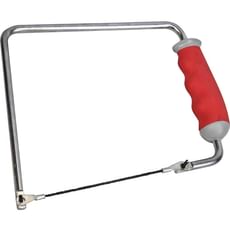
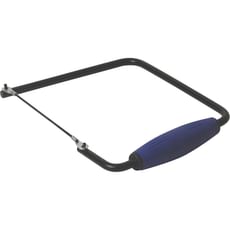
A typical hand tile saw features a robust steel frame housing a specialised blade – either a tungsten carbide rod saw or a TCT (Tungsten Carbide Tipped) blade – capable of slicing through the hardest tile surfaces. The ergonomic handles, frequently incorporating soft grip technology, ensure comfortable extended use whilst maintaining precise control during detailed work. Professional-grade models from brands like Faithfull, Vitrex, Draper, and Starrett are built to withstand the demands of daily site work whilst remaining accessible and affordable for DIY enthusiasts tackling home improvement projects.
These versatile tools complement your tile cutting arsenal alongside manual tile cutters and angle grinders, providing a virtually dust-free, quiet cutting solution that's perfect for creating holes for pipe work, cutting notches around obstacles, and trimming tiles to fit irregular spaces. Whether you're a professional tiler working on commercial installations or a homeowner renovating a bathroom, a reliable hand tile saw from Tooled-Up.com is an essential addition to your toolkit, offering precision that powered tools often cannot match.
Jargon Buster
- TCT Blade (Tungsten Carbide Tipped): A cutting blade with extremely hard tungsten carbide particles bonded to the cutting edge, providing exceptional durability and the ability to cut through porcelain, ceramic, and even natural stone tiles without dulling quickly. These blades deliver cleaner straight cuts than standard hacksaw blades.
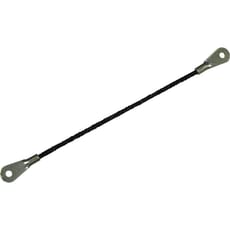
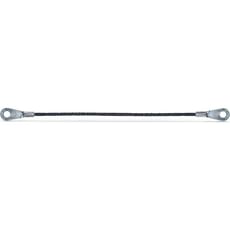
- Rod Saw: A circular or hexagonal tungsten carbide-coated wire that cuts in all directions, making it ideal for creating curved cuts, circular holes, and intricate shapes in tiles. The rod is held in tension within the saw frame and is particularly useful for cutting around pipe work and creating openings in already-installed tiles.
- Soft Grip: An ergonomic handle design featuring cushioned, non-slip material that reduces hand fatigue during extended cutting sessions and provides superior control in wet or dusty conditions typical of tiling work. Essential for professional tradespeople working throughout the day.
- Frame Tension: The adjustable tightness of the blade within the saw frame. Proper tension ensures straight cuts and prevents blade breakage, whilst allowing the blade to be replaced when worn. Quality frames from brands like Faithfull and Vitrex maintain consistent tension throughout heavy use.
- Kerf: The width of material removed by the saw blade during cutting. Hand tile saw blades typically have a narrow kerf, minimising material waste and allowing for precise fitting with minimal gaps around obstacles.
- Scoring: The initial cutting action that creates a groove in the tile surface, which helps guide subsequent cuts and prevents the blade from wandering across the glazed tile face, ensuring accuracy on smooth, slippery surfaces.
Who Uses Hand Tile Saws?
- Professional Tilers: Wall and floor tiling specialists who require precision cutting tools for detailed work on domestic and commercial projects
- Bathroom Fitters: Tradespeople installing sanitaryware who need to cut tiles around pipes, toilet bases, shower enclosures, and other fixtures
- Kitchen Installers: Specialists fitting splashbacks and worktop upstands who require accurate cuts around electrical sockets, taps, and plumbing
- Shopfitters: Commercial contractors working on retail spaces where tile cutting must be precise and relatively quiet to avoid disturbing adjacent businesses
- Property Maintenance Teams: Multi-trade operatives carrying out repairs and refurbishments in occupied buildings where power tools may be impractical or disruptive
- DIY Enthusiasts: Homeowners undertaking bathroom, kitchen, utility room, or conservatory renovations who need professional results without investing in expensive powered equipment
- Heritage and Restoration Specialists: Craftspeople working on listed buildings or period properties where careful, controlled cutting is essential to preserve surrounding materials and original features
How to Choose the Right Hand Tile Saws
Blade Type: Consider whether you need a standard TCT blade for straight cuts or a rod saw for curved work and hole cutting. Many professionals keep both types in their toolkit. Tungsten carbide rod saws, like those from Starrett and Draper, are particularly versatile for creating circular openings for pipe work, whilst TCT blades excel at delivering straight, clean edges for trimming tiles to size.
Frame Quality: Look for robust steel frames that maintain blade tension without flexing during use. Models available at Tooled-Up feature frames designed to withstand years of professional site work. A quality frame should feel solid in hand and feature secure blade mounting points that won't work loose over time, even with daily use on demanding projects.
Handle Comfort: Soft grip handles significantly reduce hand fatigue during extended cutting sessions. If you're tiling full rooms rather than making occasional cuts, this feature becomes essential. The Faithfull Soft Grip Hand Tile Saw and Vitrex Soft Grip Hand Tile Saw exemplify this design priority. Check that the handle design suits your hand size and provides adequate knuckle clearance when cutting tiles positioned against walls or in corners.
Blade Replacement: Verify that replacement blades are readily available and reasonably priced. Common brands like Faithfull, Vitrex, Draper, and Starrett ensure you won't face downtime waiting for consumables. The Faithfull TCT Blade for their tile rod saw, for example, is widely stocked through UK trade counters and online suppliers.
Cutting Depth: Consider the frame depth if you regularly work with thicker tiles or need to cut through tiles already fixed to walls. Standard hand tile saws accommodate most ceramic and porcelain wall and floor tiles up to 10mm thick, but specialist applications with natural stone or thick outdoor tiles may require larger frames.
Intended Use: Professional tradespeople working daily should invest in premium models from established brands like Faithfull or Vitrex, whilst occasional DIY users can achieve excellent results with reliable options from Draper that offer outstanding value without compromising on essential features or cutting performance.
Popular Accessories
- Replacement Blades: Spare TCT blades and tungsten carbide rod saw wire to maintain cutting performance, including Draper and Starrett replacement options
- Tile Measuring Tools: Combination squares, T-squares, and tile scribes for accurate marking before cutting
- Tile Spacers: Essential for maintaining consistent grout lines alongside precise tile cutting
- Tile Files and Rubbing Stones: For smoothing cut edges and removing sharp burrs after sawing, ensuring safe handling and professional finish
- Dust Sheets and Protective Covers: To protect finished surfaces whilst cutting tiles in situ during renovation work
- Chinagraph Pencils and Markers: For marking cutting lines on glazed tile surfaces that won't rub off during handling
- Manual Tile Cutters: Complementary tools from brands like Vitrex for making quick straight cuts on thinner tiles
- Safety Glasses: Essential eye protection when cutting tiles to prevent injury from tile fragments and dust
- Cut-Resistant Work Gloves: To protect hands from sharp tile edges during cutting and handling of freshly cut materials
- Tile Nippers: For making small adjustments and nibbling away material after initial saw cuts
Safety Information
Personal Protection: Always wear safety glasses or goggles when cutting tiles, as fragments can chip off unexpectedly, particularly from the glazed surface of ceramic tiles which produces sharp shards. Consider wearing cut-resistant gloves, especially when handling freshly cut tiles with exposed edges that can cause nasty cuts.
Blade Handling: Tungsten carbide blades and rod saws are extremely hard but can be brittle. Handle them carefully during installation and removal to prevent breakage. Never force a blade that's binding in a cut – instead, ease back and restart the cut at a slightly different angle to avoid blade snapping.
Work Surface Stability: Always secure tiles properly before cutting. Tiles that move during cutting can bind the blade, potentially causing it to snap and creating a risk of hand injury. Use a stable workbench, purpose-built tile cutting stand, or secure the tile firmly against a solid surface.
Dust Awareness: Whilst hand tile saws produce significantly less dust than powered cutters, cutting porcelain and ceramic tiles still generates fine silica dust. Work in well-ventilated areas and consider wearing a dust mask during extended cutting sessions, in accordance with HSE guidance on respirable crystalline silica (RCS) exposure limits.
Blade Maintenance: Inspect blades regularly for damage, wear, or loose mounting. A worn blade requires more pressure to cut, increasing the risk of slipping and potential injury. Replace blades when cutting performance deteriorates rather than forcing tired blades through tiles, which compromises both safety and cut quality.
Frequently Asked Questions
Can hand tile saws cut porcelain tiles as well as ceramic?
Yes, quality hand tile saws with tungsten carbide blades can cut both porcelain and ceramic tiles effectively. Porcelain is denser and harder than ceramic, so cuts will take slightly longer and blades may wear more quickly, but brands like Faithfull, Vitrex, Draper, and Starrett design their saws specifically to handle modern porcelain tiles. For extensive porcelain cutting on large projects, ensure you have spare blades available to maintain cutting efficiency.
What's the difference between a rod saw and a standard TCT tile saw blade?
A rod saw uses a round or hexagonal tungsten carbide-coated wire that cuts in all directions, making it perfect for curved cuts, circles, and irregular shapes around pipes and obstacles. A standard TCT blade cuts like a traditional hacksaw in a back-and-forth motion, excelling at straight cuts and providing cleaner edges on straight lines. Many professional tilers keep both types, using the rod saw for detailed work around pipe work and the TCT blade for trimming tiles to size efficiently.
How long do hand tile saw blades typically last?
Blade life depends on the tile material, cutting frequency, and blade quality. A professional tiler working daily might replace a rod saw every few weeks on intensive projects, whilst a TCT blade could last several months with proper care and regular cleaning. DIY users completing a single bathroom or kitchen project will typically find one blade sufficient for the entire job. Cutting harder porcelain tiles naturally wears blades faster than softer ceramic tiles, so budget accordingly.
Do I need a powered tile cutter if I have a hand tile saw?
Hand tile saws and powered cutters serve different purposes in a tiler's toolkit. Hand saws excel at intricate work, small cuts, curved lines, holes for pipes, and situations where power isn't available or noise is a concern. For cutting numerous tiles to size quickly or making long straight cuts efficiently, a powered tile cutter or manual snap cutter is more practical. Most professional tilers use a combination of tools depending on the specific cutting task and working environment.
Can hand tile saws be used on tiles already fixed to walls?
Absolutely – this is one of the key advantages of hand tile saws over other cutting methods. They're ideal for cutting tiles in situ, such as when you need to create an opening for a new electrical socket, add pipe work, or make adjustments after tiles are already installed. The manual control allows you to work carefully without damaging surrounding tiles or grout lines. Ensure you have adequate clearance for the saw frame and work slowly to maintain accuracy when cutting mounted tiles, particularly on vertical surfaces.