

Hand Wire Brushes
Pay in 3 interest-free payments on purchases from £30-2000 with  . Learn more.
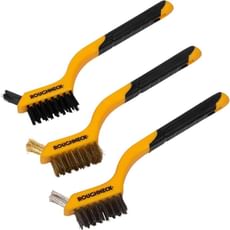
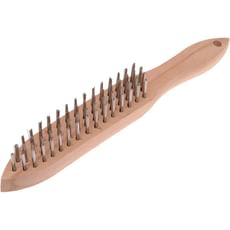
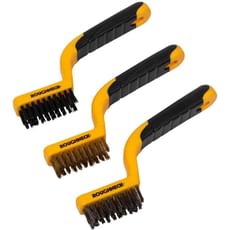
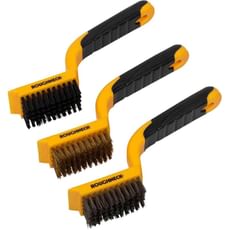
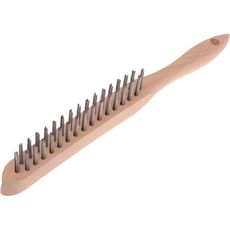
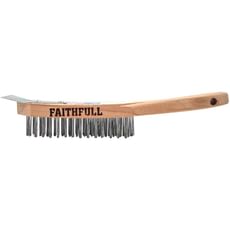
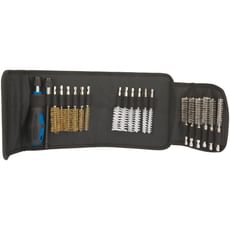
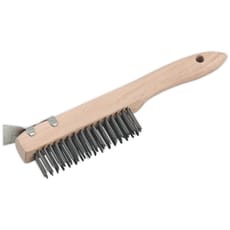
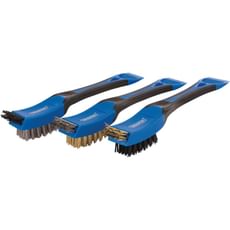
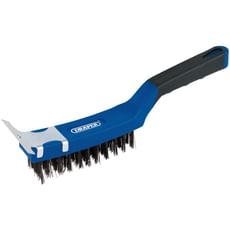
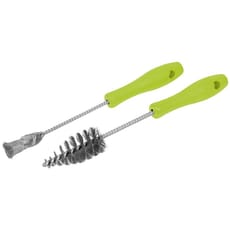
 Loading...
End of content
Error - No more pages to load
About Hand Wire Brushes
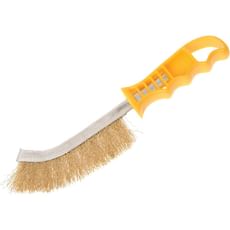
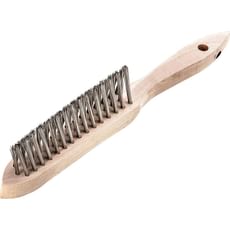
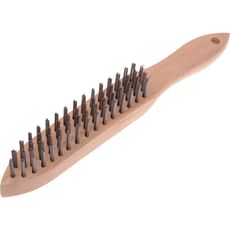
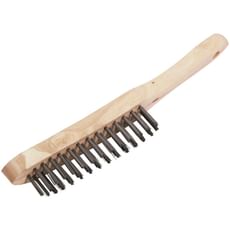
Hand wire brushes are indispensable tools for cleaning, preparing and maintaining metal surfaces across countless professional and DIY applications. These manual brushes feature bristles made from steel, brass, stainless steel or nylon, each material offering distinct characteristics suited to different tasks. From removing stubborn rust and paint to cleaning welds, deburring edges and preparing surfaces for finishing, hand wire brushes deliver precise control and access to confined spaces where powered alternatives simply cannot reach. Their versatility makes them essential kit for anyone working with metal components, machinery or fabrication.
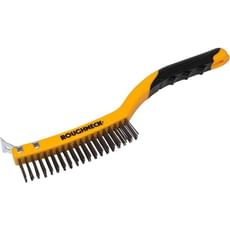
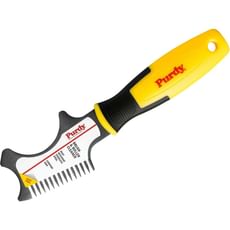
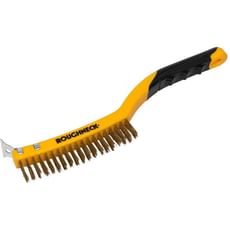
The selection available from Tooled-Up.com includes everything from compact scratch brushes for detailed work to heavy-duty D-handle models for aggressive surface preparation. Leading brands such as Draper, Faithfull, Roughneck and Lessmann manufacture brushes in various configurations including two-handle designs for maximum force application, file card brushes for tool maintenance, and combination brush-scraper tools that tackle multiple tasks. Whether you need a single specialist brush or a comprehensive set covering multiple bristle types and sizes, the range caters for every requirement from light household maintenance to demanding industrial applications.
Choosing the correct bristle material is fundamental to achieving optimal results whilst protecting the workpiece. Steel bristles provide aggressive cleaning power ideal for ferrous metals and heavy corrosion removal, brass offers gentler action perfect for softer metals and spark-sensitive environments, stainless steel prevents cross-contamination when working with stainless components, and nylon delivers the softest touch for delicate surfaces. Professional tradespeople typically maintain several brush types in their toolkit to handle the full spectrum of cleaning and preparation challenges encountered on site.
Jargon Buster
- Scratch Brush
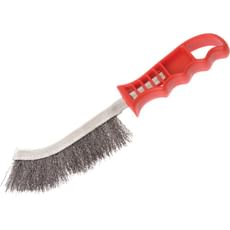
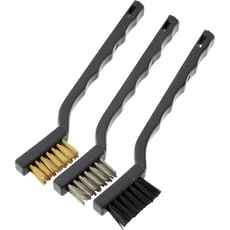
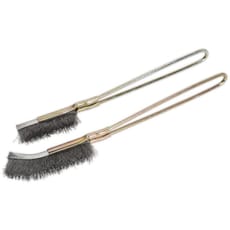
- A narrow, compact hand wire brush designed for working in tight spaces, cleaning small components and detailed preparation tasks. Usually features a wooden or plastic handle with steel or brass bristles arranged in rows.
- D-Handle Brush
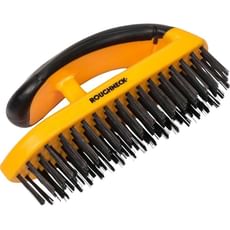
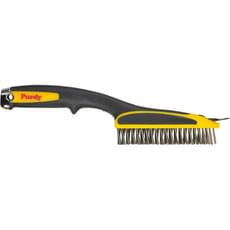
- A robust wire brush with a D-shaped handle that enables significant downward pressure during scrubbing, making it particularly effective for removing stubborn paint, corrosion and scale from large flat surfaces.
- Brass Fill
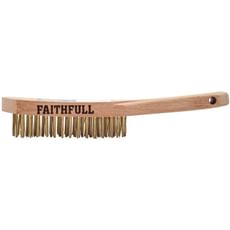
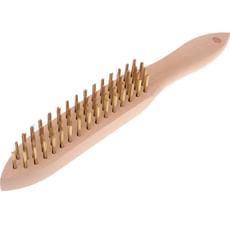
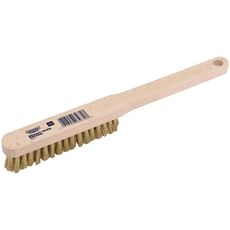
- Wire brushes featuring brass bristles which are softer than steel and non-sparking. Essential for use around flammable materials, in spark-sensitive environments, and for cleaning softer metals like copper and aluminium without causing surface damage or contamination.
- Crimped Wire
- Bristles that have been crimped or waved rather than left straight, providing slightly softer brushing action with greater flexibility and improved surface coverage compared to straight wire.
- File Card Brush
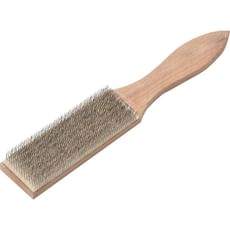
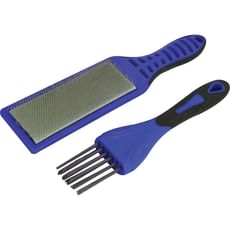
- A specialised brush with short, fine wire bristles designed specifically for cleaning metal filings and debris from files, maintaining sharp cutting teeth and extending file life.
- Stainless Steel Fill
- Brushes with stainless steel bristles that resist corrosion themselves, ideal for damp environments and when working with stainless steel components to prevent iron contamination that could cause rust.
Who Uses Hand Wire Brushes?
Hand wire brushes serve numerous trades and applications across professional and domestic settings:
- Welders and Fabricators: Cleaning welds, removing slag, spatter and oxidation from metal joints and prepared edges
- Motor Mechanics and Vehicle Technicians: Cleaning engine components, removing corrosion from chassis, preparing surfaces for bodywork repair
- Plumbers and Heating Engineers: Cleaning pipe threads, removing scale and corrosion from fittings, radiators and valves
- Electricians: Cleaning electrical contacts, preparing cable terminations, removing corrosion from junction boxes and enclosures
- Maintenance Engineers: General cleaning and preparation of machinery, tools and equipment across industrial facilities
- Painters and Decorators: Preparing metal surfaces before painting, removing loose paint, rust and mill scale
- Carpenters and Joiners: Cleaning hand tools, removing resin and build-up from cutting equipment and machinery
- General Builders: Site cleaning, tool maintenance, surface preparation across varied materials and applications
- DIY Enthusiasts and Home Improvers: Restoration projects, garden equipment maintenance, general household repairs and refurbishment
How to Choose the Right Hand Wire Brushes
Bristle Material Selection: Steel wire provides aggressive cleaning for ferrous metals and heavy rust removal but can contaminate softer metals. Brass bristles offer softer, non-sparking cleaning ideal for softer metals and spark-sensitive environments. Stainless steel prevents cross-contamination when working with stainless components, whilst nylon delivers gentle cleaning for painted surfaces, plastics and situations where metal contamination is unacceptable.
Brush Style and Configuration: Scratch brushes excel at detailed work and confined spaces. D-handle brushes provide leverage for applying pressure to larger flat surfaces. Two-handle brushes offer maximum control and force for heavy-duty applications. File card brushes are essential for tool maintenance, and combination brush-scraper tools deliver versatility for varied tasks.
Bristle Density and Stiffness: Denser bristle packs provide more aggressive cleaning action but may struggle accessing tight recesses. Consider whether you need stiff bristles for heavy cleaning or more flexible crimped wire for general purpose work and better surface conformity.
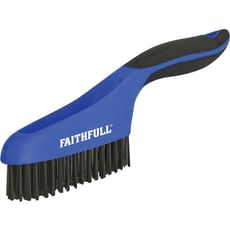
Handle Design and Ergonomics: For frequent use, prioritise brushes with comfortable, ergonomically designed handles. Traditional wooden handles offer natural comfort, whilst modern plastic or rubberised grips may provide superior purchase when working with wet or oily hands.
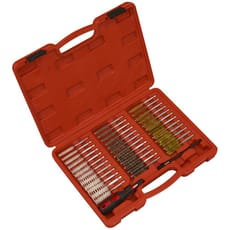
Set or Individual Purchase: Multi-piece brush sets from brands like Draper and Faithfull offer excellent value and ensure you have appropriate options for various applications. The Draper Expert 20 Piece Wire Brush Set provides comprehensive coverage, whilst individual specialist brushes suit specific requirements.
Quality and Durability: Professional-grade brushes from Draper Expert, Faithfull and Lessmann ranges feature securely anchored bristles that resist premature shedding and robust construction that withstands demanding site use, delivering better value over time.
Popular Accessories
- Wire Wheel Brushes: Power tool attachments for drill or bench grinder use when manual brushing proves impractical for larger areas
- Safety Goggles and Face Shields: Essential PPE from brands like Portwest to protect eyes from flying debris and wire bristle fragments
- Work Gloves: Cut-resistant gloves from DeWalt or Portwest for hand protection during brushing operations
- Rust Converters and Removers: Chemical treatments from Liberon that complement mechanical cleaning for thorough rust treatment
- Wire Brush Cleaning Combs: Maintenance tools for cleaning and maintaining wire brushes themselves, extending service life
- Paint Scrapers: Complementary tools for removing loose material before wire brushing surfaces
- Degreasing Agents and Cleaners: Solvents for thorough cleaning after mechanical preparation work
- Abrasive Sheets and Sandpaper: For finishing work after initial wire brushing and surface preparation
Safety Information
Eye Protection is Mandatory: Always wear safety goggles or a face shield when using wire brushes. Wire bristles can break off during use and metal particles dislodged from workpieces pose serious eye injury risks. This is a fundamental HSE requirement for any brushing operation.
Hand and Skin Protection: Wear appropriate work gloves to protect hands from sharp wire bristles and the edges of materials being cleaned. Be aware that broken bristles can penetrate skin and cause painful injuries requiring medical attention.
Respiratory Considerations: When removing rust, paint or working with materials that may contain hazardous substances, wear appropriate respiratory protection. Old paint may contain lead, and rust removal generates fine dust particles. Follow COSHH regulations when working with contaminated surfaces.
Bristle Fragment Hazards: Inspect brushes regularly for wear and damage. Discard brushes with loose or broken bristles that could become embedded in skin or contaminate work areas. Never use excessive force that might cause bristles to break during operation.
Work Environment: Ensure adequate ventilation when wire brushing, particularly in confined spaces. Keep work areas tidy and brush away debris regularly to prevent slip hazards from accumulated particles.
Spark Generation: Steel wire brushes can generate sparks when used on certain materials. Never use steel brushes near flammable materials, gases or in potentially explosive atmospheres. Use brass or nylon alternatives in these environments.
Frequently Asked Questions
What's the difference between steel, brass and nylon wire brushes?
Steel wire brushes are the most aggressive option, suitable for heavy-duty cleaning of ferrous metals, rust removal and paint stripping. Brass brushes are softer, non-sparking and ideal for cleaning softer metals like copper, aluminium and brass without scratching or contamination. Nylon brushes are the gentlest, perfect for cleaning delicate surfaces, removing light debris and applications where metal contamination must be avoided entirely. Many professionals keep all three types for different situations.
How do I prevent wire brushes from clogging during use?
Regular cleaning during use is essential. Tap or strike the brush against a hard surface periodically to dislodge accumulated debris. For stubborn build-up, use a wire brush cleaning comb or an old screwdriver to rake through the bristles. When working with particularly sticky or oily materials, consider using a degreasing agent to clean the brush thoroughly after use. Proper maintenance significantly extends brush life and maintains cleaning effectiveness.
Can I use the same wire brush on different metals?
This depends on the application. Avoid using steel brushes on stainless steel, aluminium or other non-ferrous metals as steel particles can become embedded and cause corrosion. If you've used a brush on mild steel, don't subsequently use it on stainless steel. For professional work requiring contamination control, dedicate specific brushes to specific materials. Brass and nylon brushes offer safer options for multi-material use.
How often should I replace hand wire brushes?
Replace brushes when bristles become significantly worn, bent or sparse, reducing cleaning effectiveness. If bristles are breaking off regularly or the brush no longer maintains its shape, it's time for replacement. Professional tradespeople working daily might replace heavily-used brushes monthly, whilst occasional users may find quality brushes from Tooled-Up last for years. Regular inspection ensures you maintain both safety and performance standards.
Are hand wire brushes better than power brush attachments for certain tasks?
Absolutely. Hand wire brushes offer superior control for detailed work, better access to confined spaces and eliminate the risk of over-aggressive material removal. They're ideal for delicate components, cleaning threads and recesses, tool maintenance, and situations where power tools would be impractical or dangerous. Many professionals use both, selecting the appropriate tool based on specific task requirements.