

Handles & Wedges

Pay in 3 interest-free payments on purchases from £20-£3000 with  . Learn more.







 Loading...
End of content
Error - No more pages to load
About Handles & Wedges
Handles and wedges are essential replacement components that extend the working life of hammers and other striking tools. When a hammer handle becomes cracked, loose, or worn through regular use, replacing it with quality parts is far more cost-effective than purchasing an entirely new tool. For tradespeople who rely on their hammers daily, having access to proper replacement handles and wedges means trusted tools can be restored to safe working condition, maintaining the balance and feel that comes from years of familiarity on site or in the workshop.
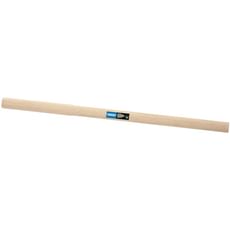
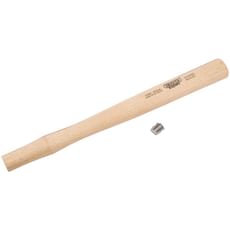
Hammer handles at Tooled-Up.com are available in traditional materials such as ash and hickory wood, alongside modern fibreglass and composite alternatives. Each material delivers distinct characteristics in terms of shock absorption, durability, and grip feel. Wooden handles offer excellent natural vibration dampening and a traditional feel favoured by many experienced tradespeople, whilst fibreglass handles provide superior weather resistance and longevity, particularly for tools stored in vans or used outdoors. Hammer wedges, though small in size, perform the critical function of securing the hammer head firmly to the handle. Available in both wooden and metal varieties, these wedges create the tight, reliable connection that's vital for safe operation under heavy striking loads.
The range includes handles and wedges compatible with hammer heads from trusted manufacturers including Stanley, Bahco, and other professional brands. With proper fitting techniques and quality replacement components, a worn hammer can be restored to like-new condition, providing years of additional service whilst maintaining the precise balance and handling characteristics that professionals depend upon for accurate work.
Jargon Buster
- Eye - The socket or hole in the hammer head where the handle is inserted and secured. Eye dimensions vary between hammer types and must be carefully matched to the replacement handle diameter and length.
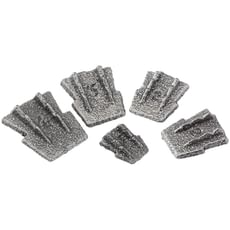
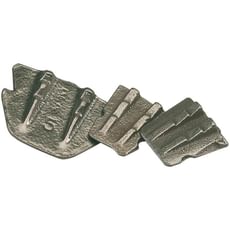
- Wedge - A tapered piece of wood or metal driven into a pre-cut slot at the top of the handle to expand it within the hammer head's eye, creating a secure mechanical connection that prevents loosening during use.
- Hickory - A premium hardwood species traditionally used for hammer handles due to exceptional shock absorption properties, natural flexibility that reduces user fatigue, and excellent strength-to-weight ratio.
- Fibreglass Handle - Modern handle construction offering superior durability and complete weather resistance compared to timber, with consistent performance characteristics that don't change with moisture content.
- Cross Wedge - A metal wedge inserted perpendicular to the primary wooden wedge for additional security, commonly specified for heavier striking tools such as lump hammers and sledgehammers.
- Handle Grain - The direction of wood fibres in a timber handle; proper grain alignment running lengthwise along the handle is critical for maximum strength and resistance to splitting under impact loads.
Who Uses Handles & Wedges?
Replacement handles and wedges are essential maintenance components for anyone who regularly uses striking tools:
- Carpenters and joiners maintaining claw hammers for daily framing, second fixing, and general carpentry applications
- General builders working on construction sites where hammers endure constant heavy-duty use
- Landscapers using lump hammers and sledgehammers for fence post installation, paving, and groundwork
- Roofers maintaining specialist hammers for slate work, tile fixing, and felt application
- Demolition contractors whose tools experience extreme conditions requiring regular handle replacement
- Maintenance engineers in industrial settings responsible for workshop equipment upkeep
- DIY enthusiasts restoring inherited or vintage tools to safe working condition
- Tool collectors and restorers preserving traditional hand tools for display or continued use
- Agricultural and groundwork professionals maintaining heavy striking tools for outdoor applications
- Metalworkers and fabricators using ball pein and cross pein hammers requiring periodic handle replacement
How to Choose the Right Handles & Wedges
Measure the Eye Dimensions: Accurate measurement of the hammer head's eye diameter and depth is essential. Use callipers or a precision ruler to determine the exact size required, as handles from Tooled-Up are manufactured to specific dimensions matching standard hammer patterns from brands like Stanley and Bahco. An incorrectly sized handle creates a dangerous situation where proper wedging cannot be achieved.
Select Appropriate Material: Traditional ash and hickory handles deliver excellent shock absorption and the natural feel that many experienced tradespeople prefer for extended use. Fibreglass handles offer superior durability, consistent performance regardless of weather conditions, and require minimal maintenance, making them ideal for tools stored in vans or used on exposed sites. Consider your working environment, storage conditions, and personal preference for weight and vibration characteristics.
Match Handle Length: Replacement handles are available in various lengths to suit different hammer types, from compact claw hammer handles around 330mm to extended sledgehammer handles exceeding 900mm. Generally, match the original handle length unless you specifically wish to modify the tool's leverage and striking characteristics for particular applications.
Choose Wedge Type: Wooden wedges alone typically provide sufficient security for light to medium hammers used in general applications. Metal cross wedges offer additional holding power for heavier striking tools like lump hammers and sledgehammers subjected to high-impact loads. Professional installations often use both wooden and metal wedges together for maximum security on heavy-duty tools.
Assess Quality Grade: Professional-grade handles feature straight, consistent grain patterns with proper moisture content and no visible defects. Avoid handles with knots, cross-grain, or splits, as these represent weak points that can lead to catastrophic failure during use. Quality handles are properly seasoned to prevent excessive shrinkage or swelling after fitting.
Popular Accessories
- Wood rasps and files for shaping handle dimensions to achieve perfect fitting in the hammer eye
- Abrasive papers in various grits for smoothing and finishing wooden handles after installation
- Linseed oil for treating and preserving timber handles against moisture absorption and surface wear
- Pin hammers or mallets for driving wedges securely without damaging surrounding material
- Tenon saws or coping saws for cutting wedge slots and trimming excess handle length
- Engineer's callipers for accurate measurement of eye diameters and handle dimensions
- Bench vice or workbench for securely holding components during handle replacement procedures
- Work gloves for protecting hands during fitting operations and rough shaping work
- Wood chisels for fine-tuning handle fit and removing excess material from tight eyes
Safety Information
Correctly fitted handles and wedges are absolutely critical for safe striking tool operation. A loose hammer head can detach during use, creating a dangerous projectile capable of causing serious injury to the user or nearby workers. Always ensure wedges are driven completely home until resistance is felt, and check security regularly, particularly after the first few hours of use as wooden components settle and compress.
Before fitting a replacement handle, carefully inspect the hammer head's eye for cracks, mushrooming, or deformation that could compromise the connection integrity. The Health and Safety Executive (HSE) recommends regular inspection of all striking tools as part of routine workplace safety procedures. Never continue using a hammer with a cracked, split, or loose handle, as catastrophic failure during striking can result in loss of control and serious injury.
Allow newly fitted wooden handles to settle for 24-48 hours before subjecting them to heavy use, and be prepared to re-tighten wedges if slight looseness develops as the wood compresses. Fibreglass handles should be verified as completely seated in the eye, with any retaining pins, metal wedges, or mechanical fasteners properly secured according to manufacturer specifications before the tool is returned to service.
Frequently Asked Questions
Can I use any handle with my hammer head?
No, handles must precisely match the eye size, shape, and taper of your specific hammer head. Measure the eye diameter and depth carefully, then select a handle specifically designed for that size and hammer type. Using an incorrectly sized handle creates a dangerous situation where adequate wedging cannot be achieved, risking head detachment during use.
How do I know when my hammer handle needs replacing?
Replace handles immediately if they show cracks, splits, excessive wear, loose grain, or persistent looseness that cannot be corrected by re-wedging. Any handle that feels loose during striking represents a significant safety hazard on site and should be addressed before further use. Regular visual inspection should be part of routine tool maintenance.
Are fibreglass handles better than traditional wooden ones?
Each material offers distinct advantages for different applications. Fibreglass provides superior durability, complete weather resistance, and requires virtually no maintenance, making it ideal for tools stored outdoors or in damp conditions. Traditional hickory delivers excellent shock absorption and a natural feel that many experienced professionals prefer for extended use. Choice depends on working conditions and personal preference.
Do I need both wooden and metal wedges for my hammer?
For light to medium hammers used in general applications, a single wooden wedge typically provides adequate security when properly installed. Heavier striking tools such as lump hammers, club hammers, and sledgehammers benefit from both a wooden wedge and a metal cross wedge installed perpendicular to each other for maximum security under high-impact use.
Can I repair a cracked wooden handle rather than replacing it?
No, cracked or split handles must always be replaced rather than repaired, regardless of crack size. Even small cracks severely compromise structural integrity and can propagate rapidly under impact loads, leading to catastrophic failure during use. The modest cost of a replacement handle is negligible compared to the injury risk associated with continued use of damaged components.