

Hard Hats & Safety Helmets

Pay in 3 interest-free payments on purchases from £20-£3000 with  . Learn more.
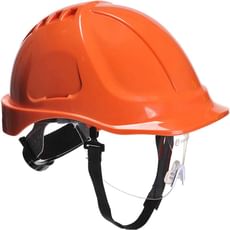
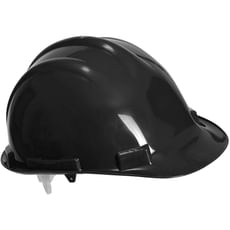
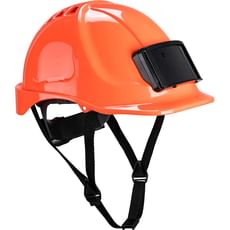
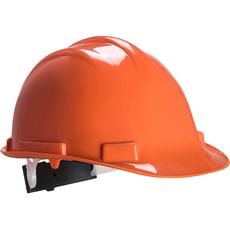
 Loading...
End of content
Error - No more pages to load
About Hard Hats & Safety Helmets
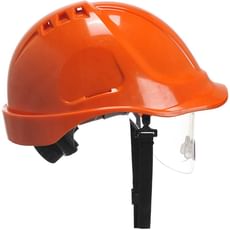
Hard hats and safety helmets represent essential personal protective equipment (PPE) designed to safeguard workers from head injuries caused by falling objects, impacts, bumps, and electrical hazards. Whether operating on construction sites, within industrial environments, or carrying out maintenance work, wearing approved head protection isn't merely good practice—it's a legal requirement under HSE regulations for many work environments across the UK.
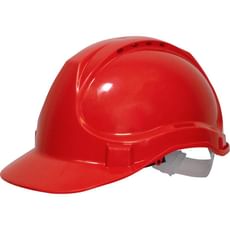
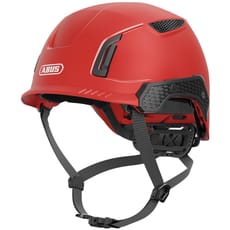
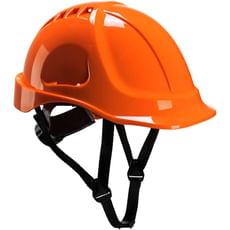
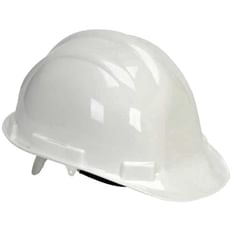
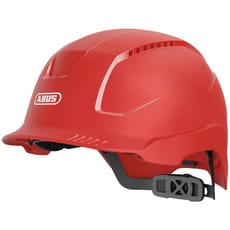
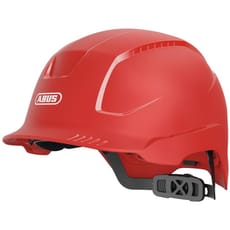
Tooled-Up.com stocks a comprehensive range of hard hats and safety helmets, from basic impact-resistant hard hats meeting EN 397 standards to advanced safety helmets featuring integrated ventilation systems and mounting points for accessories. The selection includes trusted brands such as DeWalt, Portwest, and other leading manufacturers of professional-grade PPE, ensuring tradespeople and site workers can find head protection suitable for every application and budget.
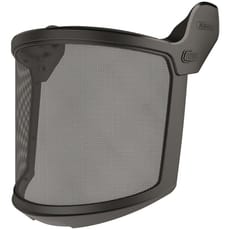
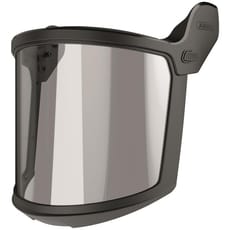
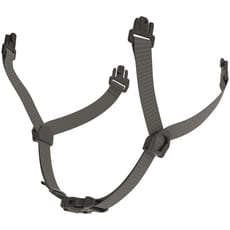
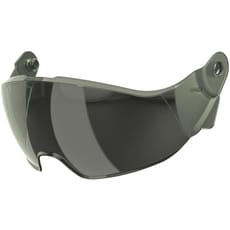
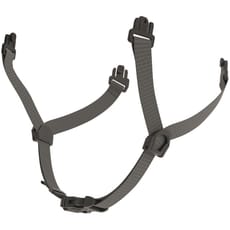
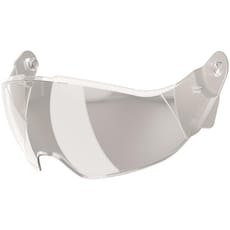
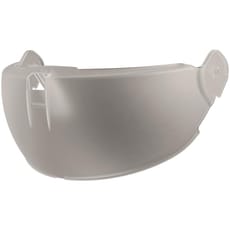
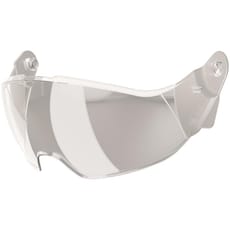
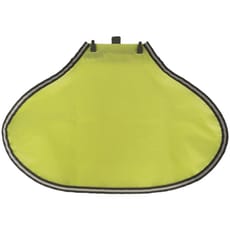
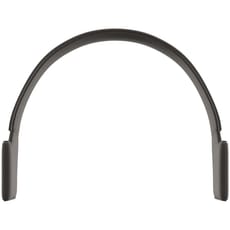
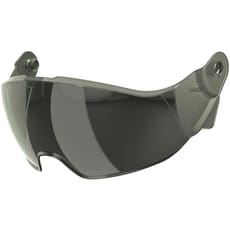
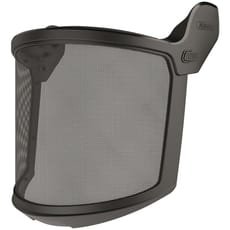
Beyond the helmets themselves, proper head protection often requires additional accessories to enhance both safety and functionality. The range includes hard hat accessories such as chin straps, replacement harnesses, ear defenders, face shields, and safety visors that attach to compatible helmets. This modular approach allows workers to customise their head protection system to match the specific hazards present in their working environment, whether that's construction site debris, electrical installations, or work at height scenarios.
Jargon Buster
- EN 397
- The European standard for industrial safety helmets, specifying requirements for shock absorption, penetration resistance, and flame resistance. This remains the minimum standard for most construction site hard hats throughout the UK.
- EN 12492
- The standard for mountaineering and climbing helmets, sometimes adopted in work-at-height scenarios where both top and side impact protection is required for enhanced safety.
- EN 50365
- Specification for electrically insulating helmets suitable for use on low voltage installations up to 1000V AC or 1500V DC—essential for sparkies working on live electrical systems.
- Ratchet Harness
- An internal suspension system featuring a dial adjustment mechanism allowing precise fit adjustment. Provides superior comfort compared to traditional pinlock systems during extended wear.
- Ventilated Shell
- Hard hats featuring built-in vents that improve airflow and reduce heat buildup, ideal for warm environments or physically demanding work on construction sites.
- Accessory Slots
- Standardised mounting points on the helmet shell for attaching ear defenders, visors, headlamps, and other safety accessories without compromising the helmet's protective integrity.
Who Uses Hard Hats & Safety Helmets?
Hard hats and safety helmets serve as essential PPE across numerous trades and industries throughout the UK:
- Construction Workers: Builders, bricklayers, and site labourers working where overhead hazards are present
- Electricians (Sparkies): Requiring electrically insulated helmets when working on live installations up to 1000V
- Scaffolders: Working at height with significant risks from dropped tools and materials
- Carpenters (Chippies): Operating on construction sites with multiple overhead trades
- Plumbers and Heating Engineers: Often working in confined spaces and beneath pipework
- Demolition Contractors: Requiring high-impact protection in particularly hazardous environments
- Factory and Warehouse Workers: Operating in industrial environments with moving machinery and overhead loads
- Arborists and Tree Surgeons: Needing helmets with integrated face and hearing protection
- Civil Engineers: Supervising or working on infrastructure projects across the UK
- Site Visitors and Management: Anyone entering construction sites, even temporarily, must wear appropriate head protection
How to Choose the Right Hard Hats & Safety Helmets
Selecting appropriate head protection requires careful consideration of your specific working environment and associated hazards:
Identify the Hazards: Assess whether you're primarily protecting against falling objects (vertical impact), side impacts, electrical hazards, or multiple risks. This determines which EN standard you require—EN 397 covers most construction applications, whilst EN 12492 provides enhanced side impact protection for complex work-at-height scenarios.
Comfort and Fit: A helmet that's uncomfortable won't be worn consistently throughout the working day. Look for adjustable harness systems, preferably ratchet-type mechanisms that allow precise sizing. Consider weight—prolonged wear of heavy helmets causes neck fatigue. Ventilated designs significantly improve comfort during summer months or physically demanding work.
Accessory Compatibility: If you need to attach ear defenders, face shields, or headlamps, ensure your chosen helmet features the appropriate mounting slots. Brands like DeWalt and Portwest available at Tooled-Up offer complete systems where accessories are guaranteed compatible across the range.
Electrical Work Considerations: Sparkies must use helmets meeting EN 50365 when working on live installations. These electrically insulating helmets are clearly marked with a specific symbol and voltage rating—never assume a standard hard hat provides adequate electrical protection.
Environment and Durability: Consider your working conditions—some materials perform better in extreme temperatures. Check the expiry date or service life specified by the manufacturer, as UV exposure and general wear degrade protective properties over time, typically requiring replacement every 3-5 years.
High-Visibility Requirements: Many UK sites require bright colours or reflective elements for improved visibility. Yellow, orange, and white remain standard colours, with some helmets featuring reflective strips or panels for enhanced safety during low-light conditions.
Popular Accessories
Enhance your head protection system with these commonly used accessories:
- Safety Visors and Face Shields: Protection from flying debris, chemical splashes, or grinding sparks
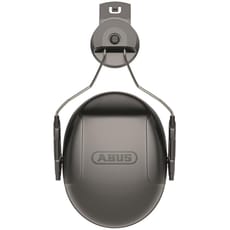
- Ear Defenders: Helmet-mounted hearing protection for noisy construction or industrial environments
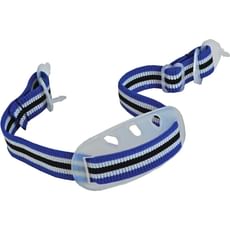
- Chin Straps: Secure helmets during work at height or in windy conditions
- Replacement Harnesses: Renewal parts to extend helmet life when suspension systems wear out
- Sweatbands and Comfort Pads: Improve comfort during extended wear periods
- Helmet-Mounted Lights: Hands-free illumination for working in poorly lit areas
- Winter Liners: Cold-weather protection for outdoor construction work
- Cooling Inserts: Evaporative cooling pads for hot working conditions
Safety Information
Proper use and maintenance of hard hats is critical for ensuring continued protection throughout their service life:
Regular Inspection: Before each use, inspect your helmet for cracks, dents, or degradation. Even minor damage can significantly compromise protective performance. Check the internal harness for wear, torn straps, or broken adjustment mechanisms that could affect the helmet's ability to absorb impact forces.
Replacement Schedule: Hard hats have a limited service life. Most manufacturers recommend replacement after 5 years from the date of manufacture (marked inside the shell), or sooner if damaged or subjected to impact. Some harsh environments may require more frequent replacement—consult HSE guidance for specific applications.
Cleaning and Storage: Clean helmets with mild soap and water only—solvents, paints, or strong chemicals can degrade the shell material. Store away from direct sunlight, heat sources, and chemicals in a cool, dry location. UV exposure significantly accelerates degradation of the protective properties.
After Impact: Any helmet that has sustained a significant impact must be replaced immediately, even if no visible damage is apparent. The protective structure may be compromised internally, rendering it ineffective for future protection.
HSE Requirements: Employers are legally required under the Personal Protective Equipment at Work Regulations 1992 to provide appropriate head protection where there is a risk of head injury, ensure it's properly maintained, and provide training on correct use.
Modifications Prohibited: Never drill holes, apply stickers (except specifically designed helmet labels), or modify your hard hat in any way. Modifications invalidate safety certifications and can create weak points in the protective shell.
Frequently Asked Questions
How long do hard hats last before they need replacing?
Most manufacturers recommend replacing hard hats every 5 years from the date of manufacture, which is marked inside the shell. However, helmets exposed to harsh conditions, chemicals, extreme temperatures, or UV radiation may need replacing sooner—sometimes after just 2-3 years. Always replace any helmet that has sustained an impact or shows signs of cracking, fading, or brittleness. Regular inspection is essential, and when in doubt, replace it.
What's the difference between a hard hat and a safety helmet?
The terms are often used interchangeably, but generally "hard hat" refers to traditional cap-style head protection primarily designed for vertical impact protection (falling objects), whilst "safety helmet" can include more advanced designs offering side impact protection, integrated accessories, and enhanced comfort features. Safety helmets meeting EN 12492 provide protection from impacts to the sides and rear, making them suitable for more complex work-at-height applications.
Can I wear a hard hat over a baseball cap or beanie?
No, you should never wear anything between your head and the hard hat's suspension system except accessories specifically designed for that helmet (such as manufacturer-approved winter liners). Adding extra layers interferes with the suspension system's ability to absorb and distribute impact forces, significantly reducing protection. The gap between your head and the shell is a critical part of the safety design.
Do hard hats protect against electrical shocks?
Standard hard hats meeting EN 397 offer limited electrical insulation—they're tested to 440V AC. For electrical work on live installations, you need a helmet specifically meeting EN 50365, which provides insulation up to 1000V AC or 1500V DC. These electrically insulating helmets are clearly marked with a voltage rating and electrical hazard symbol. Never assume a standard hard hat provides adequate electrical protection when working with 240v mains or higher voltages.
Are chin straps required on construction sites?
Chin straps aren't universally required but are mandatory in certain situations, particularly when working at height where there's a risk of the helmet falling off. Many scaffolders, tower workers, and others working above ground level must use chin straps to comply with site safety requirements. Always check your specific site's safety policy and risk assessment. Even where not mandatory, chin straps are good practice in windy conditions or when bending frequently.