

Hasps & Staples
Pay in 3 interest-free payments on purchases from £30-2000 with  . Learn more.

 Loading...
End of content
Error - No more pages to load
About Hasps & Staples
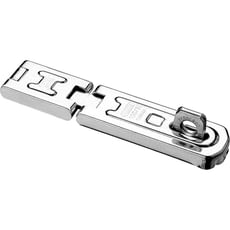
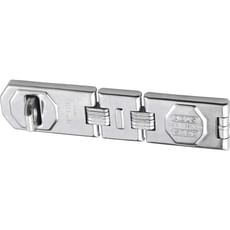
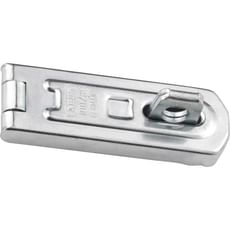
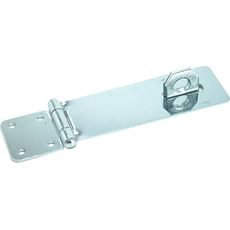
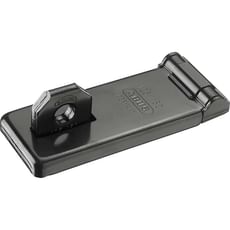
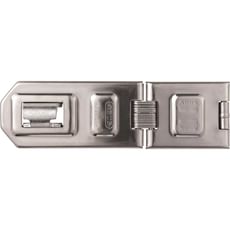
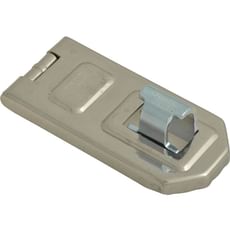
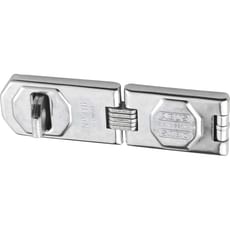
Hasps and staples are fundamental security fittings that work together with padlocks to protect gates, doors, sheds, garages, storage containers, and outbuildings from unauthorised access. A hasp consists of a hinged metal plate featuring a slotted opening, while the staple is a U-shaped metal loop fixed to the opposing surface. When the hasp folds over the staple, a padlock shackle passes through both components to create a robust locking mechanism that serves as both a physical barrier and a visible deterrent to potential intruders.
Available in various sizes, materials, and security ratings, hasps and staples range from light-duty options suitable for domestic garden sheds through to heavy-duty and high-security models designed for commercial premises, construction sites, and valuable equipment storage. The most robust versions feature hardened steel construction with concealed fixings and tamper-resistant designs that resist drilling, cutting, and levering attacks. Professional-grade hasps often incorporate additional security features including double-jointed designs for flexible fitting on uneven surfaces, shrouded staples to prevent bolt cropper attacks, and anti-corrosion coatings for extended outdoor durability.
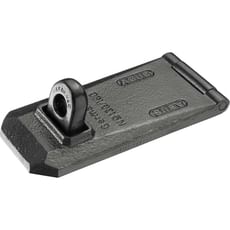
Tooled-Up.com stocks trusted security brands including ABUS, Faithfull, and Sirius, offering everything from traditional hasps for residential use through to granit-grade and diskus-compatible models for maximum security applications. Whether you're securing a tool container on a building site, protecting valuable machinery in a workshop, or safeguarding commercial premises, selecting the correct hasp and staple combination with an appropriate padlock is essential to creating an effective physical security solution that meets your specific requirements.
Jargon Buster
- Hasp – The hinged metal plate that folds over the staple and contains the slot through which a padlock shackle passes. Available in single or double-jointed configurations for flexible positioning on various surfaces.
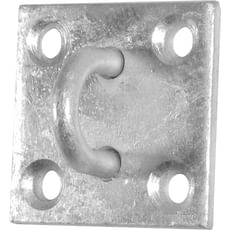
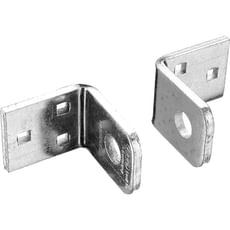
- Staple – The U-shaped metal loop fixed to the door frame, gate post, or opposing surface. The hasp closes over the staple, and the padlock shackle passes through its opening to secure the complete fitting.
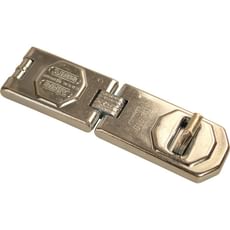
- Double-Jointed Hasp – A hasp design featuring two hinged sections that allow greater flexibility in positioning and the ability to accommodate uneven surfaces, misaligned fixing points, or doors that don't close flush with the frame.
- Concealed Fixings – Screws or bolts that remain hidden beneath the closed hasp plate when locked, preventing removal whilst the padlock is in place and significantly enhancing overall security against tampering.
- Hardened Steel – Steel that has undergone heat treatment to increase its resistance to cutting, drilling, and sawing attacks, making it essential for high-security applications where physical attack resistance is paramount.
- Shrouded Staple – A staple design where the base and lower portions are protected by additional metal plating, preventing bolt croppers from gripping and cutting through the staple when a padlock is fitted.
Who Uses Hasps & Staples?
- Construction Site Managers – securing tool containers, temporary site buildings, and equipment stores on building sites to prevent theft of valuable tools and materials
- Warehouse and Logistics Staff – protecting storage areas, loading bays, goods cages, and restricted access zones in distribution centres
- Agricultural Workers and Farmers – securing barns, equipment sheds, fuel stores, livestock buildings, and valuable farming machinery
- Property Maintenance Teams – fitting security hardware to commercial and residential properties, communal areas, and outbuildings
- Landlords and Property Managers – securing vacant properties, rental outbuildings, communal storage areas, and bin stores
- Facilities Managers – protecting plant rooms, electrical cupboards, rooftop access points, and restricted service areas
- Workshop Owners and Engineers – safeguarding valuable machinery, tool storage cabinets, and precision equipment from theft or unauthorised use
- Groundskeepers and Greenkeepers – securing mower sheds, greenhouses, equipment stores, and maintenance compounds at sports facilities
- DIY Enthusiasts and Homeowners – protecting garden sheds, garages, side gates, and domestic outbuildings containing tools and equipment
- Marine and Canal Boat Owners – securing storage hatches, equipment lockers, and access points in corrosive saltwater environments
How to Choose the Right Hasps & Staples
Security Level Required: Match the hasp to the value of what you're protecting. Light-duty models suit garden sheds and low-risk applications, whilst heavy-duty or granit-grade hasps from brands like ABUS are essential for tool stores, commercial premises, construction sites, or high-value equipment. Look for hardened steel construction with concealed fixings for enhanced security against forced entry attempts.
Indoor or Outdoor Use: Exterior applications require corrosion-resistant materials such as galvanised steel or stainless steel, particularly important in coastal, industrial, or exposed rural environments. Check for weather-resistant coatings that prevent rust formation and maintain smooth operation throughout the seasons, even in harsh UK weather conditions.
Door or Gate Thickness and Material: Ensure the hasp's hinge section and staple depth accommodate your door or gate thickness. Double-jointed hasps offer greater flexibility for uneven surfaces, timber that has warped over time, or where precise alignment between the hasp and staple is challenging. Consider whether you're fixing to wood, metal, brick, or composite materials, as this affects fixing methods.
Padlock Compatibility: Verify the staple bore diameter matches your padlock's shackle thickness – typically ranging from 9mm to 14mm for common applications. High-security hasps often specify compatible padlock models, with ABUS diskus and granit series requiring specific padlock types to achieve their full security rating and optimal protection against attack.
Fixing Method and Security: For maximum security, use coach bolts with concealed nuts on wooden doors, or through-bolted installations with security nuts on the reverse side for metal doors and gates. Consider one-way screws or shear nuts where the reverse side is inaccessible. The fixing method is as important as the hasp quality itself in preventing removal.
Visible Deterrent Value: Larger, more substantial hasps with clearly visible security ratings act as a greater visual deterrent to opportunistic thieves. Professional and commercial installations benefit from prominently displayed security-rated hardware that discourages attempts before they begin, particularly important on construction sites and commercial premises.
Popular Accessories
- Padlocks – weatherproof, disc, and granit padlocks from ABUS matched to your hasp's security rating and staple bore diameter
- Coach Bolts and Security Fixings – one-way screws, shear nuts, and through-bolts for tamper-resistant installation on various surfaces
- Padlock Covers and Shrouds – protective enclosures to shield padlocks from weather, corrosion, and physical attacks
- Security Hinges and Hinge Bolts – dog bolts to prevent door or gate removal when locked, addressing the other potential entry point
- Padlock Brackets – additional mounting plates for awkward installations or where standard hasp positioning isn't possible
- Ground Anchors – supplementary security points for chains and additional padlocks on high-value installations
- Weatherproof Lubricants – PTFE or graphite-based sprays to maintain smooth operation and prevent corrosion in moving parts
- Backing Plates – reinforcement plates to distribute load and prevent fixing points being forced through timber or sheet metal
Frequently Asked Questions
What size hasp do I need for my shed or gate?
For standard garden sheds and domestic gates, a 100mm to 150mm hasp is usually sufficient for adequate security. Heavy-duty gates, commercial doors, and high-security applications typically require 200mm or larger hasps for appropriate strength and padlock clearance. Measure the available mounting area where you'll fit the hasp and ensure there's adequate clearance for both the hasp plate and your chosen padlock when fitted. The hasp should extend sufficiently beyond the door edge to prevent levering attacks.
Can I fit a hasp and staple to a metal door or gate?
Yes, metal doors and gates are ideal for secure hasp installation. You'll need to drill pilot holes using metal drill bits and use appropriate fixings such as coach bolts with backing plates or through-bolts with security nuts accessible only from the reverse side. Ensure all fixings are completely inaccessible when the hasp is closed and locked for maximum security. For thin sheet metal, use backing plates to distribute the load and prevent the fixings being forced through under attack.
What's the difference between traditional and double-jointed hasps?
A traditional hasp features a single hinge point and requires precise alignment between the hasp and staple for proper operation. A double-jointed hasp incorporates two hinged sections, offering much greater flexibility in positioning and the ability to accommodate uneven surfaces, slight misalignments, or doors that don't close flush with the frame. The range available at Tooled-Up includes both types, with double-jointed models particularly useful for older doors or gates where perfect alignment is difficult to achieve.
How do I prevent rust on outdoor hasps and staples?
Choose galvanised steel, stainless steel, or powder-coated models specifically designed for exterior use when buying from Tooled-Up. Apply a weatherproof lubricant such as PTFE spray periodically to moving parts, the hinge pin, and the staple opening to prevent moisture ingress and maintain smooth operation. For coastal or highly corrosive industrial environments, marine-grade stainless steel fittings offer the best long-term protection against rust and corrosion damage.
Are the fixing screws accessible when the hasp is locked?
On quality hasps with concealed fixings, the screws are completely hidden beneath the closed hasp plate when locked, preventing removal with the padlock in place. However, budget models may have exposed fixings on the staple side, which is why through-bolting or using one-way security screws is strongly recommended for high-security applications. Check product specifications carefully, particularly for construction site or commercial use where security is paramount.