

Hawks

Pay in 3 interest-free payments on purchases from £20-£3000 with  . Learn more.
 Loading...
End of content
Error - No more pages to load
About Hawks
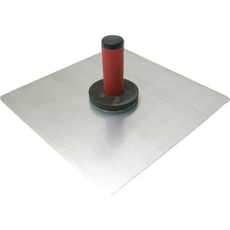
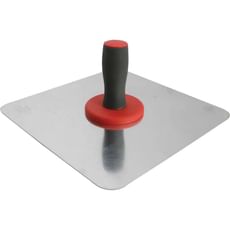
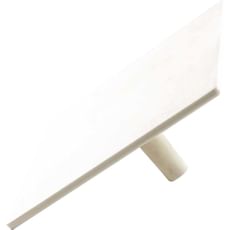
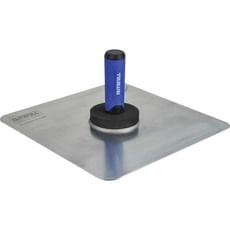
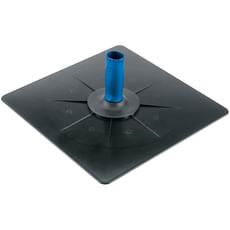
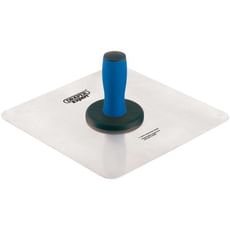
A plasterer's hawk is an indispensable handheld tool used throughout the construction and renovation trades for carrying and holding plaster, mortar, or render whilst working on walls and ceilings. Comprising a flat square or rectangular platform with a perpendicular handle mounted underneath, hawks allow tradespeople to keep material close at hand during application, eliminating constant trips back to mixing buckets and maintaining workflow efficiency. The flat surface typically measures between 280mm and 330mm square, providing sufficient capacity to hold a workable quantity of material without becoming unwieldy or excessively heavy during extended periods of use.
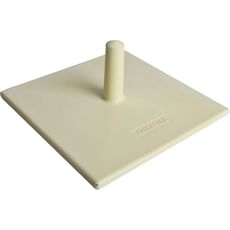
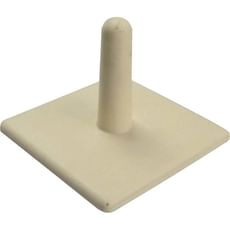
The selection at Tooled-Up.com includes plasterers hawks and decorators hawks from respected manufacturers including DeWalt, Faithfull, Draper, Marshalltown, and Tyzack. Available in various materials including aluminium, ABS plastic, and polyurethane, each hawk type offers distinct advantages depending on specific application requirements and user preferences. Professional aluminium hawks such as the Marshalltown and Faithfull Prestige models provide exceptional durability and a smooth finish surface that resists material adhesion, whilst lightweight plastic alternatives like the Draper ABS and Faithfull Plastic Hawks reduce arm fatigue during all-day site work.
Whether you're a professional plasterer managing large-scale commercial projects or a DIY enthusiast undertaking home improvements, selecting the appropriate hawk can significantly impact working efficiency and finish quality. From mill finish aluminium through to anodised surfaces, and from traditional wooden handles to modern ergonomic soft-grip designs, the range caters to all preferences and budgets whilst maintaining the professional standards demanded by UK tradespeople.
Jargon Buster
- Mill Finish Aluminium: Uncoated aluminium with a natural metallic appearance that provides a smooth, non-stick surface ideal for plaster work. This finish is durable and resists corrosion whilst remaining lightweight.
- Anodised Surface: An electrochemical process that thickens the natural oxide layer on aluminium, creating a harder, more durable surface that's resistant to scratching and considerably easier to clean after repeated use.
- ABS Plastic: Acrylonitrile Butadiene Styrene - a tough, impact-resistant thermoplastic commonly used for plasterers hawks. Significantly lighter than metal alternatives whilst maintaining structural integrity under working loads.
- Mortarboard: An alternative term for a plasterer's hawk, particularly common in traditional building trades. Both terms describe the same tool and can be used interchangeably on site.
- Drywall Hawk: A hawk specifically designed for use with lightweight drywall compounds and finishing plasters. Often features a slightly different profile or surface texture optimised for these modern materials.
- Tang Handle: The perpendicular handle shaft that extends through the centre of the hawk platform, traditionally secured with a wooden or plastic grip for comfortable holding during use.
Who Uses Hawks?
Plasterers hawks are indispensable tools for a wide range of construction and renovation professionals:
- Plasterers and Rendering Specialists: The primary users who rely on hawks daily for applying skim coats, base coats, and decorative finishes
- Drywall Installers and Tapers: For holding joint compound whilst taping and finishing plasterboard installations
- Bricklayers: Using hawks to carry mortar when pointing or performing detailed masonry work
- Restoration Specialists: Heritage building professionals working with traditional lime plasters and renders
- Decorators: For patch repairs and preparation work before painting or wallpapering
- DIY Enthusiasts: Homeowners undertaking plastering repairs, re-skimming rooms, or learning the trade
- Construction Apprentices: Trainee plasterers developing their material handling skills and techniques
- Maintenance Teams: Property maintenance professionals making repairs across residential and commercial sites
How to Choose the Right Hawks
Material Selection: Aluminium hawks offer the best balance of durability and weight for professional daily use. The smooth surface facilitates easy cleaning and prevents material adhesion. Plastic hawks are ideal for occasional use, apprentices, or those seeking the lightest possible option to reduce arm strain. Polyurethane options like the Tyzack model provide excellent chemical resistance when working with specialised compounds.
Size Considerations: Standard hawks measure approximately 300-330mm square, suitable for most applications. Smaller models around 280mm are available for detailed work or users preferring reduced weight. Consider your physical capability for extended holding periods - a larger surface carries more material but increases arm fatigue over time, particularly during overhead ceiling work.
Handle Design: Traditional wooden handles like those on Tyzack models offer comfortable grip and excellent tactile feedback. Modern synthetic handles such as the DeWalt soft-grip design may feature ergonomic contouring or cushioned materials. The handle should feel balanced when loaded with material and allow natural wrist positioning to prevent repetitive strain injuries.
Surface Finish: Mill finish aluminium provides excellent value and performance for general plastering work. Anodised surfaces, such as the DeWalt Drywall Hawk, offer enhanced durability and easier cleaning - worthwhile for professionals using their hawk daily. Plastic surfaces should be smooth and free from texture that might catch on trowels during application.
Brand Reputation: Established names like Marshalltown, Faithfull, and DeWalt provide proven reliability backed by professional warranties. Draper offers excellent mid-range options across their standard and Redline ranges, whilst Tyzack represents traditional British manufacturing quality trusted by generations of tradespeople.
Popular Accessories
- Plastering Trowels: Finishing trowels, gauging trowels, and skimming floats - essential companions to your hawk
- Mixing Tools: Paddle mixers, whisk attachments, and cordless drill-mounted stirrers for preparing materials efficiently
- Bucket Trowels: For scooping plaster from mixing buckets onto your hawk efficiently without wastage
- Corner Trowels and Internal Angles: Specialised tools for detailed work in corners and edges
- Spot Boards: Larger platforms for keeping bulk material close whilst working on walls
- Tool Cleaning Brushes: Stiff bristle brushes for removing dried plaster residue and maintaining tool condition
- Knee Pads: Essential protective equipment for floor-level plastering work and skirting applications
- Dust Sheets and Tarpaulins: Protecting surfaces from inevitable spills and splashes
- Water Sprayers: For dampening surfaces and keeping materials workable in warm conditions
Safety Information
Whilst hawks themselves present minimal safety risks, proper use within the plastering environment requires awareness of several considerations. Always ensure your hawk handle is securely attached before loading material - loose handles can fail, causing injury from falling tools or materials. Regularly inspect wooden handles for splits or cracks that might cause splinters or structural failure during use.
Maintain clean, dry hands when gripping your hawk to prevent slipping, especially when working at height on scaffold platforms or staging. The combined weight of hawk and material can exceed several kilograms, so use proper lifting technique and take regular breaks to avoid repetitive strain injuries. According to HSE guidance, prolonged static arm positions can contribute to upper limb disorders, so alternate hands periodically when possible and avoid overloading your hawk beyond comfortable working weight.
When working with plaster and render materials, always wear appropriate PPE including safety glasses to protect against splashes, and barrier cream or gloves to prevent skin irritation from alkaline compounds. Ensure adequate ventilation in enclosed spaces, particularly when using gypsum-based products that may generate dust. Clean your hawk thoroughly after each use - dried material can create sharp edges or add unnecessary weight that increases fatigue during subsequent use.
Frequently Asked Questions
What's the difference between aluminium and plastic hawks?
Aluminium hawks are more durable, offer a smoother surface that plaster doesn't stick to as readily, and maintain their flatness over years of professional use. Plastic hawks are significantly lighter, reducing arm fatigue, and are more affordable, making them ideal for occasional use, training, or those preferring minimal weight. Professional plasterers typically prefer aluminium for daily site work, whilst plastic models suit DIY users and apprentices developing their technique.
How do I clean my plasterers hawk properly?
Clean your hawk immediately after use before material hardens. Scrape off excess plaster with your trowel edge, then wash with clean water using a stiff brush or scouring pad. For stubborn dried plaster on aluminium hawks, brief soaking followed by scraping usually suffices. Never use harsh chemicals on aluminium as these may damage the surface finish. Plastic hawks can tolerate gentle detergents. Dry thoroughly after cleaning to prevent water spots and maintain the smooth finish.
Which size hawk should a beginner choose?
Beginners should start with a standard 300mm hawk, which offers the best balance between capacity and manageability. Avoid larger sizes initially as the additional weight when loaded can cause excessive arm fatigue whilst you're developing technique. A plastic or lightweight aluminium model around 280-300mm allows you to focus on application skills rather than struggling with heavy materials. As your strength and confidence develop, you can progress to larger or heavier professional models available from Tooled-Up.
Can I use the same hawk for different materials?
Yes, quality hawks are suitable for various materials including gypsum plaster, lime plaster, cement render, and drywall compounds. However, always clean thoroughly between different material types to prevent contamination that might affect setting times or finish quality. Some plasterers prefer dedicating specific hawks to particular materials - for instance, keeping one exclusively for fine finishing plasters and another for coarser base coats. Anodised or mill finish aluminium provides the most versatile surface for different compounds.
How long should a professional hawk last?
A quality aluminium hawk from brands like Marshalltown, Faithfull, or DeWalt should last many years of daily professional use when properly maintained. Expect 5-10 years or more from premium aluminium models with regular cleaning and careful handling. Plastic hawks typically last 2-4 years under professional conditions, though they may serve DIY users for much longer with occasional use. The handle connection point is usually the first area to show wear, so inspect this regularly and replace the hawk if it becomes loose or damaged to prevent accidents on site.