

Hay Rakes
Pay in 3 interest-free payments on purchases from £30-2000 with  . Learn more.
 Loading...
End of content
Error - No more pages to load
About Hay Rakes
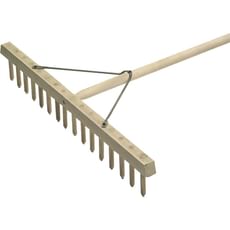
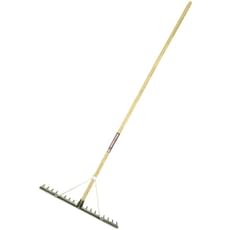
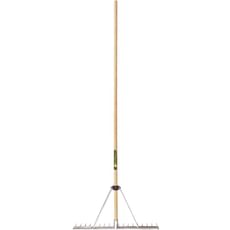
Hay rakes are indispensable tools for agricultural work, equestrian management, and large-scale garden maintenance. These traditional implements feature long handles attached to wide heads fitted with curved, widely-spaced tines designed specifically for gathering loose, voluminous materials such as hay, straw, leaves, and grass clippings. The characteristic bow design of the rake head provides flexibility, allowing the tines to skim smoothly across uneven ground without snagging or digging in, making them ideal for collecting material efficiently across paddocks, stables, yards, and expansive lawns.
Modern hay rakes combine time-honoured designs with contemporary materials to deliver enhanced performance and durability. Available with either traditional wooden handles offering natural shock absorption and comfortable grip, or lightweight aluminium construction providing weather resistance and reduced user fatigue, these tools cater to different working environments and personal preferences. The generous head widths, typically ranging from 600mm to 900mm, enable users to cover substantial ground with each stroke, significantly reducing the time and physical effort required for material collection and distribution tasks.
Tooled-Up.com stocks hay rakes from respected manufacturers including Bulldog, Faithfull, and Spear and Jackson, ensuring tradespeople, farmers, and gardening enthusiasts have access to quality tools built to withstand demanding regular use. Whether managing livestock bedding, clearing autumn leaves, or maintaining equestrian facilities, the selection at Tooled-Up provides reliable options to suit various applications and budgets.
Jargon Buster
- Tines
- The individual curved prongs or teeth extending from the rake head that collect and move material. Hay rake tines are characteristically wider-spaced than garden rake tines to prevent clogging when working with loose, bulky materials like straw and hay.
- Head Width
- The measurement across the rake head from end to end, typically ranging from 600mm to 900mm for hay rakes. Wider heads cover more ground quickly but may prove heavier and less manoeuvrable in confined spaces such as stables.
- Bow Design
- The characteristic curved or arched shape of the rake head that creates flexibility and spring action. This design allows the tines to flex over uneven terrain whilst maintaining contact with the surface being raked, preventing digging in or snagging.
- Tang
- The portion of the metal rake head that inserts into the wooden or composite handle. A well-secured tang, properly fastened and reinforced, ensures the head remains firmly attached during vigorous use and prevents separation during heavy-duty applications.
- Ferrule
- A metal collar or reinforcing band that strengthens the junction between the rake head and handle. The ferrule prevents the handle from splitting at this high-stress connection point, providing additional durability essential for agricultural and professional use.
Who Uses Hay Rakes?
Hay rakes serve a diverse range of users across agricultural, equestrian, horticultural, and grounds maintenance sectors:
- Livestock Farmers: Essential for managing hay distribution, bedding preparation, and stable maintenance for cattle, sheep, and other farm animals
- Equestrian Facilities: Stable yards, riding schools, livery yards, and racing stables for mucking out, bedding distribution, and arena maintenance
- Smallholders: Those keeping poultry, goats, pigs, or mixed livestock requiring regular bedding management and feed area maintenance
- Groundskeepers: Maintenance professionals managing parks, sports grounds, estates, and public spaces requiring efficient leaf and debris collection
- Landscape Gardeners: Professional contractors clearing leaves, grass clippings, and organic materials on larger residential and commercial properties
- Allotment Holders: Gardeners managing compost materials, mulch distribution, and organic matter collection across larger growing areas
- Estate Managers: Those responsible for maintaining country estates, farmyards, and rural properties with extensive grounds
- DIY Enthusiasts: Homeowners with larger gardens requiring efficient seasonal leaf collection and general grounds maintenance
How to Choose the Right Hay Rakes
Handle Material: Traditional wooden handles provide natural feel, excellent shock absorption, and comfortable grip during extended use, making them ideal for those who value traditional tool construction. Aluminium handles offer lightweight performance, weather resistance, and maintenance-free operation, perfect for reducing fatigue during prolonged raking sessions or for storage in damp environments where wooden handles might deteriorate.
Head Width and Tine Configuration: Wider heads measuring 800-900mm cover more ground quickly, making them efficient for open paddocks, fields, and large-scale hay management. Narrower heads around 600-750mm offer superior manoeuvrability in confined spaces such as stables, smaller paddocks, and between fence lines. Consider the primary working environment when selecting head width – versatility often favours medium widths around 750mm that balance coverage with control.
Handle Length: Longer handles, typically 1.5-1.8 metres, reduce back strain by allowing more upright working posture, particularly beneficial during extended use. However, longer handles may prove cumbersome in low-ceilinged stables or tight spaces. Match handle length to your height and typical working environment for optimal comfort and efficiency.
Build Quality and Construction: Look for securely fastened heads with robust tang connections and reinforced ferrules at stress points. Brands like Bulldog, Faithfull, and Spear and Jackson are renowned for agricultural tool construction that withstands demanding daily professional use. Examine tine mounting points to ensure they're properly secured with no signs of weakness or movement.
Intended Application: Light domestic use collecting leaves requires different specifications compared to daily agricultural applications involving damp, heavy hay. Professional users should prioritise commercial-grade construction, whilst occasional domestic users can opt for lighter-duty models that still deliver reliable performance at more accessible price points.
Popular Accessories
- Pitch Forks: Complementary tools for lifting and moving hay bales and loose materials that hay rakes have gathered
- Garden Brooms: For final sweeping and tidying of yards, stable areas, and pathways after raking
- Wheelbarrows: Essential for transporting collected materials to disposal areas, compost heaps, or storage locations
- Work Gloves: Heavy-duty gloves protect hands from blisters, splinters, and rough materials during extended raking sessions
- Tool Storage Solutions: Wall-mounted racks, garden tool organisers, and shed storage systems to protect your investment and prevent damage
- Replacement Handles: Spare handles to extend tool life when original handles become damaged or worn
- Linseed Oil: For maintaining and protecting wooden handles against weathering, splitting, and moisture damage
- Sharpening Stones: For maintaining tool edges and removing rust from metal components
Safety Information
Manual Handling: Adopt proper lifting techniques when using hay rakes for extended periods. Maintain a straight back, bend at the knees rather than the waist, and avoid overreaching which can strain muscles. Take regular breaks to prevent repetitive strain injuries, particularly when working with heavy, damp materials. Use the tool's length to your advantage rather than excessive force.
Tool Storage: Store hay rakes with tines facing downward or suspended on wall-mounted storage to prevent tripping hazards. Never leave rakes lying on the ground where someone might step on the tines, causing the handle to swing upward violently – a common cause of facial injuries. Keep storage areas organised and ensure children cannot access tools unsupervised.
Working Environment: Remain aware of overhead obstacles when working with long-handled tools, particularly in stables, outbuildings, and beneath tree canopies. Ensure adequate clearance when raising the rake. Wear appropriate footwear with good grip and ankle support; consider steel toe cap boots when working in agricultural settings with livestock or heavy materials present.
Tool Inspection and Maintenance: Regularly inspect your hay rake for loose heads, damaged or bent tines, and splintering handles. Address any issues immediately to prevent failure during use, which could cause injury. Keep tines clean and free from rust to maintain efficiency and prevent injury from sharp, corroded metal edges. Replace worn tools rather than persisting with compromised equipment.
Frequently Asked Questions
What's the difference between a hay rake and a garden rake?
Hay rakes feature longer, more widely-spaced curved tines specifically designed to gather loose, voluminous materials like hay, straw, and leaves without clogging. Garden rakes have shorter, straighter, more closely-spaced tines suited to soil levelling, debris collection, and seedbed preparation. The flexible bow design of hay rakes provides spring action over uneven ground, whilst garden rakes offer rigidity for soil manipulation tasks. Head widths on hay rakes are typically wider to cover more ground efficiently.
Should I choose wooden or aluminium handles?
Wooden handles offer traditional feel, excellent shock absorption, and comfortable grip during extended use, making them ideal for those who appreciate classic tool construction. They do require periodic maintenance with linseed oil to prevent drying and splitting. Aluminium handles provide lighter weight, maintenance-free operation, and won't rot in damp conditions, making them perfect for users prioritising reduced fatigue and weather resistance. Personal preference, storage conditions, and frequency of use typically determine the best choice.
How do I maintain my hay rake properly?
Clean tines after each use to remove trapped material, mud, and debris that can promote rust. Store in a dry location, preferably hanging to prevent ground contact and moisture absorption. For wooden handles, apply linseed oil annually or when the wood appears dry to prevent splitting and weathering. Check the head-to-handle connection regularly, tightening or reinforcing if movement develops. Replace worn or damaged components promptly rather than continuing to use compromised tools.
What width hay rake should I buy for my needs?
For open paddocks, fields, and large-scale hay collection, choose wider heads measuring 800-900mm for maximum efficiency and ground coverage. Stable work, smaller paddocks, and confined spaces benefit from narrower heads around 600-750mm offering better manoeuvrability and control. Consider where you'll use the rake most frequently – versatility often favours medium widths around 750mm that balance efficiency with practicality across different environments.
Can hay rakes be used for autumn leaf collection in gardens?
Absolutely. Hay rakes excel at collecting leaves across lawns and open garden areas thanks to their wide heads and flexible tines that won't damage grass or snag on uneven ground. They're particularly effective for larger gardens where standard garden rakes would prove time-consuming and labour-intensive. The lightweight construction of modern aluminium hay rakes, such as those from Bulldog and Spear and Jackson available from Tooled-Up, makes them especially suitable for this seasonal task without causing excessive fatigue.