

Hazard Tape
Pay in 3 interest-free payments on purchases from £30-2000 with  . Learn more.
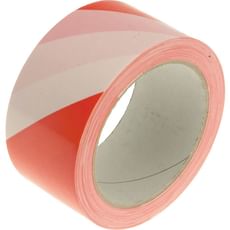
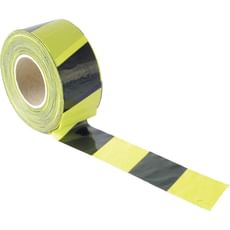
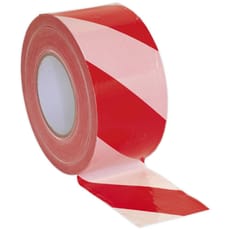
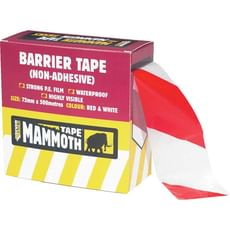
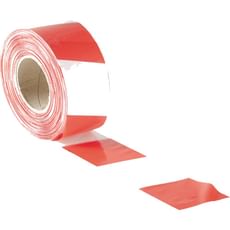
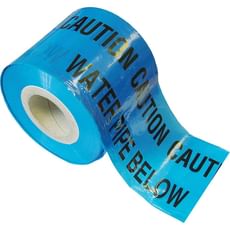
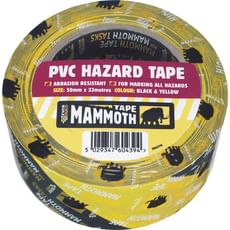
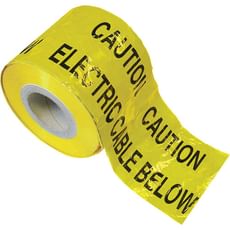

 Loading...
End of content
Error - No more pages to load
About Hazard Tape
Hazard tape is an indispensable safety product for construction sites, industrial facilities, roadworks, and any environment where potential dangers need clear visual identification. These highly visible tapes serve as a critical warning system, alerting workers and the public to hazardous areas, underground services, or temporary obstructions. Available in both adhesive and non-adhesive varieties, hazard tape provides an immediate visual deterrent that helps prevent accidents and ensures compliance with HSE regulations across UK worksites. The comprehensive selection at Tooled-Up.com includes barrier tape for cordoning off dangerous zones, underground warning tape that identifies buried utilities like electric cables and gas pipes, and self-adhesive hazard tape for permanent or semi-permanent marking.
Manufactured by trusted brands including Faithfull, Everbuild, Sealey, and Sirius, these tapes feature bold colour combinations—typically red and white or yellow and black—alongside clear warning text to ensure maximum visibility in all conditions. Whether you need economy options for short-term use or heavy-duty tape designed to withstand harsh site conditions, the range caters to every application and budget. Non-adhesive barrier tape can be quickly deployed and removed for temporary hazards, whilst adhesive variants provide longer-lasting warnings on floors, walls, machinery, and equipment.
From single-day projects to long-term installations, hazard tape plays a vital role in site safety management. Underground warning tapes, buried above utilities during installation, prevent costly damage and potential injury during excavation work, making them an indispensable tool for groundworkers, utilities contractors, and civil engineering projects throughout the UK. The high-strength HDPE film construction common in barrier tapes ensures waterproof and weatherproof performance suitable for both interior and external use.
Jargon Buster
- Barrier Tape - Non-adhesive plastic tape designed to cordon off hazardous areas temporarily. Typically strung between posts or barriers to restrict access to dangerous zones on construction sites, maintenance areas, or for crowd control applications. Available in various strengths from economy to heavy-duty variants.
- Underground Warning Tape - Brightly coloured tape buried approximately 300-450mm below ground surface, positioned directly above underground services. Alerts excavator operators to the presence of cables, pipes, or other utilities before they reach the actual service, preventing costly damage and potential safety hazards.
- Self-Adhesive Hazard Tape - Tape with an adhesive backing that permanently or semi-permanently adheres to surfaces. Used for marking hazards on floors, equipment, vehicles, and structures where a long-lasting warning is required. Available in economy and heavy-duty specifications.
- PVC Hazard Tape - Tape manufactured from polyvinyl chloride, offering excellent durability, weather resistance, and visibility. PVC construction ensures the tape withstands moisture, UV exposure, and temperature variations common on UK building sites.
- HDPE Film - High-Density Polyethylene film used in manufacturing barrier tapes. Provides superior strength, tear resistance, and weatherproofing compared to standard plastic films, making it ideal for demanding outdoor applications.
- Colour Coding (Underground Services) - Standardised colour system identifying different underground utilities: yellow for gas, blue for water, red for electricity, and green for telecommunications or CATV cables. Following this system ensures consistency and immediate hazard recognition across UK sites.
Who Uses Hazard Tape?
Hazard tape is an essential safety tool across numerous trades and industries throughout the UK:
- Construction Workers and Site Managers - for cordoning off dangerous areas, marking trip hazards, and maintaining site safety compliance
- Electricians and Sparkies - for identifying buried electrical cables and marking electrical hazards during installation and maintenance work
- Plumbers and Heating Engineers - for marking water pipe routes and gas line locations to prevent accidental damage during renovations
- Groundworkers and Excavation Contractors - for protecting underground services during digging operations and trenching work
- Facilities Managers and Maintenance Teams - for temporary hazard marking during repairs, cleaning operations, and maintenance work
- Health and Safety Officers - for ensuring HSE compliance and accident prevention across worksites
- Event Organisers and Security Personnel - for crowd control, area restriction, and temporary access management
- Highways Maintenance Teams - for roadworks, traffic management, and public safety demarcation
- Warehouse and Factory Supervisors - for marking hazardous zones in industrial environments and logistics facilities
- DIY Enthusiasts - for home renovation projects requiring safety demarcation and underground service protection
How to Choose the Right Hazard Tape
Application Type: Determine whether you need barrier tape for temporary cordoning, adhesive tape for permanent marking, or underground warning tape for buried services. Non-adhesive barrier tape suits short-term applications and can be easily deployed between posts or barriers, whilst self-adhesive options provide lasting warnings on machinery, floors, and structures.
Indoor vs Outdoor Use: External applications require weather-resistant materials that withstand moisture, UV degradation, and temperature fluctuations common in UK climates. Look for HDPE film construction in barrier tapes or PVC materials in adhesive variants for outdoor durability. Indoor tape can be lighter-weight unless exposed to heavy traffic or industrial conditions.
Durability Requirements: Economy tapes offer cost-effective solutions for single-use or short-term projects, whilst heavy-duty variants provide enhanced tear resistance and longevity for extended deployments or high-traffic areas where tape may be repeatedly handled or stressed. Consider super strength options for demanding applications.
Colour and Messaging: Standard hazard tape features red and white or yellow and black striping for maximum visibility. Underground warning tapes follow colour-coding standards: yellow for gas pipes, blue for water mains, red for electric cables. Ensure messaging clearly communicates the specific hazard—"DANGER," "CAUTION," or service-specific warnings.
Width and Length: Consider tape dimensions based on visibility requirements and coverage area. Wider tapes (typically 70-75mm) provide better visibility at distance, whilst length determines how much area you can cordon or mark. Common lengths include 500m rolls for barrier tape, providing extensive coverage from a single dispensing box.
Adhesive Strength: For self-adhesive tapes, consider surface type and expected duration. Permanent adhesive suits long-term floor marking, whilst removable options prevent surface damage when repositioning or removing tape after temporary use. Ensure surfaces are clean and dry before application for optimal adhesion.
Popular Accessories
- Barrier Posts and Stands - retractable or fixed posts for supporting non-adhesive barrier tape in temporary cordons
- Tape Dispensers - for controlled, efficient application of adhesive hazard tape with consistent tension
- Safety Cones and Barriers - complement hazard tape for comprehensive site safety systems and traffic management
- Hi-Visibility Workwear - coordinate with tape warnings to ensure worker visibility from brands like Scruffs, DeWalt, and Portwest
- Safety Signage - rigid warning signs that reinforce hazard tape messaging with detailed hazard information
- Cable Avoidance Tools (CATs) - electronic detection equipment for locating underground services before excavation
- Floor Marking Paint - permanent alternative for long-term hazard demarcation in warehouses and factories
- Temporary Fencing - robust physical barriers for high-risk areas requiring more than tape alone
- Safety Gloves and PPE - essential protective equipment for workers handling hazard tape installation
Safety Information
Whilst hazard tape itself presents no direct safety risks, proper use is critical for effective hazard communication and HSE compliance. Always ensure tape is clearly visible, properly secured, and positioned at appropriate height—typically between waist and shoulder level for barrier tape. Replace damaged, faded, or torn tape immediately, as compromised visibility defeats its purpose and may create liability issues.
When using underground warning tape, position it at the correct depth (typically 300-450mm below surface) and ensure it spans the entire length and width of the buried service with adequate overlap. Remember that warning tape supplements but does not replace proper service location using cable avoidance tools before excavation commences. Following colour-coding standards helps ensure immediate recognition of underground service types.
For adhesive tapes available from Tooled-Up, ensure surfaces are clean, dry, and free from contaminants before application to maximise adhesion. Consider slip resistance when applying tape to floor surfaces—textured or anti-slip variants may be necessary in areas prone to moisture or where trip hazards could be exacerbated by smooth tape surfaces.
Never rely on hazard tape as a physical barrier for high-risk situations. Supplement with rigid barriers, safety fencing, or locked gates where serious injury risk exists. Hazard tape serves as a visual warning and access deterrent, not a physical restraint system. The waterproof and weatherproof properties of quality barrier tape ensure warnings remain effective even in challenging UK weather conditions.
Frequently Asked Questions
What's the difference between barrier tape and underground warning tape?
Barrier tape is non-adhesive plastic tape used above ground to temporarily cordon off hazardous areas, typically supplied in dispensing boxes for easy deployment. Underground warning tape is buried 300-450mm below the surface, directly above utilities like cables and pipes, to warn excavator operators before they reach the actual service. Both use high-visibility colours but serve distinctly different purposes in site safety management.
How deep should underground warning tape be buried?
Underground warning tape should typically be buried 300-450mm below ground level, positioned directly above the utility it protects. This depth provides adequate warning time during excavation whilst remaining shallow enough to be encountered before machinery reaches cables or pipes. Always consult specific utility installation guidelines and local regulations, as requirements may vary for different services.
Can hazard tape be reused?
Non-adhesive barrier tape can be reused if it remains intact, clean, and clearly legible. However, once tape becomes torn, faded, or contaminated with mud or debris, it should be replaced as reduced visibility compromises its safety function. Self-adhesive tape is generally single-use, though removable variants can sometimes be repositioned if adhesive remains effective and the tape hasn't been damaged during removal.
What's the difference between economy and heavy-duty hazard tape?
Economy hazard tape offers cost-effective solutions for short-term or single-use applications where the tape won't be subjected to harsh conditions. Heavy-duty variants feature thicker materials (often super strength HDPE film), enhanced tear resistance, and superior weatherproofing for extended outdoor use or high-traffic areas. Heavy-duty tape typically withstands repeated handling and challenging UK weather conditions better than economy options.
Is hazard tape waterproof and suitable for outdoor use?
Quality hazard tape, such as those manufactured from HDPE film or PVC materials, is both waterproof and weatherproof, making it suitable for interior and external use. The selection at Tooled-Up.com includes tapes specifically designed to withstand moisture, UV exposure, and temperature variations common on UK building sites. Always check product specifications to ensure the tape meets your specific environmental requirements.