

Hazardous Storage

Pay in 3 interest-free payments on purchases from £20-£3000 with  . Learn more.
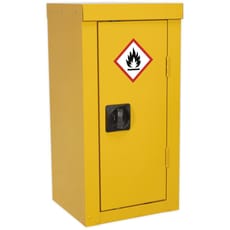
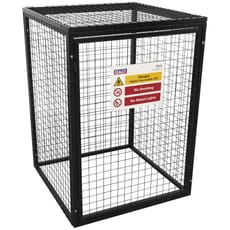

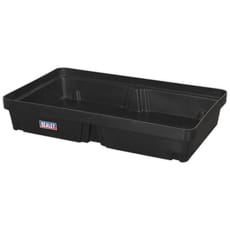
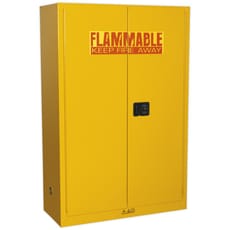
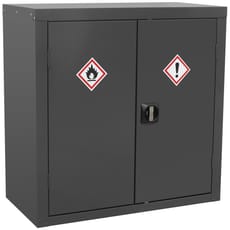
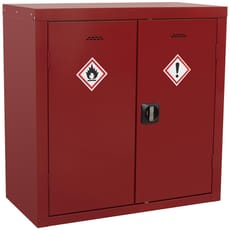
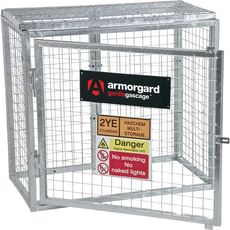
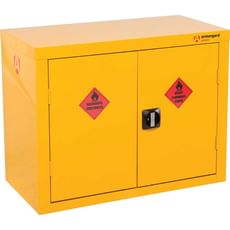
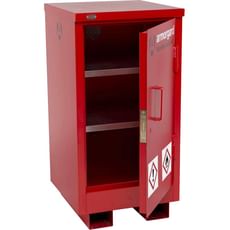
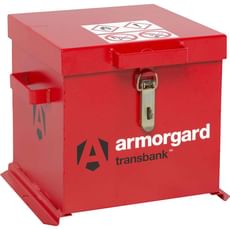
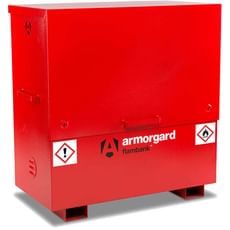
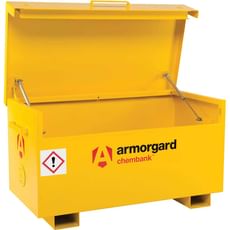
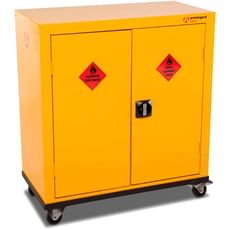
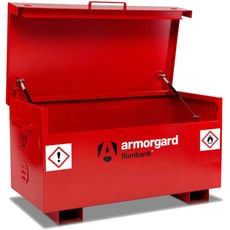
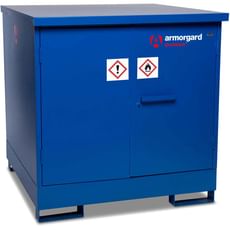
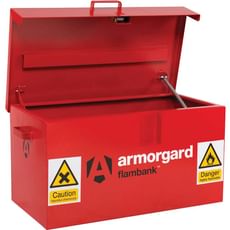
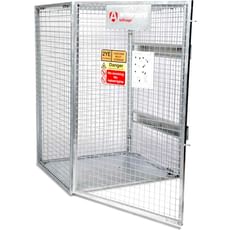
Armorgard Flambank Chemical and Flammables Secure Site Storage Chest
available
 Loading...
End of content
Error - No more pages to load
About Hazardous Storage
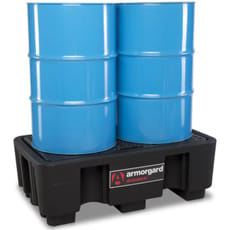
Proper hazardous storage is a critical requirement for any workplace handling dangerous substances, from flammable liquids and corrosive chemicals to pressurised gas cylinders and harmful solids. The range available at Tooled-Up.com includes specially designed cabinets, secure storage boxes, drum and IBC containment systems, and gas cylinder cages that meet stringent UK safety standards. These products are essential for maintaining COSHH compliance whilst protecting your workforce, premises and the environment from potentially catastrophic incidents.
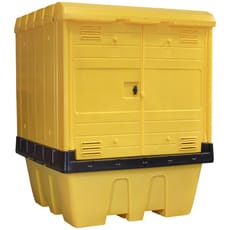
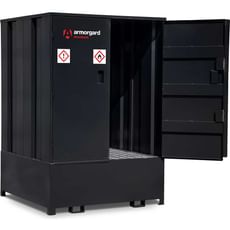
Tooled-Up stocks trusted brands including Armorgard and Sealey, offering solutions for every scale of operation. Whether you need a compact van box for mobile tradespeople, a robust site storage chest for construction environments, or a full-scale drum store with spill containment for industrial facilities, you'll find purpose-built equipment designed to secure hazardous materials safely. These products incorporate features such as reinforced steel construction, secure locking mechanisms, ventilation systems, and spill containment pallets to prevent environmental contamination.
From small workshops to large industrial sites, proper hazardous storage isn't just good practice—it's a legal requirement under UK Health and Safety legislation. Investing in the right storage solutions demonstrates your commitment to workplace safety whilst avoiding the severe penalties and potential insurance complications that can result from non-compliance.
Jargon Buster
- COSHH (Control of Substances Hazardous to Health): UK regulations requiring employers to control exposure to hazardous substances and store them safely. All hazardous storage solutions must comply with COSHH requirements.
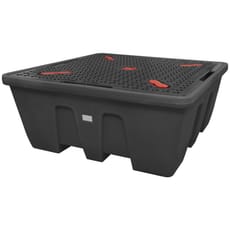
- Spill Pallet: A containment platform designed to catch and contain leaks or spills from drums, IBCs or containers, preventing hazardous liquids from entering drains or contaminating ground surfaces.
- IBC (Intermediate Bulk Container): Large reusable industrial containers typically holding 500-1250 litres of liquid materials. Requires specialised storage with adequate containment capacity.
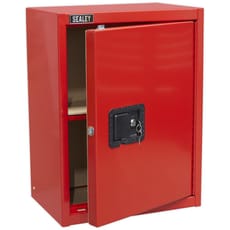
- Flambank/Flamstor: Specialist storage designed specifically for flammable materials and substances, featuring fire-resistant construction and ventilation to prevent vapour accumulation.
- Bund Capacity: The volume of liquid that a spill containment system can hold, typically required to be 110% of the largest container's capacity or 25% of total stored volume, whichever is greater.
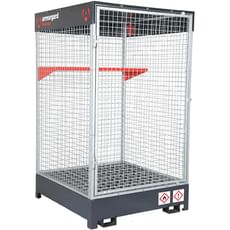
- Gas Cylinder Cage: Secure mesh or expanded metal storage specifically designed for pressurised gas cylinders, providing ventilation, stability and protection from unauthorised access or impact damage.
Who Uses Hazardous Storage?
Hazardous storage solutions are essential across numerous trades and industries:
- Construction Site Managers – storing fuels, solvents, paints and adhesives securely on-site
- Facilities Managers – maintaining compliant storage for cleaning chemicals, maintenance fluids and waste materials
- Manufacturing Operations – handling industrial chemicals, raw materials and process fluids safely
- Automotive Workshops – storing oils, degreasers, brake fluids and other automotive chemicals
- Agricultural Businesses – securing pesticides, herbicides, fertilisers and diesel fuel
- Painting and Decorating Contractors – transporting and storing flammable paints, thinners and solvents
- Landscaping Companies – safely handling petrol, two-stroke mixes and chemical treatments
- Engineering Workshops – storing cutting fluids, degreasers and compressed gas cylinders
- Laboratories and Research Facilities – organising chemicals and reagents with proper containment
- Waste Management Operators – containing hazardous waste streams before disposal
How to Choose the Right Hazardous Storage
Selecting appropriate hazardous storage requires careful consideration of several key factors:
Type of Hazardous Material: Different substances require different storage solutions. Flammable liquids need fire-resistant Flambank-style cabinets with ventilation, whilst corrosive chemicals require chemical-resistant construction. Gas cylinders need upright storage in well-ventilated cages, and drums or IBCs require spill pallets with adequate bund capacity. Always check the manufacturer's specifications match your substance classification.
Storage Capacity and Dimensions: Calculate the volume you need to store, remembering to account for future growth. Check internal dimensions to ensure your containers, drums or cylinders will fit comfortably. For drum storage, verify whether you need 2-drum, 4-drum or larger configurations, and for IBCs, ensure the unit accommodates standard 1000-litre containers.
Location and Mobility: Consider whether you need static storage for a fixed location, mobile cabinets with castors for workshop flexibility, or secure van boxes for mobile operations. Site storage requires weather-resistant construction and secure anchoring points, whilst indoor cabinets can be lighter but must still meet fire safety standards.
Security Features: Look for robust locking mechanisms with high-security padlock hasps or integral five-lever locks. Armorgard products typically feature reinforced doors, concealed hinges and drill-resistant locks to prevent theft and unauthorised access—essential on construction sites or shared facilities.
Compliance and Certification: Ensure products meet relevant UK and European standards (BS EN specifications). Check for COSHH compliance documentation and fire resistance ratings where applicable. Your insurance provider may have specific requirements for hazardous storage that must be met.
Ventilation and Drainage: Adequate ventilation prevents dangerous vapour accumulation, whilst proper drainage and containment systems are essential for liquid storage. Look for integrated spill pallets with drainage taps for easy management of captured liquids.
Popular Accessories
- Spill Kits and Absorbent Materials: Essential for rapid response to leaks and spills, complementing your storage containment systems
- Warning Signs and Hazard Labels: Clearly identify stored substances and alert personnel to potential dangers
- Padlocks and Security Hasps: High-security locking accessories for enhanced protection on storage cabinets and cages
- Ground Anchors and Fixing Kits: Secure storage units permanently to prevent theft or unauthorised relocation
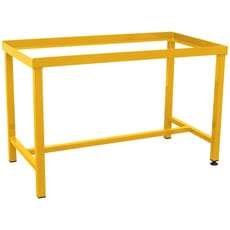
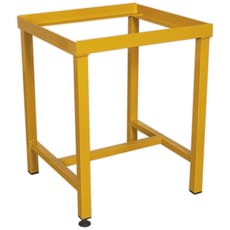
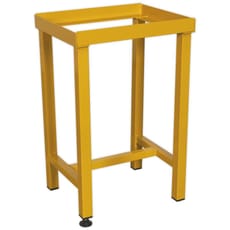
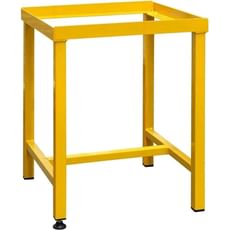
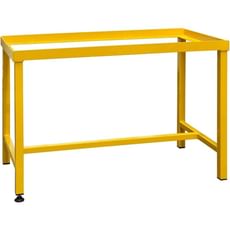
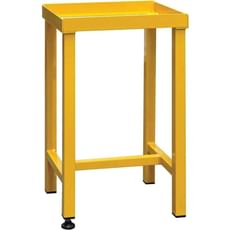
- Cabinet Stands: Raise storage units to convenient working height and protect from ground moisture
- Drip Trays: Additional containment for smaller containers and decanting operations
- Personal Protective Equipment (PPE): Gloves, goggles and protective clothing for safe handling of hazardous materials
- Fire Extinguishers: Appropriate extinguishers rated for the stored substances
Safety Information
Handling and storing hazardous materials carries significant risks that must be managed responsibly. Always ensure your storage solutions comply with COSHH regulations and HSE guidelines for your specific substances. Regular risk assessments should be conducted, and all employees must receive appropriate training in hazardous material handling and emergency procedures.
Never exceed the maximum storage capacity of your units, and always segregate incompatible substances—for example, keeping flammable materials separate from oxidising agents. Ensure adequate ventilation in storage areas to prevent dangerous vapour accumulation, and maintain clear access routes for emergency situations. All hazardous storage should be positioned away from ignition sources, high-traffic areas and vulnerable structures.
Regularly inspect storage units for signs of damage, corrosion or leakage, and maintain detailed records of stored substances including Safety Data Sheets (SDS). Establish clear protocols for spill response and ensure appropriate cleanup materials are readily available. Remember that proper hazardous storage isn't just about the cabinet or cage—it's about creating a complete safety management system that protects people, property and the environment.
Frequently Asked Questions
What are the legal requirements for hazardous storage in the UK?
UK workplaces must comply with COSHH regulations, which require employers to assess risks, provide appropriate storage, ensure proper ventilation, prevent unauthorised access, and maintain adequate spill containment. Specific requirements vary depending on the substances stored, their quantities, and your industry sector. The HSE provides detailed guidance, and many industries have additional sector-specific regulations. Non-compliance can result in substantial fines and prosecution.
How much spill containment capacity do I need?
UK regulations typically require bund capacity of at least 110% of the largest container being stored, or 25% of the total stored volume, whichever is greater. For example, storing four 205-litre drums requires containment of at least 225 litres (110% of one drum). Always check specific regulations for your industry and substances, as some hazardous materials may require greater containment capacity.
Can I store different types of hazardous materials together?
No, incompatible substances must be segregated to prevent dangerous reactions. Flammable materials should be stored separately from oxidising agents, acids must be kept away from alkalis, and reactive chemicals require isolation. Your COSHH risk assessment and Safety Data Sheets will specify segregation requirements. Many facilities use separate storage units or internal compartmentalisation to maintain proper segregation.
Do I need different storage for mobile work versus fixed sites?
Yes, mobile tradespeople require compact, secure van boxes that can be properly secured during transit and meet vehicle storage regulations. These units are typically smaller, lighter and designed to withstand movement and vibration. Fixed site storage can be larger, may include features like spill pallets that aren't practical for vehicles, and can be permanently anchored. Both must meet COSHH requirements but are optimised for their specific use case.
How often should hazardous storage units be inspected?
Conduct visual inspections before each use, checking for damage, leaks or corrosion. Formal documented inspections should occur at least monthly, with detailed annual reviews. After any incident, impact or suspected damage, conduct an immediate thorough inspection. Maintain inspection records as part of your safety documentation, noting any maintenance or repairs undertaken. Regular inspection prevents small issues becoming major safety hazards.