

Heat Gun Hand Tools
Pay in 3 interest-free payments on purchases from £30-2000 with  . Learn more.
 Loading...
End of content
Error - No more pages to load
About Heat Gun Hand Tools
Heat gun hand tools are specialised accessories designed to work alongside hot air guns, transforming them into precision instruments for professional trades and demanding DIY projects. Whilst the heat gun itself provides the controlled hot air stream—typically reaching temperatures between 50°C and 650°C—it's the accompanying hand tools that enable accurate, safe, and efficient material removal. These purpose-built implements include scrapers, spatulas, and multi-profile tools engineered to withstand extreme temperatures whilst protecting both the user and the work surface. From stripping multiple layers of paint on Victorian sash windows to removing stubborn adhesive residue from vehicle bodywork, the right hand tools make all the difference between a frustrating struggle and a professional finish.
The scraper tools available from Tooled-Up.com are manufactured from heat-resistant materials including hardened steel, reinforced composites, and specialist alloys that won't deform or lose their edge when working at high temperatures. Professional-grade options feature ergonomic handles with thermal insulation, protecting hands from conducted heat whilst reducing fatigue during extended paint stripping sessions. Many models incorporate interchangeable blade systems with multiple profiles—triangular tips for corners and mouldings, flat edges for expansive surfaces, and curved profiles for shaped work—providing versatility across different applications without requiring multiple separate tools.
Quality matters significantly with heat gun hand tools. Budget scrapers may initially appear adequate, but professional tradespeople quickly discover that inferior materials warp under sustained heat exposure, blunt edges require excessive pressure that risks surface damage, and poorly designed handles become uncomfortably hot. Trusted brands like Sealey and Steinel engineer their heat gun accessories specifically for demanding trade use, ensuring compatibility with their heat gun models whilst delivering the durability and performance that professionals require. Whether you're a decorator tackling insurance work, a vehicle technician removing graphics and badges, or a joiner restoring period furniture, investing in proper heat gun hand tools protects your reputation and streamlines your workflow.
Jargon Buster
- Scraper Blade Profile
- The shaped cutting edge of a scraper tool, designed for specific surface types. Common profiles include flat (for expansive areas), triangular (for corners and edges), curved (for mouldings and contours), and combination tools offering multiple profiles in one implement.
- Heat-Resistant Composite
- Advanced polymer materials engineered to withstand continuous exposure to temperatures exceeding 400°C without softening, warping, or releasing harmful fumes. Used in scraper handles and protective components where thermal insulation is essential.
- Paint Shave Hook
- A traditional decorator's tool with a shaped blade specifically designed for removing paint and coatings. Available in triangular, combination, and pear-shaped configurations, these tools work particularly effectively when combined with heat gun application to soften materials before removal.
- Interchangeable Head System
- Scraper tools featuring removable and replaceable blade attachments, allowing a single handle to accommodate different profiles for varied applications. This design reduces tool clutter whilst maintaining sharp, effective edges through economical blade replacement rather than replacing entire tools.
- Thermal Conductivity
- The rate at which heat transfers through a material. Low thermal conductivity in tool handles is desirable for user comfort and safety, whilst scraper blades require materials that resist heat-induced softening despite direct contact with hot surfaces.
Who Uses Heat Gun Hand Tools?
Heat gun hand tools serve essential functions across numerous trades and applications:
- Painters and Decorators: Professional decorators rely on quality scrapers for removing multiple layers of paint from woodwork, doors, window frames, and architectural details, particularly when working on period properties and heritage restoration projects.
- Vehicle Body Technicians: Motor trade professionals use heat gun scrapers for removing vinyl wraps, decals, badges, and adhesive residues, as well as for preparing surfaces and removing underseal during restoration work.
- Furniture Restorers: Specialists stripping antique and period furniture depend on precision scraping tools to remove old varnish, paint, and finishes from intricate carvings and mouldings without damaging underlying timber.
- Joiners and Carpenters: Woodworking professionals employ heat gun accessories for paint removal from reclaimed timber, stripping window frames before refurbishment, and preparing surfaces for refinishing.
- Maintenance Engineers: Facilities and industrial maintenance teams use these tools for removing old gaskets, labels, floor markings, and adhesive residues across factory and commercial environments.
- Boat Builders and Marine Engineers: Marine trades professionals tackle gel coat repair, antifouling removal, and fibreglass work where controlled heat application and precision scraping are essential.
- DIY Enthusiasts: Home improvers undertaking renovation projects benefit from proper scraping tools when tackling paint removal, flooring preparation, and general restoration work throughout their properties.
How to Choose the Right Heat Gun Hand Tools
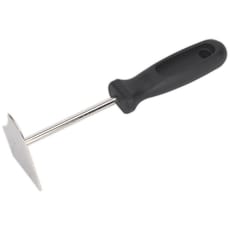
Compatibility with Your Heat Gun: Always verify that scraper tools are designed to work alongside your specific heat gun model. Genuine manufacturer accessories like the Sealey scraper designed for HS105 and HS107K models ensure proper ergonomics and safe working distances. Whilst generic scrapers can function adequately for occasional use, matched tools provide optimal performance for professional applications.
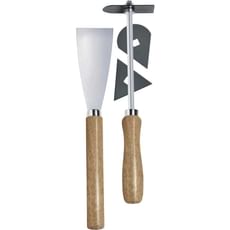
Blade Profile Requirements: Consider the surfaces you'll work with most frequently. Flat profiles suit expansive areas like door panels and fascia boards, triangular blades excel at corners and detailed work, whilst curved profiles handle mouldings and architraves effectively. Multi-profile kits like the Steinel 5-piece system offer versatility for varied projects without cluttering your toolbox.
Material Quality and Construction: Professional-grade scrapers feature hardened steel or carbide-tipped blades that maintain their edge through demanding use and resist deformation at elevated temperatures. Heat-resistant handles with proper insulation protect against conducted heat—crucial for extended stripping sessions. Budget tools may suffice for occasional DIY work, but tradespeople requiring daily reliability should invest in quality accessories designed for sustained professional use.
Blade Replacement System: Tools with interchangeable blades offer better long-term value than fixed-blade designs. Being able to swap blunt blades for sharp replacements maintains optimal performance and proves more economical than replacing entire tools. Check that replacement blades remain readily available before committing to a particular system.
Handle Design and Ergonomics: Comfort matters significantly during extended paint stripping work. Look for contoured grips with soft-touch materials that reduce hand fatigue, balanced designs that feel natural in use, and sufficient length to maintain safe distance from the heat source whilst providing adequate leverage.
Storage and Transportation: Consider how tools will be stored and transported. Organised kits with dedicated cases protect blades from damage, prevent injury when reaching into toolboxes, and keep accessories together on site. Loose tools inevitably get lost or damaged in busy work environments.
Popular Accessories
Enhance your heat gun capabilities with these complementary items available at Tooled-Up:
- Replacement Scraper Blades: Keep spare blades in various profiles to maintain optimal performance without interrupting your workflow when edges become dull.
- Multi-Profile Scraper Kits: Complete sets offering triangular, flat, curved, and combination edges for tackling any surface profile encountered during restoration work.
- Heat Gun Nozzle Sets: Reflector, reducer, and glass protection nozzles that complement your hand tools by controlling airflow for specific applications.
- Wire Brush Attachments: For removing loosened paint particles and debris after scraping, preparing surfaces for refinishing without scratching underlying material.
- Heat-Resistant Work Gloves: Quality thermal protection gloves maintaining dexterity whilst protecting hands from accidental contact with hot surfaces or conducted heat.
- Surface Protection Mats: Heat-resistant barriers preventing accidental damage to worktops, floors, and adjacent areas during paint removal operations.
- Tool Storage Solutions: Dedicated pouches and organisers from Stanley, DeWalt, and Milwaukee keeping scrapers, blades, and accessories protected and readily accessible.
- Dust Sheets and Protective Covers: Essential for containing paint debris and protecting surrounding areas during stripping work.
Safety Information
Personal Protective Equipment: Always wear appropriate PPE when using heat guns and scraping tools. Safety glasses or goggles protect against flying paint chips and debris, whilst heat-resistant gloves prevent burns from conducted heat through scraper blades. Respiratory protection is essential when removing paints that may contain lead, particularly in properties built before 1970. Many older coatings require COSHH assessment before removal commences—never assume materials are safe without proper evaluation.
Burn Prevention: Heat gun nozzles and heated work surfaces can exceed 600°C—hot enough to cause severe burns instantly. Scraper blades become extremely hot through contact with heated materials and conducted heat from the work surface. Allow adequate cooling time before handling tools without protection, and maintain awareness of where you place hot equipment during breaks. Never leave a hot heat gun unattended or within reach of untrained personnel.
Fire Hazards: Heat guns generate sufficient temperature to ignite flammable materials, vapours, and accumulated dust. Keep a suitable fire extinguisher within immediate reach, ensure adequate ventilation, and clear the workspace of combustible materials before commencing work. Be aware that heat conducts through materials—you might ignite hidden combustibles behind panels or within wall cavities. Never use heat guns near gas pipes, fuel lines, or in potentially explosive atmospheres.
Tool Maintenance and Inspection: Regularly inspect scraper tools for damaged blades, loose components, cracked handles, or degraded heat-resistant materials. Damaged tools can fail during use, potentially causing injury or work surface damage. Replace worn accessories promptly and store tools properly to maintain safe working condition. Blunt blades require excessive pressure that increases the risk of slipping and gouging surfaces—sharpen or replace them before they compromise safety or quality.
Work Area Preparation: Prepare your workspace according to HSE guidelines for working with heat-producing equipment. Ensure adequate ventilation to disperse fumes from heated materials, protect surrounding areas with heat-resistant barriers, and inform others working nearby about hot work in progress. When working on site or in occupied properties, establish clear safety zones and prevent access by untrained personnel until equipment has fully cooled.
Frequently Asked Questions
Do I need brand-specific scrapers, or will generic tools work with any heat gun?
Generic scrapers function adequately for general paint removal, but manufacturer-specific tools like genuine Sealey scrapers designed for particular heat gun models offer superior ergonomics, optimal working angles, and proper heat resistance specifications. For occasional DIY use, generic options may suffice, but professional tradespeople benefit from matched accessories that enhance efficiency and reduce fatigue during extended use. Brand-specific tools also ensure replacement blade availability and compatibility with any integrated storage systems.
How do I maintain scraper blades for optimal performance?
Keep blades clean by removing accumulated paint residue whilst still warm using a wire brush or scraper-against-scraper technique. Store tools in dry conditions to prevent rust formation on steel blades. Replace blades when they require noticeably increased pressure to remove softened material, develop nicks or chips that might damage work surfaces, or lose their edge profile. Professional decorators typically replace blades more frequently than strictly necessary—sharp tools work faster and safer than persisting with compromised edges.
Can I use heat gun scrapers for removing lead paint safely?
Heat application can be used for lead paint removal, but requires strict adherence to HSE guidelines and COSHH regulations. Heat gun temperatures must remain below 450°C to prevent vaporising lead compounds, and appropriate respiratory protection, containment measures, and disposal procedures are mandatory. Many professionals prefer chemical strippers or mechanical methods for lead paint due to health and safety concerns. Always conduct proper risk assessment before attempting heat-based removal of any pre-1970s coatings.
What's the difference between DIY-grade and professional heat gun accessories?
Professional tools feature superior materials engineered for sustained high-temperature exposure, more robust construction withstanding daily trade use, and ergonomic designs reducing fatigue during extended work. Trade-quality scrapers maintain sharp edges longer, incorporate replaceable blade systems, and provide better thermal insulation. For occasional home projects, DIY-grade tools may prove adequate, but tradespeople whose livelihood depends on efficiency and reliability require the durability and consistent performance of professional accessories from established brands like Sealey and Steinel.
How many scraper profiles do I actually need for general paint stripping work?
Most decorators find that three profiles cover the majority of situations: a wide flat blade for expansive surfaces like door panels and fascia boards, a triangular blade for corners and edges, and a curved or combination profile for mouldings and architectural details. Multi-profile kits offering interchangeable heads provide excellent versatility without requiring multiple complete tools. Specialists working extensively with period properties or intricate restoration may benefit from additional specialised profiles, but three core types satisfy most professional and DIY requirements.