

Hedge Trimmers
Pay in 3 interest-free payments on purchases from £30-2000 with  . Learn more.
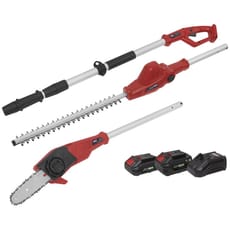
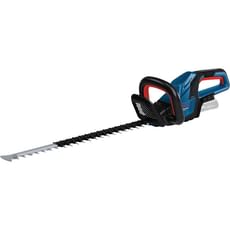
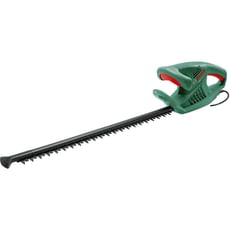
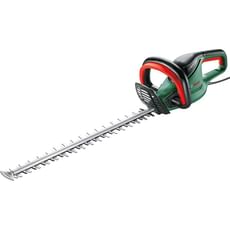
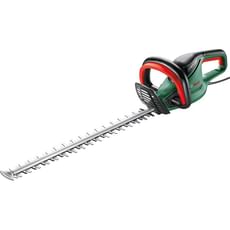
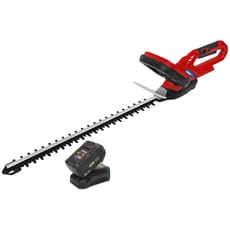
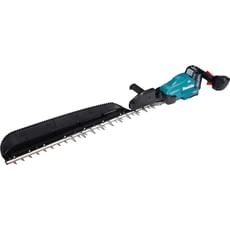
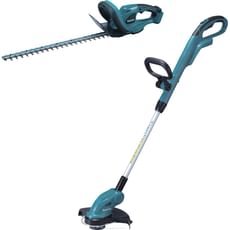
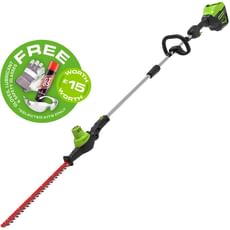
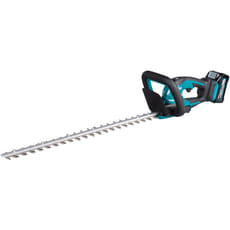
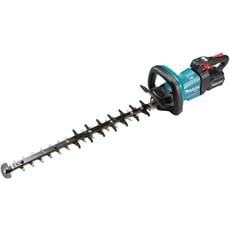
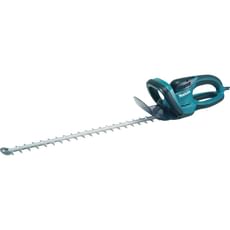
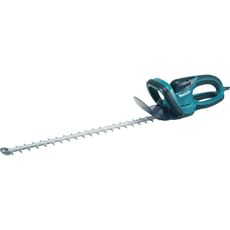
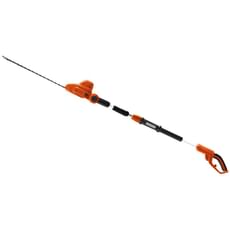
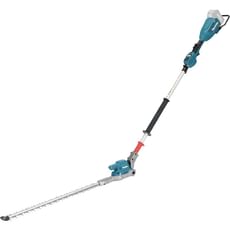
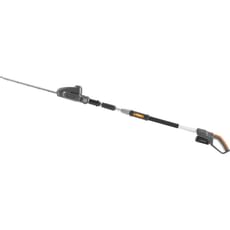
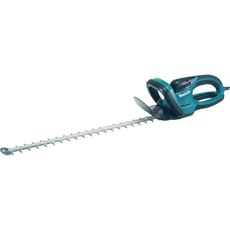
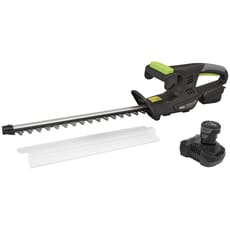
Webb WEV20PSHT 20v Cordless Long Reach Hedge Trimmer 500mm and Pruner Attachment
available
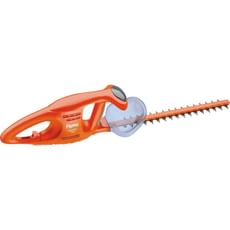
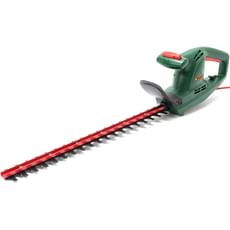
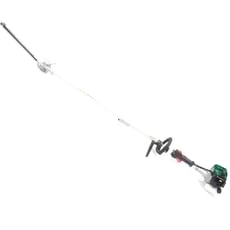
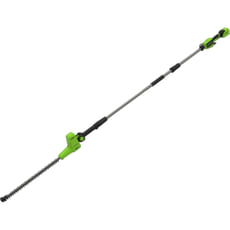
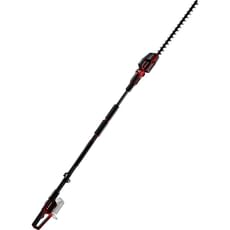
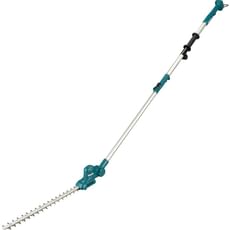
Einhell Professional GP-HH 18/50 Li T BL 18v Cordless Brushless Telescopic Hedge Trimmer 500mm
available
 Loading...
End of content
Error - No more pages to load
About Hedge Trimmers
Powered hedge trimmers transform garden maintenance from a laborious chore into a swift, efficient task. Whether you're a professional landscaper maintaining multiple properties or a homeowner keeping your garden tidy, a quality hedge trimmer makes light work of shaping hedges, topiary, and ornamental shrubs. These versatile tools are available in three main power configurations: petrol-driven models for heavy-duty commercial use, 240v corded electric trimmers for consistent power close to the home, and increasingly popular cordless battery-powered units that combine portability with impressive runtime.
Blade length is a critical specification, typically ranging from 400mm for small domestic hedges up to 700mm or more for tall, wide hedges and commercial applications. The cutting capacity—measured as the maximum branch thickness the blades can handle—varies from around 15mm on lighter domestic models to 34mm or more on professional-grade machines. Many modern hedge trimmers feature dual-action blades that cut from both directions, reducing vibration and improving cutting efficiency. For tall hedges, pole or articulating hedge trimmers allow you to reach heights of three metres or more whilst keeping your feet firmly on the ground, eliminating the need for ladders and significantly improving safety.
Tooled-Up.com stocks hedge trimmers from leading manufacturers including Bosch (both Home and Garden and Professional ranges), DeWalt, Einhell, Black and Decker, and Flymo. The selection spans entry-level domestic models perfect for occasional light trimming through to robust professional machines designed for daily commercial use. Battery-powered models have become particularly popular, with lithium-ion technology now delivering sufficient power and runtime to rival petrol equivalents for most applications, whilst offering quieter operation, zero emissions, and minimal maintenance requirements.
Jargon Buster
- Blade Length: The cutting length of the blade assembly, typically measured in millimetres. Longer blades (600mm+) cover more area per pass and are better suited to large or tall hedges, whilst shorter blades (400-500mm) offer greater manoeuvrability around detailed topiary and compact shrubs.
- Cutting Capacity: The maximum branch diameter the hedge trimmer can cut through, usually between 15mm and 34mm. Thicker cutting capacities are essential for overgrown hedges or woody shrubs, whilst thinner capacities suffice for regular maintenance trimming of soft growth.
- Dual-Action Blades: A blade design where both blade components move in opposite directions, rather than one fixed and one moving blade. This configuration reduces vibration significantly, cuts more efficiently from both directions, and causes less fatigue during extended use.
- Tooth Spacing: The distance between individual cutting teeth on the blade. Wider spacing accommodates thicker branches but may leave a slightly rougher finish, whilst closer spacing delivers finer, more precise cuts on smaller growth.
- Articulating Head: A trimmer head that can be adjusted to multiple angles, allowing you to cut vertically, horizontally, or at various angles without changing your body position. Particularly valuable for reaching awkward areas and trimming the tops of tall hedges from ground level.
- RCD (Residual Current Device): A life-saving safety device that instantly cuts electrical power if it detects a fault, such as a severed cable or current leaking to earth. Essential when using 240v corded hedge trimmers, especially in damp conditions.
Who Uses Hedge Trimmers?
- Professional Landscapers: Garden maintenance contractors and landscaping businesses requiring reliable, high-capacity machines for daily commercial workloads across multiple properties.
- Groundskeepers: Maintenance staff responsible for parks, sports facilities, schools, hospitals, and commercial premises with extensive hedge and shrub borders requiring regular attention.
- Tree Surgeons: Arborists and tree care professionals who incorporate hedge trimming into broader grounds maintenance and vegetation management services.
- Local Authorities: Council workers maintaining public green spaces, roadside verges, municipal parks, and housing estate communal areas.
- Estate Managers: Property and facilities managers overseeing large private estates, stately homes, or commercial property portfolios with substantial landscaped grounds.
- Serious Gardeners: Homeowners with large gardens, multiple hedges, or formal garden designs requiring regular, precise trimming to maintain appearance.
- DIY Enthusiasts: Householders seeking to maintain their own garden hedges rather than employing professional gardeners, typically requiring equipment several times per year.
How to Choose the Right Hedge Trimmers
Power Source: Consider your working environment and hedge locations. Petrol models suit remote locations and all-day commercial use but require fuel storage and regular maintenance. Corded 240v electric trimmers offer unlimited runtime and instant starting, ideal for domestic gardens within 30 metres of a power socket. Cordless battery models provide the best balance of portability and convenience for most users, with modern lithium-ion batteries delivering 45-90 minutes of runtime—sufficient for typical residential gardens.
Blade Length and Cutting Capacity: Match blade length to your hedge size. Hedges up to waist height suit 400-500mm blades, whilst taller hedges benefit from 600-700mm blades that cover more area per pass. Check cutting capacity against your hedge type—regularly maintained soft growth needs only 15-20mm capacity, whilst neglected or woody hedges require 26mm or more. Remember that longer blades create more weight and arm fatigue during prolonged use.
Weight and Ergonomics: Test the weight if possible, particularly for cordless models where battery weight adds significantly to the overall mass. Front and rear handles should feel comfortable and well-positioned for your grip. Rotating rear handles benefit users who trim both horizontal tops and vertical sides, allowing natural wrist positions throughout. Professional users tackling multiple properties daily should prioritise lighter models with anti-vibration features to minimise fatigue and potential long-term health issues.
Professional vs. Domestic Grade: The range at Tooled-Up includes both homeowner-focused and professional-specification machines. Professional models feature more robust construction, higher cutting capacities, longer warranties, and components designed for thousands of hours of use. Domestic models provide excellent value for occasional use but may struggle with daily commercial workloads. Consider your usage frequency honestly—a few times per year suits domestic grade, whilst weekly use or income-generating work demands professional equipment.
Battery Compatibility: If you already own cordless tools from manufacturers like DeWalt, Bosch, Einhell, or Black and Decker, choosing a hedge trimmer that shares the same battery platform avoids duplicate battery purchases and standardises your charging infrastructure. Many ranges now offer "bare tool" options without batteries or chargers, providing significant cost savings when expanding an existing cordless tool collection.
Popular Accessories
- Blade Guards: Protective covers that shield blades during storage and transportation, preventing accidental injuries and protecting the cutting edges from damage.
- Extension Cables: Heavy-duty outdoor-rated cables for 240v models, typically 25-50 metres length with highly visible bright orange insulation to reduce the risk of accidental cutting.
- RCD Adaptors: Plug-in residual current devices providing essential electrical safety protection when using corded hedge trimmers, particularly in damp conditions.
- Spare Batteries and Chargers: Additional battery packs for cordless models eliminate downtime during battery charging, whilst spare chargers allow simultaneous charging of multiple batteries for professional users.
- Blade Sharpening Tools: Files and sharpening stones designed specifically for hedge trimmer blades, helping maintain optimal cutting performance and extending blade life between professional sharpening services.
- Cleaning and Maintenance Products: Resin-removing sprays, lubricating oils, and blade cleaners that remove sap build-up and prevent corrosion, ensuring smooth operation and longevity.
- Hedge Trimmer Bags: Protective carrying cases and storage bags that safeguard equipment during transportation between job sites and provide organised storage for professional landscapers.
Safety Information
Hedge trimmers are powerful cutting tools that demand respect and proper safety precautions. Always wear appropriate personal protective equipment including safety glasses or a full face visor to protect against flying debris, heavy-duty gardening gloves with good grip, and steel toe-capped boots. Long sleeves and trousers protect skin from scratches and cuts from hedge material. Hearing protection is advisable when using petrol models for extended periods.
When operating 240v corded hedge trimmers, always use an RCD (residual current device) plugged between the trimmer and mains supply—this life-saving device cuts power instantly if the cable is accidentally severed or a fault occurs. Keep the power cable behind you and always visible whilst working, using brightly coloured extension leads. Never use electric hedge trimmers in wet conditions or immediately after rain when hedges are saturated.
Maintain a stable footing at all times and never overreach—reposition yourself rather than stretching beyond your balance point. When working at height, use proper access equipment like scaffold towers rather than balancing on ladders, which become unstable when using two-handed power tools. For tall hedges, articulating or pole hedge trimmers allow ground-level operation, eliminating height risks altogether.
Before starting work, inspect the hedge for hidden obstacles such as wire fencing, clothes lines, or cables that could damage blades or cause dangerous kickback. Clear the area of bystanders, pets, and children, establishing a safe working zone. With petrol models, always refuel when the engine is cold and in a well-ventilated outdoor area away from ignition sources. Consult the HSE guidance on work equipment safety and follow all manufacturer instructions regarding maintenance, blade inspection, and safe operating procedures.
Frequently Asked Questions
How often should I trim my hedges?
Most hedges benefit from trimming twice annually—once in late spring after the main growth spurt, and again in late summer or early autumn to tidy growth and establish the shape before winter. Fast-growing species like privet or leylandii may require three cuts during the growing season to maintain a neat appearance. Formal hedges in prominent positions often need more frequent attention than informal boundary hedges. Always check for nesting birds before trimming between March and August, as it's illegal to disturb active nests.
What's the difference between single-action and dual-action blades?
Single-action blades have one moving blade cutting against a fixed blade, similar to traditional manual hedge shears. Dual-action designs feature two blades moving in opposite directions, which significantly reduces vibration transferred to your arms, cuts more efficiently from both stroke directions, and typically provides a cleaner cut. The reduced vibration makes dual-action models much more comfortable during extended use and helps prevent hand-arm vibration syndrome (HAVS) for professional users. Virtually all modern hedge trimmers feature dual-action blades.
Can I cut thicker branches with a hedge trimmer?
Only within the specified cutting capacity—typically between 15mm and 34mm depending on the model. Attempting to cut branches exceeding the rated capacity risks damaging the blades, stalling the motor, or causing dangerous kickback. For overgrown hedges with thick woody growth, first remove substantial branches using loppers, a pruning saw, or chainsaw, then use the hedge trimmer for final shaping and trimming of smaller growth. Some specialised models feature integrated saw blades specifically for tackling thicker branches during renovation work.
How long do cordless hedge trimmer batteries last?
Runtime varies considerably based on battery capacity (measured in ampere-hours, Ah), hedge density, and cutting conditions. A typical 2.0Ah battery might provide 30-40 minutes of trimming, whilst larger 4.0-5.0Ah batteries can deliver 60-90 minutes or more. Cutting thick, woody growth drains batteries faster than maintaining soft new growth. Professional landscapers typically carry multiple batteries, rotating them through charging cycles to maintain continuous operation throughout the working day. Battery life (charge cycles before capacity degrades) for quality lithium-ion batteries typically exceeds 1,000 charges with proper care.
Do I need different hedge trimmers for different hedge types?
A single quality hedge trimmer handles most hedge species effectively, but specifications should match your predominant hedge type. Formal hedges with dense, fine growth (box, yew, privet) benefit from closer tooth spacing for precise, clean cuts. Informal or fast-growing hedges (laurel, hawthorn, leylandii) suit wider tooth spacing and higher cutting capacities. If you maintain both formal topiary and large boundary hedges, consider blade length and cutting capacity that accommodate the most demanding application—the same trimmer will handle lighter tasks easily, but an underpowered model struggles with heavy-duty work.