

Hex Shank Chisel Bits

Pay in 3 interest-free payments on purchases from £20-£3000 with  . Learn more.









 Loading...
End of content
Error - No more pages to load
About Hex Shank Chisel Bits
Hex shank chisel bits are essential demolition accessories engineered for use with breaker hammers and demolition hammers on demanding construction and renovation projects. These robust chisels feature hexagonal shanks in standard sizes—typically 19mm, 22mm, 28mm, or 30mm—that provide a secure, anti-rotation connection with compatible power tool chucks. Manufactured from hardened steel alloys and often treated with specialist coatings, hex shank chisel bits are built to withstand the extreme repetitive impact forces generated by electric and pneumatic breakers during concrete breaking, masonry removal, and general demolition work.
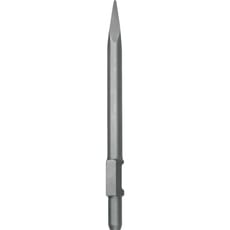
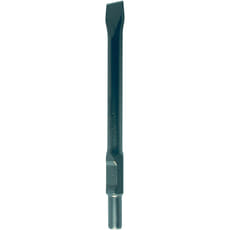
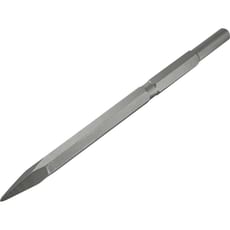
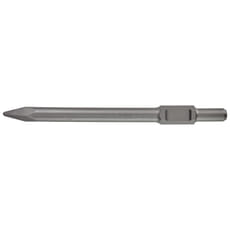
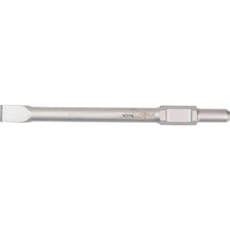
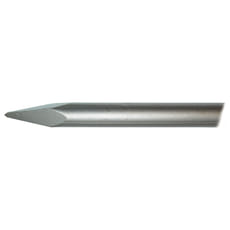
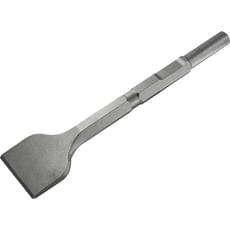
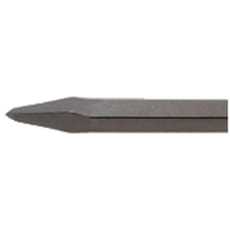
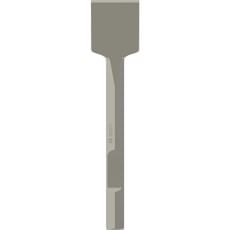
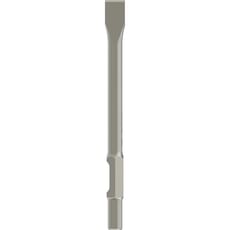
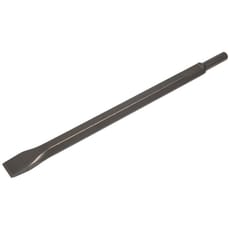
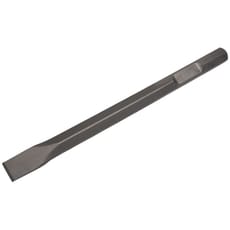
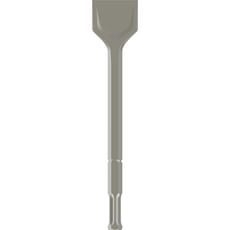
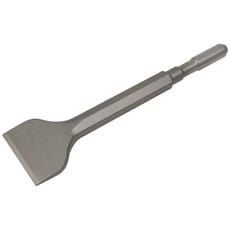
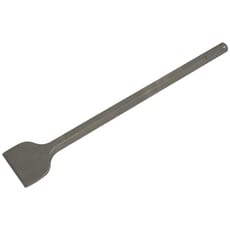
The category encompasses a comprehensive range of chisel profiles, each designed for specific breaking and demolition applications. Pointed chisels deliver concentrated force for precision breaking and initiating cracks in concrete structures, whilst flat chisels provide a broader cutting edge ideal for removing floor tiles, screed, and general concrete demolition. Spade chisels offer an even wider cutting surface for efficient channelling through walls for cable runs and pipe installations, and specialist variants such as asphalt cutters and earth rod drivers address niche requirements in groundwork and utilities installation. Self-sharpening designs from manufacturers like Bosch Professional maintain their cutting edge throughout extended use, reducing downtime and maximising productivity on site.
Professional tradespeople working across construction, demolition, and renovation projects rely on quality hex shank chisel bits from trusted brands. Tooled-Up.com stocks an extensive selection from industry-leading manufacturers including Bosch Professional, Makita, Sealey, Faithfull, and DeWalt, ensuring tradesmen can source the correct chisel profile and shank size for their specific breaker hammer and application requirements. Whether you're breaking up reinforced concrete foundations, removing old ceramic floor tiles, cutting channels for electrical installations, or tackling asphalt repair work, selecting the appropriate chisel bit is essential for both productivity and safety on site.
Jargon Buster
- Hex Shank – A six-sided (hexagonal) fitting that provides a secure, anti-rotation connection between the chisel bit and the breaker hammer chuck. Common sizes in the UK include 19mm, 22mm, 28mm, and 30mm hex configurations, with each size corresponding to specific breaker hammer power ratings.
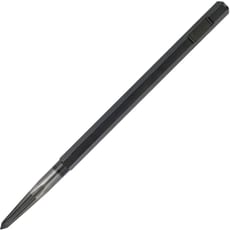
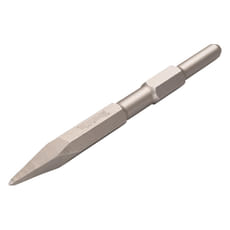
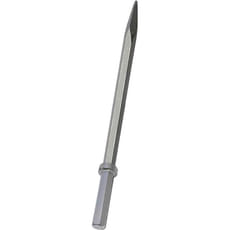
- Pointed Chisel – A chisel bit with a sharp, concentrated point designed for precision breaking work, starting cracks in concrete and masonry, and working in confined spaces where controlled force application is required. Essential for demolition projects requiring targeted material removal.
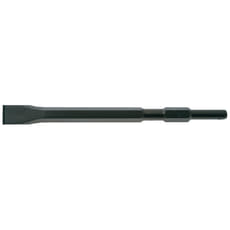
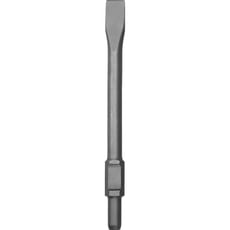
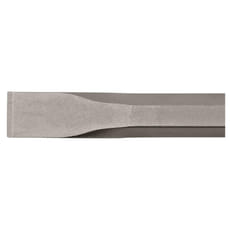
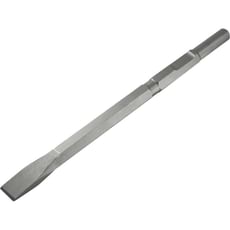
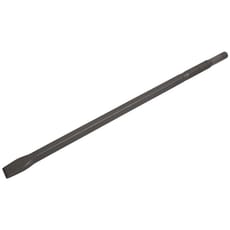
- Flat Chisel – A general-purpose demolition chisel featuring a flat, straight cutting edge ideal for breaking up concrete slabs, removing screed and floor tiles, and general chiselling applications across construction and renovation projects.
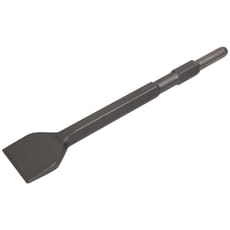
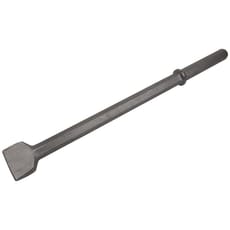
- Spade Chisel – Features a wider, spade-shaped cutting edge particularly suited to channelling walls for cables or pipework, trenching operations, and removing larger sections of concrete or masonry efficiently. The broader profile distributes impact force across a wider area.
- Self-Sharpening – Advanced chisel designs that maintain their cutting edge through use, typically achieved through specialist heat treatment processes and metallurgy. Self-sharpening chisels from brands like Bosch Professional reduce downtime, eliminate manual sharpening requirements, and extend tool life significantly.
- Breaker Hammer – An electric or pneumatic power tool that delivers rapid, high-impact blows to drive chisel bits through concrete, masonry, asphalt, and other hard materials. Also referred to as a demolition hammer or jackhammer in the trade.
Who Uses Hex Shank Chisel Bits?
- Demolition Contractors – For breaking up concrete structures, removing foundations, and comprehensive site clearance projects
- Builders and General Construction Workers – Breaking out old floors, creating openings in walls, and site preparation tasks
- Groundworkers – Excavating compacted ground, breaking up asphalt surfaces, and installing earth rods and ground stakes
- Electricians (Sparkies) – Chasing channels in walls for cable runs and removing concrete for junction box installations
- Plumbers and Heating Engineers – Creating channels for pipework installations and breaking through concrete floors for underfloor heating systems
- Tilers and Flooring Specialists – Removing old ceramic tiles, screed layers, and preparing substrates for new floor installations
- Stonemasons and Landscape Contractors – Breaking natural stone and concrete paving for repair, replacement, or new installation work
- Facilities Maintenance Teams – General repair and refurbishment work in commercial and industrial premises requiring concrete removal
- Shopfitters – Creating services routes and adapting commercial premises during fitout projects
- DIY Enthusiasts – Home renovation projects requiring concrete or masonry removal, patio removal, and structural modifications
How to Choose the Right Hex Shank Chisel Bits
Match the Shank Size: The most critical consideration is ensuring the hex shank size matches your breaker hammer chuck precisely. Lighter electric breakers typically accept 19mm hex shanks, mid-range demolition hammers use 22mm or 28mm shanks, and heavy-duty industrial breakers require 28mm or 30mm hex shanks. Always verify your tool's specification before purchasing—an incorrectly sized chisel will not fit securely and presents a serious safety hazard.
Select the Correct Profile: Choose pointed chisels for precision breaking work and initiating demolition, flat chisels for general concrete breaking and tile removal, spade chisels for channelling and trenching operations, and specialist profiles like asphalt cutters for specific applications. Many professional tradesmen maintain a comprehensive selection of profiles to handle varied tasks efficiently throughout the working day.
Consider Build Quality: Professional-grade chisel bits available from Tooled-Up deliver superior performance and longevity compared to budget alternatives. Premium options from Bosch Professional, Makita, and DeWalt feature advanced steel alloys, precision heat treatment, and robust construction that withstands daily site work. Self-sharpening variants offer extended cutting performance and can outlast standard chisels by 30-50% in demanding applications.
Assess Your Workload: For occasional DIY projects, standard chisel bits will suffice, but regular professional use demands heavy-duty construction and potentially self-sharpening technology. Consider the materials you'll be working with—harder aggregates, reinforced concrete, and engineered masonry require premium-grade chisels to maintain performance and avoid premature failure.
Length Considerations: Longer chisel bits provide extended reach for deeper demolition work, trenching, and channelling operations, whilst shorter variants offer superior control in confined spaces and when working at awkward angles. Consider the typical depth and access constraints of your projects when selecting chisel length.
Brand Reputation: Established manufacturers invest heavily in metallurgy, heat treatment processes, and quality control. Bosch Professional, Makita, and Sealey chisel bits consistently deliver reliable performance and represent better long-term value through extended service life, even if initial purchase costs are higher than unbranded alternatives.
Popular Accessories
- Breaker Hammers – Electric and pneumatic demolition hammers from Makita, Bosch Professional, Milwaukee, and DeWalt to power your chisel bits
- Chisel Grease – Specialist lubricants that reduce friction, prevent chisel seizure in the chuck, and extend both chisel and tool life significantly
- Point and Chisel Sets – Multi-piece sets offering various profiles for comprehensive demolition capability without purchasing individual chisels
- Carry Cases and Tool Storage – Organised storage solutions from DeWalt TSTAK, Milwaukee PACKOUT, and Makita MakPac systems for transporting chisels safely to site
- Diamond Blades and Cutting Discs – Complementary cutting tools for precision work alongside demolition activities
- Dust Extraction Equipment – Essential for controlling hazardous silica dust when breaking concrete and masonry materials
- Personal Protective Equipment – Safety glasses, hearing protection, heavy-duty work gloves, and steel toe-capped boots from Snickers, DeWalt, and Scruffs
- Extension Cables – Heavy-duty 240v extension leads rated for high-current power tools on construction sites
Safety Information
Using hex shank chisel bits with breaker hammers presents significant safety hazards that require proper precautions and adherence to HSE guidelines. Always wear appropriate PPE including safety goggles or a full face shield to protect against flying debris, hearing protection rated for impact tool noise levels (typically 100-110dB), heavy-duty work gloves with impact protection, steel toe-capped boots conforming to EN ISO 20345 standards, and a dust mask or respirator when working with concrete and masonry materials. The HSE provides specific guidance on controlling respirable crystalline silica (RCS) exposure, which represents a serious long-term health hazard in demolition work and can lead to silicosis and lung disease.
Ensure chisel bits are correctly seated and fully secured in the breaker hammer chuck before operation—a loose chisel can eject violently under load. Inspect chisels before each use for signs of mushrooming (deformation of the striking end), cracks, excessive wear, or damage. Damaged chisels can shatter under the extreme impact forces generated by breaker hammers, creating dangerous high-velocity projectiles. Maintain a firm two-handed grip on the breaker hammer and position yourself securely with stable footing before commencing work.
Be aware that prolonged use of breaker hammers can cause Hand-Arm Vibration Syndrome (HAVS), a serious industrial injury. Follow HSE guidance on exposure limits, use anti-vibration gloves, and take regular breaks to minimise vibration exposure. Work areas must be properly assessed for hidden services—electrical cables, water pipes, and gas lines—before breaking through walls or floors. Use a cable detector and consult building plans where available. Clear the immediate work area of bystanders and ensure adequate ventilation when working indoors to control dust levels. Always disconnect power tools from the 240v mains supply before changing accessories. Follow manufacturer guidance for both the breaker hammer and chisel bits to ensure safe, effective operation.
Frequently Asked Questions
What size hex shank do I need for my breaker hammer?
Check your breaker hammer's manual or chuck specification plate. Lighter electric breakers (typically 5-10kg models) use 19mm hex shanks, mid-range tools (10-15kg) use 22mm or 28mm shanks, and heavy-duty demolition hammers (15kg+) use 28mm or 30mm hex shanks. The shank must match exactly—an incorrectly sized chisel will not fit securely and presents a serious safety hazard. If you're uncertain, measure the hex chuck opening or contact the tool manufacturer directly.
How long do hex shank chisel bits typically last?
Lifespan varies considerably depending on usage intensity, material hardness, and chisel quality. Professional-grade bits from Bosch Professional or Makita can last several months of daily site work with proper maintenance and lubrication, whilst budget options may require replacement after just weeks of intensive use. Self-sharpening designs typically outlast standard chisels by 30-50%. Always inspect chisels regularly and replace immediately when worn, cracked, or showing signs of mushrooming.
Can I use SDS chisel bits in a hex shank breaker hammer?
No, SDS and hex shank systems are completely incompatible and serve different applications. SDS (Special Direct System) is designed for lighter rotary hammers and combi drills with lower impact forces, whilst hex shank systems are engineered specifically for heavy-duty breaker hammers delivering much higher impact energy. The fittings are physically different and cannot be adapted. Always use the correct shank type specified for your particular tool.
What's the difference between pointed, flat, and spade chisels?
Pointed chisels concentrate force at a single sharp point for precision breaking, starting cracks in concrete, and working in confined spaces. Flat chisels have a wide, straight cutting edge ideal for general breaking work, tile removal, and levelling concrete surfaces. Spade chisels feature a broader, spade-shaped cutting edge for channelling walls for cables or pipes, trenching, and removing larger sections of material more efficiently. Most professional tradesmen keep all three profiles available for varied applications throughout the working day.
Do I need to lubricate hex shank chisel bits?
Yes, applying specialist chisel grease to the hex shank before insertion is essential for professional use. Lubrication reduces friction, prevents the chisel from seizing in the chuck (particularly problematic after extended use generating high temperatures), and extends both chisel and tool life significantly. This is particularly important where chisels are changed frequently throughout the working day. Clean the shank with a wire brush and re-grease periodically during extended use, and always clean and lubricate chisels before storage to prevent corrosion.