

Hex & Torx Key Sets

Pay in 3 interest-free payments on purchases from £20-£3000 with  . Learn more.

 Loading...
End of content
Error - No more pages to load
About Hex & Torx Key Sets
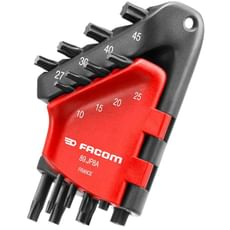
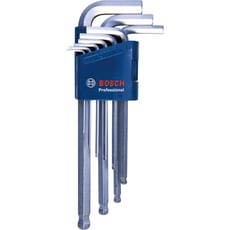
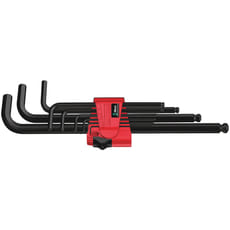
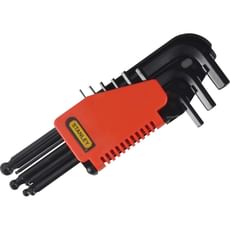
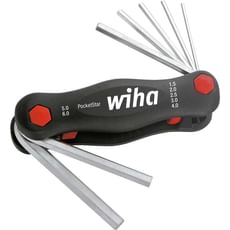
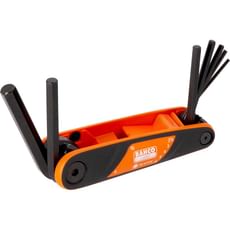
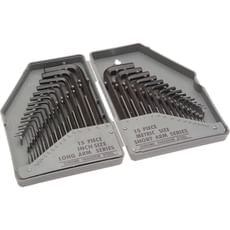
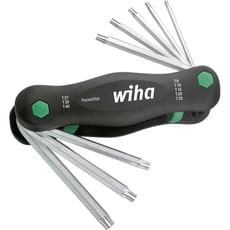
Hex and Torx key sets are fundamental hand tools found in virtually every professional tradesperson's toolkit and DIY enthusiast's workshop across the UK. These compact, hardened steel tools provide the leverage and precision needed to drive hex socket (Allen) and Torx screws, which are increasingly common in everything from flat-pack furniture and bicycle maintenance to automotive work and precision engineering. Available in both metric and imperial sizes, these key sets come in various configurations including folding pocket sets, T-handle versions for enhanced torque, and ball-end designs that allow angled access in tight spaces.
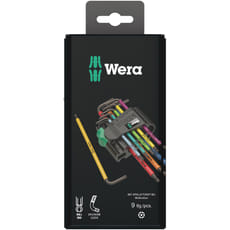
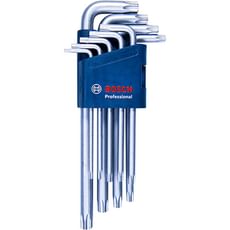
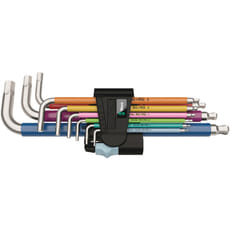
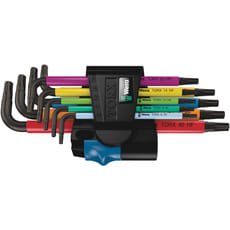
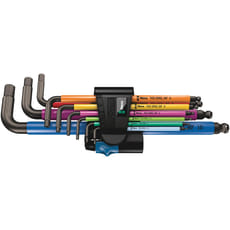
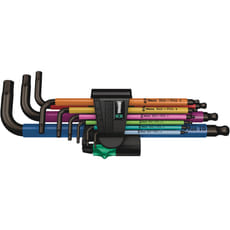
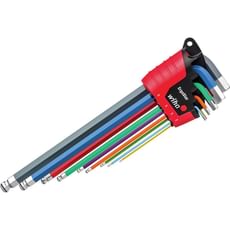
The category available at Tooled-Up.com encompasses a wide range of options to suit different applications and budgets. Standard L-shaped keys remain the most popular choice for general use, whilst colour-coded sets help tradespeople quickly identify the correct size on busy job sites. Professional-grade sets from brands like Bahco, Draper and Bosch Professional feature hardened chrome vanadium steel construction for durability and corrosion resistance, whilst budget-friendly options provide excellent value for occasional users. Many sets now include both hexagon and Torx keys in one convenient package, eliminating the need to purchase separate sets.
Whether you're a professional mechanic requiring precision tools for daily use, a carpenter assembling cabinet hardware, or a home DIYer tackling furniture assembly, investing in quality hex and Torx key sets ensures you'll have the right tool when you need it. Modern sets often feature ergonomic handles, organised storage cases, and long-reach options for accessing recessed fasteners, making them far more versatile than the basic L-keys of years past. For specialised applications, VDE insulated T-handle sets from brands like CK Tools provide safe working with electrical installations.
Jargon Buster
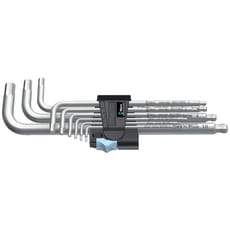
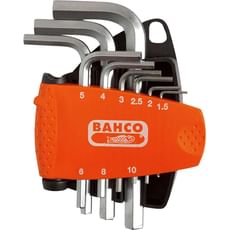
- Hex Key (Allen Key): An L-shaped tool with a hexagonal cross-section designed to drive internal hexagon socket screws. Named after the Allen Manufacturing Company, though "hex key" is the technically correct term.
- Torx Key (Star Key): Similar to a hex key but with a six-pointed star-shaped tip, designed to provide better torque transfer and reduce cam-out (slipping). Commonly found in automotive, electronics and security applications.
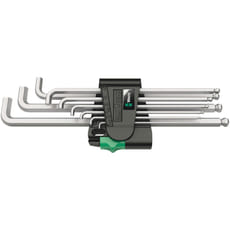
- Ball End: A hex key with a rounded, ball-shaped tip that allows the key to be inserted at angles up to 25 degrees, making it easier to access fasteners in tight or awkward positions where straight-on access isn't possible.
- Chrome Vanadium Steel: A durable steel alloy (often marked as Cr-V) that combines hardness with flexibility, making it ideal for hand tools that need to resist wear whilst avoiding brittleness that could cause snapping under load.
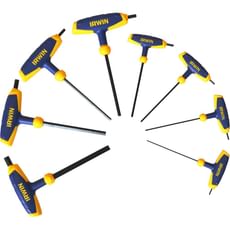
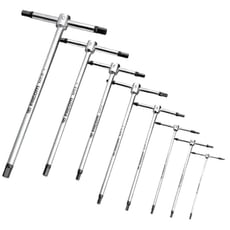
- T-Handle: A key design featuring a perpendicular handle that forms a "T" shape, providing greater leverage and more comfortable grip for applying higher torque compared to standard L-shaped keys. Particularly useful for deep-set screws.
- Imperial vs Metric: Imperial sizes are measured in fractions of an inch (e.g., 1/8", 3/16"), whilst metric uses millimetres (e.g., 2mm, 5mm). Using the wrong measurement system will result in poor fit and potential damage to fasteners.
Who Uses Hex & Torx Key Sets?
Hex and Torx key sets are indispensable across numerous trades and applications:
- Mechanics and Auto Electricians: Essential for automotive maintenance, brake systems, engine components and interior trim work where Torx fasteners are increasingly standard
- Bicycle Mechanics: Required for adjusting brakes, derailleurs, handlebars and countless other components that predominantly use hex socket bolts
- Carpenters and Joiners: Needed for flat-pack assembly, cabinet hardware, furniture construction and modern joinery systems
- Electricians: Used for electrical enclosures, consumer units, data cabinets and mounting brackets that often feature hex or Torx security screws
- Plumbers and Heating Engineers: Required for modern tap assemblies, radiator valves and heating system components
- Machine Operators and Engineers: Essential for machinery maintenance, adjustments and precision engineering work
- IT and Electronics Technicians: Needed for computer builds, server racks and electronic equipment that commonly uses small hex and Torx fasteners
- DIY Enthusiasts and Homeowners: Useful for furniture assembly, bicycle maintenance, appliance repairs and general household tasks
How to Choose the Right Hex & Torx Key Sets
Selecting the appropriate hex and Torx key set depends on several key factors:
Size Range and Measurement System: Consider whether you'll be working primarily with metric or imperial fasteners. Professional tradespeople often benefit from comprehensive sets covering both systems, whilst DIYers may only need metric sizes. Common metric hex sizes range from 1.5mm to 10mm, whilst imperial typically spans 1/16" to 3/8". Torx sizes are designated by "T" numbers (T6 to T50 being most common).
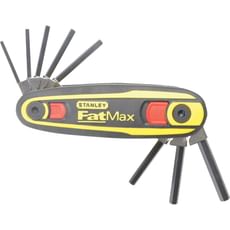
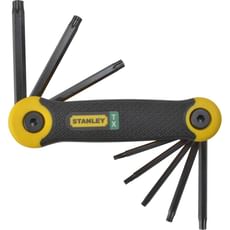
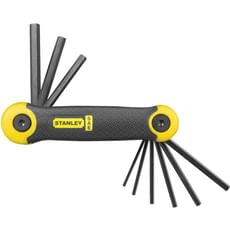
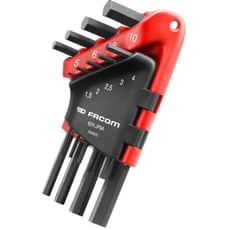
Configuration Type: Standard L-shaped keys offer compact storage and adequate leverage for most applications. T-handle sets provide superior torque and comfort for repetitive use or stubborn fasteners. Folding sets are ideal for mobile tradespeople who need portable, organised tools. Ball-end options are invaluable when working in confined spaces where angled access is necessary.
Build Quality and Material: Professional users should invest in chrome vanadium or S2 tool steel construction from reputable brands like Bahco, Draper or Bosch Professional, which offer superior durability and precise tolerances. Budget sets may suffice for occasional DIY use but can wear quickly under professional demands or round off fasteners due to poor fit.
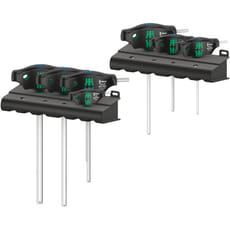
Storage and Organisation: Consider how you'll carry and store your keys. Colour-coded sets help with quick size identification on busy sites. Case or pouch storage keeps sets organised, whilst keyring-style folding sets fit easily in pockets. T-handle sets often come with wall-mountable racks for workshop storage.
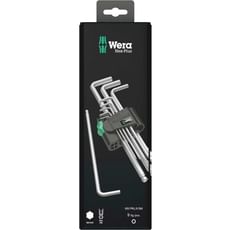
Long-Reach Requirements: Standard length keys work for most applications, but long-arm versions (often 1.5x to 2x longer) are essential for accessing recessed fasteners or providing extra leverage. Many professionals opt for sets that include both standard and long versions.
Popular Accessories
- Hex and Torx Bit Sets: Driver bits for use with power drills, impact drivers and ratchets, extending the versatility of your fastening toolkit
- Bit Holders and Adaptors: Allow hex and Torx bits to be used with various power tools and hand drivers
- Precision Screwdriver Sets: Complement hex keys for small electronics and delicate work requiring tiny Torx sizes
- Tool Storage Solutions: Drawer organisers, tool rolls, and wall-mounted holders from DeWalt TSTAK, Milwaukee PACKOUT or Makita MakPac systems
- Magnetic Parts Trays: Prevent losing small fasteners whilst working with hex and Torx screws
- Thread-Locking Compounds: Secure fasteners against vibration loosening in mechanical applications
- Penetrating Oils: Help free seized hex and Torx fasteners before attempting removal
- Torque Screwdrivers: Essential when hex or Torx fasteners require specific torque settings for proper installation
Frequently Asked Questions
What's the difference between hex keys and Torx keys?
Hex keys have a six-sided hexagonal profile, whilst Torx keys feature a six-pointed star shape. Torx provides better torque transfer, reduced cam-out (slipping), and less wear on both the tool and fastener. Torx is increasingly common in automotive, security and precision applications, whilst hex keys remain the standard for general engineering, furniture and bicycle work.
Can I use imperial hex keys on metric fasteners or vice versa?
Absolutely not. Whilst some sizes appear similar (3mm is close to 1/8", for example), using the wrong measurement system will result in poor fit, rounded fasteners and potential tool damage. Always use the correct measurement system for your fasteners. When in doubt, comprehensive sets stocked at Tooled-Up include both metric and imperial sizes clearly labelled.
What are ball-end hex keys and when should I use them?
Ball-end hex keys feature a rounded tip that allows insertion at angles up to approximately 25 degrees from straight-on. They're invaluable when working in tight spaces where you can't access fasteners directly, such as inside computer cases, bicycle frames or machinery. However, they provide slightly less torque than standard hex keys, so use standard keys for initial loosening or final tightening of stubborn fasteners.
How do I prevent rounding off hex socket screws?
Always ensure you're using the correct size key – it should fit snugly without play. Push the key firmly into the socket whilst turning to maintain full engagement. For seized fasteners, apply penetrating oil and allow it to work before attempting removal. Quality keys with precise tolerances from brands like Bahco or Draper are less likely to round fasteners than cheap, poorly-manufactured alternatives.
Do I need both standard and long-reach hex key sets?
It depends on your applications. Standard length keys handle most general tasks and fit more easily in toolboxes. Long-reach keys are essential for accessing recessed fasteners (common in automotive and machinery work) and provide additional leverage when needed. Many professional sets include both lengths, offering maximum versatility. For DIY users, standard length typically suffices unless you regularly work on vehicles or machinery.