
Hexagon Bolts

Pay in 3 interest-free payments on purchases from £20-£3000 with  . Learn more.

Loading...
End of content
Error - No more pages to load
About Hexagon Bolts
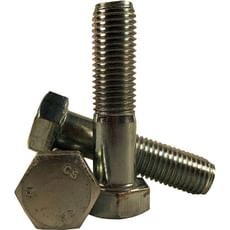
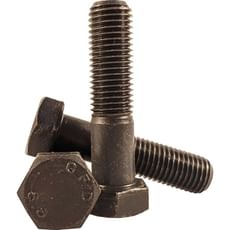
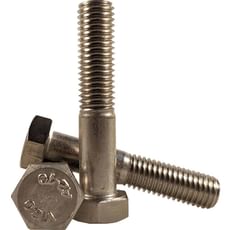
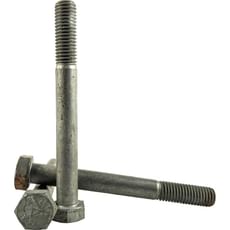
Hexagon bolts, commonly known as hex bolts or hex head bolts, represent one of the most essential fastener types in construction, engineering, and manufacturing. Distinguished by their characteristic six-sided head and external threading, these versatile fasteners are designed to be driven using spanners or socket sets, creating secure mechanical connections across countless applications. From structural steelwork and machinery assembly to automotive repair and general fabrication, hexagon bolts deliver the reliable clamping force and long-term stability that professionals depend upon. The hexagonal head design provides superior grip and torque transfer compared to alternative bolt configurations, whilst minimising the risk of tool slippage during installation and removal.
The hexagon bolt selection at Tooled-Up.com encompasses the most commonly specified grades and finishes required by UK tradespeople and engineers. Available options include A2 304 and A4 316 stainless steel grades for corrosion resistance, alongside high tensile 8.8 and 10.9 grades in galvanised, zinc plated, and standard finishes. This comprehensive range ensures that whether you're working on outdoor installations exposed to British weather, structural projects demanding high load-bearing capacity, or marine environments requiring exceptional corrosion protection, you'll find fasteners engineered to the appropriate specification. All products meet relevant British and European standards, providing the quality assurance that critical applications demand.
Hexagon bolts typically work in conjunction with matching nuts and washers to create robust mechanical joints capable of withstanding substantial loads and stresses. The external threading extends along a portion of the shank, with the smooth section immediately beneath the head providing additional shear strength and facilitating precise alignment. This design makes them particularly suitable for applications where accurate positioning, high clamping force, and resistance to loosening under vibration are essential requirements. Available in numerous thread sizes and lengths, hexagon bolts from the Sirius range offer professional-grade fastening solutions for virtually any bolted connection.
Jargon Buster
- Property Class (Grade 8.8 and 10.9)
- Numerical marking system indicating bolt strength characteristics. The first number represents tensile strength (8 or 10 multiplied by 100 MPa), whilst the second indicates the ratio of yield strength to tensile strength. Grade 10.9 bolts offer approximately 25% greater strength than 8.8 grade, making them essential for high-stress structural and safety-critical applications.
- A2 and A4 Stainless Steel
- Standardised grades of corrosion-resistant stainless steel fasteners. A2 (304 grade) provides excellent corrosion resistance suitable for most UK environments, whilst A4 (316 grade) delivers superior protection against chlorides, making it the preferred choice for marine, coastal, and chemical processing applications where aggressive corrosion is anticipated.
- Galvanised versus Zinc Plated
- Two distinct methods of applying protective zinc coatings. Hot-dip galvanising creates a thicker, more durable zinc layer offering superior long-term protection for outdoor structural applications. Zinc plating (electro-plating) provides a thinner coating suitable for indoor use or less demanding outdoor environments, typically at lower cost.
- Tensile Strength
- The maximum axial load a bolt can withstand before fracturing, measured in megapascals (MPa) or newtons per square millimetre. Higher property class bolts offer greater tensile strength, crucial for structural connections and applications where failure could compromise safety or structural integrity.
- Thread Pitch
- The distance between adjacent thread crests, specified in millimetres for metric fasteners. Standard metric coarse threads follow ISO 68-1 specifications, ensuring compatibility with corresponding nuts and tapped holes across different manufacturers. Fine pitch threads are occasionally specified for precision applications.
- Nominal Diameter
- The major diameter of the external thread, representing the bolt's basic size designation (M6, M8, M10, etc.). This measurement determines which spanners, sockets, and corresponding nuts are required for installation and matches the hole size needed in structural steel connections.
Who Uses Hexagon Bolts?
- Structural Engineers and Steel Erectors - connecting steel beams, columns, and framework in commercial and residential construction projects
- Mechanical Engineers and Maintenance Fitters - assembling and servicing machinery, production equipment, and mechanical systems in manufacturing facilities
- Automotive and Plant Technicians - repairing and maintaining vehicles, agricultural machinery, and construction plant equipment
- Fabricators and Welders - creating bespoke structural frameworks, architectural metalwork, and custom steel assemblies
- Agricultural Engineers - maintaining tractors, harvesters, and farming equipment exposed to demanding outdoor conditions
- Civil Engineers and Groundworkers - securing infrastructure components, highway barriers, street furniture, and temporary works
- Marine Engineers and Boat Builders - constructing and repairing vessels, particularly utilising A4 316 stainless steel for saltwater resistance
- Plant and Facilities Engineers - conducting planned maintenance and emergency repairs across industrial premises
- Shopfitters and Exhibition Contractors - assembling temporary and permanent display structures requiring reliable demountable connections
- DIY Enthusiasts and Home Renovators - tackling projects requiring robust, professional-quality fastening solutions
How to Choose the Right Hexagon Bolts
Material Selection and Corrosion Resistance: Consider the operating environment carefully when selecting bolt material and finish. For indoor applications or where appearance matters, zinc plated bolts provide adequate protection at economical cost. Outdoor structural applications benefit from hot-dip galvanised finishes, which deliver superior weather resistance for long-term UK exposure. Marine environments, coastal locations, chemical processing facilities, and food industry applications demand A4 316 stainless steel for maximum corrosion protection. A2 304 stainless steel offers excellent all-round corrosion resistance for most outdoor situations and architectural applications where aesthetics matter.
Property Class and Strength Requirements: Match the bolt grade to your application's mechanical demands. Grade 8.8 bolts suit the majority of general engineering, fabrication, and construction applications, providing reliable strength for everyday fastenings at reasonable cost. Specify Grade 10.9 high tensile bolts for structural steel connections, critical safety applications, automotive suspension components, or anywhere maximum clamping force and resistance to fatigue loading are required. Always consult relevant engineering calculations and comply with building regulations for structural work - never substitute lower grades where higher specifications are called for.
Thread Size and Length Calculation: Accurately measure the diameter and length required for your specific application. Account for the combined thickness of all materials being joined, plus adequate thread engagement within the nut (typically equivalent to the nominal diameter). Allow for washers if specified, and ensure sufficient thread protrudes beyond the nut face - generally 2-3 complete threads for visual verification of proper assembly. Standard metric coarse pitch threads are most common throughout UK industry, following ISO specifications for universal compatibility.
Quantity Planning and Batch Matching: Calculate the total number of bolts required for your project, adding contingency for wastage, dropped fasteners, or future maintenance requirements. Tooled-Up stocks hexagon bolts in various pack quantities, with bulk purchasing options delivering better value for larger projects whilst ensuring matched sets from the same production batch. Consistent metallurgy and coating thickness within a batch helps ensure uniform performance across multiple connections.
Installation Tools and Accessories: Verify you have compatible hexagon nuts of matching or higher grade, appropriate washers for load distribution, and correctly sized spanners or sockets for installation. Quality tools from manufacturers like Bahco, Wera, or Knipex ensure proper torque application without damaging fastener heads. For critical applications, a calibrated torque wrench is essential to achieve specified preload without over-tightening.
Popular Accessories
- Hexagon Nuts - matching property class nuts in corresponding materials, finishes, and thread specifications
- Washers - flat washers for load distribution, spring washers for locking, and penny washers for oversized holes or soft materials
- Socket Sets and Spanners - professional-quality tools from Bahco, Wera, and Knipex for efficient installation and removal
- Torque Wrenches - calibrated wrenches for achieving specified tightening torque in structural and critical applications
- Impact Drivers and Wrenches - cordless power tools from Makita, DeWalt, and Milwaukee for high-volume installation work
- Thread-Locking Compounds - anaerobic adhesives preventing loosening in applications subject to vibration or dynamic loading
- Anti-Seize Compounds - copper or ceramic-based lubricants preventing galling on stainless steel threads and facilitating future disassembly
- Thread Gauges and Callipers - precision measuring tools for specification verification and quality control
- Tool Boxes and Storage Systems - organised storage solutions from Stanley, DeWalt, and Milwaukee for fastener management on site
Safety Information
Always wear appropriate personal protective equipment when handling and installing hexagon bolts, including safety gloves to protect against sharp threads and cut edges, and safety glasses when cutting, grinding, or working overhead where falling fasteners present a hazard. Ensure you're using correctly sized tools that fit the hexagon head properly - incorrect tool size causes rounding of corners, tool slippage, and potential injury from sudden release under torque.
For structural and safety-critical applications, never substitute lower property class bolts for specified higher grades, as this fundamentally compromises structural integrity and could result in catastrophic failure. Always follow torque specifications provided by structural engineers, equipment manufacturers, or relevant British Standards - under-tightening leads to joint slippage and potential failure, whilst over-tightening may cause bolt fracture, thread stripping, or material damage. When working at height or on critical safety applications, follow HSE guidelines and consider having work inspected by a qualified engineer or competent person.
Store hexagon bolts in dry, organised conditions separated by size, grade, and material to prevent corrosion and ensure correct selection during installation. When reusing bolts from disassembled connections, carefully inspect threads for damage, deformation, necking, or corrosion - structural and safety-critical applications should always employ new fasteners. Exercise particular caution with stainless steel bolts, which are susceptible to galling (cold welding) during installation; always use appropriate anti-seize compounds, avoid cross-threading, and don't exceed recommended torque values. If a stainless steel bolt becomes difficult to turn during installation, stop immediately to prevent thread damage.
Frequently Asked Questions
What's the difference between Grade 8.8 and Grade 10.9 hexagon bolts?
Grade 10.9 bolts offer approximately 25% higher tensile and yield strength compared to Grade 8.8. Grade 8.8 bolts are suitable for most general construction, fabrication, and engineering applications, providing reliable performance at reasonable cost. Grade 10.9 high tensile bolts are specified for structural steel connections, high-stress applications, automotive components, and anywhere maximum clamping force or resistance to fatigue loading is required. Grade 10.9 fasteners cost more due to their enhanced metallurgy, so specify them only where the additional strength is genuinely necessary according to engineering calculations or manufacturer specifications.
Can I mix stainless steel bolts with mild steel components?
Yes, stainless steel bolts can be used with mild steel components, but be aware of potential galvanic corrosion when dissimilar metals are in direct contact, particularly in wet, coastal, or industrial atmospheres. Use appropriate washers to electrically separate materials where necessary, or consider protective coatings on the steel components. A2 304 stainless steel bolts generally perform satisfactorily with mild steel in typical UK conditions, whilst A4 316 grade is preferable for marine, coastal, or chemically aggressive environments. The stainless steel fasteners typically remain uncorroded whilst the mild steel may show accelerated corrosion around the connection.
How much thread should protrude through the nut after tightening?
Best practice requires 2-3 complete threads visible beyond the nut face after final tightening. This ensures full thread engagement within the nut for maximum joint strength whilst providing visual confirmation of correct assembly. Insufficient thread projection indicates the bolt may be too short or that full thread engagement hasn't been achieved. For structural steelwork and safety-critical applications, consult the relevant engineering specifications as requirements may vary based on loading conditions, joint configuration, and applicable building regulations or British Standards.
Should I always use washers with hexagon bolts?
In most applications, yes - washers provide important benefits. Flat washers distribute the clamping load over a larger bearing area, protecting the surface being fastened and providing more consistent preload across the joint. Spring washers or serrated locking washers help prevent loosening caused by vibration or thermal cycling. For structural steelwork, critical mechanical assemblies, and safety applications, washers are typically mandatory - always follow the specifications provided by your structural engineer or the relevant British Standards. Some applications with hardened surfaces and minimal vibration may not require washers, but they're generally considered good practice.
What's the advantage of galvanised over zinc plated hexagon bolts?
Hot-dip galvanising produces a substantially thicker zinc coating (typically 45-85 microns) compared to zinc plating (5-15 microns), delivering superior long-term corrosion protection. Galvanised bolts are ideal for outdoor structural applications, agricultural equipment, highway furniture, and anywhere exposed to British weather conditions for extended periods. Zinc plating provides adequate protection at lower cost for indoor applications, occasional outdoor use, or situations where the coating will be protected by paint or other finishes. For maximum service life in harsh outdoor environments, galvanised or stainless steel grades represent the most reliable choices. The thicker galvanised coating also provides better abrasion resistance during handling and installation.