

Hi Vis Jackets
Pay in 3 interest-free payments on purchases from £30-2000 with  . Learn more.
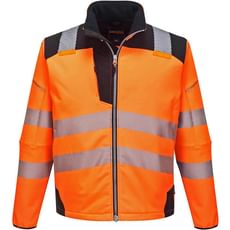
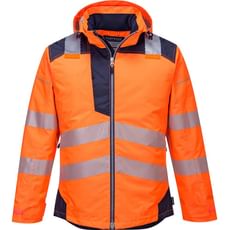
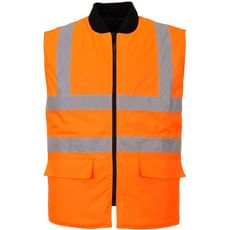
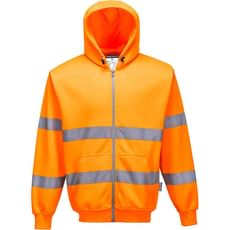
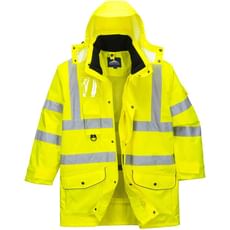
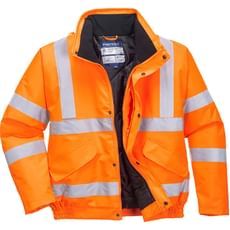
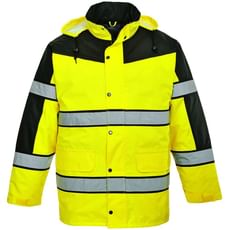
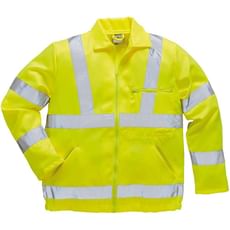
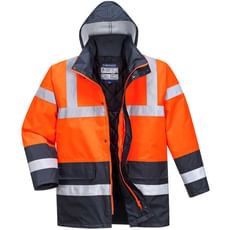
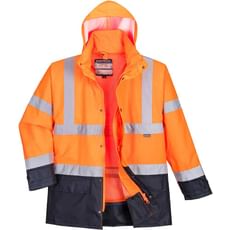
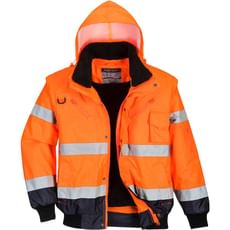
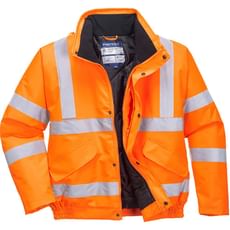
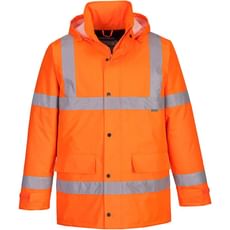
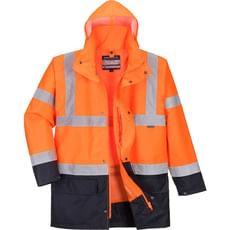
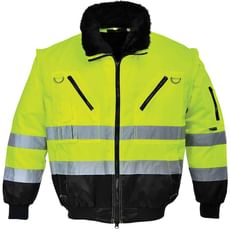
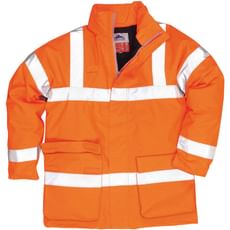
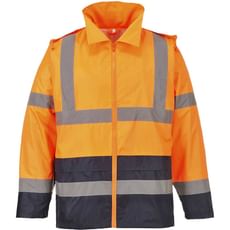
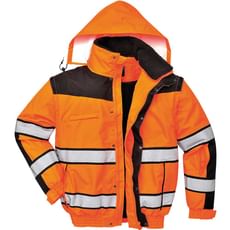
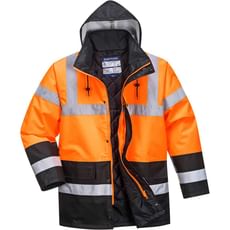
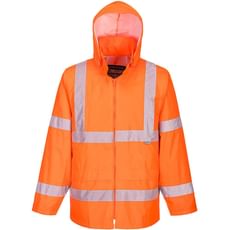
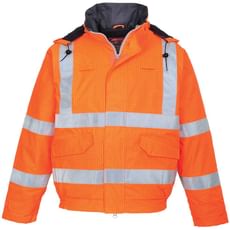
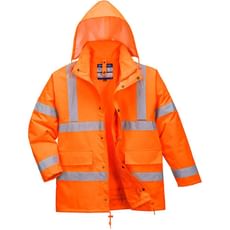
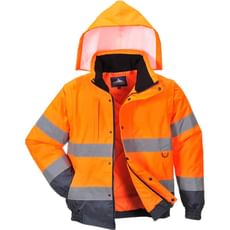
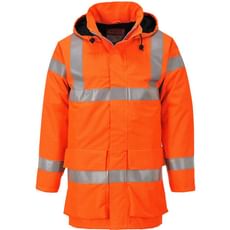
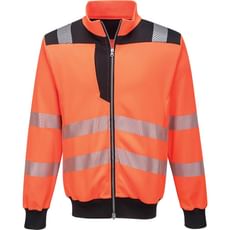
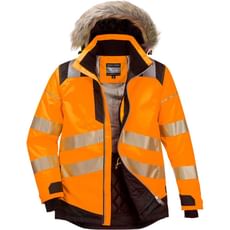
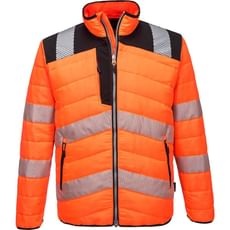
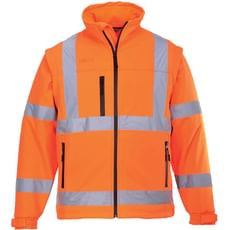
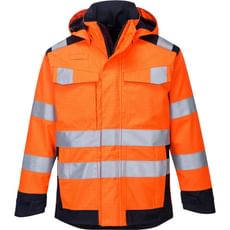
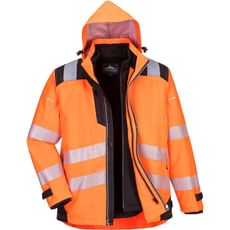
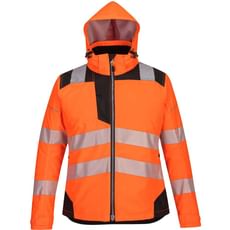
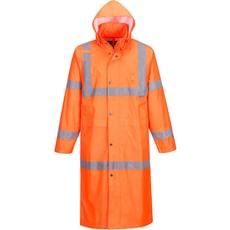
 Loading...
End of content
Error - No more pages to load
About Hi Vis Jackets
Hi vis jackets are essential personal protective equipment (PPE) designed to keep workers visible and safe in low-light conditions and hazardous environments. These fluorescent garments incorporate reflective tape and high-visibility materials that meet strict British and European safety standards, ensuring wearers can be seen clearly by vehicle operators, machinery drivers, and other site personnel. Whether you're working on roadside construction, in warehouses, at night, or in any environment where visibility is compromised, a quality hi vis jacket is often a legal requirement and always a sensible safety precaution.
The selection available from Tooled-Up.com includes everything from lightweight bomber jackets and waterproof rain jackets to specialist flame-resistant options that comply with multiple safety standards. Many hi vis jackets feature advanced technologies such as BizFlame and Modaflame flame-resistant materials, whilst others incorporate 300D Oxford weave fabrics for exceptional durability. Available in Class 1, Class 2, and Class 3 visibility ratings, these jackets cater to various risk levels and working environments, with features like contrast panelling, multiple pockets for tools and devices, and versatile 3-in-1 designs that adapt to changing weather conditions.
Leading brands such as Portwest dominate the range, offering proven reliability backed by rigorous testing and certification to EN ISO 20471 and other relevant safety standards. From basic hi vis bomber jackets for general site work to sophisticated multi-protection garments that resist flames, arcs, chemicals, and static, tradespeople and safety professionals can find exactly the right protection for their specific workplace requirements.
Jargon Buster
- Class 1, 2, and 3 (EN ISO 20471) – The visibility classification system for hi vis clothing. Class 1 offers the lowest level of conspicuity for low-risk environments, Class 2 provides medium visibility for road workers and general construction, whilst Class 3 delivers the highest visibility required for high-speed roads, motorways, and the most hazardous environments.
- Retroreflective Tape – Specialised reflective material applied in strips or patterns on hi vis garments that bounces light directly back to its source, making wearers visible to vehicle headlights and machinery operators at considerable distances, even in complete darkness.
- Flame Resistant (FR) – Fabrics treated or manufactured to resist ignition and self-extinguish when exposed to flames. FR hi vis jackets like BizFlame and Modaflame ranges protect workers in environments with fire, arc flash, or heat exposure risks, meeting standards such as EN ISO 11612.
- Multi-Norm Protection – Garments engineered to meet multiple safety standards simultaneously, such as flame resistance, anti-static properties, chemical protection, and arc flash protection. These specialist jackets provide comprehensive protection for workers facing multiple hazards.
- 300D Oxford Weave – A durable basket-weave fabric construction (measured in denier, such as 150D or 300D) commonly used in hard-wearing hi vis jackets. The higher the denier number, the thicker and more robust the fabric, making it ideal for demanding construction and industrial environments.
- Contrast Panelling – Darker fabric sections incorporated into hi vis jackets, typically navy or black, that help conceal dirt and staining whilst maintaining overall visibility through strategic placement that doesn't compromise safety certification.
Who Uses Hi Vis Jackets?
Hi vis jackets are worn across numerous trades and industries where visibility and safety are paramount:
- Construction workers – site labourers, groundworkers, and general builders working on active construction sites
- Highway maintenance crews – road workers, traffic management personnel, and local authority maintenance teams
- Warehouse operatives – forklift drivers, loading bay staff, and logistics personnel in busy distribution centres
- Delivery drivers – couriers and haulage workers loading and unloading in various locations
- Railway workers – trackside maintenance staff and engineering teams working near live railways
- Emergency services – paramedics, firefighters (with flame-resistant options), and rescue personnel
- Refuse collection teams – waste management operatives working alongside moving vehicles
- Airport ground crew – baggage handlers, marshalling staff, and maintenance workers on active aprons
- Security personnel – site security and event marshals requiring visibility during night shifts
- Utilities workers – electricians, gas engineers, and telecommunications engineers working roadside or in industrial settings
- Surveyors and engineers – professionals conducting site visits and inspections in active work zones
How to Choose the Right Hi Vis Jackets
Determine the Required Visibility Class: Assess your working environment's risk level. Class 3 is mandatory for high-speed roads and motorways, Class 2 suits general construction and roadside work, whilst Class 1 may suffice for warehouses and low-risk areas. Always consult your employer's risk assessment or HSE guidance if uncertain.
Consider Weather Protection Needs: Evaluate whether you need waterproof rain jackets with sealed seams for outdoor work, insulated bomber jackets for cold weather, or lightweight breathable options for warmer conditions. Many 3-in-1 designs offer removable fleece linings for year-round versatility.
Assess Specialist Protection Requirements: If you work with flames, welding, electrical equipment, or chemicals, select appropriate multi-protection garments. BizFlame and Modaflame ranges offer certified flame resistance, anti-static properties, and arc flash protection that standard hi vis jackets cannot provide.
Evaluate Durability and Fabric Quality: Higher denier Oxford weave fabrics (such as 300D) offer superior tear and abrasion resistance for demanding trades like construction and demolition. Consider whether contrast panelling will help maintain a professional appearance between washes.
Check Practical Features: Multiple pockets with secure closures, radio loops, document pockets, and adjustable cuffs all enhance functionality. Ensure adequate sleeve length and body fit for layering over work clothing without restricting movement during physical tasks.
Verify Standards Compliance: Confirm jackets display appropriate EN ISO 20471 certification and any additional standards relevant to your industry (EN ISO 11612 for flame resistance, EN 1149-5 for anti-static). Branded options from Portwest typically include clear certification labelling and documentation.
Popular Accessories
- Hi vis trousers and overtrousers – coordinating lower body protection to achieve full Class 3 visibility
- Hi vis vests and waistcoats – lightweight layering options for varying conditions
- Hard hats with reflective strips – head protection that complements hi vis clothing
- Hi vis gloves – maintaining visibility during detailed manual tasks
- Work boots with reflective details – completing head-to-toe visibility
- Hi vis neck warmers and balaclavas – cold weather accessories that maintain safety standards
- LED clip-on lights – additional illumination for extremely low-light environments
- Garment storage bags – protecting reflective properties during transport and storage
- Specialist washing detergents – maintaining fluorescent and reflective properties through repeated washing
Safety Information
Hi vis jackets must be properly maintained to retain their protective properties and safety certification. Regularly inspect reflective tape for damage, cracking, or delamination, as compromised retroreflective material significantly reduces visibility. Wash garments according to manufacturer instructions using appropriate detergents – harsh chemicals and excessive temperatures can degrade fluorescent dyes and reflective elements.
Replace hi vis jackets when fluorescent colours fade noticeably, reflective tape becomes damaged, or fabric integrity is compromised through tears or excessive wear. Most manufacturers recommend replacement after 50 wash cycles or when visible deterioration occurs, whichever comes first. Garments that no longer meet EN ISO 20471 standards should be removed from service immediately.
Never modify hi vis jackets by removing or covering reflective tape, as this invalidates certification and compromises safety. Ensure jackets are worn correctly with all fastenings secured and are visible over other clothing layers. Employers have legal obligations under the Health and Safety at Work Act 1974 and the Personal Protective Equipment at Work Regulations 1992 to provide suitable hi vis clothing where risk assessments identify visibility hazards.
Flame-resistant hi vis jackets require additional care – avoid fabric softeners which can reduce FR properties, and never use garments damaged by flames or excessive heat exposure. Always follow HSE guidance and industry-specific regulations regarding PPE requirements for your particular working environment.
Frequently Asked Questions
What's the difference between Class 2 and Class 3 hi vis jackets?
Class 3 jackets provide the highest level of visibility with greater amounts of fluorescent background material and reflective tape, including sleeve coverage. They're legally required for workers on high-speed roads, motorways, and the most hazardous environments. Class 2 offers medium visibility suitable for general construction, roadside work, and moderate traffic areas. Class 3 typically features 360-degree visibility with reflective bands encircling the torso and sleeves, whilst Class 2 may have less comprehensive coverage.
Can I wear a hi vis jacket over other clothing and still meet safety standards?
Yes, provided the hi vis jacket is designed to be worn as an outer layer and all reflective elements remain visible and unobstructed. Ensure the jacket is large enough to fit comfortably over work clothing without restricting movement or covering reflective tape. Some workers achieve Class 3 compliance by combining Class 2 jackets with Class 2 hi vis trousers – check specific requirements with your supervisor or safety officer.
How often should hi vis jackets be replaced?
Replace hi vis jackets when fluorescent colours fade significantly, reflective tape becomes damaged or ineffective, or after approximately 50 wash cycles as recommended by most manufacturers. Conduct regular visual inspections under various lighting conditions – if visibility appears compromised or garments show signs of excessive wear, they should be withdrawn from service immediately. Flame-resistant jackets exposed to flames or excessive heat must be replaced regardless of wash count.
Do I need a flame-resistant hi vis jacket for electrical work?
If you work with live electrical equipment, perform arc flash risk activities, or work in environments where flames or intense heat are present, then yes – standard hi vis jackets offer no protection against electrical hazards. BizFlame and Modaflame ranges available at Tooled-Up.com provide certified protection against arc flash, flames, and heat whilst maintaining high visibility. Consult your employer's risk assessment and relevant electrical safety regulations to determine appropriate PPE requirements for your specific tasks.
Are waterproof hi vis jackets also breathable?
Many modern waterproof hi vis jackets incorporate breathable fabrics and ventilation features to reduce condensation and improve comfort during physical work. However, there's typically a trade-off between complete waterproofing and breathability. Look for jackets with mesh linings, underarm vents, and back vents if you need weather protection during active work. Three-in-one designs with removable linings offer excellent versatility, allowing you to adjust insulation levels whilst maintaining waterproof protection.