

Hi Vis Overalls
Pay in 3 interest-free payments on purchases from £30-2000 with  . Learn more.
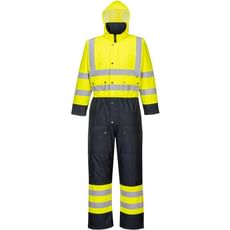
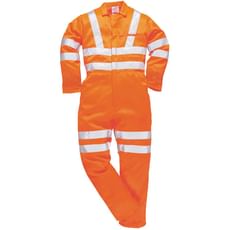
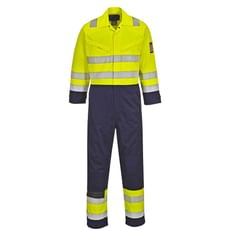
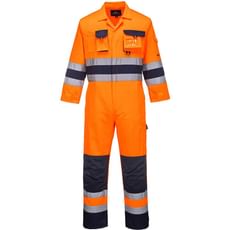
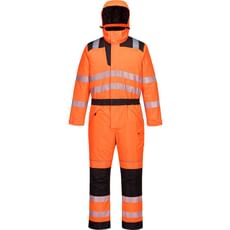
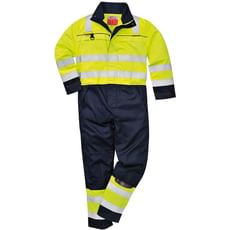
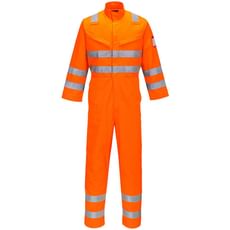
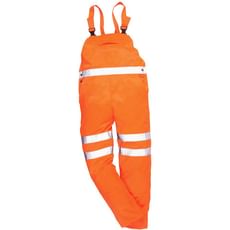
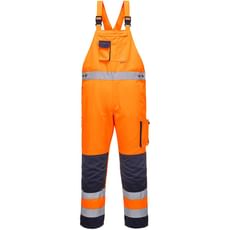
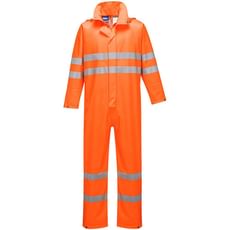
 Loading...
End of content
Error - No more pages to load
About Hi Vis Overalls
Hi vis overalls represent essential personal protective equipment for anyone working in environments where visibility is critical to safety. These full-body garments combine high-visibility fluorescent fabrics with strategically placed reflective tape to ensure workers remain conspicuous in low-light conditions, near moving traffic, or on busy construction sites. Available in various configurations including full coveralls, bib and braces, and boiler suits, these protective garments meet stringent UK safety standards whilst delivering the comfort and durability demanded by professional tradespeople. The selection at Tooled-Up.com encompasses everything from standard Class 2 construction coveralls to specialist Class 3 railway-compliant garments and multi-norm flame-resistant options.
Modern hi vis overalls extend far beyond basic visibility requirements. Many designs incorporate flame-resistant properties, waterproof protection, or multi-norm capabilities to safeguard workers against multiple hazards simultaneously. Leading brands such as Portwest offer comprehensive ranges that cater to specific industry requirements, from lightweight polycotton overalls for summer site work to insulated winter coveralls with 300D Oxford weave construction for extreme durability. The integration of contrasting panels, multiple pockets, and reinforced stress points ensures these garments deliver practical functionality alongside compliance with EN ISO 20471 standards, which govern high-visibility clothing across the UK and Europe.
Whether you require standard hi vis protection for warehouse work, RIS-3279-TOM certified railway overalls, or specialist flame-resistant coveralls for welding and hot works, the variety of protective clothing available ensures every tradesperson can find appropriate safety wear. From budget-conscious options to premium multi-norm models like the Bizflame and Araflame ranges, hi vis overalls represent a crucial investment in workplace safety that satisfies both HSE requirements and employer duty of care obligations.
Jargon Buster
- Class 2 and Class 3 Hi Vis
- Classification levels defined by EN ISO 20471 that determine visibility performance. Class 2 garments feature a minimum of 0.50m² of fluorescent material and 0.13m² of reflective tape, suitable for most construction sites, warehouses, and general site work. Class 3 provides maximum visibility with at least 0.80m² of fluorescent fabric and 0.20m² of reflective material, mandatory for high-risk environments including motorways, railways, and anywhere near high-speed traffic.
- RIS-3279-TOM
- The Railway Industry Standard for high-visibility clothing worn by railway workers. RIS certification ensures garments meet Network Rail's specific requirements for visibility, colour fastness, and reflective tape placement when working on or near railway lines. This certification is legally required for track maintenance and lineside work.
- Multi-Norm Protection
- Overalls engineered to protect against multiple hazards simultaneously, such as flame resistance, arc flash, chemical splash, and static dissipation. These specialist garments comply with various EN standards and are essential for petrochemical, utilities, and offshore industries where workers face diverse hazards.
- 300D Oxford Weave
- A robust fabric construction measured in denier (D), where 300D indicates the weight and thickness of the yarn. Oxford weave creates a strong, hardwearing material that resists tearing and abrasion whilst maintaining breathability, ideal for demanding construction and industrial environments.
- Flame Resistant (FR)
- Fabrics treated or manufactured to self-extinguish when exposed to flames, preventing continued burning and reducing injury severity. FR overalls are mandatory in welding, electrical work, and industries where flash fire or arc flash hazards exist, with inherent protection that doesn't diminish through washing.
- Sealtex Technology
- Specialist waterproof coating or construction that provides prolonged protection against rain and wet conditions whilst maintaining breathability. Sealtex hi vis coveralls allow outdoor workers to remain dry and visible during extended exposure to adverse weather.
Who Uses Hi Vis Overalls?
Hi vis overalls are worn across numerous industries and trades where visibility and full-body protection are paramount:
- Construction Workers – Site labourers, groundworkers, and general builders working on building sites and civil engineering projects
- Highway Maintenance Teams – Road workers, traffic management personnel, and council maintenance crews operating near moving vehicles
- Railway Workers – Track maintenance staff, signalling engineers, and platform personnel requiring RIS-compliant garments
- Warehouse and Logistics Staff – Forklift operators, loading bay workers, and distribution centre employees
- Utilities Engineers – Electricians, gas engineers, and telecoms workers attending roadside installations
- Agricultural Workers – Farmers and estate maintenance staff operating machinery in low-light conditions
- Emergency Services – Recovery vehicle operators, traffic officers, and incident response teams
- Waste Management – Refuse collectors and recycling centre operatives working near traffic
- Airport Ground Crew – Baggage handlers, marshalling staff, and runway maintenance personnel
- Welders and Fabricators – Metalworkers requiring combined hi vis and flame-resistant protection for hot works
How to Choose the Right Hi Vis Overalls
Visibility Classification: Determine the required EN ISO 20471 class based on your work environment and risk assessment. Class 2 suffices for most construction sites, warehouses, and general site work where traffic speeds are controlled. Class 3 is mandatory for motorway work, railway environments, and any situation involving high-speed traffic or particularly hazardous conditions. Consider also whether RIS-3279-TOM certification is necessary for railway-related work.
Additional Hazard Protection: Assess whether standard hi vis coverage is sufficient or if multi-norm protection is required. Flame-resistant overalls from the Araflame, Bizflame, or Modaflame ranges are essential for welding, hot works, electrical installations, and petrochemical environments. Waterproof models like the Sealtex range protect against prolonged exposure to rain, whilst insulated winter coveralls provide thermal protection for outdoor maintenance during cold months.
Fabric and Durability: Polycotton blends offer excellent comfort and breathability for general construction use, whilst 300D Oxford weave fabrics provide superior abrasion resistance for heavy-duty applications. Consider wash durability – industrial-grade garments available from Tooled-Up should maintain their reflective properties through multiple laundry cycles according to EN ISO 20471 standards, with some flame-resistant models offering inherent protection that won't diminish with washing.
Style and Fit: Choose between full coveralls for complete protection, bib and braces for better temperature regulation and easier toilet access, or boiler suits for ease of donning and removal. Ensure adequate sizing to accommodate layers underneath during winter months. Look for features like elasticated waists, adjustable shoulder straps, and articulated knees for improved comfort during prolonged wear and physical work.
Practical Features: Multiple pockets including rule pockets, tool loops, and knee pad pockets enhance functionality for tradespeople. Contrast panelling improves dirt resistance on high-wear areas whilst maintaining visibility. Two-way brass zips allow easier toilet access, whilst chest pockets with pen divisions keep essentials organised. Side access pockets let you reach clothing underneath without removing the overall.
Brand Reputation: Portwest offers excellent value across their hi vis range, with comprehensive sizing options and proven durability for professional use. The Oxford Weave collection delivers enhanced abrasion resistance, whilst specialist Araflame, Bizflame, and Modaflame ranges provide certified multi-norm protection for high-risk industries.
Popular Accessories
- Hi Vis Jackets and Vests – Layering options for varying weather conditions and seasonal temperature changes
- Safety Boots and Footwear – Steel or composite toe-capped boots to complete full PPE compliance on site
- Hard Hats and Bump Caps – Head protection for construction and industrial environments
- Work Gloves – Cut-resistant, thermal, or general-purpose gloves matched to task requirements
- Knee Pads and Inserts – Additional joint protection for groundworkers, fitters, and floor layers
- Hi Vis Accessories – Reflective armbands, belts, and helmet stickers for enhanced visibility
- Tool Belts and Pouches – Carrying solutions compatible with overall designs without compromising visibility
- Safety Glasses and Goggles – Eye protection for workshop and site environments
- Hearing Protection – Ear defenders or plugs for noisy industrial settings
- Work Socks and Base Layers – Comfort essentials for all-day wear in demanding conditions
Safety Information
Hi vis overalls must comply with EN ISO 20471:2013, the European standard for high-visibility warning clothing. This standard specifies minimum areas of fluorescent background material and retro-reflective tape required for each classification level. Employers have a legal obligation under the Personal Protective Equipment at Work Regulations 1992 to provide appropriate hi vis clothing where risk assessments identify visibility hazards.
The Health and Safety Executive (HSE) mandates that hi vis garments be properly maintained to remain effective. Regular washing according to manufacturer instructions is essential, but avoid bleach or fabric softeners that may degrade reflective properties and fluorescent dyes. Inspect overalls regularly for damage, fading, or contamination – garments with compromised visibility must be replaced immediately. Reflective tape should remain bright and intact; peeling or cracked tape significantly reduces conspicuity, particularly in vehicle headlight illumination.
For flame-resistant hi vis overalls, never modify or repair garments with non-compliant materials, as this compromises their protective properties. FR clothing must fit properly without excessive material that could catch fire or snag on equipment. Keep flame-resistant overalls separate from standard workwear during laundering to prevent contamination from oils, solvents, or flammable substances. Check care labels for maximum washing temperatures and drying instructions to maintain protective treatment effectiveness.
Railway workers must wear only RIS-3279-TOM certified garments when working on or near the line. This certification requires specific patterns of reflective tape and fluorescent panels designed for recognition by train drivers. Similarly, workers on UK motorways and trunk roads should ensure their overalls meet Highways England requirements for traffic management personnel. Some roles may require photographic identification to be visible on the garment.
Frequently Asked Questions
What's the difference between Class 2 and Class 3 hi vis overalls?
Class 2 overalls provide adequate visibility for general construction sites, warehouses, and low-traffic areas, featuring minimum background material of 0.50m² and reflective tape of 0.13m². Class 3 offers maximum visibility with at least 0.80m² of fluorescent fabric and 0.20m² of reflective material, required for high-risk environments including motorways, railways, and anywhere near high-speed traffic. Class 3 garments typically feature reflective bands on the arms and legs for 360-degree visibility, whereas Class 2 may only have body and shoulder tape. The classification you need depends on your specific work environment and risk assessment.
How should I care for my hi vis overalls to maintain their effectiveness?
Wash hi vis overalls according to the manufacturer's instructions, typically at 40-60°C, and avoid bleach or fabric softeners which can damage fluorescent dyes and reflective tape. Turn garments inside out before washing to protect reflective elements. Air dry or tumble dry on low heat settings. Inspect regularly for fading, damage, or contamination – fluorescent fabric should remain vibrant, and reflective tape must stay firmly attached and reflective. Replace overalls when visibility is compromised, usually after 25-50 industrial washes or sooner if damaged or faded.
Are hi vis overalls required by law on UK construction sites?
Whilst there's no blanket legal requirement for hi vis clothing on all construction sites, the Health and Safety at Work Act 1974 and PPE at Work Regulations 1992 require employers to provide appropriate protective equipment based on risk assessments. Most construction sites mandate hi vis clothing as standard practice, and specific environments like roadworks near traffic, railway property, or airport aprons have explicit legal requirements for certified high-visibility garments. Your employer's site-specific safety policy will detail exact requirements for your workplace.
Can I wear flame-resistant hi vis overalls for regular construction work?
Yes, flame-resistant (FR) hi vis overalls can be worn for general construction work and provide additional protection beyond standard overalls. However, they're typically more expensive and may be warmer due to their protective fabrics. FR overalls are essential when welding, cutting, grinding, or working with electrical equipment, petrochemicals, or in environments with flash fire risks. If your work involves any hot works or electrical hazards, FR-rated garments are strongly recommended and may be required by your employer's safety policy or insurance requirements.
What's the benefit of bib and braces compared to full coveralls?
Bib and braces offer better temperature regulation by leaving your arms free and allowing easier ventilation compared to full coveralls. They provide quicker and easier toilet access without needing to remove the entire garment, which is particularly convenient during long shifts. The adjustable shoulder straps accommodate different body shapes and allow wearing over varying layers of clothing. However, full coveralls provide more comprehensive protection against dirt, sparks, and chemical splashes, making them preferable for messy work or environments requiring complete coverage. Your choice depends on the specific hazards and comfort requirements of your role.