
Hi Vis Shorts

Pay in 3 interest-free payments on purchases from £20-£3000 with  . Learn more.
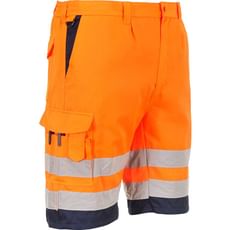
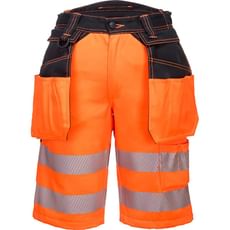
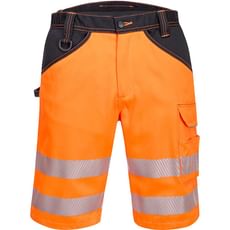
Loading...
End of content
Error - No more pages to load
About Hi Vis Shorts
Hi vis shorts are essential warm-weather workwear for professionals who need to maintain visibility and safety standards whilst working in hot conditions. Combining the protective qualities of high visibility clothing with the comfort and breathability of shorts, these garments allow tradespeople to work comfortably on site during summer months without compromising on safety regulations. Manufactured to meet UK and European safety standards, hi vis shorts feature fluorescent fabrics and strategically positioned reflective tape to ensure wearers remain visible in all lighting conditions.
Modern hi vis shorts have evolved significantly from basic safety wear to become practical, comfortable workwear designed with the needs of active tradespeople in mind. Many models now incorporate features such as reinforced holster pockets for tools, multiple storage compartments, and durable poly-cotton blends that resist wear whilst remaining breathable. The selection available from Tooled-Up.com includes designs with advanced functionality like hammer loops, rule pockets, and mobile phone compartments, making them ideal for trades requiring regular access to hand tools and equipment.
Whether you're working on construction sites, roadside maintenance, warehousing, or outdoor events management, hi vis shorts provide the perfect balance between safety compliance and working comfort during summer months or in hot working environments. Popular brands like Portwest offer both standard Class 1 visibility shorts for general site work and advanced designs such as the PW3 range that combine modern styling with enhanced functionality and Texpel stain-resistant finishes for extended durability.
Jargon Buster
- Class 1 Hi Vis: The basic level of high visibility clothing suitable for environments where traffic doesn't exceed 30mph and workers are clearly separated from vehicles. Requires minimum amounts of fluorescent background material and reflective tape as specified by EN ISO 20471 standards.
- EN ISO 20471: The European standard that specifies requirements for high visibility warning clothing, covering aspects such as minimum areas of fluorescent material, reflective tape placement, and colour specifications to ensure garments provide adequate visibility.
- Reflective Tape/Banding: Strips of retro-reflective material sewn onto hi vis garments that reflect light back to its source, making the wearer visible in low light conditions or when vehicle headlights shine on them.
- Holster Pockets: Specially designed pockets that sit outside the main body of shorts, providing easy access to tools and reducing bulk around the waist. Often detachable or foldable when not in use, these are particularly popular with carpenters and electricians.
- Poly-Cotton Blend: A fabric combining polyester and cotton fibres, offering the durability and colour-retention of polyester with the breathability and comfort of cotton – ideal for workwear that needs to withstand tough conditions whilst keeping the wearer cool.
- Texpel Finish: A stain-resistant treatment applied to workwear fabrics that helps repel dirt, oil, and water-based stains, extending the life of the garment and maintaining its professional appearance on site.
Who Uses Hi Vis Shorts?
Hi vis shorts are worn by a wide range of professionals who work outdoors or in environments requiring enhanced visibility, particularly during warmer months:
- Construction workers and site labourers working on building sites during summer
- Highway maintenance crews and road workers operating near traffic
- Landscapers and groundskeepers maintaining outdoor spaces
- Warehouse staff and logistics workers in hot storage facilities
- Event staff and security personnel managing outdoor events and festivals
- Railway maintenance workers performing trackside duties
- Delivery drivers and couriers making collections and deliveries
- Utility workers maintaining electrical, gas, and water infrastructure
- Refuse collection operatives working on waste management
- Airport ground crew and baggage handlers working on the tarmac
- Traffic management personnel directing vehicles and pedestrians
- Facilities maintenance staff working in warm industrial environments
How to Choose the Right Hi Vis Shorts
Selecting the appropriate hi vis shorts depends on several key factors that affect both safety compliance and working comfort:
Safety Classification: Determine the visibility class required for your working environment. Class 1 hi vis shorts are suitable for most general site work and environments with good visibility and slower-moving traffic. Check your workplace risk assessment or speak with your site supervisor to ensure you meet the minimum requirements specified by HSE guidelines for your particular role. Some high-risk environments may require you to pair Class 1 shorts with Class 2 or 3 upper body garments to achieve the necessary overall classification.
Material and Durability: Poly-cotton blends offer the best balance of durability, breathability, and comfort for most tradespeople. Pure cotton provides maximum breathability but may wear faster, whilst higher polyester content improves durability and colour retention but can be less comfortable in very hot conditions. Look for additional treatments like Texpel stain resistance for extended garment life and easier maintenance.
Pocket Configuration: Assess your tool and equipment carrying needs. Basic shorts with standard pockets suit those who use toolbelts or keep tools elsewhere, whilst shorts with holster pockets are ideal for carpenters, electricians, and other trades who need regular access to hand tools, tape measures, and small equipment. The range at Tooled-Up.com includes models with up to seven pockets, double rule pockets, and dedicated mobile phone compartments for comprehensive storage solutions.
Fit and Comfort: Hi vis shorts should allow full range of movement without being too loose or restrictive. Consider whether you prefer a regular fit or a more modern, tailored cut like those in the Portwest PW3 range. Half-elasticated waistbands provide flexibility and comfort during active work, whilst adjustable features ensure a secure fit throughout the working day.
Length and Style: Most work shorts sit just above the knee, providing good coverage whilst maintaining coolness. Modern knee-length styles offer better protection when kneeling and increased sun protection for exposed skin. Consider contrasting trims and contemporary styling if you want a more professional appearance on site or when meeting clients.
Additional Features: Consider practical extras such as reinforced hems, hammer loops, D-rings for keys or ID cards, smartphone pockets with secure fastenings, and thigh pockets for frequently accessed items. These features add functionality without significantly increasing cost and can improve your working efficiency.
Popular Accessories
- Hi Vis T-Shirts and Polo Shirts: Complete your summer safety outfit with matching high visibility upper body garments from brands like Portwest and Scruffs
- Work Belts and Toolbelts: Essential for carrying additional tools if your shorts don't feature holster pockets
- Safety Boots and Trainers: Lightweight, breathable safety footwear suitable for warm weather work
- Sun Cream and UV Protection: Important for protecting exposed skin during outdoor summer work
- Safety Glasses and Sunglasses: Eye protection with UV filtering for bright conditions
- Hi Vis Caps and Bump Caps: Head protection and sun shading in high visibility colours
- Knee Pads: External knee protection if your work involves frequent kneeling on hard surfaces
- Work Socks: Moisture-wicking socks that keep feet comfortable in warm conditions
- Water Bottles and Hydration Packs: Essential for staying hydrated when working in hot weather
- Hi Vis Vests and Jackets: For layering when temperatures drop or when higher visibility classification is required
Safety Information
When wearing hi vis shorts for work purposes, it's essential to understand the safety standards and regulations that apply. All high visibility workwear sold in the UK must comply with EN ISO 20471 standards, which specify minimum requirements for fluorescent material coverage and reflective tape placement. Hi vis shorts typically achieve Class 1 certification due to their reduced surface area compared to full-length trousers, meaning they're suitable for environments where workers are clearly separated from traffic or where vehicle speeds don't exceed 30mph.
The Health and Safety Executive (HSE) recommends that employers conduct thorough risk assessments to determine the appropriate level of high visibility clothing required for specific work environments. Some high-risk environments, such as motorway maintenance or night-time roadworks, may require Class 2 or Class 3 garments, which cannot be achieved with shorts alone. In these cases, hi vis shorts must be paired with Class 2 or 3 upper body garments to meet the required overall classification for the working environment.
Remember that high visibility clothing must be properly maintained to remain effective. Wash hi vis shorts according to manufacturer instructions to preserve the fluorescent properties of the fabric and the effectiveness of reflective tape. Most poly-cotton hi vis shorts can be washed at 40-60°C, but always check the garment label. Avoid fabric softeners and bleach as these can damage fluorescent dyes and reflective materials. Replace garments when they become faded, damaged, or when reflective elements lose their effectiveness, as worn-out hi vis clothing may not meet safety standards and could compromise your visibility on site.
When working in hot conditions, it's crucial to balance the need for visibility with sun protection and heat management. Whilst hi vis shorts keep you cool, they also expose more skin to harmful UV radiation. Apply appropriate sun cream to exposed areas, particularly the legs, arms, and neck, and take regular breaks in shaded areas to prevent heat exhaustion and sunburn. Stay properly hydrated throughout the working day, particularly during peak summer months when temperatures are highest.
Frequently Asked Questions
Can I wear hi vis shorts on all construction sites?
This depends on the specific site requirements and risk assessment. Most standard construction sites permit Class 1 hi vis shorts during warm weather, but some high-risk environments or sites near fast-moving traffic may require full-length trousers or higher visibility classifications. Always check with your site supervisor or refer to your workplace safety policy before wearing shorts on site, as requirements can vary significantly between different contractors and working environments.
How do I maintain the visibility of my hi vis shorts?
Wash your hi vis shorts inside-out using the temperature and detergent specified by the manufacturer, typically at 40-60°C. Avoid fabric softeners and bleach as these can damage fluorescent dyes and reflective materials. Line dry when possible rather than tumble drying at high temperatures, and inspect regularly for fading or damage to reflective tape. Replace shorts when they no longer meet visibility standards or when the fluorescent colour has noticeably faded.
What's the difference between standard hi vis shorts and the PW3 range?
The Portwest PW3 range represents a more advanced design with modern styling, enhanced functionality, and improved durability features. PW3 shorts typically include Texpel stain-resistant finishes, more ergonomic pocket configurations, contemporary contrasting trims, and improved fit through features like elasticated waistbands. Whilst both meet EN ISO 20471 Class 1 standards, PW3 garments offer superior comfort and professional appearance alongside enhanced practical features for demanding site work.
Are holster pockets worth having on hi vis shorts?
Holster pockets are extremely valuable for tradespeople who regularly use hand tools such as carpenters, electricians, plumbers, and general maintenance workers. They provide quick access to frequently used items like tape measures, pencils, utility knives, and screwdrivers without the need for a separate toolbelt. However, if you already use a comprehensive toolbelt system or work in a role where you don't carry hand tools, standard pocket configurations may be more appropriate and can be more comfortable for extended wear.
Can I wear hi vis shorts in winter or cooler weather?
Hi vis shorts are designed primarily for warm weather and summer working conditions. During cooler months, most tradespeople switch to hi vis trousers or hi vis cargo trousers that provide better insulation and weather protection. However, some workers in consistently warm indoor environments, such as warehouses, factories, or facilities with high ambient temperatures, may wear hi vis shorts year-round depending on workplace temperature and company policy. Always prioritise comfort and safety when deciding appropriate workwear for the conditions.