
High Performance Anchors

Pay in 3 interest-free payments on purchases from £20-£3000 with  . Learn more.
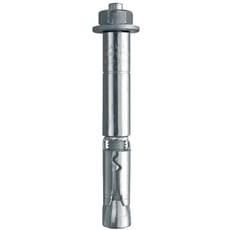
Rawl R-SPL-II Safetyplus Bolt Projecting High Performance Expansion Anchor
in stock
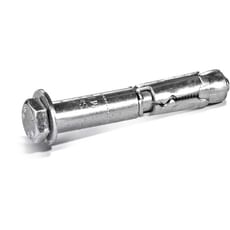
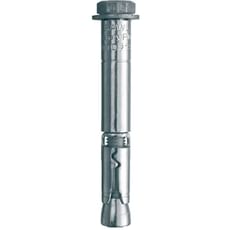
Rawl R-SPL-II Safetyplus 2 Loose Bolt High Performance Expansion Anchor
available
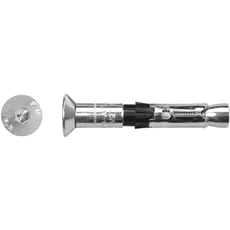
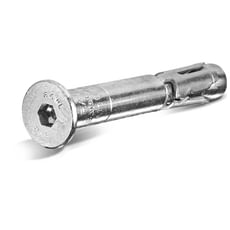
Rawl R-SPL-II Safetyplus 2 Countersunk High Performance Expansion Anchor
available
Loading...
End of content
Error - No more pages to load
About High Performance Anchors
High performance anchors represent the premium tier of mechanical fixing solutions, engineered to deliver exceptional holding power in demanding structural and safety-critical applications. Unlike standard fixings, these specialist anchors undergo rigorous testing and certification to provide verified load capacities in both cracked and non-cracked concrete, making them essential for applications where failure simply isn't an option. From securing heavy machinery and structural steelwork to installing safety-critical equipment on construction sites and infrastructure projects, high performance anchors provide the robust, dependable fixing solutions that professional tradespeople and structural engineers demand.
The high performance anchors available from Tooled-Up.com feature the renowned Rawlplug Safetyplus range, including the R-SPL, R-SPL-C, and advanced R-SPL-II variants. These premium expansion sleeve anchors are available with multiple head configurations – hex head bolts for visible installations, countersunk screws for flush-mounted applications, loose bolt options for adjustable connections, and projecting bolt designs for securing brackets and steelwork. This versatility ensures there's a suitable solution for virtually any structural fixing requirement across construction, civil engineering, and industrial maintenance sectors.
What truly distinguishes high performance anchors is their comprehensive technical documentation and European Technical Approval (ETA) certification. These fixings are manufactured to exacting standards with proven performance data for cracked concrete applications, making them suitable for seismic zones and high-stress environments where standard anchors would be inadequate. The expansion sleeve mechanism distributes loads effectively throughout the base material, creating secure connections capable of withstanding substantial tensile and shear forces, whilst maintaining performance even when structural movement or vibration occurs.
Jargon Buster
- Expansion Sleeve Anchor: A mechanical fixing device that expands against the sides of a pre-drilled hole when tightened, creating a secure connection through friction and mechanical interlock with the concrete or masonry substrate.
- ETA (European Technical Approval): Official independent certification confirming that a fixing product has undergone rigorous testing and meets specific performance criteria for structural applications, essential for Building Control approval and demonstrating compliance with UK Building Regulations.
- Cracked Concrete Performance: The ability of an anchor to maintain its certified holding power even when installed in concrete that develops cracks due to structural movement, thermal expansion, seismic activity, or shrinkage – a critical safety feature for dynamic environments.
- Embedment Depth: The minimum distance the anchor must penetrate into the base material to achieve its rated load capacity, critical for ensuring proper performance and safety in structural applications.
- Edge Distance: The minimum permitted spacing between an anchor and the edge of the concrete element, essential for preventing blow-out failures and maintaining the anchor's full holding power under load.
- Tensile and Shear Loads: Tensile loads are pull-out forces acting perpendicular to the surface, whilst shear loads are sideways forces acting parallel to the surface – high performance anchors must be rated for both load types in your specific application.
Who Uses High Performance Anchors?
High performance anchors are essential equipment for professionals working on structural and safety-critical installations:
- Structural Engineers: specifying certified fixings for steel-to-concrete connections and load-bearing installations with calculated safety factors
- Main Contractors and Builders: executing structural connections on commercial, industrial, and civil engineering projects
- Steelwork Fabricators and Erectors: securing structural steel frames, columns, and beams to concrete foundations and floor slabs
- Mechanical and Electrical Engineers: installing heavy plant equipment, machinery, generators, and electrical infrastructure securely
- Facilities Maintenance Teams: maintaining and upgrading industrial buildings, warehouses, and commercial premises with certified fixings
- Bridge and Infrastructure Specialists: working on highways, bridges, and civil engineering projects requiring ETA-certified fixing solutions
- Façade and Cladding Installers: securing curtain walling systems, rainscreen cladding, and architectural features to structural substrates
- Health and Safety Officers: ensuring compliance with HSE requirements and UK Building Regulations for safety-critical fixings
- Shopfitters and Fit-Out Contractors: installing heavy shelving systems, mezzanine floors, and structural retail displays
- Racking and Storage Installers: securing industrial pallet racking and warehouse storage systems to concrete floors
How to Choose the Right High Performance Anchors
Assess Your Base Material: Identify the concrete strength grade (typically C20/25 or higher for high performance anchors) and determine whether it's cracked or non-cracked concrete. The Rawlplug Safetyplus range is certified for both conditions, but standard anchors may fail if cracks develop after installation. Concrete thickness must also be sufficient to achieve the required embedment depth without breakthrough.
Calculate Load Requirements: Determine both tensile (pull-out) and shear (sideways) loads your fixing must withstand. For structural applications, always consult a structural engineer to specify appropriate anchor sizes with proper safety factors applied. Remember that dynamic loads from vibration, impact, or movement require significantly higher capacity than static loads, and the Rawlplug R-SPL-II Safetyplus range is specifically engineered for such demanding conditions.
Select Head Configuration: Choose hex head bolt variants like the R-SPL Safetyplus for installations where the fixing head remains visible and requires standard spanners for tightening. Opt for countersunk options such as the R-SPL-C or R-SPL-II Countersunk models for flush-mounted applications requiring a neat finish. Select projecting bolt or loose bolt variants when you need adjustable connections for securing brackets, channels, or steelwork with alignment tolerances.
Consider Environmental Factors: Evaluate exposure to moisture, chemicals, temperature extremes, or corrosive atmospheres. Stainless steel or galvanised anchors available at Tooled-Up provide enhanced corrosion resistance for external applications, coastal environments, or aggressive industrial settings. Check whether the installation location experiences seismic activity or significant structural movement, as this necessitates anchors specifically certified for cracked concrete performance.
Verify Installation Requirements: Ensure you have the correct drilling equipment – typically a quality rotary hammer from Makita, DeWalt, or Milwaukee – capable of achieving the specified hole diameter and embedment depth with precision. High performance anchors require exact hole preparation; even slight deviations compromise their certified load capacities. Factor in edge distances, spacing between anchors, and any reinforcement within the concrete that might affect installation locations.
Check Certification and Documentation: For structural applications, ensure anchors come with appropriate ETA documentation and comprehensive load tables covering your specific installation conditions. This certification is essential for Building Control approval, demonstrates compliance with UK Building Regulations and HSE requirements, and provides the traceability that structural engineers and principal contractors demand on site.
Popular Accessories
- SDS Plus Masonry Drill Bits: precision carbide-tipped bits in exact diameters required for anchor installation, from professional brands like Bosch, Makita, and DeWalt
- Rotary Hammers and Combination Drills: professional-grade drilling equipment from Milwaukee, DeWalt, Makita, and Bosch for efficient, accurate hole preparation in concrete
- Torque Wrenches: calibrated tools for achieving manufacturer-specified tightening torque, absolutely critical for proper anchor setting and achieving certified load capacities
- Depth Stop Attachments and Gauges: ensuring consistent and accurate hole depths for optimal anchor performance and compliance with installation specifications
- Blow-Out Pumps and Cleaning Brushes: essential equipment for removing drilling debris and concrete dust to ensure proper anchor expansion and maximum holding power
- Setting Tools and Installation Guns: specialised equipment for efficient and consistent anchor installation on larger commercial projects
- Threaded Rod and Connection Hardware: for creating extended fixing solutions and suspended connections using high performance anchors as base points
- Load Testing Equipment: pull-out testers for verifying anchor installation quality and compliance on safety-critical projects
- Dust Extraction Systems: from Makita, DeWalt, and Bosch for controlling concrete dust and maintaining HSE workplace exposure limits during drilling operations
Safety Information
Professional Installation Required: High performance anchors are typically specified for structural and safety-critical applications where proper installation is absolutely essential. Installation should only be undertaken by competent, trained personnel with understanding of anchor behaviour, load paths, and structural principles. Never exceed manufacturer-stated load capacities, and always apply appropriate safety factors as specified by structural engineers or in accordance with BS EN 1992 (Eurocode 2) and relevant UK Building Regulations.
Installation Compliance: Follow the manufacturer's installation instructions precisely, including specified hole diameters, embedment depths, edge distances, spacing requirements, and tightening torques. Deviating from these critical parameters can dramatically reduce anchor capacity and create dangerous situations. Use properly calibrated torque wrenches to achieve correct installation torque – both under-tightening and over-tightening compromise anchor performance and void certifications. Ensure holes are thoroughly cleaned of drilling debris before anchor insertion, as dust accumulation prevents proper expansion.
Personal Protective Equipment: When drilling anchor holes in concrete, always wear appropriate PPE including safety glasses or face shields to protect against concrete fragments and dust, hearing protection when using rotary hammers (noise levels typically exceed 85dB), and respiratory protection rated for concrete dust in accordance with HSE workplace exposure limits. Ensure adequate ventilation when drilling indoors to minimise respirable crystalline silica exposure, and consider dust extraction equipment on larger projects to maintain COSHH compliance.
Inspection and Documentation: For structural applications, maintain comprehensive installation records including anchor locations, sizes, installation dates, torque values, and any testing performed. Regular inspection of safety-critical fixings should be incorporated into planned maintenance schedules, with particular attention to signs of corrosion, loosening, concrete deterioration, or crack development around anchor locations. Any concerns should be immediately reported to structural engineers or responsible persons for assessment.
Frequently Asked Questions
What's the difference between standard anchors and high performance anchors?
High performance anchors are engineered and tested to significantly higher standards, typically offering certified performance in cracked concrete, substantially higher load capacities, and comprehensive technical documentation including ETA approval. They're specifically designed for structural and safety-critical applications where standard fixings don't provide sufficient reliability, load capacity, or traceability. The testing regime is far more rigorous, covering diverse concrete conditions, and they meet strict European standards for structural fixings. Standard anchors lack this certification and shouldn't be used where structural calculations or Building Control approval are required.
Can I use high performance anchors in house bricks or standard blockwork?
Whilst high performance anchors can physically be installed in dense masonry, their certified load values typically only apply to concrete of specified strength grades (usually C20/25 or higher). For standard house bricks, lightweight blocks, or aerated concrete blocks, conventional masonry fixings are more appropriate, cost-effective, and designed specifically for those substrates. Always consult the manufacturer's technical data to confirm suitability for your specific base material – using anchors outside their certified applications voids their performance guarantees and could create dangerous situations.
How do I know what size high performance anchor I need?
Anchor selection must be based on calculated loads (both tensile and shear components), base material strength, concrete thickness, edge distances, and installation geometry. For structural applications, always consult a structural engineer who can specify the appropriate anchor size and type based on proper load calculations with safety factors applied. The manufacturer's technical literature provides comprehensive load tables for different anchor sizes, concrete strengths, and installation conditions. Never guess or estimate when specifying structural fixings – incorrect selection can have serious safety implications and result in structural failure.
What does 'suitable for cracked concrete' actually mean?
Concrete develops cracks due to shrinkage, thermal movement, seismic activity, or structural loading. Standard anchors can lose up to 50% of their capacity if cracks propagate through their location. Anchors certified for cracked concrete – like the Rawlplug Safetyplus range available at Tooled-Up – have been tested to maintain their holding power even when cracks up to specified widths (typically 0.3mm to 0.5mm) develop. This certification is crucial for seismic zones, areas subject to vibration or dynamic loads, and any safety-critical application where crack formation is possible during the structure's lifespan.
Do I need special tools to install high performance anchors?
Yes, proper installation requires specific equipment to achieve the certified performance. You'll need a suitable rotary hammer or heavy-duty combination drill (brands like Milwaukee, DeWalt, Makita, or Bosch) capable of creating clean, accurate holes to the specified diameter and depth. A calibrated torque wrench is essential for achieving correct installation torque – this isn't optional for structural applications. Cleaning equipment such as blow-out pumps or wire brushes is necessary to remove drilling debris before anchor insertion. Investing in quality installation equipment ensures anchors perform as designed, maintains certification validity, and eliminates costly and dangerous installation failures.