

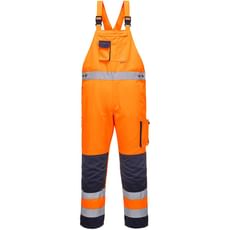
Hi Vis Dungarees
Pay in 3 interest-free payments on purchases from £30-2000 with  . Learn more.
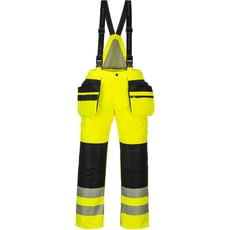
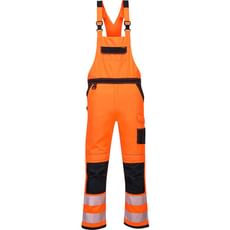
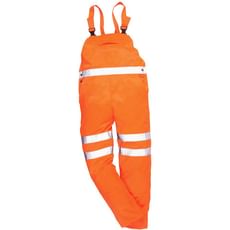
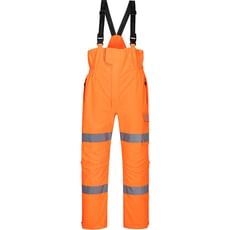
 Loading...
End of content
Error - No more pages to load
About Hi Vis Dungarees
Hi vis dungarees, also known as high visibility bib and brace overalls, are essential protective workwear designed to keep tradespeople visible and safe in hazardous working environments. Combining the full-body coverage of dungarees with reflective materials and fluorescent colours, these garments are engineered to meet strict UK safety standards whilst providing the durability and functionality that professional workers demand on site. From roadside maintenance to railway work, construction sites to warehouse operations, hi vis dungarees offer both protection and practicality for those whose work puts them at risk from moving vehicles or machinery.
The selection at Tooled-Up.com includes options from trusted brands like Portwest and Oxford Weave, offering various classification levels to suit different working environments. Whether you need Class 1 or Class 2 certification, these garments feature reinforced knees, multiple pockets for tools and equipment, and adjustable straps for a comfortable fit throughout long working days. Modern designs incorporate advanced materials like 300D Oxford weave fabric that delivers exceptional tear resistance whilst remaining breathable and comfortable, with specialist options including waterproof models, winter-insulated versions, and RIS-certified dungarees for railway industry professionals.
Beyond basic visibility, today's hi vis dungarees are designed with the working professional in mind, featuring practical elements such as hammer loops, ruler pockets, knee pad compartments, and reinforced stress points at high-wear areas. Many models also offer seasonal variations to ensure year-round comfort and compliance with HSE regulations, making them a versatile choice for tradespeople who need reliable protective workwear in all conditions.
Jargon Buster
- Class 1 and Class 2 Hi Vis: Classification levels defined by EN ISO 20471 standard. Class 2 provides greater visibility with more reflective material (minimum 0.13m² of reflective tape and 0.5m² of fluorescent background material) and is required for higher-risk environments such as roadside work and busy construction sites. Class 1 offers basic visibility for lower-risk situations.
- RIS (Railway Industry Standard): A certification specifically required for workers operating on or near railway lines in the UK. RIS-3279-TOM compliant garments meet Network Rail's stringent visibility and safety requirements, ensuring adequate protection in the railway environment.
- 300D Oxford Weave: A heavy-duty fabric construction measured in denier (D), where 300D indicates the weight and thickness of the yarn. Oxford weave provides exceptional durability, abrasion resistance, and tear strength ideal for demanding work environments where clothing faces regular wear and tear.
- Bib and Brace: The traditional UK term for dungarees, referring to the chest panel (bib) and shoulder straps (braces) that distinguish this style from standard work trousers. This design provides full-body protection and secure fit without requiring a belt.
- Retroreflective Tape: Specialised tape that reflects light directly back to its source, making the wearer visible to vehicle drivers and machinery operators, especially in low-light conditions. This is the silver or yellow striping commonly seen on hi vis clothing.
- EN ISO 20471: The European standard specifying requirements for high visibility warning clothing, ensuring garments provide adequate visibility in hazardous situations during day and night conditions. This is the legal standard for PPE compliance in the UK.
Who Uses Hi Vis Dungarees?
Hi vis dungarees are essential workwear for numerous trades and professions working in environments where visibility is critical for safety:
- Highway maintenance workers and road crews
- Construction site workers and general labourers
- Railway workers and trackside maintenance teams
- Warehouse operatives and logistics personnel
- Civil engineers and groundworkers
- Agricultural workers operating machinery
- Refuse collectors and street cleaners
- Airport ground crew and baggage handlers
- Security personnel and traffic marshals
- Utility workers (gas, electric, water)
- Demolition and scaffolding specialists
- Forestry workers and tree surgeons
- Plant operators and machinery drivers
- Site surveyors and inspectors
How to Choose the Right Hi Vis Dungarees
Selecting appropriate hi vis dungarees requires consideration of several important factors to ensure compliance, comfort, and durability:
Safety Classification: Assess your working environment to determine the required visibility class. Class 2 hi vis dungarees are necessary for high-risk environments such as roadworks, railway maintenance, or busy construction sites where there is significant vehicle movement. Class 1 may suffice for warehouse environments or lower-risk applications. Check whether you need RIS certification for railway work or specific industry standards mandated by your employer.
Material and Durability: Consider the fabric construction based on your work demands. Heavy-duty 300D Oxford weave offers superior tear and abrasion resistance for rough environments like demolition or groundworks, whilst polycotton blends provide better breathability for less demanding applications. Look for reinforced knees with knee pad pockets, bar-tacked stress points at high-wear areas, and quality stitching throughout. Waterproof options are available from Tooled-Up for those working in all weather conditions.
Seasonal Requirements: Determine whether you need standard, winter-lined, or lightweight summer versions. Insulated models provide warmth without compromising visibility during cold weather site work, whilst breathable options prevent overheating during warmer months. Consider how many months of the year you'll be working outdoors and whether you need multiple pairs for different seasons.
Fit and Comfort: Adjustable shoulder straps, elasticated waists, and various size options ensure proper fit. Consider whether you'll be wearing additional layers underneath during winter, and check the garment allows full range of movement for tasks like kneeling, climbing ladders, and reaching overhead. Poorly fitting dungarees can be both uncomfortable and dangerous if they restrict movement.
Functionality: Assess pocket configuration, tool loops, and storage options. Professional-grade dungarees should offer dedicated pockets for measuring tape, mobile phone, pens, and small tools, plus reinforced hammer loops and ruler pockets where needed. Multiple secure pockets reduce the need to carry separate tool pouches and keep essentials readily accessible.
Popular Accessories
- Hi vis jackets and coats for additional upper body protection
- Knee pads and inserts compatible with dungaree knee pad pockets
- Work boots and safety footwear with steel toecaps
- Hi vis vests and body warmers for layering flexibility
- Work belts and tool pouches for additional storage
- Hard hats and safety helmets with chin straps
- Work gloves for hand protection in various materials
- Safety glasses and protective eyewear
- Reflective armbands and accessories for enhanced visibility
- Waterproof over-trousers for extreme weather
- Hi vis backpack covers for carrying equipment
- Thermal base layers for winter working
Safety Information
Hi vis dungarees must comply with EN ISO 20471 to be legally recognised as PPE (Personal Protective Equipment) in the UK. Employers have a duty under the Health and Safety at Work Act 1974 to provide appropriate PPE, and the HSE mandates high visibility clothing for workers exposed to moving vehicles or machinery. Failure to provide or wear compliant hi vis clothing can result in serious accidents and legal consequences for both employers and employees.
Regular inspection of hi vis garments is essential, as damaged reflective tape, fading fluorescent material, or excessive soiling can compromise visibility and render the garment non-compliant. Wash according to manufacturer instructions to maintain retroreflective properties—typically inside out at low temperatures (maximum 40°C) using mild detergent. Avoid bleach, fabric softeners, and dry cleaning, as these can degrade the reflective properties. Replace dungarees when reflective tape peels or cracks, fabric tears significantly, or fluorescent colour fades noticeably, as faded or damaged hi vis clothing provides inadequate protection.
Remember that hi vis dungarees alone may not provide complete protection. Assess your risk environment through proper risk assessment procedures and combine with appropriate additional PPE such as hard hats, safety boots, and protective gloves as required by your specific work activities. If working near live electrical equipment, ensure all clothing and accessories are appropriate for the environment and voltage levels present.
Frequently Asked Questions
What's the difference between Class 1 and Class 2 hi vis dungarees?
Class 2 hi vis dungarees feature larger areas of both fluorescent background material (minimum 0.5m²) and reflective tape (minimum 0.13m²) compared to Class 1, providing greater visibility in higher-risk environments. Class 2 is typically required for roadside work, busy construction sites, and railway maintenance where there is significant vehicle or plant machinery movement, whilst Class 1 may suffice for warehouse environments or lower-risk applications. Always check your employer's risk assessment and site requirements, as many sites mandate Class 2 as standard.
How should I wash my hi vis dungarees to maintain their effectiveness?
Wash hi vis dungarees inside out at temperatures not exceeding 40°C using mild detergent. Avoid bleach, fabric softeners, and dry cleaning, as these can degrade the reflective properties and reduce the lifespan of the fluorescent fabric. Air dry or tumble dry on low heat settings. Most quality hi vis garments available from Tooled-Up maintain effectiveness for 50+ washes when cared for properly, though you should inspect them regularly for signs of fading or damage.
Do I need RIS-certified dungarees for all outdoor work?
RIS (Railway Industry Standard) certification is specifically required only for workers operating on or near railway lines and Network Rail property. For general construction, highways, and other outdoor work, standard EN ISO 20471 Class 2 certification is typically sufficient. However, always verify your employer's specific requirements and site rules, as some contractors working near railway infrastructure may require RIS certification even if not directly on railway property.
Can I wear hi vis dungarees in winter without freezing?
Yes, winter-lined hi vis dungarees are specifically designed with insulation for cold weather working whilst maintaining full safety compliance. Alternatively, wear thermal base layers beneath standard dungarees and combine with hi vis jackets or body warmers. Brands like Portwest offer dedicated winter ranges such as the PW3 Winter collection that provide warmth without compromising visibility or freedom of movement, perfect for outdoor site work during colder months.
How do I know when to replace my hi vis dungarees?
Replace hi vis dungarees when reflective tape becomes cracked, peeling, or damaged; when the fluorescent fabric significantly fades (particularly noticeable when compared to a new garment) or becomes heavily soiled beyond cleaning; or when structural damage like large tears, broken zips, or failed seams compromises the garment. Regular monthly inspections help identify when replacement is necessary to maintain safety compliance. If in doubt, replace the garment—your safety is worth more than the cost of new dungarees.