

Hi Vis T Shirts
Pay in 3 interest-free payments on purchases from £30-2000 with  . Learn more.
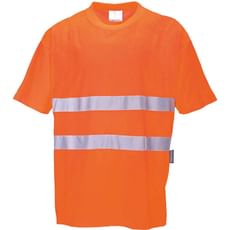
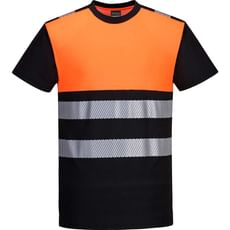
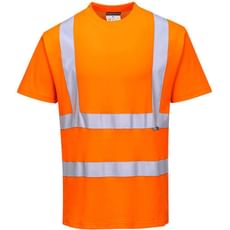
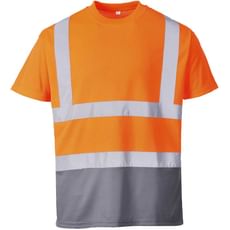
 Loading...
End of content
Error - No more pages to load
About Hi Vis T Shirts
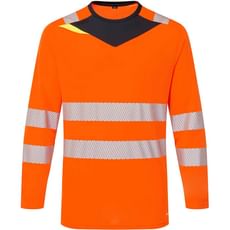
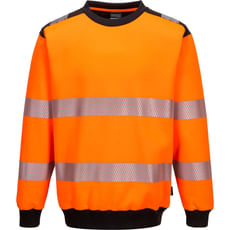
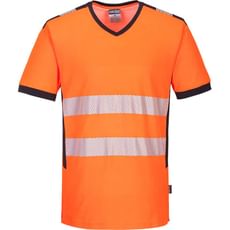
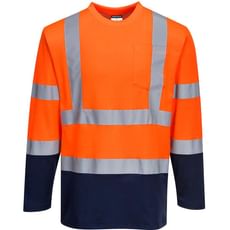
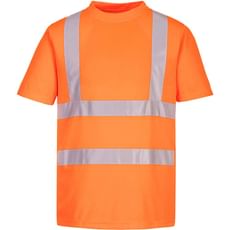
Hi vis t-shirts represent an essential category of safety workwear that combines high-visibility protection with the comfort and practicality of everyday t-shirts. Designed to keep workers visible in hazardous environments where being seen can be the difference between safety and serious injury, these garments incorporate fluorescent background materials and retroreflective tape whilst maintaining breathability and all-day wearability. The selection at Tooled-Up.com features Portwest hi vis t-shirts exclusively, a trusted British workwear brand that delivers compliant, durable garments meeting stringent EN ISO 20471 safety standards required across UK construction sites, roadworks, warehouses, and logistics operations.
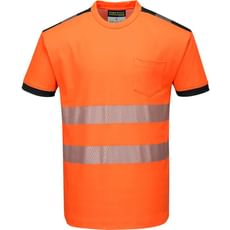
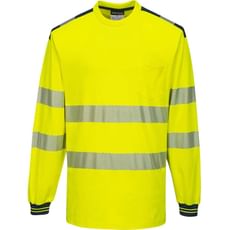
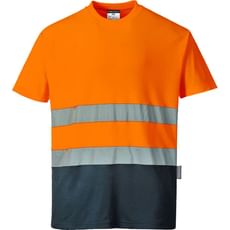
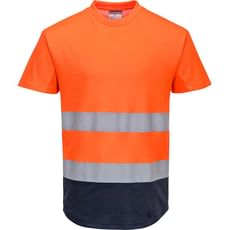
Modern hi vis t-shirts have evolved considerably from basic fluorescent garments into sophisticated technical workwear. Today's designs incorporate cotton comfort technology for superior softness against skin, moisture-wicking fabrics that draw perspiration away from the body, and strategically positioned mesh insert panels that enhance ventilation during physically demanding tasks. Many models feature contrast panels in darker colours that help mask everyday dirt and staining, maintaining a professional appearance between washes. The range spans short-sleeve options perfect for warm weather site work through to long-sleeve variants offering additional coverage and sun protection, with classification levels from Class 1 for low-risk warehouse environments to Class 2 garments suitable for roadside work and construction applications.
Whether specifying workwear for entire teams through multi-pack options, selecting specialist flame-resistant garments for hot works environments, or choosing the advanced PW3 range that combines contemporary styling with uncompromising safety performance, Tooled-Up stocks comprehensive solutions for keeping British tradespeople visible and protected. Features like chest pockets for storing site passes and pens, reinforced seams for enhanced durability, and eco-friendly manufacturing options demonstrate how hi vis t-shirts now balance regulatory compliance with practical workplace functionality and environmental responsibility.
Jargon Buster
- EN ISO 20471 Classification - The European safety standard governing high-visibility clothing, which categorises garments into Class 1, 2, or 3 based on the quantity of fluorescent background material and retroreflective tape. Class 1 offers basic visibility for low-risk environments, Class 2 provides medium visibility for roadside workers, and Class 3 delivers maximum visibility for high-risk situations near fast-moving traffic or heavy machinery.
- Retroreflective Tape - Specialised tape containing thousands of tiny glass beads or prismatic elements that reflect light directly back towards its source, making the wearer highly visible when illuminated by vehicle headlights or torches in low-light conditions. The placement pattern and minimum width of this tape is strictly regulated by safety standards.
- Fluorescent Background Material - Brightly coloured fabric, typically in yellow-green or orange-red, treated with special dyes that convert invisible ultraviolet light into visible light, creating an exceptionally bright appearance in daylight conditions. This fluorescent property significantly enhances daytime visibility against most backgrounds.
- Cotton Comfort Technology - Advanced fabric construction that combines high cotton content for natural breathability and softness with technical performance features like moisture management and shape retention, delivering the comfort of pure cotton with the durability and functionality required for professional workwear.
- Moisture-Wicking Fabric - Technical textile construction engineered to transport perspiration away from the skin to the garment's outer surface where it can evaporate quickly, keeping the wearer dry and comfortable during strenuous physical activity or warm weather working conditions.
- Contrast Panels - Sections of darker-coloured fabric incorporated into high-visibility garments, typically on shoulders, sides, or lower areas, which help conceal everyday soiling and staining whilst maintaining the required amount of fluorescent material for safety compliance.
Who Uses Hi Vis T Shirts?
Hi vis t-shirts serve as essential safety workwear across numerous trades and professions where visibility is paramount:
- Construction Workers - Labourers, groundworkers, bricklayers, and general operatives working on building sites with moving vehicles, plant machinery, and multiple concurrent activities
- Road Workers and Highways Maintenance - Crews undertaking carriageway repairs, verge maintenance, and traffic management where visibility to passing motorists at speed is critical for survival
- Warehouse and Logistics Staff - Forklift operators, pickers, packers, loading bay personnel, and inventory managers working in environments with moving industrial vehicles and machinery
- Delivery Drivers and Couriers - Professionals making frequent roadside stops and deliveries who need to remain visible to other road users whilst loading and unloading
- Railway Trackside Workers - Maintenance crews, signalling engineers, and track inspectors working near moving trains and railway vehicles
- Utilities Engineers - Gas, electricity, water, and telecommunications company employees working on roadside installations, underground infrastructure, and emergency call-outs
- Airport Ground Staff - Personnel operating on aprons, runways, and taxiways around aircraft, ground support equipment, and service vehicles
- Refuse Collection Crews - Waste operatives working around moving collection vehicles in residential streets and commercial areas
- Event Stewards and Security - Staff managing outdoor events, car parks, crowd control, and festival sites who need to be easily identifiable
- Landscape Gardeners - Professionals working on roadside verges, public spaces, and commercial grounds maintenance near traffic
- DIY Enthusiasts - Homeowners undertaking driveway improvements, roadside hedge trimming, or property maintenance near traffic areas
How to Choose the Right Hi Vis T Shirts
Determine Required Visibility Classification: Your risk assessment dictates the EN ISO 20471 class needed. Class 1 t-shirts contain minimum fluorescent and reflective material, suitable for warehouse environments, depot work, or off-road construction sites away from traffic. Class 2 garments provide greater visibility for roadside work, active construction sites, and environments where traffic speeds exceed 30mph. Check HSE guidance and your employer's safety policies to ensure compliance, as wearing insufficient classification could invalidate insurance and breach health and safety regulations.
Select Appropriate Sleeve Length: Short-sleeve hi vis t-shirts offer maximum freedom of movement and cooling during warm weather, making them ideal for summer months and physically demanding tasks. Long-sleeve variants provide additional sun protection for outdoor workers, suit cooler conditions, and offer extra coverage that some risk assessments mandate. Consider maintaining seasonal rotation with both options, or factor in layering with hi vis jackets and bodywarmers during winter months.
Evaluate Fabric and Comfort Features: Cotton and cotton-blend fabrics deliver superior breathability, natural softness, and all-day comfort, particularly important for workers wearing t-shirts directly against skin throughout long shifts. Polyester technical fabrics excel at moisture-wicking and dry faster after washing, beneficial for workers who perspire heavily or require rapid laundering turnaround. Mesh insert panels positioned in high-heat areas like underarms and back significantly improve ventilation. The Portwest Cotton Comfort range combines high cotton content with technical performance, offering an excellent balance for most applications.
Consider Durability and Construction Quality: Assess the working environment's demands and expected laundry frequency. Reinforced seams, quality stitching, and robust fabric weights extend service life, reducing replacement costs over time. The Portwest DX4 range offers enhanced durability specifications for particularly demanding applications, whilst standard models suit general-purpose use with regular replacement cycles. Remember that hi vis garments are consumable items with finite lifespans—factor replacement costs into budgeting.
Assess Practical Features: Contrast panels on shoulders and sides help mask everyday soiling from construction dust, dirt, and general site work, maintaining professional appearance and extending intervals between washes. Chest pockets provide convenient storage for site passes, pens, notebooks, or mobile phones. Consider whether these features would benefit your specific working patterns and whether they justify any additional cost.
Identify Specialist Requirements: Certain environments demand specialist properties beyond basic visibility. Flame-resistant hi vis t-shirts are essential for welding, hot works, or environments with ignition risks where standard polyester garments could melt and cause serious burns. Eco-friendly options appeal to environmentally conscious businesses seeking to reduce environmental impact. Multi-pack purchasing delivers cost-effective solutions when kitting out teams or maintaining sufficient garment rotation for regular laundering schedules.
Ensure Correct Sizing and Fit: Proper fit is crucial for both wearer comfort and safety compliance. Garments that are too tight restrict movement, cause discomfort, and may tear during physical work. Oversized t-shirts that bunch or fold may compromise visibility ratings by reducing the effective visible area. Consult Portwest sizing charts carefully and consider whether your workforce requires regular, generous, or tall fits. When specifying for teams, accommodate varying body types to ensure every worker receives appropriately sized garments.
Popular Accessories
Complement your hi vis t-shirts with these related products for comprehensive workplace safety and comfort:
- Hi Vis Trousers and Shorts - Complete head-to-toe visibility outfits, particularly important when Class 3 ensemble compliance is required
- Hi Vis Jackets and Bodywarmers - Essential layering pieces for cooler conditions whilst maintaining visibility standards throughout seasonal changes
- Hi Vis Polo Shirts - Professional alternative offering collar and button placket for client-facing roles whilst maintaining safety compliance
- Hard Hats and Safety Helmets - Mandatory head protection for construction and industrial environments, often required alongside hi vis workwear
- Safety Boots and Trainers - Protective footwear to complete your workwear ensemble with appropriate sole protection and safety toecaps
- Work Gloves - Hand protection suitable for your specific tasks, from general handling through to specialist cut-resistant or impact protection
- Tool Belts and Pouches - Convenient hands-free storage solutions for keeping essential equipment and fixings accessible
- Safety Glasses and Goggles - Eye protection for environments with dust, debris, grinding sparks, or impact hazards
- Hearing Protection - Ear defenders or disposable plugs for noisy working environments exceeding 85 decibels
- Sun Cream and UV Protection - Additional sun protection for outdoor workers during summer months, particularly important for exposed arms and necks
- Workwear Detergent - Specialist cleaning products formulated to maintain fluorescent properties and reflective tape effectiveness without degrading visibility performance
Safety Information
Understanding EN ISO 20471 Compliance: All hi vis garments intended for professional use must meet EN ISO 20471 standards, which specify minimum areas of fluorescent background material and retroreflective tape required for each classification. Garments should display clear internal labelling indicating their class rating, along with washing instructions and certification details. Never rely on non-compliant fashion or leisure hi vis clothing for professional applications where HSE regulations apply—these garments lack proper certification and may not provide adequate visibility in critical situations.
Maintenance and Proper Laundering: Regular washing is essential to maintain visibility properties, as accumulated dirt and contamination dramatically reduce fluorescent effectiveness. However, excessive washing, incorrect temperatures above 60°C, harsh detergents, or chlorine bleach can degrade fluorescent dyes and damage reflective tape adhesion. Always follow manufacturer care instructions, typically recommending washing at 40°C with mild detergents and avoiding fabric softeners. Line-drying preserves garment lifespan better than tumble-drying. Inspect garments regularly for fading, reflective strip damage, or general wear that compromises visibility.
Establishing Replacement Cycles: Hi vis t-shirts have finite service lives due to inevitable degradation of fluorescent dyes and reflective materials. The HSE recommends replacing high-visibility clothing when fluorescent colours noticeably fade compared to new garments, reflective tape becomes damaged or loses effectiveness, or fabric integrity is compromised through tears or excessive wear. Establish clear replacement schedules based on usage intensity and laundry frequency. As general guidance, garments in daily use with regular industrial washing typically require replacement every 6-12 months, whilst occasionally worn garments in clean environments may last longer.
Risk Assessment Requirements: Employers must conduct thorough risk assessments to determine appropriate visibility classifications for different work areas and specific tasks. Simply wearing a hi vis t-shirt doesn't automatically guarantee safety—the garment must provide adequate visibility for the particular risks present. Consider factors including traffic speeds and volumes, lighting conditions throughout shifts, weather and seasonal variations, working proximity to moving vehicles or machinery, and background environment colours. Document these assessments and communicate requirements clearly to all personnel.
Colour Selection Considerations: Fluorescent yellow-green and fluorescent orange-red are the standard colours meeting EN ISO 20471 requirements. Choose colours that provide optimal contrast against your typical working background. Research suggests fluorescent yellow-green offers superior visibility in most UK weather conditions and natural backgrounds, whilst orange may perform better in certain environments, seasons, or against specific backgrounds like autumn foliage or sandy conditions. Some organisations specify particular colours for different roles or seniority levels for easy identification on busy sites.
Combination with Other PPE: Hi vis t-shirts often form part of a complete PPE ensemble. Ensure they're compatible with other required equipment like safety harnesses, tool belts, and respiratory protection. Consider how layering affects visibility—adding non-compliant jackets or fleeces over hi vis t-shirts may obscure reflective tape and reduce visible fluorescent area below required standards. When layering is necessary, ensure outer garments are also EN ISO 20471 compliant or that the overall ensemble maintains required classification.
Frequently Asked Questions
What's the difference between Class 1, 2, and 3 hi vis t-shirts?
The classification relates to the quantity of visible material and determines where garments can be safely worn. Class 1 t-shirts contain minimum fluorescent background material (0.14-0.20 square metres) and reflective tape, suitable for low-risk warehouse or off-road environments where traffic speeds remain below 30mph. Class 2 provides greater visibility with increased material areas (0.50 square metres minimum), appropriate for roadside work and construction sites with moderate traffic. Class 3 offers maximum visibility (0.80 square metres minimum) for high-risk environments like motorway maintenance. Most hi vis t-shirts achieve Class 1 or 2 ratings, with Class 3 typically requiring combination ensembles of Class 2 upper and lower garments worn together.
How often should hi vis t-shirts be replaced?
Replace hi vis t-shirts when fluorescent colours noticeably fade compared to new garments, reflective tape becomes damaged or loses reflectivity, or fabric develops tears or excessive wear. With daily use and regular industrial washing, expect replacement every 6-12 months. Garments worn occasionally in clean, low-contamination environments may last longer. Implement regular visual inspections to identify when replacement becomes necessary. If fluorescent colour appears dull or washed-out, if reflective strips show cracks, peeling, or reduced shine when illuminated, or if fabric shows thinning or holes, immediate replacement is recommended. Some organisations implement mandatory replacement schedules regardless of apparent condition to ensure consistent protection.
Can I wear just a hi vis t-shirt for roadside work?
This depends entirely on your risk assessment and the classification required for your specific working environment. For low-speed roads with minimal traffic volumes, a Class 2 hi vis t-shirt may suffice according to your employer's safety policies. However, higher-risk environments like motorways, dual carriageways, or high-speed roads typically require Class 3 visibility, which usually means combining a Class 2 hi vis t-shirt with Class 2 hi vis trousers to achieve Class 3 ensemble rating, or wearing a Class 3 jacket. Always follow your employer's safety policies, site-specific requirements, and HSE guidance for your particular working situation. When in doubt, higher visibility classification is always safer than insufficient protection.
Are cotton or polyester hi vis t-shirts better for construction work?
Both materials offer distinct advantages for different priorities. Cotton and cotton-blend fabrics provide superior comfort, natural softness against skin, and excellent breathability, making them ideal for all-day wear and reducing skin irritation during long shifts. They feel more natural and comfortable but may retain moisture when perspiring heavily. Polyester and technical synthetic fabrics offer excellent moisture-wicking properties that actively transport perspiration away from skin, dry quickly after washing, and often prove more durable through repeated industrial laundering cycles. Many modern hi vis t-shirts use cotton-polyester blends combining comfort with performance, or feature cotton comfort technology delivering benefits of both materials. For hot weather and physically demanding work, prioritise moisture management; for general construction work, cotton comfort often provides better all-day wearability.
Do hi vis t-shirts lose their visibility properties over time?
Yes, both fluorescent dyes and retroreflective materials inevitably degrade with exposure to sunlight, repeated washing, and general wear. Fluorescent colours gradually fade through UV exposure and laundering, reducing daytime visibility effectiveness. Reflective tape can crack, peel, or lose retroreflective efficiency through flexing, abrasion, and washing. This degradation is unavoidable but can be minimised through proper care—washing at recommended temperatures (typically 40°C), avoiding harsh detergents and chlorine bleach, line-drying rather than tumble-drying when possible, and storing garments away from direct sunlight when not in use. Using specialist workwear detergents formulated for hi vis garments helps preserve visibility properties longer. Regular inspection and timely replacement before visibility drops below safe levels ensures continued compliance and protection.