

Hinge Drill Bits
Pay in 3 interest-free payments on purchases from £30-2000 with  . Learn more.
 Loading...
End of content
Error - No more pages to load
About Hinge Drill Bits
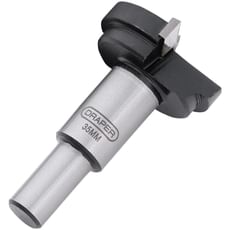
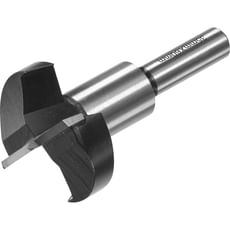
Hinge drill bits are precision-engineered cutting tools designed specifically for creating the clean, flat-bottomed recesses required for concealed hinges in cabinet doors, kitchen units, and furniture construction. Unlike standard twist drill bits, these specialised tools feature a unique geometry that allows tradespeople to bore the characteristic cup-shaped holes needed for modern European-style concealed hinges, typically 35mm in diameter. The design usually comprises a central self-centring pilot bit for accurate positioning, outer cutting edges that remove the bulk of material, and in premium models, tungsten carbide tipping for extended durability when working with abrasive composite materials like MDF and chipboard.
Professional joiners, cabinet makers, and kitchen fitters depend on hinge drill bits to achieve consistent, factory-quality results when installing concealed hinge systems. The selection at Tooled-Up.com includes offerings from trusted manufacturers such as Bosch Professional, Faithfull, Stanley, Draper, and Sealey, with options ranging from individual bits for occasional use through to comprehensive multi-piece sets for demanding site work. Quality examples feature high carbon steel (HCS) or tungsten carbide (TC) construction, self-centring points that prevent wandering during initial contact, and often incorporate ejector springs to clear waste material from the recess.
Many modern hinge drill bits now include advanced features such as chamfered cutting edges for cleaner entry with minimal tearout, hex shanks for secure retention in quick-change chucks, and cantilever designs that allow access in restricted spaces where standard bits cannot reach. Whether you're fitting out a complete kitchen installation, building bespoke wardrobes, or undertaking furniture restoration work, having the correct hinge drill bits ensures professional results with accurate positioning and clean cuts every time.
Jargon Buster
- Concealed Hinge / Cup Hinge: A modern hinge design where the hinge body sits within a circular recess (cup) drilled into the door, providing invisible mounting when the door is closed. The standard diameter is 35mm, though 26mm variants exist for specialist applications.
- Tungsten Carbide (TC): An exceptionally hard material brazed onto the cutting edges of drill bits, offering extended tool life and the ability to cut through abrasive materials like MDF, laminated boards, and chipboard without rapid dulling—essential for high-volume professional work.
- Self-Centring Point: A sharp central pilot tip that locates precisely in your marked drilling position, preventing the bit from skating across the surface before cutting begins and ensuring accurate hinge placement with consistent results.
- Cantilever Cutter: A hinge bit design where the cutting edges extend asymmetrically from one side of a central shaft, allowing you to drill recesses on cabinet frames or face-frame applications where adjacent panels would prevent a standard bit from accessing the required position.
- High Carbon Steel (HCS): A durable steel alloy commonly used in drill bit manufacturing that holds a sharp edge well for cutting natural timbers, though less suited to prolonged use on abrasive composite materials compared to carbide-tipped alternatives.
- Forstner Pattern: A flat-bottomed drilling design that produces clean-sided holes with minimal tearout, similar to the geometry required for hinge installation, though purpose-designed hinge bits offer superior results for concealed hinge applications.
Who Uses Hinge Drill Bits?
- Kitchen Fitters: Installing and hanging cabinet doors with concealed hinges during new kitchen installations, refurbishments, and replacement projects
- Joiners and Carpenters: Creating bespoke cabinetry, fitted wardrobes, and custom furniture requiring professional concealed hinge installation
- Cabinet Makers: Manufacturing high-quality furniture and storage solutions with modern hinge systems for residential and commercial clients
- Shopfitters: Installing display cabinets, retail fixtures, and commercial storage units where clean aesthetics and durability are paramount
- Property Maintenance Teams: Repairing or replacing damaged hinges in existing cabinetry, fitted furniture, and rental property fixtures
- Furniture Restorers: Modernising older furniture pieces by retrofitting concealed hinge systems to replace worn traditional hinges
- DIY Enthusiasts: Undertaking home improvement projects including kitchen refurbishment, wardrobe construction, bathroom cabinet installation, and furniture building
- Boat Builders: Installing hinges in marine joinery where space constraints and clean appearance are critical considerations
How to Choose the Right Hinge Drill Bits
Bit Diameter: The most common size is 35mm, which suits standard European concealed hinges found in virtually all modern kitchens and furniture. However, always verify your specific hinge requirements before purchasing, as some applications may require 26mm or other diameters. Measure your hinge cup or consult the hinge manufacturer's specifications to ensure compatibility.
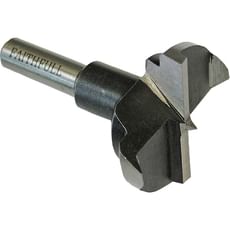
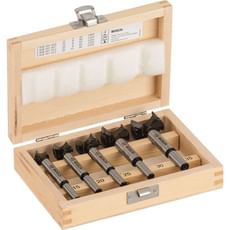
Material Construction: Tungsten carbide (TC) tipped bits, such as those in the Bosch 5 Piece TC Hinge Cutting Drill Bit Set, offer superior longevity when working with abrasive materials like MDF, chipboard, and laminated boards—ubiquitous in modern kitchen and furniture construction. High carbon steel (HCS) options like the Faithfull HCS Hinge Bore Bit provide more economical solutions for natural timber work and occasional use, but will require more frequent replacement on demanding commercial jobs.
Shank Configuration: Hex shanks provide superior grip in modern drill chucks and prevent slippage under load, whilst round shanks suit traditional three-jaw chucks. If you're using quick-change chuck systems or impact drivers, hex shanks offer the most secure retention and quickest bit changes.
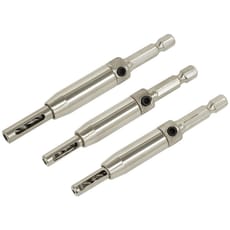
Single Bit or Set: Professional tradespeople working across multiple projects benefit from comprehensive sets like the Sealey 3 Piece Self Centering Chamfered Hinge Drill Bit Set, which includes various sizes and configurations for different hinge types. DIY users tackling a single project may only need one bit matched to their specific hinge diameter.
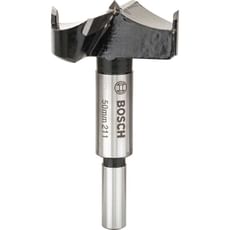
Cantilever Requirements: If you're fitting hinges to face-frame cabinets or need to drill recesses close to adjacent panels where a standard bit cannot physically fit, a cantilever design such as the Bosch Cantilever Wood Hinge Cutter is essential. These specialist bits extend cutting edges from one side only, allowing access in restricted spaces.
Self-Centring Features: Look for bits with pronounced central pilot points and chamfered cutting edges. The Sealey set specifically highlights self-centring and chamfered features, which ensure accurate positioning without wandering and produce cleaner entry with reduced splintering—critical for professional finishes on visible cabinet faces.
Brand Quality: Established manufacturers like Bosch Professional, Stanley, and Faithfull—all available from Tooled-Up—offer proven quality and consistent performance. Professional-grade bits justify their premium through extended tool life, superior cut quality, and reliability on demanding site work.
Popular Accessories
- Cordless Drill Drivers: Essential power source for hinge bit operation, with 18V models from Makita, DeWalt, Milwaukee, or Bosch providing ample power and runtime for repetitive drilling work
- Drill Stands and Guides: Ensure perfectly perpendicular holes for flush hinge mounting, particularly valuable for batch production work or ensuring consistency across multiple doors
- Centre Punches and Marking Gauges: Accurately mark hinge positions before drilling to ensure consistent spacing and alignment across door sets
- Hinge Jigs and Templates: Speed up repetitive hinge installation with pre-set positioning guides for standard cabinet configurations and door dimensions
- Depth Stops: Control drilling depth precisely to avoid breakthrough on thin door panels whilst ensuring adequate recess depth for proper hinge cup seating
- Countersink Bits: Create recesses for hinge mounting screws to sit flush with the hinge plate for proper operation
- Wood Chisels: Clean up any minor imperfections in hinge recesses from Bahco or Stanley to ensure perfect hinge cup seating
- Concealed Hinges: The end application for your drilling work, available in various opening angles (110°, 165°, 170°) and overlay specifications
- Tool Storage: Protect your investment with organised storage from Stanley FatMax, DeWalt TSTAK, or Milwaukee PACKOUT systems
- Extraction Equipment: Connect to Makita, DeWalt, or Festool dust extractors for cleaner working conditions, especially important when drilling MDF
Safety Information
Personal Protective Equipment: Always wear safety glasses or goggles when drilling to protect against flying debris and wood chips. MDF and composite materials produce particularly fine dust, so wear a dust mask or respirator compliant with HSE guidance, especially in poorly ventilated areas or during extended use. Consider hearing protection if working with multiple units over extended periods.
Secure Workpiece Clamping: Always clamp cabinet doors and workpieces securely before drilling using G-clamps, bench vices, or dedicated workpiece holders. Hinge bits remove considerable material and can grab unexpectedly, potentially causing the workpiece to spin dangerously if hand-held. Never attempt to hold small workpieces by hand whilst drilling.
Drill Speed Selection: Use moderate drill speeds (typically 1500-2000 RPM) for hinge bits. Excessive speed generates heat that can burn timber, melt adhesives in composite boards, and prematurely dull cutting edges. Most cordless drills should be set to lower speed ranges with high torque settings for optimal performance and bit longevity.
Bit Condition Inspection: Inspect bits before use for damage, dullness, or missing carbide tips. Blunt bits require excessive pressure, increasing the risk of slippage, producing poor-quality cuts with excessive tearout, and potentially causing workpiece movement. Replace or professionally sharpen bits showing signs of wear.
Electrical Safety: Ensure corded drills comply with UK electrical standards and are PAT tested if used in professional environments. Use 110V site transformers on construction sites in accordance with HSE guidelines. Always disconnect from 240v power sources before changing bits or making adjustments.
Frequently Asked Questions
What size hinge drill bit do I need for standard kitchen cabinet hinges?
The vast majority of modern kitchen cabinets use 35mm concealed hinges, requiring a 35mm diameter hinge drill bit. However, it's always worth verifying your specific hinge cups before drilling, as some specialist applications use 26mm or other sizes. Measure the diameter of the hinge cup (the circular part that sits in the door) to confirm, or consult your hinge manufacturer's specifications.
Can I use a hinge drill bit in a standard cordless drill?
Yes, hinge drill bits are designed for use with standard cordless drills, typically requiring a 10mm or greater chuck capacity. An 18V drill driver from brands like Makita, DeWalt, Bosch, or Milwaukee provides ample power for hinge drilling. Use a moderate speed setting and ensure your battery is well charged, as hinge bits remove considerable material and can drain batteries quickly during repetitive installation work.
Why do my hinge holes have rough edges and tearout?
Tearout typically occurs when using blunt bits, drilling too quickly, or not supporting the workpiece properly. Ensure your bit is sharp—carbide-tipped bits like those from Bosch Professional maintain their edge longer on abrasive materials like MDF. Drill at moderate speeds rather than maximum RPM, apply steady pressure without forcing, and if possible, clamp a backing board behind the workpiece to support fibres as the bit exits. Entry-side tearout suggests a dull central pilot point requiring replacement.
What's the difference between a standard hinge bit and a cantilever hinge cutter?
A standard hinge bit has a symmetrical design with cutting edges around a central shaft, whilst a cantilever (or offset) hinge cutter has cutting edges extending from one side only. Cantilever cutters allow you to drill hinge recesses in tight spaces where a standard bit cannot physically fit, such as on face-frame cabinets or when drilling close to adjacent panels, walls, or cabinet returns.
How deep should I drill for concealed hinge installation?
Standard 35mm concealed hinges typically require a depth of 11.5mm to 13mm. Most hinge drill bits are designed to automatically drill to approximately the correct depth, but it's advisable to use a depth stop or mark your bit with masking tape to ensure consistency, especially when working with thinner door materials where drilling too deep could cause breakthrough. Always test on scrap material first to verify your setup produces the correct depth.