

Hole Punches

Pay in 3 interest-free payments on purchases from £20-£3000 with  . Learn more.

 Loading...
End of content
Error - No more pages to load
About Hole Punches
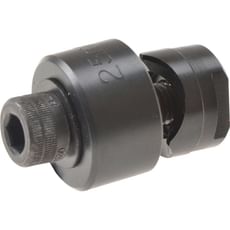
Hole punches are indispensable metalworking tools that create clean, precise holes in sheet metal, gaskets, and various other materials without the need for drilling equipment or power sources. Unlike conventional drill bits that remove material through rotation, hole punches employ a punch and die system to shear cleanly through material, producing burr-free holes with exceptional dimensional accuracy. This makes them particularly valuable for tradespeople working on site or in workshops where power access is limited, or where the quality of the finished hole is critical to the application.
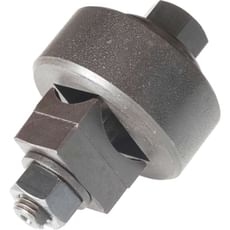
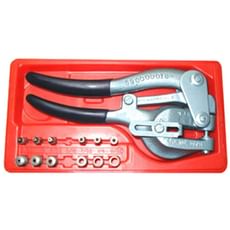
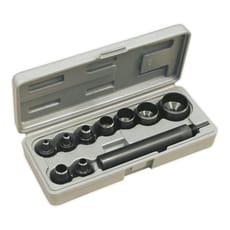
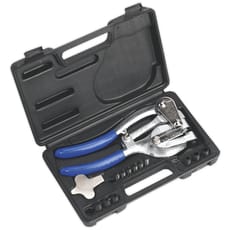
The selection available from Tooled-Up.com encompasses sheet metal hole punches in both imperial and metric sizing systems, comprehensive gasket punch sets for softer materials, and specialised square hole punches for unique fabrication requirements. These hand-operated tools are designed for working with mild steel, aluminium, copper, rubber, cork, and gasket materials, with trusted brands including Whitney, Q Max, Sealey, and Facom represented throughout the range. Professional-grade sets typically handle materials up to 1.2mm thick in steel, with increased capacity for softer materials.
From compact junior punch sets suitable for lighter gauge materials through to heavy-duty hand punch and die systems capable of tackling thicker sheet metal, these tools deliver consistent performance across diverse applications. Many multi-piece sets provide excellent versatility with multiple punch and die sizes included, whilst replacement punches and dies ensure extended tool life and maintained peak performance throughout years of professional use.
Jargon Buster
- Punch and Die System: The two-component mechanism that creates holes through shearing action. The punch (male component) pushes through the material into the die (female component), cutting a clean aperture without drilling or material removal by rotation.
- Throat Depth: The distance measured from the hole punch mechanism to the rear of the tool frame, which determines how far from a material edge you can position and punch holes. Greater throat depth offers increased flexibility for larger workpieces.
- Gauge Capacity: The maximum material thickness a hole punch can effectively penetrate, typically expressed in millimetres or gauge numbers for sheet metal. Exceeding this capacity damages the tool and produces poor-quality results.
- Imperial vs Metric Sizing: Imperial hole punches use fractional inch measurements (such as 5/32", 1/4", 3/8"), whilst metric versions employ millimetre dimensions (4mm, 6mm, 8mm). Selection should match your drawing specifications and the standards prevalent in your industry sector.
- Gasket Punch: A specialised hollow punch designed specifically for softer materials including rubber, cork, leather, and gasket materials. Features a sharpened cutting edge that simultaneously compresses and cuts through the material cleanly.
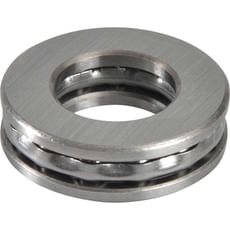
- Thrust Race: A bearing component used in certain punch systems (particularly Q Max models) that helps distribute force evenly across the mechanism and ensures smooth, consistent operation during repeated punching operations.
Who Uses Hole Punches?
Hole punches are essential tools across numerous trades and industries:
- Sheet Metal Workers: Creating precise holes in ductwork, flashing, and metal fabrications for HVAC systems and roofing applications
- HVAC Engineers: Punching mounting holes in ventilation components, air handling units, and metal panels
- Vehicle Body Repairers: Making clean holes for fasteners, trim clips, body panel attachments, and custom fabrication work
- Mechanics and Auto Electricians: Creating custom gaskets, punching holes for wiring grommets, and automotive repair applications
- Agricultural Engineers: Fabricating and repairing farm equipment, machinery guards, and agricultural implements
- Maintenance Fitters: General repair work across industrial and commercial facilities where drilling isn't practical
- Fabricators and Welders: Precision hole creation before welding, assembly work, and custom metalwork projects
- Electrical Contractors: Punching holes in electrical enclosures, distribution boards, and control panel boxes
- Plumbers and Heating Engineers: Creating holes for pipe penetrations and mounting brackets
- DIY Enthusiasts: Home metalworking projects, classic vehicle restoration, and general repairs
How to Choose the Right Hole Punches
Material Type and Thickness: Consider the materials you'll be punching most frequently. Gasket punches are ideal for softer materials like rubber, cork, leather, and gasket sheets, whilst sheet metal punches handle steel, aluminium, copper, and brass. Always verify the gauge capacity to ensure the tool can handle your typical material thickness—most hand-operated punches work effectively with materials up to 1.2mm thick in mild steel, with greater capacity for softer metals.
Hole Size Requirements: Determine whether you need imperial or metric sizing based on your drawings, specifications, and the standards used in your industry. Multi-piece sets from brands like Whitney and Q Max offer excellent versatility, with popular ranges covering holes from 3mm to 32mm (or 1/8" to 1-1/4" in imperial measurements). Square hole punches are available from Q Max for specialised applications requiring non-circular apertures in both imperial and metric configurations.
Frequency and Intensity of Use: For occasional use, a basic Sealey gasket punch set may prove sufficient, but professional fabricators and sheet metal workers benefit from robust Whitney or Facom systems with replaceable components. Consider sets with replacement punches and dies available separately to extend tool life and reduce long-term operational costs. The Whitney No.5 Junior and No.7 Hand Punch systems are particularly well-supported with individual replacement components.
Throat Depth Requirements: If you regularly need to punch holes away from material edges or work with larger panels, throat depth becomes a critical specification. Whitney hand punch sets typically offer deeper throat access than compact junior models, making them more suitable for larger workpieces and professional fabrication work where hole positioning flexibility is essential.
Portability and Power Requirements: Hand-operated punch sets require no electricity or compressed air, making them ideal for site work, mobile repairs, agricultural settings, and locations without power access. Most quality sets come in organised storage cases for easy transport between jobs and protection of the precision components during transit.
Popular Accessories
- Replacement Punches: Individual replacement male punches for worn or damaged components, particularly for Whitney No.5 Junior and No.7 Hand Punch systems in various imperial sizes
- Replacement Dies: Female die components available in corresponding sizes to restore punch performance and cutting quality when worn
- Thrust Races: Bearing components specifically for Q Max punch systems, ensuring smooth operation and even force distribution
- Cutting Lubricants: Specialist fluids that reduce friction, dissipate heat, and extend punch life when working with tougher metals and during sustained punching operations
- Deburring Tools: For removing any minor burrs and ensuring perfectly smooth hole edges, particularly important for safety and aesthetic finish
- Digital Callipers: Precision measurement tools for verifying hole dimensions, material thickness, and ensuring accuracy before punching
- Centre Punches: For accurately marking hole positions before punching, ensuring proper alignment and preventing tool slippage
- Engineer's Scribes: For marking out hole patterns and positioning guidelines on metal surfaces
- Tool Storage Solutions: Organised tool boxes and storage cases from Stanley, DeWalt, and Milwaukee to keep punch sets protected and accessible on site
Safety Information
Whilst hole punches are generally safer than power drilling equipment, proper safety practices remain essential for injury prevention. Always wear appropriate eye protection when punching holes, as material slugs can eject unexpectedly with considerable force. Ensure the workpiece is properly supported and secured before applying force to prevent slippage that could result in hand injuries or damaged components.
When using hand-operated punches, apply steady, controlled pressure rather than sudden jerking force to maintain control and prevent tool damage. Keep fingers and hands clear of the punch and die area during operation, and maintain full concentration on the task. Regular inspection and maintenance of punches and dies is essential—worn or damaged components require more force to operate and can produce poor-quality holes with rough edges.
Replace blunt or damaged punches promptly, as they become increasingly dangerous to use and may cause the tool to slip during operation. Work in accordance with HSE guidelines for manual handling, particularly when sustained punching operations are required. Take regular breaks to avoid repetitive strain injuries, especially during production work, and ensure adequate lighting to maintain clear visibility of the work area and prevent misalignment accidents.
Store punches and dies properly in their cases when not in use to protect sharp edges and prevent accidental injury. When working with gasket materials, ensure adequate ventilation as some materials may release particles or fibres when cut. Always consult the tool manufacturer's instructions for specific safety guidance and operational limits.
Frequently Asked Questions
What's the difference between a hole punch and a drill for sheet metal work?
Hole punches create cleaner, burr-free holes through a shearing action rather than material removal, eliminating the need for deburring and finishing work. They don't require electricity or batteries, making them perfect for site work and remote locations. Punches are significantly faster for repetitive holes in sheet metal up to 1.2mm thick and produce perfectly circular holes without drill wander, material distortion, or the heat buildup associated with drilling. However, drills are better suited for thicker materials, harder metals, and situations where hole positioning away from edges is difficult.
Can I use sheet metal hole punches on stainless steel?
Whilst some heavy-duty hole punches can handle thin stainless steel sheet, this material is significantly harder than mild steel and aluminium, which accelerates punch wear considerably and may exceed the force capacity of hand-operated tools. Regular stainless steel work is better suited to hydraulic punch systems or traditional drilling methods. Always check the manufacturer's specifications for material compatibility before attempting to punch stainless steel, and expect reduced tool life even when working within stated capacities.
Do I need imperial or metric hole punches for UK work?
This depends entirely on the specifications you're working to and your industry sector. UK engineering increasingly uses metric measurements for new designs, but older drawings, imported equipment, and certain industries (particularly automotive and aerospace) still commonly specify imperial sizes. Many professionals working across diverse projects keep both systems available. Tooled-Up stocks both imperial and metric sets from Whitney, Q Max, and Sealey, with multi-piece sets offering good value as they provide multiple sizes in one investment.
How do I maintain my hole punches for maximum longevity?
Keep punches and dies clean and apply a light coating of oil to prevent corrosion, particularly if storing for extended periods. Store them in their original cases to protect precision cutting edges from damage. Inspect components regularly for wear, burrs, chips, or damage—even minor imperfections significantly affect hole quality and cutting performance. Use appropriate cutting lubricant when working with tougher metals to reduce friction and heat buildup. Replace worn components promptly rather than forcing damaged tools to continue working, which accelerates wear and produces increasingly poor results.
What thickness of material can hand-operated hole punches handle?
Most hand-operated sheet metal punches are designed for materials up to 1.2mm (approximately 18 gauge) thick in mild steel, with capacity increasing for softer materials like aluminium, copper, and brass. Gasket punches typically handle softer materials up to 3mm or more, depending on the material hardness. Always check the specific tool's specifications, as capacity varies significantly by brand, model, and punch size. Attempting to punch material that exceeds the stated capacity will damage the tool, produce poor-quality holes, and may cause injury.