

Holesaw Arbors & Pilot Drills

Pay in 3 interest-free payments on purchases from £20-£3000 with  . Learn more.
Loading...
End of content
Error - No more pages to load
About Holesaw Arbors & Pilot Drills
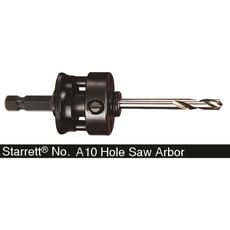
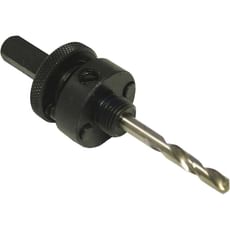
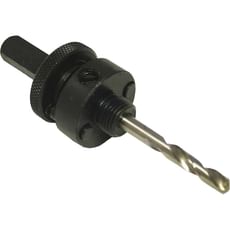
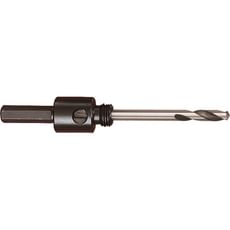
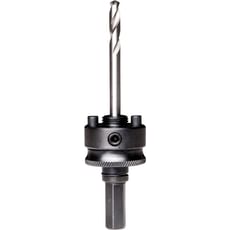
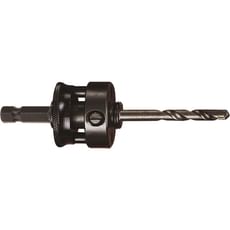
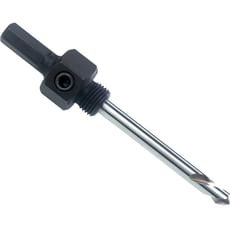
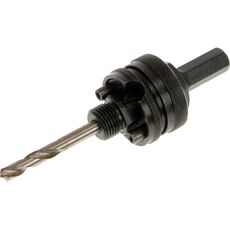
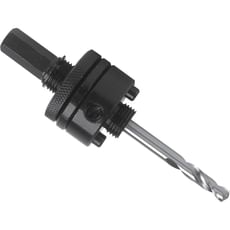
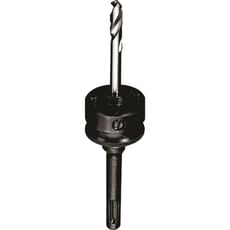
Holesaw arbors and pilot drills are the essential connecting components that transform a hole saw into a functional cutting system. The arbor acts as the mandrel that secures the hole saw to your power drill's chuck, whilst the pilot drill provides the critical centring point that ensures accurate, wobble-free cutting through wood, metal, plastic, and composite materials. Without a quality arbor system, even the best hole saw will deliver poor results, wandering off-centre and producing ragged, oversized holes that compromise both workpiece quality and job efficiency.
Tooled-Up.com stocks a comprehensive range of arbors designed for different applications and hole saw sizes, from compact 14mm cutters through to substantial 210mm diameter saws. Available shank sizes include 6.4mm (1/4"), 8.5mm, and 11mm (7/16") to suit various drill chuck capacities, whilst both standard threaded arbors and quick-change (QC) systems offer flexibility depending on your working style. Leading brands including Bosch Professional, Bahco, and Faithfull engineer their arbor systems for durability and precision, with hardened steel construction and HSS pilot drills that maintain sharpness through repeated drilling cycles in demanding materials.
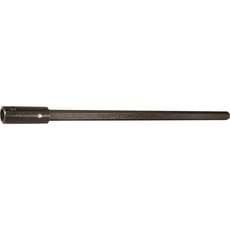
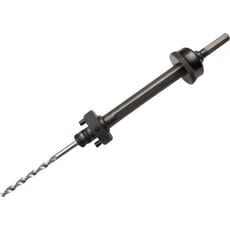
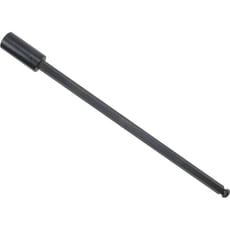
Arbor extensions add critical reach when drilling through thick walls, floor joists, or recessed locations where standard arbor length proves insufficient. The Tooled-Up range includes 300mm and 330mm extensions from Bahco that maintain stability whilst providing the extra length required for challenging installations. Replacement pilot drills are also available separately, as these hardworking components inevitably dull over time, particularly when drilling abrasive materials like stainless steel, cast iron, or masonry. Investing in quality arbors, sharp pilot drills, and appropriate extensions ensures safer operation, cleaner cuts, and extended tool life across all your hole-cutting applications.
Jargon Buster
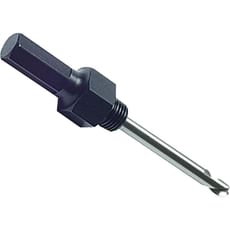
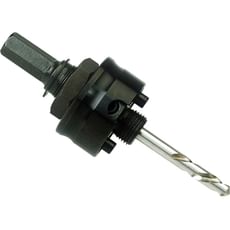
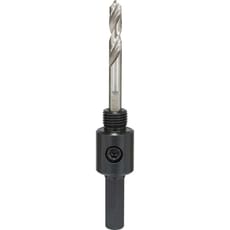
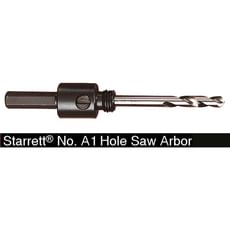
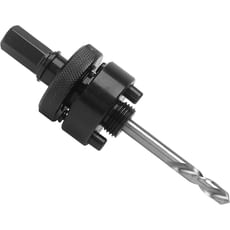
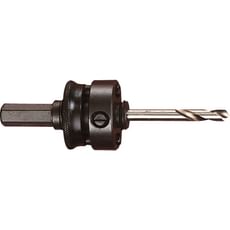
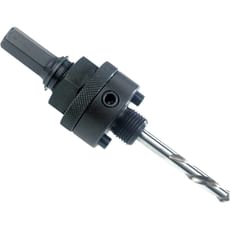
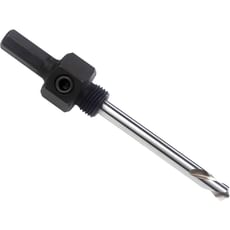
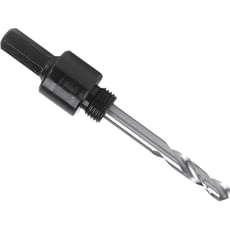
- Arbor: The mandrel or shaft assembly that connects a hole saw to your drill's chuck, featuring a threaded end to secure the saw and a central pilot drill that centres the cut and prevents wandering during operation.
- Quick Change (QC) System: An arbor design incorporating a spring-loaded mechanism that allows rapid attachment and removal of hole saws without threading, significantly reducing tool change time on site—particularly valuable for electricians and plumbers switching between multiple hole sizes throughout the day.
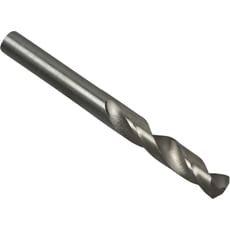
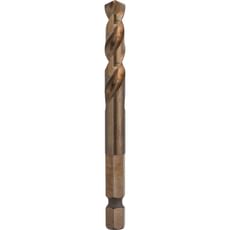
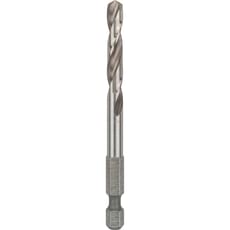
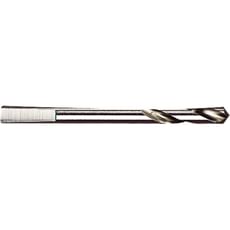
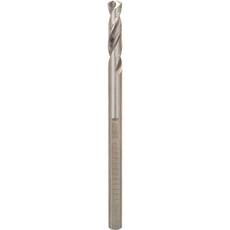
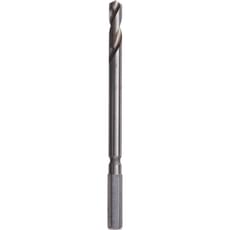
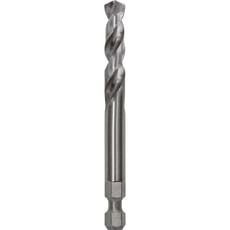
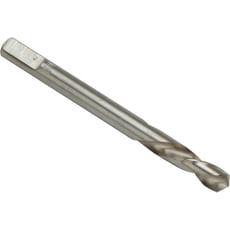
- Pilot Drill: The central HSS drill bit that protrudes through the centre of the hole saw, creating an initial guide hole that keeps the saw on target, prevents skating across the workpiece surface, and provides chip clearance during cutting operations.
- Shank Size: The diameter of the arbor shaft that fits into your drill chuck, commonly 6.4mm (1/4"), 8.5mm, or 11mm (7/16"). Must match your drill chuck's maximum capacity for secure gripping and to prevent slippage under load.
- Thread Type: The standardised thread pattern on the arbor that matches your hole saw—different manufacturers may use varying thread specifications, so compatibility checking is essential before purchase.
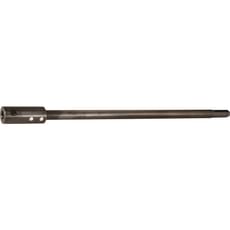
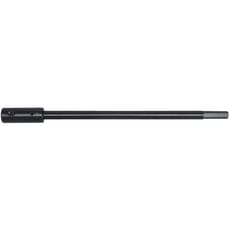
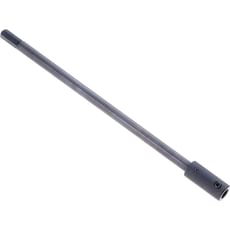
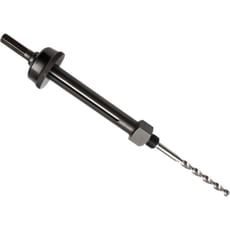
- Arbor Extension: An additional shaft that connects between the arbor and drill, adding 300-330mm of length to reach through thick walls, deep cavities, or recessed locations where a standard arbor won't reach.
Who Uses Holesaw Arbors & Pilot Drills?
These essential drilling components are relied upon daily by:
- Electricians and sparkies cutting access holes for back boxes, downlighters, cable entry points, and consumer units throughout residential and commercial installations
- Plumbers and heating engineers drilling pipe penetrations through walls, floors, and joists for water supply, waste pipework, and central heating systems
- Carpenters and chippies creating holes for door furniture, lock cylinders, plumbing services, and electrical installations in timber frame construction
- Kitchen and bathroom fitters cutting openings for mixer taps, waste outlets, extractor ducting, and appliance connections in worktops and cabinets
- HVAC installers drilling ventilation and extraction holes through various building materials for air conditioning and mechanical ventilation systems
- Builders and general contractors requiring versatile hole-cutting capability across multiple trades on site
- Maintenance teams in facilities management carrying out installations, repairs, and retrofit work in commercial and industrial settings
- Keen DIY enthusiasts tackling home improvement projects requiring professional-quality hole cutting for kitchen and bathroom installations
How to Choose the Right Holesaw Arbors & Pilot Drills
Match Shank to Your Drill Chuck: Check your drill's maximum chuck capacity before purchasing—compact 12V and some 18V drills may only accept 6.4mm shanks, whilst professional-grade 18V and corded models typically accommodate 11mm shanks. Larger diameter shanks provide superior grip and reduced slippage under load, particularly when cutting larger diameter holes or working with dense materials.
Consider Hole Saw Diameter Range: Arbors are engineered for specific hole saw size ranges, with different thread specifications and structural reinforcement depending on diameter. Smaller arbors suit 14-30mm saws for electrical back boxes and pipework, whilst larger diameters from 32-210mm require heavy-duty arbors with reinforced construction. Match your arbor to the hole saw sizes you use most frequently in your trade.
Quick Change vs Standard Threading: Quick-change systems dramatically speed up tool swaps by eliminating the need to thread hole saws on and off the arbor—reducing change time from minutes to seconds. This proves particularly valuable for electricians and plumbers who regularly switch between multiple sizes throughout the day. Standard threaded arbors cost less initially and work perfectly well if you're not frequently changing saws on site, making them ideal for occasional users and specific one-off applications.
Extension Requirements: If you regularly drill through thick cavity walls, floor joists, or work in confined spaces behind fitted units, invest in arbor extensions. Bahco offers 300mm and 330mm extensions that significantly increase your reach without compromising stability, allowing you to complete installations that would otherwise prove impossible with standard arbor length.
Pilot Drill Quality: HSS pilot drills maintain sharpness considerably longer than carbon steel alternatives, particularly when drilling metal, dense hardwoods, or abrasive composite materials. Look for split-point designs that prevent walking when starting the cut and bite quickly into material surfaces. Keep spare replacement pilots in your toolkit—a worn pilot compromises cutting accuracy, increases drill effort, and significantly raises kick-back risk.
Brand Compatibility: Whilst many arbors follow standard thread patterns allowing cross-brand compatibility, some manufacturers use proprietary designs. Bosch Professional's Power Change Plus system, for example, works specifically with their compatible hole saw range and offers optimised performance with their tools. Always check compatibility specifications before purchasing, particularly when mixing brands within your toolkit.
Popular Accessories
- Hole Saw Sets: Complete kits containing multiple diameter saws, compatible arbor, and pilot drill for comprehensive cutting capability across common hole sizes
- Replacement Pilot Drills: Spare HSS drill bits to maintain cutting accuracy as originals wear—essential for maintaining professional results in demanding materials
- Arbor Extensions: 300mm and 330mm extensions from Bahco for deep cavity work and recessed drilling applications where standard arbors lack sufficient reach
- Hole Saw Storage Cases: Organised storage solutions keeping arbors, extensions, and multiple hole saws together, protected, and easily transportable between jobs
- Cutting Lubricant: Specialist cutting fluids and waxes that extend blade life, reduce heat generation, and improve cutting performance when drilling metal and stainless steel
- Centre Punches: For accurately marking pilot drill starting points on hard materials, preventing skating and ensuring precise hole placement
- Chuck Keys: Spare keys for keyed chuck models to ensure secure arbor gripping and prevent loss on site
Safety Information
Always ensure arbors are fully tightened in the drill chuck before operation—loose arbors can slip during cutting, causing dangerous kick-back and potential injury to the operator or nearby workers. Verify the pilot drill is securely fixed within the arbor assembly, as a loose pilot compromises hole saw stability and dramatically increases binding risk, particularly when breaking through the opposite side of the workpiece.
When using arbor extensions, reduce drill speed to compensate for increased length and potential vibration or whip. Never exceed the recommended maximum speed for your hole saw diameter, as indicated on the saw body or arbor packaging—excessive speed generates dangerous heat and increases tooth breakage risk. HSE guidance recommends wearing appropriate PPE including safety glasses or face shields, as hole saw cutting generates metal swarf, wood chips, and plastic fragments that can cause serious eye injuries.
Allow the pilot drill to penetrate fully and establish the cut before applying significant pressure to the hole saw teeth—forcing the saw before the pilot has centred the cut increases binding likelihood and kick-back severity. When drilling metal, secure workpieces firmly in a vice or with clamps, and be prepared for the saw to grab suddenly as it breaks through the opposite side. Maintain a firm two-handed grip on the drill and adopt a stable stance to control the tool if binding occurs.
Frequently Asked Questions
Can I use any arbor with any hole saw?
Not always—whilst many manufacturers follow standard thread patterns allowing cross-compatibility, some use proprietary designs. Always verify the arbor thread specification matches your hole saw range before purchasing. Bosch Professional's Power Change Plus system, for example, only works with their compatible hole saws and won't fit standard threaded designs. The arbor shank size must also suit your drill chuck capacity, with 6.4mm, 8.5mm, and 11mm being the most common sizes for different drill types.
How do I know when to replace my pilot drill?
Replace your pilot drill when you notice increased wandering at the start of cuts, excessive heat generation during drilling, difficulty penetrating material surfaces, or if the point becomes visibly rounded, chipped, or damaged. A sharp HSS pilot drill should bite into material quickly without skating across the surface or requiring excessive pressure. Many professional tradespeople keep spare pilots from Bahco or Bosch in their toolkit to swap out immediately when performance drops, maintaining cutting accuracy throughout the working day.
What's the advantage of quick-change arbors?
Quick-change (QC) systems eliminate the need to thread hole saws on and off the arbor manually, reducing tool change time from several minutes to just seconds. This proves particularly valuable for electricians installing multiple downlighters or plumbers cutting various pipe penetrations who regularly switch between multiple hole sizes throughout the day. Whilst QC arbors cost more initially than standard threaded designs, they significantly improve productivity on multi-hole installations and reduce the frustration of dealing with jammed threads on site.
Why does my hole saw keep binding and stalling?
Binding typically occurs when the pilot drill hasn't fully penetrated and established the cut before the saw teeth engage material, when drill speed is too slow for the material type, when a worn or damaged pilot allows the saw to wander off-centre, or when the saw body becomes packed with swarf. Ensure your pilot drill is sharp, allow it to establish the cut fully before applying pressure, use appropriate speeds for your material (slower for metal, faster for wood), and periodically withdraw the saw to clear chips from the kerf and teeth.
Do I need different arbors for wood and metal cutting?
The same arbor can be used with both wood-cutting and metal-cutting hole saws, provided the thread type and diameter range match. However, the hole saws themselves differ significantly—wood saws feature aggressive tooth geometry for fast cutting with large gullets for chip clearance, whilst metal-cutting saws have finer teeth with different rake angles and bi-metal construction. Always match your hole saw type to the material you're cutting for optimal performance and safety, but a single quality arbor will serve both applications provided it's compatible with your saw range.