

Holesaws & Arbors
Pay in 3 interest-free payments on purchases from £30-2000 with  . Learn more.
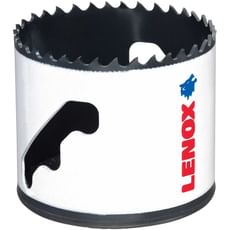
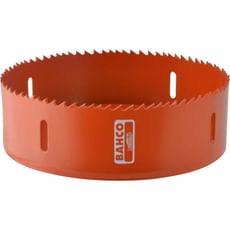
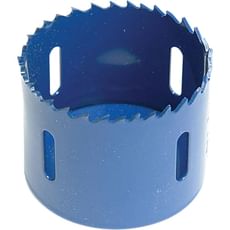
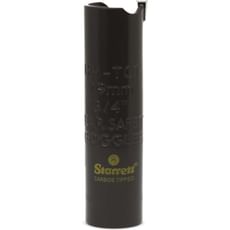

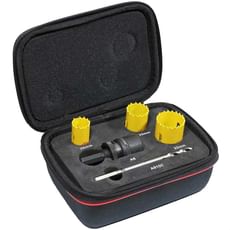
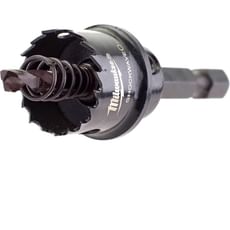
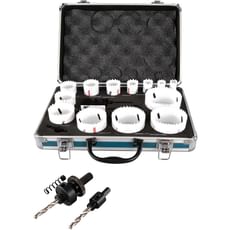
 Loading...
End of content
Error - No more pages to load
About Holesaws & Arbors
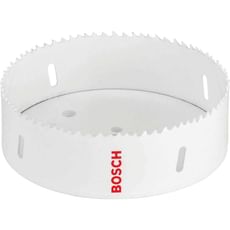
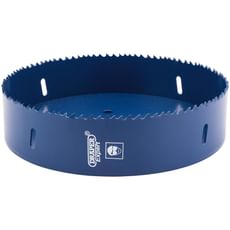
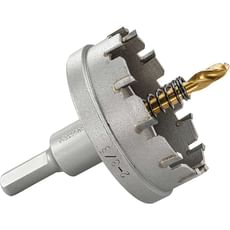
Holesaws and arbors are indispensable power tool accessories for cutting clean, precise circular holes in virtually any material encountered on site or in the workshop. From timber joists and steel studs to ceramic tiles and masonry, these versatile cutting tools provide tradespeople and DIY enthusiasts with a faster, more accurate alternative to drilling multiple small holes or attempting circular cuts with jigsaws. The holesaw itself is a cylindrical cutting tool with hardened teeth around its edge, whilst the arbor (also known as a mandrel) serves as the connecting shank that attaches the holesaw to your drill or impact driver, incorporating a pilot drill bit to centre and guide each cut.
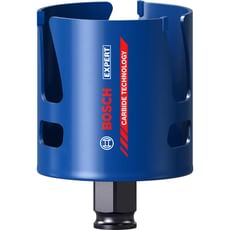
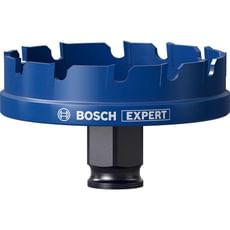
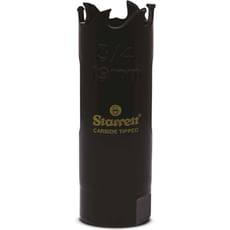
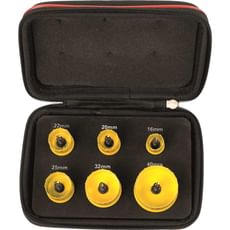
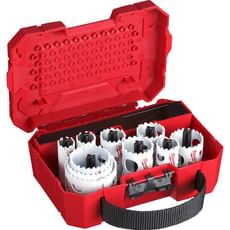
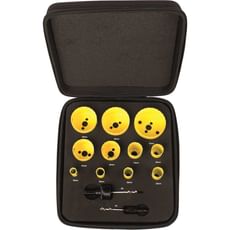
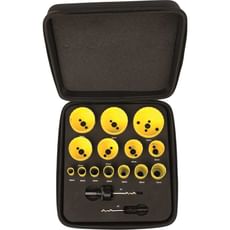
Tooled-Up.com stocks an extensive selection covering every aspect of holesaw applications: individual holesaws in diameters ranging from 14mm to over 210mm, compatible arbors and pilot drills in various thread sizes and shank configurations, comprehensive holesaw sets that bundle multiple cutting diameters with storage cases, and practical accessories including holesaw plugs for slug removal and extension arbors for cutting through thicker materials. The range encompasses different cutting technologies tailored to specific materials—bi-metal holesaws for general-purpose wood and metal work, tungsten carbide tipped (TCT) variants for abrasive materials like chipboard and fibreglass, diamond-coated holesaws for tiles and porcelain, and dedicated masonry holesaws for brick and concrete.
Understanding which holesaw and arbor combination suits your specific application is fundamental to achieving professional results whilst maximising tool lifespan. Leading manufacturers such as Milwaukee, DeWalt, Bosch, Makita, and Starrett engineer their ranges with advanced tooth geometries, superior materials, and innovative quick-change systems that deliver cleaner cuts, reduced vibration, and improved productivity for electrical installation, plumbing, carpentry, and general construction work.
Jargon Buster
- Arbor (Mandrel): The shank assembly that connects the holesaw to your drill, incorporating a pilot drill bit. Available in different thread sizes (typically 1/2"-20 UNF or M14 metric) and hex shank sizes (7/16" or 11mm) to match various holesaws and power tools.
- Pilot Drill Bit: The central drill bit protruding from the arbor that creates a guide hole and stabilises the holesaw during cutting, preventing wandering and ensuring accurate hole placement.
- Bi-Metal Construction: Holesaws manufactured from two metals—typically a high-speed steel (HSS) cutting edge welded to a spring steel body. This combination provides cutting hardness whilst resisting tooth breakage, making them suitable for both timber and metal applications.
- Variable Pitch Teeth: Holesaw teeth with alternating sizes that reduce vibration, improve cutting speed, and produce smoother holes, particularly effective when cutting metal.
- Slug Removal: The process of extracting the circular cut-out (slug) from inside the holesaw after cutting. Many holesaws feature ejection slots or springs to facilitate this, whilst separate holesaw plug tools are available as accessories.
- Depth of Cut: The maximum material thickness that can be cut in one pass, determined by the holesaw cup depth. Standard holesaws typically offer 38-42mm depth, whilst deep-cut versions extend to 60mm or more.
Who Uses Holesaws & Arbors?
- Electricians and Sparkies: Cutting holes through joists, studwork, and panels for cable runs, back boxes, downlighters, and electrical accessories
- Plumbers and Heating Engineers: Drilling through floors, walls, and units for pipework, waste pipes, radiator pipes, and service penetrations
- Carpenters and Chippies: Creating openings for locks, door furniture, ducting, extractor fans, and decorative features in timber
- Kitchen and Bathroom Fitters: Cutting holes in worktops for taps and sinks, tiling applications, and service access points
- HVAC and Ventilation Installers: Drilling holes for ducting, vents, and extraction systems through various building materials
- Shop Fitters and Joiners: Installing display lighting, cable management systems, and fixtures requiring precise circular apertures
- Maintenance Engineers: General facilities maintenance and repair work requiring hole cutting across diverse materials
- DIY Enthusiasts and Home Improvers: Installing door locks, light fittings, waste pipes, and undertaking general home renovation projects
How to Choose the Right Holesaws & Arbors
Material Compatibility: Select the appropriate holesaw technology for your application. Bi-metal holesaws suit timber, plastic, and thin metals. TCT holesaws handle abrasive materials like MDF, chipboard, fibreglass, and non-reinforced masonry. Diamond holesaws are essential for ceramic tiles and porcelain, whilst dedicated masonry holesaws with carbide grit tackle brick and concrete effectively.
Diameter Requirements: Consider the range of hole sizes you regularly need. Individual holesaws typically range from 14mm to 210mm diameter. If multiple sizes are required, holesaw sets offer better value and include arbors and pilot drills. Common sets feature sizes for electrical work (downlighter holes), plumbing (standard pipe diameters), or general trade use.
Arbor Compatibility: Ensure your arbors match both your holesaws (thread size) and power tool (shank size). Standard arbors fit holesaws up to approximately 32mm, whilst larger holesaws require heavy-duty arbors. Some manufacturers use proprietary quick-change systems like Milwaukee's SHOCKWAVE or Starrett's Fast Cut, which accelerate holesaw changes on site.
Depth of Cut: Standard holesaws typically cut to 38-42mm depth, adequate for most applications. When cutting through thicker materials like multiple stud walls or deep worktops, look for deep-cut holesaws (60mm+) or extension arbors that add length to your setup.
Power Tool Compatibility: Most holesaws are designed for standard drills, but if you work primarily with impact drivers, choose impact-rated holesaws and arbors that can withstand additional forces. The Tooled-Up range includes dedicated impact-rated options from brands like Milwaukee and DeWalt.
Build Quality and Brand: Professional-grade holesaws from established manufacturers like Bosch, Makita, Starrett, and Milwaukee use superior materials, precision manufacturing, and advanced tooth geometries that deliver cleaner cuts and significantly longer service life compared to budget alternatives—crucial for tradespeople who rely on their tools daily.
Popular Accessories
- Holesaw Plugs and Ejectors: Spring-loaded tools that push cut slugs out of holesaws, saving time and preventing finger injuries
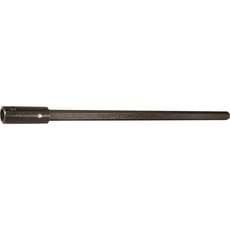
- Extension Arbors: Add length to reach through deeper materials or when working in confined spaces
- Replacement Pilot Drill Bits: High-speed steel or carbide-tipped replacement bits in various lengths for worn or damaged pilots
- Holesaw Storage Cases: Organised cases that protect holesaws and keep complete sets together on site or in the workshop
- Cutting Lubricants and Waxes: Specialist lubricants that reduce friction, heat, and wear when cutting metal, extending holesaw life
- Centring Guides and Jigs: Accessories that ensure accurate hole placement, particularly useful for repetitive work or difficult angles
- Quick-Change Arbor Systems: Proprietary systems from brands like Milwaukee and Starrett that enable rapid holesaw changes without tools
- Diamond Core Drill Bits: For applications requiring holes in concrete, masonry, or stone beyond standard holesaw capability
Safety Information
Kickback Hazards: Holesaws can jam suddenly, especially when cutting metal or when teeth become blunted, causing the drill to twist violently. This kickback can cause serious wrist, arm, or hand injuries. Always use a drill with a slip clutch or electronic kickback protection feature, and maintain a firm grip with both hands using the auxiliary handle at all times.
Personal Protective Equipment: Always wear safety glasses or goggles to protect against flying debris and metal swarf. When cutting materials that produce fine dust (MDF, fibreglass, masonry), use appropriate respiratory protection conforming to HSE guidelines. Heavy-duty work gloves protect hands when handling holesaws and sharp cut slugs, but never wear gloves whilst operating power tools.
Secure Workpieces: Never hold work by hand when using holesaws. Always clamp or securely fix materials before cutting to prevent movement that could cause the holesaw to jam or the workpiece to spin dangerously.
Electrical Safety: When drilling through walls or floors, use a cable and pipe detector to locate hidden electrical cables, water pipes, and gas lines before cutting. This is essential for preventing potentially fatal electric shocks or dangerous gas leaks. Always ensure your power tools are properly maintained and PAT tested in accordance with UK regulations.
Heat and Sharp Edges: Holesaws generate significant heat during use, particularly when cutting metal. Allow holesaws to cool before touching or changing them. The cut edges of holes, especially in metal, are extremely sharp and can cause serious lacerations. Deburr holes and handle cut material with appropriate care.
Correct Speed Settings: Use appropriate drill speeds for the material being cut. Metal requires slower speeds than timber to prevent overheating and premature tooth wear. Excessive speed can cause holesaws to overheat, lose temper, and fail catastrophically.
Frequently Asked Questions
What's the difference between an arbor and a mandrel?
These terms are used interchangeably in the UK trade—both refer to the shank assembly that connects the holesaw to your drill. The arbor/mandrel includes the pilot drill bit and threaded section that screws into the holesaw, plus the hex shank that fits into your drill chuck or quick-change holder.
Can I use the same holesaw for timber and metal?
Bi-metal holesaws are designed to cut both materials, but they'll wear faster when used on metal. For primarily metal work, choose holesaws with variable pitch teeth optimised for metal cutting. Use appropriate cutting speeds—slower for metal, faster for timber—and apply cutting lubricant when working with metals to extend holesaw life.
Why does my holesaw keep jamming or binding?
Jamming typically occurs due to blunt teeth, incorrect speed, insufficient pressure, or lack of lubrication when cutting metal. The pilot drill bit may also be worn, causing the holesaw to wander and bind. Ensure your pilot bit is sharp, use appropriate cutting speeds, maintain steady pressure, and clear swarf regularly. When cutting deep holes, withdraw the holesaw periodically to clear waste material.
How do I remove the cut slug from inside the holesaw?
Cut slugs can jam tightly inside holesaws. Many modern holesaws feature slots or ejection springs to help release slugs. Alternatively, use a dedicated holesaw plug tool (a spring-loaded accessory specifically designed for slug removal) or carefully lever out the slug with a flat-blade screwdriver. Never use your fingers as the edges are extremely sharp.
What size arbor do I need for my holesaws?
Standard arbors typically fit holesaws from 14mm to 30-32mm diameter. Larger holesaws (32mm+) require heavy-duty arbors with larger thread sizes and more robust construction. Check the thread specification of your holesaws—common sizes include 1/2"-20 UNF and M14 metric threads. Browse the selection at Tooled-Up.com for universal arbor sets that cover multiple size ranges and thread types.