
Holesaw Accessories & Plugs

Pay in 3 interest-free payments on purchases from £20-£3000 with  . Learn more.
Loading...
End of content
Error - No more pages to load
About Holesaw Accessories & Plugs
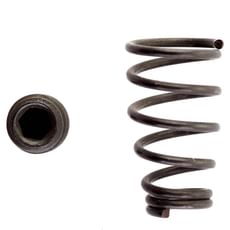
Holesaw accessories and plugs are the essential supporting components that keep hole cutting equipment performing at peak efficiency throughout demanding workdays. Whilst the holesaw itself does the cutting, it's these often-overlooked accessories—ejection springs, grub screws, dust collection bowls, and plug caps—that determine whether a job runs smoothly or grinds to a frustrating halt on site. Professional tradespeople know that maintaining a supply of quality replacement parts prevents costly downtime and extends the working life of expensive cutting systems.
The range available at Tooled-Up.com includes genuine replacement components from leading manufacturers including Bosch Professional, Milwaukee Shockwave, Rotabroach, Starrett, and Armeg. These accessories are precision-engineered to meet the demands of daily professional use, whether you're working with sheet metal holesaws that require rapid plug ejection, standard bi-metal cutters for general trade work, or specialised solid board cutters for electrical installations. Ejection springs ensure quick and safe removal of cut plugs, whilst grub screws keep holesaws securely fastened to arbors during operation. Dust collection systems minimise mess and improve visibility, particularly important when working in occupied premises or clean environments.
Investing in quality accessories is far more economical than repeatedly replacing entire holesaw systems due to worn or missing components. A simple M6 grub screw or replacement ejection spring costs pennies compared to a complete holesaw, yet these small parts are critical to safe and efficient operation. Specialist items like the Armeg solid board plug caps provide the finishing touch for electrical installations, whilst dust collectors such as the Starrett DB2 help tradespeople comply with HSE dust exposure guidelines whilst maintaining professional standards on site.
Jargon Buster
- Ejection Spring
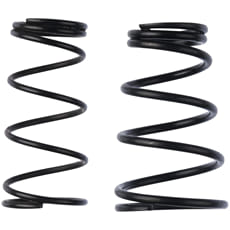
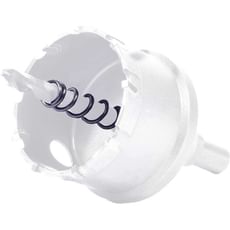
- A metal spring fitted inside the holesaw cup that automatically pushes out the cut material (plug) after drilling is complete. This prevents jamming and allows continuous work without manually removing each plug, significantly improving productivity on jobs requiring multiple holes.
- Grub Screw
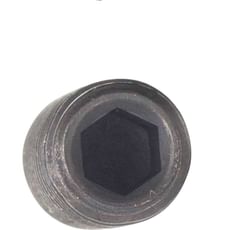
- A small headless screw, typically with an M6 thread, that secures the holesaw firmly to the arbor (mandrel). Proper tightening of the grub screw is essential for safety, preventing the cutting tool from loosening or detaching during operation under load.
- Arbor (Mandrel)
- The drill bit shaft component that connects the holesaw cup to your power drill or magnetic drill base. The grub screw locks the holesaw onto the arbor, whilst the pilot drill bit at the centre ensures accurate hole starting and location.
- Dust Collection Bowl
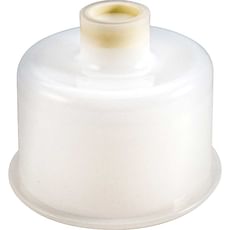
- An attachment that fits to the front face of a holesaw to capture dust, swarf, and debris during cutting operations. Essential for cleaner working in occupied premises and helps meet COSHH requirements for controlling dust exposure, particularly when cutting wood or masonry.
- Plug
- The circular disc of material removed from the workpiece after drilling with a holesaw. Efficient ejection systems prevent these plugs from jamming inside the saw cup, which would otherwise require stopping work to manually clear the obstruction.
- Power Change Plus
- Bosch's quick-change system for sheet metal holesaws that enables rapid tool changes without requiring additional tools or lengthy setup. Particularly valuable for sheet metal workers and electricians who need to drill multiple hole sizes throughout a typical working day.
Who Uses Holesaw Accessories & Plugs?
Holesaw accessories are essential for a wide range of trades and professionals, including:
- Electricians and sparkies – drilling cable entry holes through joists, walls, and consumer units, with solid board plug caps providing neat finishes for electrical boxes
- Plumbers and heating engineers – creating pipe penetrations in floors, walls, and cupboards for water supply, waste, and central heating installations
- Carpenters and chippies – installing door furniture, cable management systems, and ventilation grilles requiring precise hole cutting
- Shopfitters and joiners – precision hole cutting for fixtures, recessed lighting, and bespoke display systems in retail environments
- HVAC installers – ventilation and ducting penetrations through various building materials whilst maintaining dust control
- Kitchen and bathroom fitters – tap holes, waste pipe penetrations, and appliance installations requiring clean, accurate holes
- Maintenance engineers – keeping equipment running with replacement parts for hole cutting tools across industrial and commercial facilities
- Metalworkers and fabricators – sheet metal cutting requiring rapid plug ejection and frequent tool changes
- DIY enthusiasts – home improvement projects where professional-quality results matter and proper equipment maintenance extends tool life
How to Choose the Right Holesaw Accessories & Plugs
Brand Compatibility: Always match accessories to your specific holesaw manufacturer and model. Bosch Professional ejection springs are designed specifically for Bosch systems, Milwaukee Shockwave components for Milwaukee tools, and Rotabroach parts for Rotabroach holesaws. Whilst many grub screws use standard M6 threads, length and point style vary between brands, so using the correct manufacturer's component ensures proper fit and safe operation.
Application Requirements: Different accessories suit different cutting applications. Sheet metal holesaws often require specialised ejection springs like the Bosch Pro springs designed for Power Change Plus systems, whilst standard bi-metal holesaws use different spring configurations. Consider whether you're cutting wood, metal, plastic, or masonry, as this affects which accessories will perform best and last longest in your specific working environment.
Frequency of Use: Professional tradespeople working daily with holesaws should keep spare ejection springs and grub screws in their toolkit or van stock. These components are small and easily lost on site, yet their absence brings work to a complete standstill. Having spares prevents frustrating delays and maintains productivity, particularly on time-critical installations or when working at remote sites where obtaining replacements would be difficult.
Dust Management Needs: If you regularly work in occupied premises, clean environments, or situations where dust control is critical, investing in a dust collection bowl like the Starrett DB2 significantly reduces mess and improves client satisfaction. These accessories also help comply with HSE guidance on dust exposure, particularly important when cutting materials that generate fine particles requiring COSHH assessment and control.
Quality Standards: Choose accessories from reputable manufacturers that meet British and European standards. Tooled-Up stocks genuine components from established brands rather than cheap alternatives that may not fit properly or could fail under professional use. Poor-quality grub screws can strip or shear, whilst inadequate ejection springs lose tension quickly, both creating potential safety hazards and reducing productivity.
Popular Accessories
Complement your holesaw accessories with these related products available from Tooled-Up:
- Holesaw sets – complete kits with multiple sizes for versatile applications across different trades
- Arbors and mandrels – various shank sizes including 240v drill chucks, SDS Plus, and hex shanks
- Pilot drill bits – replacement centre drills for accurate hole starting and location
- Cutting lubricants and pastes – extend tool life when cutting metal, stainless steel, and cast iron
- Magnetic drill stands – for precise vertical and horizontal hole cutting in structural steelwork
- Vacuum attachments – professional dust extraction systems for cleaner working and HSE compliance
- Tool storage cases – organised storage from Milwaukee PACKOUT, DeWalt TSTAK, or Makita MakPac systems
- Safety goggles and face shields – essential PPE for hole cutting operations generating flying debris
- Hearing protection – ear defenders or plugs for extended drilling operations
- Work gloves – handling cut metal plugs and sharp-edged holesaws safely
Safety Information
Proper Installation: Always ensure grub screws are tightened securely using the correct Allen key or hex driver before commencing work. A loose holesaw can detach during operation at high speed, causing serious injury to the operator or nearby workers. Check ejection springs are correctly seated within the holesaw cup to prevent unexpected plug ejection, and verify that dust collection bowls are firmly attached before starting your drill.
Personal Protective Equipment: Wear appropriate eye protection—safety glasses or goggles—to guard against flying debris, metal swarf, and wood chips. Dust masks or respirators may be required when cutting materials that generate fine particles, in accordance with COSHH regulations and HSE guidance. Consider hearing protection for extended drilling operations, particularly when using powerful 240v drills or magnetic drill stands that generate sustained noise levels.
Power Tool Safety: Ensure your drill or power tool is suitable for the holesaw size being used—larger diameter cutters require lower speeds and higher torque than smaller sizes. Follow HSE guidance on portable power tool use, including maintaining proper grip, stable positioning, and awareness of hidden cables or pipes behind walls. Always disconnect power tools from 240v mains supply or remove batteries before changing holesaws or fitting accessories.
Component Inspection: Regularly inspect ejection springs for fatigue, deformation, or loss of tension. Replace worn components immediately to maintain safe operation and prevent tool failure during use. Check grub screws for wear, damage, or stripped threads—a damaged grub screw cannot secure the holesaw properly and must be replaced before further use. Damaged components represent false economy and genuine safety hazards.
Frequently Asked Questions
How often should I replace my holesaw ejection spring?
Replace ejection springs when you notice reduced plug ejection force, visible deformation, or loss of spring tension. Professional tradespeople using holesaws daily may need replacement every few months depending on workload and materials being cut, whilst occasional users might get years of service from a single spring. Heat buildup from prolonged cutting accelerates spring fatigue, so keeping spares on hand prevents site delays. The small cost of replacement springs is negligible compared to lost productivity from manual plug removal.
Are grub screws universal across different holesaw brands?
No, whilst many manufacturers use standard M6 thread grub screws, the length, point style (cup point, cone point, or flat point), and hardness specifications vary between brands. Always use the correct grub screw specified for your holesaw manufacturer—Bosch Professional, Milwaukee, Rotabroach, and Starrett each have specific requirements. Using incorrect grub screws can result in inadequate clamping force, arbor damage, or holesaw detachment during operation. When ordering replacements, note your holesaw brand to ensure compatibility.
What causes ejection springs to fail prematurely?
Excessive heat from prolonged cutting without breaks is the primary cause of premature spring failure, as sustained high temperatures cause metal fatigue and loss of spring tension. Using incorrect drill speeds—particularly running too fast for the material being cut—generates unnecessary heat. Cutting particularly hard materials like stainless steel without proper lubrication also increases heat buildup. Proper cutting technique with appropriate feed pressure, correct speed settings, and allowing tools to cool between cuts extends spring life significantly.
Can I use a holesaw without the ejection spring?
Whilst technically possible to operate a holesaw without its ejection spring, it's strongly not recommended. You'll need to manually remove each plug, which is time-consuming, potentially dangerous when handling sharp-edged metal discs, and significantly reduces productivity. On jobs requiring multiple holes, the cumulative time lost becomes substantial. The small cost of a replacement ejection spring—typically just a few pounds—is worthwhile for the efficiency, safety, and professional working standards it maintains.
Do dust collection bowls work with all holesaw sizes?
Most adjustable dust collection systems like the Starrett DB2 accommodate a range of common holesaw diameters, typically from around 32mm to 150mm or larger depending on the specific model. Check the manufacturer's specifications to ensure compatibility with your most frequently used sizes before purchasing. Some dust collectors use interchangeable adaptor rings to fit different holesaw diameters, whilst others feature adjustable designs. For specialist applications requiring very large or very small holesaws, verify compatibility with the supplier before ordering.