

Hollow Wall Anchors

Pay in 3 interest-free payments on purchases from £20-£3000 with  . Learn more.
 Loading...
End of content
Error - No more pages to load
About Hollow Wall Anchors
Hollow wall anchors are specialist fixings engineered to provide secure, load-bearing mounting points in plasterboard, cavity walls, and drywall constructions where conventional plugs and screws lack sufficient grip. These ingenious devices work by expanding, toggling, or anchoring behind the wall surface to distribute loads across a much wider area than the fixing point itself. This mechanism enables tradespeople and DIY enthusiasts alike to safely mount everything from lightweight picture frames to heavy kitchen cabinets, flat-screen televisions, and bathroom fixtures in modern hollow wall constructions.
The selection at Tooled-Up.com encompasses several anchor types, each designed for specific applications and load requirements. Spring toggles feature metal wings that open behind the plasterboard for maximum load distribution, whilst metal cavity fixings offer professional-grade holding power for commercial installations. Plasterboard anchors with self-drilling points provide quick installation for lighter duties, and heavy-duty super toggles deliver exceptional strength for demanding applications. Leading brands including Rawlplug, Plasplugs, Blue Spot, and Edma manufacture these products to exacting standards, with many suitable for both hand-tool installation and use with dedicated setting tools for consistent professional results.
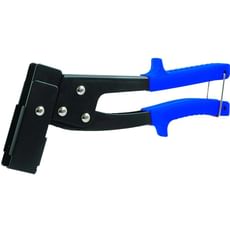
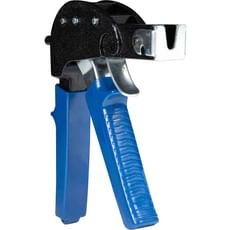
Modern hollow wall anchor technology has advanced considerably, with innovations including self-drilling tips that eliminate pre-drilling, easy-grip heads for single-handed installation, and controlled expansion mechanisms that prevent plasterboard damage. Specialist setting tools such as the Rawlplug AT-88 Interset and Edma Ultra Fix enable precise installation of metal cavity fixings, ensuring optimal expansion and holding power—particularly valuable on commercial projects where installation speed and reliability are paramount. Understanding wall thickness ranges, load capacities, and installation methods is essential for selecting the appropriate anchor for your specific application.
Jargon Buster
- Spring Toggle
- A heavy-duty hollow wall anchor featuring spring-loaded metal wings that fold flat for insertion through a pre-drilled hole, then spring open behind the plasterboard to distribute loads across a large area. Typically supports 20-30kg per fixing, making them ideal for kitchen cabinets and television brackets.
- Metal Cavity Fixing
- Professional-grade anchors designed for commercial installations, often requiring dedicated setting tools for proper installation. These fixings expand behind the wall using a mechanical process, creating extremely secure anchorage points suitable for high-load applications in office fit-outs and retail environments.
- Setting Tool
- A specialised hand tool used to install metal cavity fixings and certain heavy-duty anchors. The tool controls the expansion mechanism, ensuring consistent holding power across multiple installations—essential for professional tradespeople working on projects requiring numerous identical fixings.
- Load Capacity
- The maximum weight an anchor can safely support when correctly installed in the specified wall construction, typically measured in kilograms. Professional installers should add a 50% safety margin when calculating requirements, and always distribute weight across multiple fixing points.
- Wall Thickness Range
- The minimum and maximum hollow wall depth that a particular anchor can accommodate, usually specified in millimetres. Standard UK plasterboard is typically 9.5mm or 12.5mm thick, but the total cavity depth must also be considered, particularly for spring toggles requiring clearance for wing expansion.
- Plasterboard Anchor
- Fixings specifically engineered for drywall and plasterboard applications, often featuring self-drilling points, fine threads, and controlled expansion to prevent crumbling of friable materials. Generally suitable for light to medium loads such as shelving, mirrors, and picture frames.
Who Uses Hollow Wall Anchors?
- Joiners and Carpenters: Essential for second-fixing work including architrave mounting, skirting brackets, cabinet installation to stud walls, and door furniture in modern timber-frame constructions
- Electricians and Sparkies: Mounting consumer units, back boxes, cable management systems, and light fixtures to plasterboard walls in residential and commercial properties
- Kitchen and Bathroom Fitters: Securing wall-hung cabinets, vanity units, towel rails, and storage solutions where load-bearing capacity is critical for safety and longevity
- Shopfitters and Retail Installers: Installing display units, shelving systems, signage, and point-of-sale fixtures in commercial premises with cavity wall construction
- Office Fit-Out Contractors: Mounting partition systems, whiteboards, storage units, and IT equipment in modern office buildings with plasterboard stud walls
- Maintenance Engineers: Facilities managers and property maintenance teams conducting repairs, upgrades, and installations in schools, hospitals, offices, and residential developments
- DIY Enthusiasts: Homeowners mounting televisions, mirrors, shelving units, picture frames, and decorative elements in properties with hollow wall construction
- Interior Designers and Decorators: Installing artwork, lighting fixtures, curtain poles, and decorative features in residential and commercial spaces
How to Choose the Right Hollow Wall Anchors
Assess Load Requirements: Calculate the total weight you need to support, including contents and safety margins. Light-duty plasterboard anchors suit pictures and small shelves (up to 10kg), medium-duty fixings handle bathroom accessories and moderate shelving (10-20kg), whilst heavy-duty spring toggles are essential for kitchen cabinets, large televisions, and bathroom vanities (20kg+). Always check manufacturer specifications and add a 50% safety margin to your calculations.
Measure Wall Construction: Use a drill bit, probe, or stud detector to determine plasterboard thickness and cavity depth. Standard UK plasterboard is 9.5mm or 12.5mm thick, but some walls feature double-skin construction or insulation. Each anchor type specifies minimum and maximum wall thickness ranges—selecting outside these parameters compromises holding power and safety.
Consider Installation Method: Basic plasterboard anchors require only a screwdriver and small drill for pilot holes, making them ideal for occasional use and DIY applications. Professional-grade metal cavity fixings need dedicated setting tools like the Rawlplug AT-88 Interset or Edma Ultra Fix, which ensure consistent installation quality and optimal holding power across multiple fixings on commercial projects.
Evaluate Access and Clearance: Spring toggles require adequate clearance behind the wall for wings to open fully—typically 40-50mm cavity depth. In confined spaces or walls with insulation, metal cavity fixings or expanding plasterboard anchors may prove more suitable. Consider whether you can access both sides of the wall during installation.
Account for Removability: Most hollow wall anchors are permanent installations—removing them damages the anchor or surrounding plasterboard. If you need adjustable or removable fixings for temporary installations or rental properties, select specific anchor types designed for screw removal and replacement without compromising the anchor itself.
Match to Wall Material: Whilst most anchors suit standard plasterboard, some walls incorporate different materials. Fire-resistant plasterboard, cement board, or composite panels may require specific anchor types. Tooled-Up stocks various options from trusted brands including Rawlplug, Plasplugs, and Blue Spot, each with detailed specifications for material compatibility.
Popular Accessories
- Setting Tools: Dedicated installation tools including the Rawlplug AT-88 Interset and Edma Ultra Fix for professional installation of metal cavity fixings, ensuring consistent results and reducing installation time on larger projects
- HSS Drill Bits: High-speed steel bits in appropriate sizes for creating pilot holes—typically 8mm to 12mm for most hollow wall anchors, with clear size markings for accuracy
- Stud Detectors and Cable Finders: Electronic detection tools to locate timber studs, metal framework, electrical cables, and water pipes before drilling, preventing costly damage and safety hazards
- Spirit Levels and Laser Levels: Essential for ensuring accurate alignment when installing multiple fixings for shelving units, cabinets, or mounting brackets
- Screwdriver Sets: Quality screwdrivers matching anchor head types—both Pozidriv and slotted varieties commonly required, with magnetic tips for easier handling
- Wall Plugs and Rawlplugs: Supplementary fixings for solid wall sections or timber studs encountered during installation, ensuring secure mounting across mixed wall constructions
- Measuring Tapes and Marking Tools: Accurate measurement and marking equipment for precise fixing positioning, particularly critical for symmetrical installations
Safety Information
Check for Hidden Services: Always use a cable and pipe detector before drilling into walls. Electrical cables typically run vertically from switches and sockets, whilst water pipes often follow similar paths from taps and radiators. Striking a 240v cable or water pipe can cause serious injury, fire risk, or costly water damage.
Wear Appropriate PPE: Use safety glasses or goggles when drilling overhead or into plasterboard to prevent dust and debris entering eyes. A dust mask is advisable when drilling multiple holes, particularly in older properties where plasterboard may contain harmful dust particles.
Respect Load Limits: Never exceed manufacturer-specified load capacities, and always distribute weight across multiple fixing points. A single anchor failure can cause the entire fixture to collapse, potentially causing injury or property damage. When in doubt, consult a qualified tradesperson.
Verify Wall Suitability: Not all walls can safely support heavy loads regardless of anchor type. Very thin plasterboard (less than 9.5mm), damaged walls, or areas near edges may lack sufficient strength. For critical applications like bathroom fixtures or kitchen cabinets, consider locating timber studs for direct fixing where possible.
Follow Installation Instructions: Each anchor type has specific installation requirements regarding hole size, insertion depth, and tightening torque. Over-tightening can crush plasterboard or damage the anchor mechanism, whilst under-tightening compromises holding power. Read manufacturer instructions carefully before installation.
Frequently Asked Questions
What's the maximum weight a spring toggle can support in plasterboard?
Spring toggles typically support 20-30kg per fixing when correctly installed in 12.5mm plasterboard, making them suitable for heavy-duty applications. However, actual capacity depends on plasterboard quality, wall thickness, and cavity depth. Always use multiple fixings to distribute loads—for example, a kitchen wall cabinet weighing 25kg should use at least three or four toggles. Never rely on a single anchor for heavy loads, and add a 50% safety margin to your weight calculations.
Can I install hollow wall anchors without a setting tool?
Many hollow wall anchors—including standard plasterboard fixings, basic spring toggles, and self-drilling anchors—require only a screwdriver and drill for installation. However, professional-grade metal cavity fixings specifically designed for setting tools like the Rawlplug AT-88 Interset or Edma Ultra Fix require these tools for correct installation. The setting tool ensures proper expansion behind the wall, providing optimal holding power and consistent results across multiple fixings.
How do I measure my wall thickness for anchor selection?
Drill a small pilot hole where you plan to install the fixing, then insert a piece of wire or thin rod until it touches the back of the cavity. Mark the wire at the wall surface, withdraw it, and measure from the tip to your mark—this gives you the plasterboard thickness. For spring toggles, also ensure adequate cavity depth behind the plasterboard (typically 40-50mm minimum) for wings to open fully. Most product specifications clearly state compatible wall thickness ranges.
Are hollow wall anchors reusable if I need to remove a fixture?
Most hollow wall anchors are designed for single-use installation and cannot be reused. Once the expansion mechanism activates, removing the fixing typically damages the anchor or surrounding plasterboard. Spring toggles are particularly problematic as the toggle mechanism drops into the cavity when the screw is removed. If you need removable or adjustable fixings for temporary installations, rental properties, or fixtures requiring periodic repositioning, select specific anchor types designed for screw removal and replacement.
What's the difference between metal cavity fixings and standard plasterboard anchors?
Metal cavity fixings are professional-grade anchors offering superior holding power and consistency, typically requiring dedicated setting tools for installation. They're ideal for commercial projects, high-load applications, and situations requiring multiple identical fixings. Standard plasterboard anchors are simpler devices suitable for DIY use and lighter duties, installed with basic hand tools. Metal cavity fixings generally provide higher load capacities and more reliable performance, particularly valuable for kitchen fitters, shopfitters, and office fit-out contractors working to tight deadlines and exacting standards.