

Hollow Wall Plugs

Pay in 3 interest-free payments on purchases from £20-£3000 with  . Learn more.
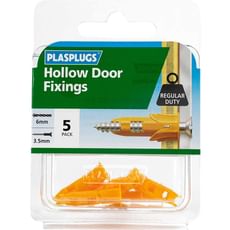
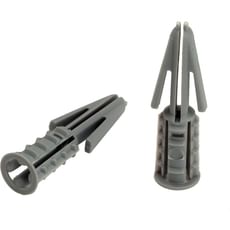
 Loading...
End of content
Error - No more pages to load
About Hollow Wall Plugs
Hollow wall plugs are specialist fixings engineered to securely mount items to plasterboard, stud walls, hollow doors, and cavity partitions where conventional wall plugs simply cannot grip. Unlike solid masonry walls where standard plugs expand into dense material, hollow constructions require fixings that spread the load behind the plasterboard surface or grip through mechanical expansion. These ingenious fasteners have become essential for modern UK properties where lightweight stud partitions and plasterboard walls have largely replaced traditional solid construction in internal spaces.
The hollow wall fixings available from Tooled-Up.com include solutions for plasterboard of varying thicknesses, hollow doors, and thin panel materials. From simple rivet-style fixings for lightweight applications to heavy-duty spring toggles capable of supporting substantial loads, these products enable secure installation of shelving, cabinets, bathroom accessories, television brackets, electrical back boxes, and countless other fixtures. Trusted brands like Plasplugs offer reliable fixings specifically designed for British building standards, ensuring professional results whether you're a tradesperson on site or tackling home improvements.
Modern hollow wall plugs employ various gripping mechanisms including expanding wings, collapsing toggles, deforming metal anchors, and self-drilling tips that eliminate pre-drilling. Understanding the load-bearing capacity and correct application method for each fixing type is crucial for safe, long-lasting installations. With plasterboard thickness typically 9.5mm or 12.5mm in UK residential properties, selecting fixings with appropriate length and expansion characteristics ensures optimal performance and prevents damage to the wall surface.
Jargon Buster
- Toggle Fixing: A hollow wall plug featuring spring-loaded wings or toggles that open behind the plasterboard once inserted, distributing load across a wider area and preventing pull-through failure.
- Cavity Wall: A wall constructed with a hollow space between layers, typically comprising plasterboard mounted on timber or metal studs—the standard method for internal partitions in modern UK construction.
- Load Rating: The maximum weight a fixing can safely support, usually specified in kilograms. This varies dramatically depending on fixing type, plasterboard thickness, and wall condition, making manufacturer guidance essential.
- Self-Drilling: Fixings designed with pointed tips that penetrate plasterboard or thin panels without requiring a pre-drilled pilot hole, considerably speeding installation on site.
- Plasterboard Thickness: The depth of plasterboard sheet, typically 9.5mm or 12.5mm in UK homes, which determines the minimum fixing length and grip required for secure installation.
- Rivet Action: A fixing mechanism where the plug body deforms or expands behind thin panels when the screw is tightened, creating a secure grip through mechanical compression—ideal for hollow doors and narrow gauge materials.
Who Uses Hollow Wall Plugs?
Hollow wall plugs are essential for numerous trades and DIY enthusiasts working with modern lightweight construction:
- Carpenters and joiners fitting kitchen units, wardrobes, and bespoke joinery to stud partition walls
- Electricians securing consumer units, back boxes, and cable management systems in cavity walls
- Plumbers mounting bathroom fixtures, radiators, and pipework supports to plasterboard partitions
- Kitchen and bathroom fitters installing wall-mounted cabinets and accessories where solid fixings aren't possible
- Shop fitters and commercial contractors fitting retail displays, signage, and shelving systems to partition walls
- Decorators hanging mirrors, picture frames, curtain rails, and artwork in properties with plasterboard construction
- Office refurbishment specialists installing partitions, storage systems, and IT equipment in commercial environments
- Property maintenance professionals undertaking repairs and installations across residential and commercial buildings
- DIY enthusiasts tackling home improvements in modern properties with stud wall construction
- Caravan and boat owners requiring specialist fixings for thin panel and fibreglass installations
How to Choose the Right Hollow Wall Plugs
Wall Type and Thickness: Accurately measure your plasterboard thickness before purchasing. Standard UK plasterboard measures 9.5mm or 12.5mm, but older properties and specialist applications may vary. Hollow door fixings require shorter plugs designed for panels as thin as 3-6mm, whilst cavity wall fixings need sufficient length to pass through the board and expand properly behind it.
Load Requirements: Calculate the total weight you're supporting, including a sensible safety margin. Picture frames and lightweight shelves require only basic fixings rated to 5-10kg, whilst wall-mounted televisions, kitchen cabinets, and bathroom fixtures demand heavy-duty toggles capable of 25-40kg per fixing point. Always consult manufacturer specifications and use multiple fixings to distribute weight safely.
Material Compatibility: Ensure your chosen fixing is designed specifically for plasterboard rather than other cavity materials. Plasplugs hollow door fixings, for example, are optimised for narrow gauge hollow doors, thin partitions, plywood, and fibreglass, whilst standard plasterboard fixings are engineered for thicker gypsum board construction.
Installation Method: Consider whether self-drilling fixings suit your application. These speed up installation considerably by eliminating pilot holes, though traditional plugs offer more precise positioning control—important when aligning multiple fixing points for shelving or cabinets.
Cavity Depth and Accessibility: Spring toggle fixings require sufficient rear access space for wings to open fully. If your cavity contains insulation, electrical cables, or pipework, alternative fixing types with compact expansion mechanisms may prove more practical and safer.
Screw Compatibility: Check what screw size the fixing accommodates. Many products specify requirements like "No. 6 screws" or provide specific diameter and thread guidance. Having compatible screws immediately available prevents delays and ensures the fixing performs to its rated capacity.
Popular Accessories
- HSS and wood drill bits in appropriate sizes for creating precise pilot holes in plasterboard
- Electronic stud detectors for locating timber or metal studs behind plasterboard, offering stronger alternative fixing points
- Spirit levels ensuring shelves, brackets, and fixtures are mounted perfectly horizontal and vertical
- Cavity wall anchors and heavy-duty metal toggles for demanding high-load applications
- Quality screwdriver sets in various sizes for installing fixings without damaging screw heads or plasterboard
- Plasterboard saws for cutting access holes when installing electrical back boxes or making repairs
- Measuring tapes and pencils for accurate marking of fixing positions
- Rawlplugs and general purpose fixings for solid wall sections adjacent to plasterboard areas
- Plasterboard repair filler for making good around damaged or relocated fixing points
Safety Information
Load Capacity Compliance: Never exceed the manufacturer's stated load rating for any hollow wall fixing. Overloading can cause sudden failure, potentially resulting in injury or property damage. Always use multiple fixings to distribute weight for heavier items.
Hidden Services: Before drilling into any wall, use a cable and pipe detector to identify hidden electrical cables, water pipes, or gas lines. Striking services can cause serious injury, flooding, or fire. When in doubt, consult a qualified electrician or plumber.
Plasterboard Condition: Inspect plasterboard carefully before installation. Damp, damaged, or crumbling board cannot support fixings safely regardless of type. Address underlying issues before mounting heavy items.
PPE Requirements: Wear appropriate eye protection when drilling to prevent plasterboard dust and debris entering eyes. Use a dust mask when creating multiple fixing holes to avoid inhaling fine particles.
Electrical Work: When fixing electrical back boxes or mounting equipment near existing installations, ensure mains power is isolated at the consumer unit. Electrical work must comply with BS 7671 wiring regulations, and notifiable work requires Building Control notification or certification by a qualified electrician.
Frequently Asked Questions
What's the difference between hollow wall plugs and standard wall plugs?
Standard wall plugs expand within solid materials like brick, concrete, or stone to create grip through friction and mechanical expansion. Hollow wall plugs are specifically engineered for cavity walls and plasterboard where there's no solid material behind the surface. They work by spreading load across the back of the plasterboard through toggles or wings, or by gripping through expansion mechanisms suited to thin panel materials.
How much weight can hollow wall plugs hold in plasterboard?
Load capacity varies considerably depending on fixing type, plasterboard thickness, and wall condition. Basic fixings may hold 5-10kg, medium-duty plugs support 10-20kg, whilst heavy-duty spring toggles can support 25-40kg per fixing in good quality 12.5mm plasterboard. Always check manufacturer specifications and use multiple fixings distributed across a wider area when mounting heavy items like televisions or kitchen cabinets.
Can I reuse holes if I remove a hollow wall plug?
Generally no—removing hollow wall plugs compromises the plasterboard around the hole, reducing its load-bearing capacity significantly. If you need to reposition a fixing, create a new hole at least 50mm away from the original location. Damaged areas can be filled with plasterboard filler for cosmetic purposes, but won't provide sufficient strength for reinstalling fixings in the same spot.
Should I fix directly into studs or use hollow wall plugs?
Fixing directly into timber or metal studs using appropriate wood screws or self-tapping screws always provides superior strength and is the preferred method for heavy loads. However, hollow wall plugs allow you to mount items between studs where positioning requirements demand it, provided you select fixings with adequate load ratings and the plasterboard is in sound condition.
What tools do I need to fit hollow wall plugs?
For most hollow wall fixings, you'll need a drill with an appropriately sized bit (specified by the manufacturer), screwdriver matching the screw head type, pencil for marking positions, spirit level for alignment, and measuring tape. Self-drilling fixings eliminate the drill requirement for the fixing itself, though you may still need to drill the item you're mounting. A stud detector proves useful but isn't essential for locating alternative fixing points.