

Hop Up Platforms

Pay in 3 interest-free payments on purchases from £20-£3000 with  . Learn more.
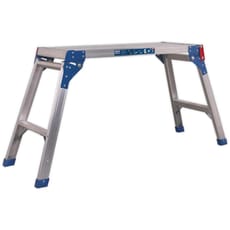
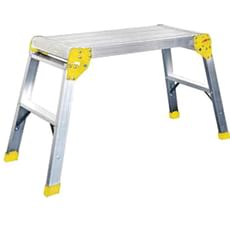
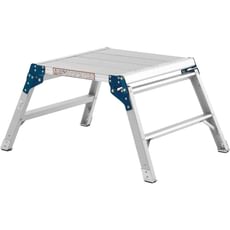
 Loading...
End of content
Error - No more pages to load
About Hop Up Platforms
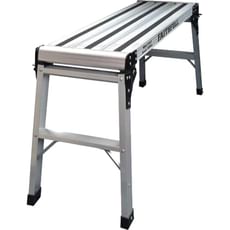
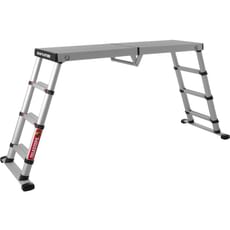
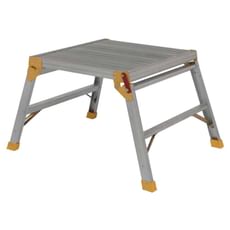
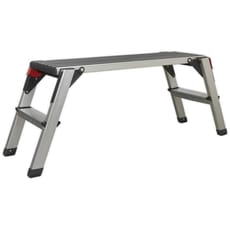
Hop up platforms, also known as work platforms or step-up platforms, are essential pieces of access equipment designed to provide tradespeople and DIY enthusiasts with a safe, stable working height for a wide range of tasks. Unlike traditional step ladders, hop up platforms feature a large, flat working surface that allows users to stand comfortably whilst working on ceilings, upper walls, or elevated fixtures. These versatile platforms are lightweight, highly portable, and quick to set up, making them ideal for both professional site work and domestic projects where frequent repositioning is required.
The selection at Tooled-Up.com includes hop up platforms from trusted brands including Werner, Sealey, Faithfull, Zarges, and Telesteps. Most models feature robust aluminium construction that combines strength with portability, whilst anti-slip working surfaces and wide bases ensure maximum stability during use. Available in various heights—typically one-step or two-step configurations—these platforms provide working heights ranging from approximately 300mm to 600mm, allowing users to reach areas that would otherwise require a full-height ladder or scaffold tower.
Modern hop up platforms are designed with practicality in mind, featuring folding mechanisms for compact storage and transport, non-marking feet to protect floor surfaces, and load capacities suitable for professional use. Whether you're a painter and decorator working on cornices, an electrician installing downlighters, or a homeowner tackling DIY projects, a quality hop up platform offers the perfect balance of safety, convenience, and manoeuvrability for countless elevated tasks.
Jargon Buster
- Platform Height
- The actual height of the standing surface from ground level, typically measured in millimetres. Common platform heights range from 300mm to 600mm for standard hop up platforms.
- Working Height
- The maximum height a user can comfortably reach whilst standing on the platform, calculated by adding the platform height to an average person's reach (approximately 2 metres). This gives a realistic indication of the areas you can access.
- Safe Working Load (SWL)
- The maximum weight capacity the platform can safely support, including the user, tools, and materials. Professional-grade hop ups typically offer SWLs between 150kg and 200kg, conforming to EN131 standards.
- EN131 Standard
- The European safety standard for ladders and working platforms, ensuring products meet stringent requirements for structural integrity, stability, and safe use. Always look for EN131 certification when selecting access equipment.
- Non-Slip Tread
- Textured or ribbed surface treatment applied to the platform deck to prevent slipping, particularly important when working in damp conditions or wearing safety boots.
- Duty Rating
- Classification system indicating the intended use level—from light domestic (Class III) through trade use (Class I) to industrial applications, helping users select appropriate equipment for their work intensity.
Who Uses Hop Up Platforms?
Hop up platforms are invaluable across numerous trades and applications:
- Painters and Decorators – accessing ceilings, cutting in edges, and applying wallpaper at height
- Electricians and Sparkies – installing light fixtures, downlights, smoke detectors, and running cables
- Plumbers – working on overhead pipework, boilers, and ceiling-mounted fixtures
- Carpenters and Chippies – fitting coving, installing ceiling battens, and hanging doors
- Maintenance Engineers – routine maintenance tasks in commercial and industrial settings
- Shop Fitters – retail display work and signage installation
- Warehouse Staff – accessing lower-level racking and stock areas
- Facilities Managers – general building maintenance and inspection work
- DIY Enthusiasts – home improvement projects requiring safe, temporary access
- Window Fitters – installing and adjusting upper window sections
How to Choose the Right Hop Up Platforms
Selecting the appropriate hop up platform requires consideration of several key factors:
Height Requirements: Assess the typical working heights for your tasks. Single-step platforms (300-400mm) suit lower-level work like skirting boards and light switches, whilst two-step models (500-600mm) provide better access for ceiling work and upper wall areas. Consider your own height when calculating working reach.
Load Capacity: Professional tradespeople should prioritise platforms with higher Safe Working Loads (150kg minimum), especially when carrying tools and materials. Check the duty rating matches your usage intensity—Class I for frequent professional use, Class III for occasional domestic tasks.
Portability: If you're moving between jobs or working across multiple rooms, weight becomes crucial. Aluminium construction offers the best strength-to-weight ratio, with most quality hop ups weighing between 3kg and 8kg. Look for folding designs that fit easily in vans or tool stores.
Platform Size: Larger working surfaces (typically 400mm x 600mm or greater) provide more comfortable standing room and reduce fatigue during extended use. Wide platforms also offer better stability and allow easier positioning of tools and materials.
Safety Features: Essential features include non-slip platform surfaces, wide stabilising bases, secure locking mechanisms, and non-marking rubber feet. Anti-rattle construction prevents annoying movement during use, whilst clearly marked safety labels indicate proper usage.
Build Quality and Brand: Established brands like Werner, Zarges, and Sealey offer proven reliability backed by warranties. Check for robust riveted or welded joints rather than purely bolted assemblies, and ensure all moving parts operate smoothly.
Popular Accessories
- Tool Platform Trays – clip-on accessories for holding paint kettles, screws, and hand tools within easy reach
- Ladder Standoff Brackets – for work requiring full ladder access in conjunction with platform work
- Anti-Slip Mats – additional grip surfaces for extremely smooth or wet working conditions
- Tool Belts and Pouches – keeping tools accessible whilst maintaining both hands free for working
- Replacement Feet – spare rubber feet to maintain floor protection and stability
- Carrying Straps – simplifying transportation of folded platforms
- Wall-Mounted Brackets – dedicated storage solutions for workshops and garages
- Protective Covers – keeping platforms clean during transport and storage
Safety Information
Working at height, even modest elevations, requires proper safety practices to prevent accidents and injuries:
Pre-Use Inspection: Before each use, check for damage including bent frames, loose rivets, worn non-slip surfaces, and damaged feet. Never use compromised equipment. Ensure locking mechanisms engage fully and the platform sits level and stable.
Positioning: Always place hop up platforms on firm, level ground. Never position them on uneven surfaces, loose materials, or slippery floors. Maintain the platform's maximum reach radius—overreaching is a primary cause of falls. The HSE recommends the "belt buckle rule": keep your belt buckle within the platform's side rails.
Load Limits: Never exceed the stated Safe Working Load. This includes your body weight plus all tools, materials, and equipment. Overloading compromises stability and can cause structural failure.
Proper Use: Always face the platform when ascending or descending. Maintain three points of contact where possible. Never stand on the very edge of the platform or attempt to increase height by standing on boxes or materials. Do not use hop up platforms as bridges between surfaces.
PPE Considerations: Wear appropriate safety footwear with good grip. When working overhead, safety glasses or goggles protect against falling debris. Consider hard hats for construction environments where overhead hazards exist.
Storage and Maintenance: Store platforms in dry conditions to prevent corrosion. Clean regularly, particularly the non-slip surfaces where paint and debris can accumulate. Keep folding mechanisms lubricated and check all fixings periodically. Replace worn components promptly—most reputable manufacturers supply spare parts.
Frequently Asked Questions
What's the difference between a hop up platform and a step stool?
Hop up platforms feature larger, flat working surfaces designed for extended standing whilst working, whereas step stools typically have smaller treads intended primarily for reaching rather than working from. Hop ups are generally more stable with wider bases and higher load capacities, making them better suited for professional trade use where you need to stand comfortably for longer periods.
Can I use a hop up platform outdoors?
Yes, aluminium hop up platforms are suitable for outdoor use, though you must ensure stable, level ground and avoid using them in high winds or wet conditions where slipping hazards increase. The lightweight construction that makes them portable also makes them vulnerable to tipping in windy conditions. Always position them on solid surfaces—never on soft ground, mud, or uneven paving.
How high can I safely reach from a two-step hop up?
A typical two-step hop up platform provides a platform height of approximately 500-600mm. Adding an average person's reach of around 2 metres gives a comfortable working height of 2.5-2.6 metres, suitable for standard ceiling heights in UK homes (typically 2.4 metres). This allows comfortable access for tasks like painting ceilings, installing light fittings, and fitting smoke alarms without overreaching.
Are hop up platforms suitable for professional daily use?
Absolutely. Quality hop up platforms available from Tooled-Up.com from brands like Werner, Zarges, and Sealey are engineered for professional trade use, featuring Class I duty ratings and conforming to EN131 standards. Look for models with higher Safe Working Loads (150kg+) and robust aluminium construction. Many professional decorators, electricians, and maintenance engineers rely on hop ups daily due to their portability and quick setup compared to ladders or scaffold towers.
Do I need to register or inspect hop up platforms under UK regulations?
For commercial use, the HSE's Work at Height Regulations 2005 require that all work equipment, including hop up platforms, must be properly maintained and inspected. Whilst formal registration isn't required, businesses should implement regular inspection schedules and keep records. Pre-use checks should be conducted daily, with more detailed periodic inspections based on usage intensity. Damaged equipment must be withdrawn from service immediately.